Last Updated June 06, 2026
A community garden improves food security only when fresh food reaches the people who have trouble getting it. A beautiful site can still miss that goal if the crops are decorative, harvest rules are unclear, plots sit behind a long waitlist, or produce peaks during weeks when no one has a plan for storage or donation.
Food security depends on reliable access to enough food for active, healthy living, then the community garden layer has to answer a narrower question: who can actually reach, afford, recognize, prepare, and use the produce. Community gardening can help with each of those conditions, especially when garden leaders treat production, access, education, and distribution as one system.
Food-security gardens need two jobs to happen at the same time. They grow fresh produce close to home, and they build the local relationships that move that produce into kitchens. That can mean individual plots for families, shared beds for pantry donations, youth growing programs, senior harvest days, culturally specific crop blocks, cooking classes, seedling giveaways, or gleaning routes after peak harvest.
Key Takeaways
- Community gardens support food security when they improve access, affordability, freshness, cultural fit, and local control.
- A garden built around food security needs a crop plan, harvest rules, distribution partners, safety checks, and volunteer continuity.
- Individual plots help households grow food; shared production beds help food pantries, meal sites, and neighbors without plot access.
- Garden space helps only when transportation, time, language, land access, water, and storage barriers are planned into the project.
- Impact should be measured by households reached, produce used, gardener retention, pantry reliability, and skills gained.
Table of Contents
What Community Gardens Change In Local Food Security
Community gardens work best as a local food access layer. They cannot replace grocery stores, farms, nutrition assistance, or emergency food programs. They can make fresh produce more reachable, lower some household food costs, reduce waste through sharing, and give residents more control over part of the food supply.
The food-security value comes from several pathways working together. A garden that only produces food may help a few plot holders. A garden that also teaches growing skills, shares seedlings, coordinates volunteers, welcomes renters, and connects harvests to pantry partners can support a wider group.
| Food Security Need | How A Community Garden Helps | Weak Point To Plan Around |
|---|---|---|
| Fresh produce availability | Grows leafy greens, herbs, tomatoes, peppers, beans, squash, roots, and seasonal fruit close to residents | Harvest windows are seasonal and can arrive in short peaks |
| Affordability | Lets gardeners replace part of the grocery basket with food grown from shared land, seeds, tools, and compost | Start-up costs, water fees, and time can exclude lower-income households |
| Physical access | Places food production inside neighborhoods, schools, faith sites, public housing, senior centers, or vacant lots | Distance, gates, uneven paths, and plot waitlists can limit access |
| Food use | Pairs produce with cooking, preservation, recipe sharing, and nutrition education | Unfamiliar crops may go unused without practical meal support |
| Local resilience | Creates seed-saving, composting, neighbor sharing, volunteer networks, and backup harvest channels | Reliance on a few leaders can weaken the garden after one hard season |
Health programs have documented that community gardens can increase access to healthy food, support fruit and vegetable use, and build food self-sufficiency when they are paired with coordinators, education, and partnerships. The partnership layer matters because production alone rarely solves the hardest access barriers.
Choose The Right Food Security Garden Model
The garden model should match the community’s food access problem. Neighborhoods with many renters may need shared beds and open harvest days. Pantry-adjacent sites may need donation beds and a clean packing routine. School gardens may teach food skills without producing enough volume for household food support.
Before site design, decide who the garden is meant to feed. That decision controls plot size, language access, crop selection, harvest rules, storage, volunteer roles, and partnership agreements. Food-security gardens still need clear governance, and the model choice also has to define who harvests, who receives produce, and how shared crops move after picking.
| Garden Model | Best Fit | Food Security Advantage | Management Risk |
|---|---|---|---|
| Individual allotment plots | Families who want control over their own crops and harvest timing | Builds household skill, food choice, and grocery savings | Plot access may favor people with more time, tools, and gardening experience |
| Shared production beds | Pantry donations, mutual aid tables, senior meals, community kitchens | Lets the garden plan for volume, consistency, and coordinated harvest | Requires clear labor schedule and harvest destination |
| Hybrid plot and donation garden | Neighborhoods with both active gardeners and nearby households without time or land access | Feeds participants and widens benefit beyond plot holders | Can create confusion if shared and private harvest rules are not posted |
| Teaching garden with food boxes | Schools, clinics, libraries, housing sites, youth programs | Turns food production into skills, recipes, seedlings, and family outreach | May need off-site growing space for meaningful produce volume |
| Community orchard or perennial food space | Parks, faith sites, campuses, and long-term public land | Creates recurring fruit, herbs, and pollinator value after establishment | Needs pruning, harvest timing, pest care, and clear gleaning rules |
Plan Crops Around Real Meals And Local Food Needs
A food-security crop plan begins with meals people already cook. Lettuce may look productive in spring; collards, callaloo, okra, chiles, cilantro, tomatoes, beans, onions, squash, sweet potatoes, or bitter melon may matter more in a specific neighborhood. Culturally familiar crops increase the chance that harvests are picked, shared, cooked, and requested again.
The best crop mix balances quick food, dependable calories, high-value produce, and teaching crops. Quick greens keep people engaged early. Tomatoes, peppers, beans, and cucumbers add recognizable summer volume. Herbs lower grocery costs because small store bundles can be expensive. Winter squash, potatoes, onions, garlic, and dry beans can help when storage and curing space are available.
| Crop Role | Good Choices | Food Security Use | Planning Note |
|---|---|---|---|
| Fast harvest | Radishes, baby greens, bok choy, arugula, scallions, cilantro | Gives early food before summer crops mature | Use succession sowing so harvests do not arrive all at once |
| High household value | Herbs, peppers, tomatoes, garlic, ginger in warm climates, specialty greens | Offsets higher-cost grocery items and supports cultural cooking | Ask residents which crops they actually buy or miss |
| Bulk summer produce | Beans, cucumbers, zucchini, eggplant, okra, determinate tomatoes | Supports sharing tables and pantry crates during peak season | Pair with recipes, pickup days, and preservation help |
| Storage food | Winter squash, potatoes, sweet potatoes, onions, garlic, dry beans | Extends food value after fresh greens fade | Needs curing, labeling, pest checks, and dry storage |
| Perennial supply | Rhubarb, asparagus, berries, herbs, fruit trees suited to the site | Builds long-term harvest with less yearly replanting | Works only where land tenure is secure |
Soil fertility keeps the plan from turning into a one-season burst. Shared compost systems, leaf mold, cover crops, and crop residues can support beds when managed cleanly. For groups building a compost loop from food scraps and garden waste, composting for beginners gives the basic process before a site adds shared bins.
Design Access Around The People Who Need The Food
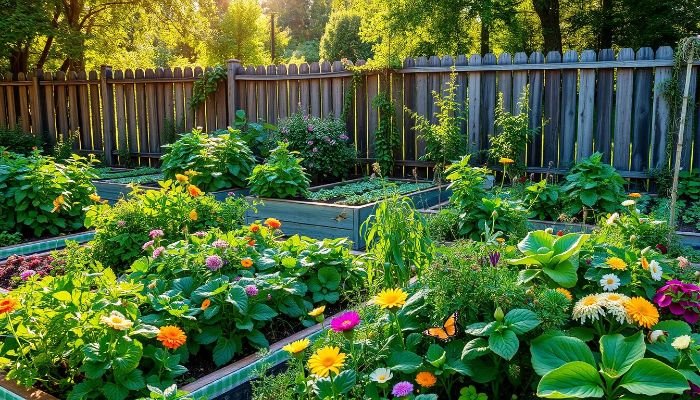
Food access can fail at the gate. A garden may be close on a map and still hard to use for seniors, disabled gardeners, shift workers, parents with small children, residents without cars, people who speak another language, or households that cannot buy tools at the start of the season.
Access planning should be physical, social, and procedural. Wide paths, raised beds, seating, shade, water points, safe tool storage, clear signs, translated rules, shared workdays, and open harvest times all change who can participate. Garden leaders can use inclusive community garden design to make food production easier for more bodies, ages, and schedules.
| Barrier | Garden Design Response | Food Security Result |
|---|---|---|
| No private yard | Offer plots, shared beds, container stations, and public seedling days | Renters and apartment residents gain growing space |
| Limited mobility | Use firm paths, raised beds, hose access, seating, and shaded work areas | Older adults and disabled gardeners can harvest without unsafe strain |
| Low time availability | Create communal beds, team plots, scheduled harvests, and short task boards | Shift workers and caregivers can still benefit |
| Language or cultural mismatch | Post visual signs, translate rules, and grow crops requested by residents | Harvests fit meals, traditions, and cooking knowledge |
| Tool and supply cost | Share tools, seedlings, compost, gloves, irrigation, and season calendars | Entry cost drops before the first harvest |
Build Harvest Distribution Before The Garden Peaks
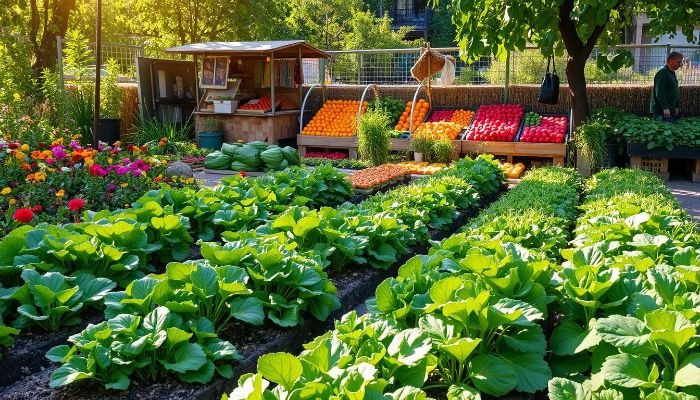
Community gardens often lose food during abundance, not scarcity. Zucchini gets too large, greens bolt, tomatoes split, and herbs flower when no one knows who is harvesting. Food security improves when the garden has a harvest route before the first heavy week of summer.
Distribution does not need to be complicated. A small garden can post a weekly harvest board, set pickup hours, mark shared beds, and keep a cooler for pantry crates. A larger garden may need weighing logs, food-safety training, donation contacts, harvest teams, and delivery volunteers.
| Distribution Channel | How It Works | Best Use | Risk To Control |
|---|---|---|---|
| Grower household harvest | Plot holders take food from their own beds | Direct household food support and food choice | Benefits stay limited to people with plots |
| Free harvest table | Shared produce is placed at a set spot and time | Low-barrier neighborhood sharing | Needs shade, signs, freshness checks, and cleanup |
| Food pantry crates | Volunteer team harvests, washes if appropriate, packs, and delivers | Reliable support for households already using food assistance | Requires timing, labeling, and safe handling |
| Community kitchen or meal site | Harvests move to cooking programs, senior meals, or youth meals | Good for crops that need preparation or volume cooking | Menu planning must match harvest timing |
| Gleaning and surplus calls | Extra produce is picked after gardeners take what they need | Reduces waste after peak harvest | Needs permission rules and quick communication |
The social side is part of the food system. Gardens with active neighbor ties usually move produce faster, recruit help sooner, and notice when a household needs extra support. The relationship layer is why building social networks through community gardens can affect food access as much as bed layout.
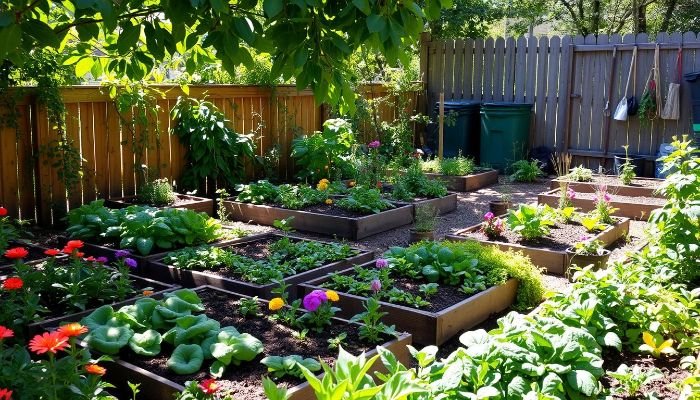
Protect Food Safety, Soil Safety, And Trust
A garden meant to feed people has to be safe enough for trust. Urban lots may have lead, industrial fill, pesticide residues, traffic dust, animal waste, glass, or polluted runoff. Rural and suburban sites can have septic concerns, pesticide drift, floodwater exposure, or livestock contamination. Testing and site history matter before food crops go into the ground.
Raised beds with clean imported growing media can reduce soil-contact risk when the existing soil is questionable. They do not remove every concern. Paths can track contaminated dust, floodwater can move soil, and children may play in uncovered areas. Community sites dealing with older housing, former industry, roads, or unknown fill should review soil contamination in urban gardens before setting crop zones.
| Safety Issue | Food-Security Garden Response | Why It Matters |
|---|---|---|
| Unknown soil history | Test soil, map risk zones, use clean raised beds for edible crops if needed | Protects gardeners, children, and produce users |
| Animal waste | Fence beds, cover sand or play areas, wash hands, and discard contaminated crops | Reduces pathogen risk on low-growing produce |
| Harvest handling | Use clean crates, handwashing, shade, labels, and same-day donation routes | Keeps produce usable for pantries and meal programs |
| Water access | Use potable water for washing produce and safe irrigation practices for edible crops | Prevents contamination at the last step |
| Allergen and crop confusion | Label shared herbs, hot peppers, unfamiliar greens, and donated mixes | Helps recipients use food safely and confidently |
Make The Garden Resilient Across Seasons
Food insecurity does not pause after the last tomato harvest. A community garden can stretch its food value by planning across spring, summer, fall, and storage periods. Cool-season greens, protected beds, perennial herbs, storage crops, seedling production, and preservation classes help a site serve households beyond one summer burst.
Water planning also affects resilience. A garden with thirsty beds and no reliable irrigation can lose production during the weeks when grocery costs are highest. Rain tanks, mulch, drip irrigation, shade timing, and bed grouping help keep harvests dependable. A larger site can connect its production plan with a water-efficient garden layout so crops with similar water demand share zones and schedules.
| Season Layer | Food Security Move | Good Crops Or Tasks |
|---|---|---|
| Early spring | Start fast greens and distribute seedlings | Spinach, lettuce, peas, radishes, scallions, cabbage starts |
| Main summer | Harvest high-volume crops on a posted schedule | Tomatoes, peppers, beans, cucumbers, squash, okra, basil |
| Late summer | Plant fall crops before summer beds are empty | Kale, collards, bok choy, turnips, beets, cilantro, carrots |
| Fall storage | Cure, label, and share storage foods | Garlic, onions, winter squash, potatoes, sweet potatoes, dry beans |
| Winter planning | Review harvest logs and choose next year’s food-security priorities | Seed orders, crop surveys, volunteer training, partner agreements |
Measure Food Security Impact Without Overclaiming
A community garden can be highly valuable and still feed only part of a neighborhood’s need. Honest measurement makes the program stronger. It helps leaders know whether food is reaching low-access households, whether crops are being used, and whether the garden is becoming easier or harder to join.
Pounds harvested are useful and incomplete. Five hundred pounds of unwanted zucchini does less than smaller amounts of crops families requested. A food-security garden should track reach, reliability, usefulness, equity, and skill transfer.
| Metric | What To Track | What It Reveals |
|---|---|---|
| Food volume | Pounds, bunches, crates, or household portions harvested | Whether production is increasing or falling |
| Households reached | Plot holders, pantry recipients, harvest table users, class participants | Whether the garden benefits extend beyond the most active gardeners |
| Crop usefulness | Requested crops, leftover crops, recipe needs, cultural crop feedback | Whether food fits real meals |
| Access equity | Waitlist length, language access, accessible beds, shared tools, volunteer hours | Whether barriers are shrinking or moving to another part of the system |
| Continuity | Returning gardeners, trained coordinators, partner pickups, water reliability | Whether the garden can support food access next season |
A useful annual review asks three questions: who ate from the garden, who wanted access and did not get it, and what stopped edible food from being used. Those answers lead to better crop choices, better volunteer roles, and better partner agreements the next season.
Conclusion
Community gardening improves food security when it turns shared land into usable food, practical skills, and reliable local distribution. The garden has to be designed around people, crop use, harvest routes, and plant care at the same time. That means clear harvest rules, safe soil, useful crops, accessible beds, water planning, partner pickups, and records that show who the food actually reached.
A food-security garden does not need to promise more than it can deliver. Its real strength is local control: neighbors can grow foods that stores overlook, share harvests quickly, teach each other, reduce waste, and build a small, durable layer of fresh food access close to home.
FAQ
Can a community garden replace a grocery store?
No. A community garden can improve fresh produce access, build growing skills, and reduce some food costs. It does not replace year-round retail food, staple grains, dairy, proteins, or formal food assistance.
Should a food-security garden use individual plots or shared beds?
Use both when possible. Individual plots give families choice and ownership. Shared beds let the garden plan donation crops, pantry crates, teaching harvests, and support for residents who cannot manage a plot.
What crops help food security the most?
The best crops are the ones residents will cook, harvest, and request again. Herbs, greens, tomatoes, peppers, beans, squash, roots, culturally familiar crops, and storage crops usually perform better than crops chosen only for appearance.
How can a small garden help if it produces limited food?
A small garden can still help through seedling giveaways, cooking lessons, shared herbs, pantry partnerships, high-value crops, compost access, and crop planning skills that residents use at home.
How do community gardens avoid wasting peak harvests?
Post harvest days before crops peak, assign shared-bed harvest teams, keep donation crates ready, contact pantry partners early, and teach quick preservation methods for tomatoes, herbs, greens, and summer vegetables.
What is the biggest food-security risk in a community garden?
The biggest risk is assuming that food grown on site automatically reaches the households with the greatest need. Access rules, work schedules, language, safety, transportation, and trust decide who benefits.