
Last Updated June 03, 2026
Tropical fruit in a temperate garden succeeds when climate control comes before the plant list. A mango seedling can look glossy on a patio in August and collapse after one cold night. Pineapple can sit happily in a pot for years because its root system is small and the whole plant can move indoors. Citrus can fruit in a cold region if the pot, light, and winter room all work together.
Some tropical fruits can grow outside the tropics for part of the year. The deciding factors are protection level, warm-season length, and whether the plant can finish flowers and fruit before cold weather shuts growth down.
For most temperate home gardens, the most realistic tropical fruit plan starts with movable containers, a warm outdoor summer position, fast-draining root zones, and a winter shelter that has light. In mild coastal or warm temperate areas, a few subtropical fruits can live in the ground with careful siting. In colder regions, containers and greenhouses do most of the work.
Key Takeaways:
- Match each tropical fruit to winter low, frost risk, and season length before buying
- Use movable containers for the most cold-sensitive fruits
- Choose warm walls, raised spots, and wind protection for outdoor summer growth
- Move plants before cold nights reach their stress range
- Expect foliage success before reliable fruit on mango, avocado, and banana in cold regions
Table of Contents
Tropical Fruit In Temperate Climates – The Real Limit Is Winter
Temperate climates have a useful summer and a limiting winter. The summer may be hot enough for fast leaf growth, flower buds, and sugar development. The winter brings frost, short days, cold soil, and indoor light levels that are far below tropical outdoor light.
A tropical fruit plant can survive one part of that pattern and fail at another. Citrus may handle cool indoor winter conditions better than mango. Banana leaves may grow fast in summer and then lose momentum when nights cool. Dragon fruit may tolerate a dry indoor rest better than a water-hungry broadleaf tree. Pineapple may be the easiest because it stays small, accepts container life, and does not need a tree canopy to mature.
Separate survival from fruiting. A plant that lives through winter has cleared the first test. A plant that flowers at the right age, receives enough light, sets fruit, and ripens it before the season ends has cleared a harder test. That is why a tropical-looking patio can be easy and a dependable tropical harvest can take tighter planning.
| Climate Factor | What It Controls | How To Read It At Home | Common Failure |
|---|---|---|---|
| Lowest winter temperature | Root, stem, and canopy survival | Compare plant tolerance with your coldest nights | Buying by summer heat and ignoring winter lows |
| Frost-free season | Flowering, fruit sizing, and ripening time | Count warm weeks between last and first frost | Choosing fruit that needs a longer season than the yard gives |
| Summer night warmth | Growth speed and fruit development | Watch whether nights stay warm after sunset | Assuming bright days make up for cold nights |
| Indoor winter light | Leaf retention and dormancy stress | Check window exposure or greenhouse light | Moving a full-sun fruit into a dim room |
| Root temperature | Water uptake and cold injury | Track pots on paving, shelves, and cold floors | Protecting leaves and leaving the pot exposed |
Choose The Right Tropical Fruit By Protection Level
The easiest tropical fruits in temperate climates are the ones that match a protection system you can repeat every year. A fruit that needs only a sunny patio and a bright winter room is a different commitment from a tree that needs a heated greenhouse, hand pollination, and several years before any crop is possible.

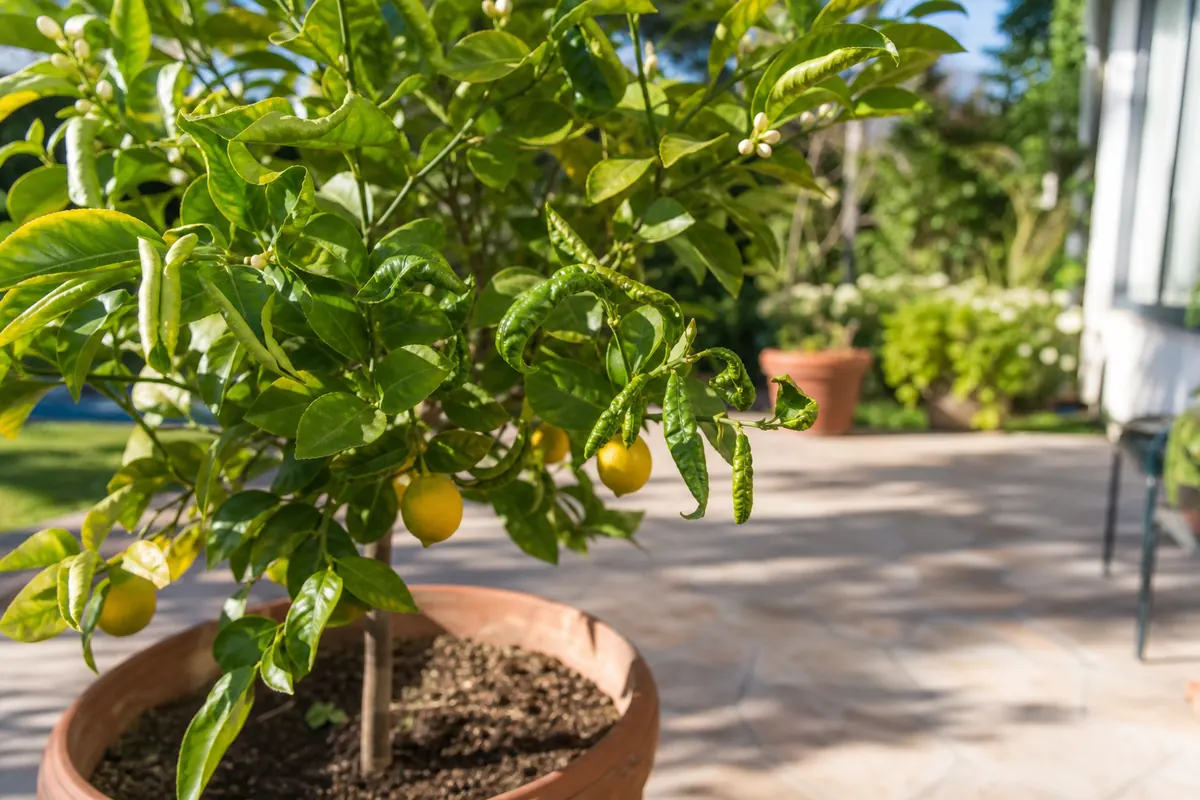
Potted citrus usually gives the most repeatable fruit for cold-climate growers because dwarf and naturally compact forms can move indoors. The plant still needs light, clean leaves, and careful watering through winter. Citrus tree variety selection matters because calamondin, kumquat, Meyer lemon, and small mandarins fit containers more easily than large sweet orange trees.
| Fruit | Best Temperate Strategy | Cold Cue | Fruit Expectation | Protection Level |
|---|---|---|---|---|
| Pineapple | Container outdoors in summer, bright indoor winter | No frost; avoid cold wet pots during long cool spells | Slow and realistic from a healthy plant | Low to medium |
| Calamondin, kumquat, Meyer lemon | Large pot, summer sun, cool bright winter room | Protect the pot and canopy before freezing nights | One of the most reliable potted crops | Medium |
| Dragon fruit | Container with support, warm summer, dry bright winter | No frost; keep cooler winter shelter dry and bright | Possible with maturity, heat, and strong light | Medium |
| Passion fruit | Hardy type outdoors or tender type in a container | Hardy forms tolerate more cold; tender forms need frost-free shelter | Good where the vine gets enough heat and pollination | Medium |
| Dwarf banana | Large pot or protected warm bed | Frost damages foliage; protected roots decide regrowth | Foliage is easier than fruit; fruit needs a long warm run | Medium to high |
| Guava or pineapple guava | Warm temperate ground site or container | Pineapple guava is tougher; tropical guava needs milder shelter | More realistic in mild regions than cold inland zones | Medium to high |
| Avocado | Frost-free or near-frost-free site, or greenhouse container | Needs near-frost-free conditions, especially when young | Hard outside mild coastal climates | High |
| Mango | Heated greenhouse or very mild warm temperate site | Needs bright, warm, frost-free protection through winter | Difficult in cold regions because light and heat must stay high | Very high |
Pineapple is a useful first test plant because the plant stays compact and the care rhythm is easy to see. Leaves should stay firm, the crown should remain dry, and the pot should never sit in stagnant water. Growing pineapples at home fits a temperate-climate plan because the whole plant can be moved without machinery.
Containers, Ground Beds, And Greenhouses Change The Plan
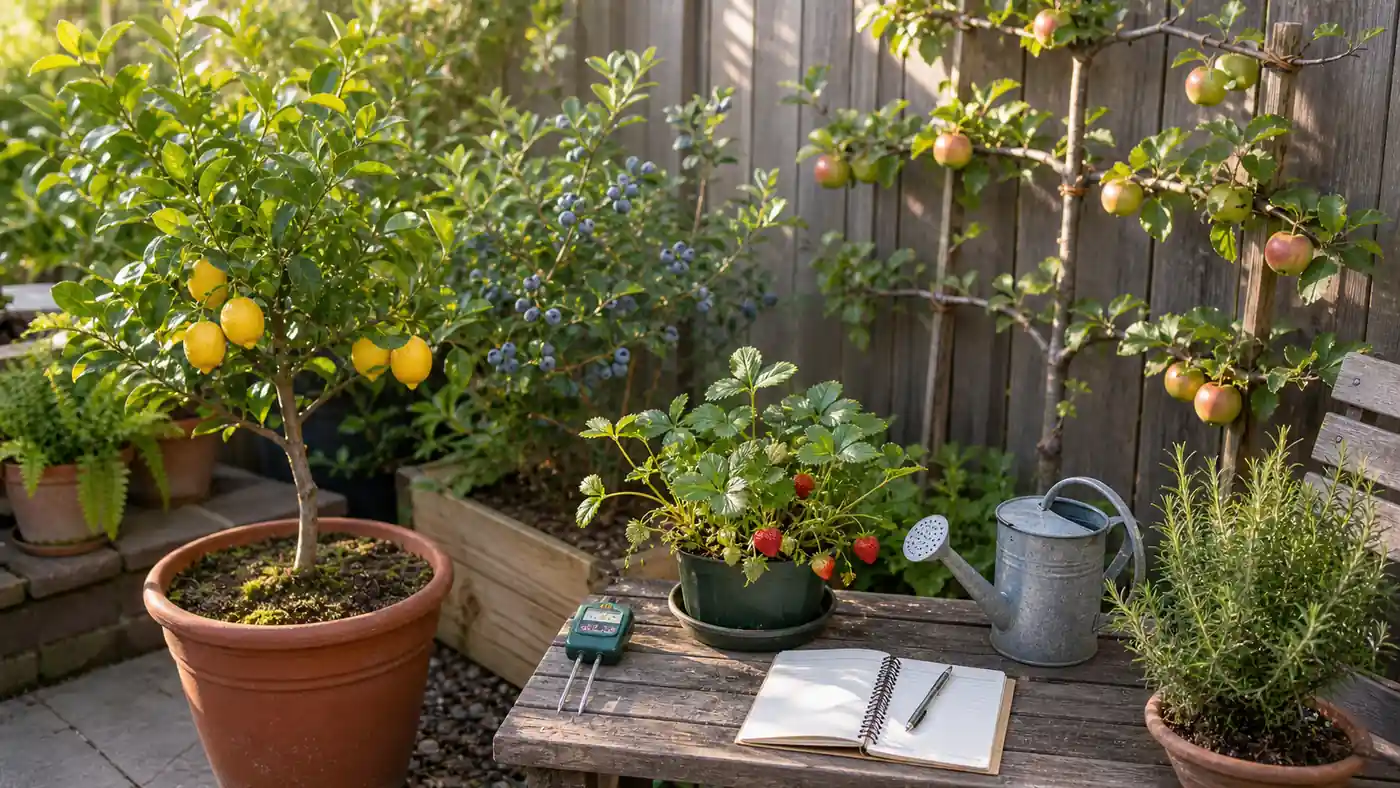
Containers are the main bridge between tropical fruit and temperate weather. They make the plant movable, let the gardener control drainage, and limit size. They also heat fast, dry fast, freeze fast, and leave roots more exposed than roots in the ground.
Ground planting works only when the fruit is close to hardy for the region or the site is unusually protected. A warm wall, raised soil, overhead cover, and wind shelter can change a plant’s odds. They cannot turn a cold valley into a tropical orchard.

Greenhouses solve the winter exposure problem only when temperature, ventilation, light, and watering are managed together. A sealed greenhouse can overheat on sunny winter days and then plunge at night. A small heater helps, and roots in pots can still suffer if the container sits on cold concrete.
| Growing Method | Best For | Main Advantage | Main Risk |
|---|---|---|---|
| Movable container | Citrus, pineapple, dragon fruit, small guava | Seasonal movement and soil control | Fast drying, root circling, heavy pots |
| In-ground protected bed | Hardy passion fruit, banana in mild regions, feijoa | More root volume and summer growth | Permanent exposure during severe cold |
| Unheated greenhouse | Cool-tolerant citrus, dormant potted plants, frost buffering | Frost reduction and wind protection | Night temperatures may still drop too low |
| Heated greenhouse | Mango, avocado, tender guava, fruiting banana attempts | Longer active season | Cost, humidity swings, pest buildup |
| Bright indoor winter room | Citrus, pineapple, dragon fruit, young plants | Accessible winter shelter | Low light, dry air, pest pressure |
Tree size should be part of the container decision from the first purchase. A plant that looks charming in a one-gallon pot can become a wrestling match by the third winter. Dwarf fruit trees for small gardens make more sense when the mature pot, doorway, storage space, and pruning plan all fit the same plant.
Create A Warm Microclimate Before Planting
A microclimate is the small climate around the plant. In a temperate garden, that small climate can decide whether a tropical fruit gains two extra weeks of growth or loses new shoots in the first autumn chill.
Cold air drains downhill and settles in low pockets. Tender plants placed at the bottom of a slope can be colder than plants several yards away. Paving, brick, stone, and south- or west-facing walls absorb daytime warmth and release some of it after sunset. That extra warmth may be modest, and the plant feels it at leaf and root level.
Wind protection matters because moving air strips heat and moisture from leaves. A fence, hedge, wall, or temporary screen can reduce cold wind and summer drying. Air still needs to move enough to prevent fungal problems in dense foliage.
A useful frost plan starts before the forecast turns urgent. Microclimates and container movement before freezes matter because protected spots can trap warmth and above-ground pots lose heat through their sides. Move portable plants early, group pots where warmth can be held, and keep frost cloth ready before the first warning.
- Leave enough air movement around dense leaves during humid weather
- Use raised ground or a slight slope above a cold low pocket
- Place movable pots near masonry that warms during the day
- Keep containers off cold floors with pot feet, benches, or insulating material
- Protect from north and east winds in colder regions
Soil, Water, And Feeding For Tropical Fruit Roots
Tropical fruit roots need moisture, oxygen, warmth, and active growth. Temperate gardeners often lose plants by copying tropical rainfall without matching tropical heat. Cool wet potting mix can stay airless for days, especially in large pots indoors.
Use a fast-draining mix for containers. The mix should hold moisture after watering and still let air return. Bark fines, coarse perlite, pumice, composted material, and mineral grit can all help depending on the plant. Heavy garden soil in a pot usually compacts, drains unevenly, and pulls away from container walls.
In ground beds, drainage beats richness. A planting hole packed with soft compost can become a wet bowl inside heavier native soil. Broad soil loosening, raised planting, and mulch outside the crown area usually help roots more than a deep amended pocket.
Citrus shows the same root logic clearly. The root zone has to drain, breathe, and keep nutrients available before fertilizer matters. Healthy citrus soil conditions also matter for many potted tropical fruits: avoid soggy centers, buried crowns, salt buildup, and blind fertilizing when roots are cold.
Watering should follow growth speed. Plants in full summer sun use water faster than the same plants in a winter room. During active growth, banana may drink heavily. In a cool room, pineapple may need much less. Check pot weight, drainage behavior, and moisture several inches down before changing the schedule.
Feeding belongs mainly in active growth. Light, warmth, and new leaves tell you the plant can use nutrients. Late-season nitrogen can push tender growth that has poor cold tolerance. Weak winter light calls for restraint because unused fertilizer salts can build in the potting mix.
Summer Outdoor Care And Indoor Winter Transition
The outdoor season should build strength for winter. Move plants outside after frost danger has passed and nights are mild enough for the species. Start in shade or filtered light for several days because indoor leaves can scorch when they meet full sun too fast.
Summer care is active care. Turn pots so canopies grow evenly. Prune lightly to keep plants movable. Wash dust from citrus leaves. Tie dragon fruit and passion fruit to supports before stems tangle. Watch container moisture after windy days because patio pots can dry faster than bed soil.
Bring plants indoors before the emergency night. A tropical fruit that has already chilled may drop leaves after moving inside, and the gardener may blame the indoor room. The damage often started outdoors. Inspect leaf undersides, stems, pot rims, and soil surfaces for scale, mites, ants, slugs, and fungus gnats before plants enter the house.
| Season | Main Job | Practical Move | Risk To Avoid |
|---|---|---|---|
| Late winter | Prepare containers and pruning plan | Repot only plants that are ready for active growth | Upsizing cold, dormant roots into wet mix |
| Spring | Acclimate outdoors | Start in shade, then increase sun over several days | Leaf scorch from sudden full sun |
| Early summer | Build canopy and roots | Water deeply, feed lightly, train supports | Letting pots dry to collapse in wind |
| High summer | Hold growth without stress | Check moisture daily during heat waves | Waterlogging saucers after storms |
| Late summer | Prepare for indoor move | Reduce heavy nitrogen and inspect pests | Soft late growth before cold nights |
| Fall | Move before chilling damage | Transition to bright shelter before nights get risky | Waiting for the first frost warning |
| Winter | Keep roots alive and leaves clean | Water less, maximize light, monitor pests | Treating winter like a summer growing period |
Bananas show the season problem in a dramatic way. They can produce huge summer leaves in temperate gardens, then stall when the warm window closes. Growing bananas at home works best when the gardener separates ornamental leaf growth from the harder goal of a ripe bunch.
Fruit Set, Pollination, And Ripening In Short Seasons
Fruit set in temperate climates can fail even when the plant looks healthy. The plant may be too young, light may be too weak, nights may be too cool, or pollination may happen at the wrong time. Indoor and greenhouse plants can also miss insect pollination.
Citrus can set fruit indoors if flowers are moved by air, insects, or hand contact. A gentle shake or fingertip transfer can help where insects are absent. Passion fruit often needs the right pollinator activity or hand pollination, depending on type and setting. Dragon fruit may need night pollination and a mature, well-lit plant before the first real crop.

Heat controls ripening speed. A fruit that sets late may remain undersized when autumn light falls. Potted plants need strong growth early in the warm season, followed by restraint with late pruning that could remove flower wood or force tender shoots at the wrong time.
Fruit thinning can help small trees. A young citrus tree carrying too many fruit can stall canopy growth and exhaust a limited root system. Removing some fruit early can leave the remaining fruit larger and the plant stronger for the next season.
Avocado and mango are the hardest expectations to manage. A seed-grown tree can live for years before flowering, and container conditions may delay maturity further. Grafted plants from reputable nurseries give a better chance, and they still need warmth, light, root volume, and winter protection that many temperate homes cannot supply easily.
Mistakes That Stop Tropical Fruit In Cool Gardens
Most failures come from a mismatch between plant ambition and climate control. The plant survives the purchase month, then the weak point appears: a pot too heavy to move, a winter room too dark, a low bed that catches frost, or a root ball that stays wet in cold weather.
| Mistake | What Happens | Better Move | Best Fruit Match |
|---|---|---|---|
| Buying a full-size tropical tree | The plant outgrows the pot and doorway | Start with compact, grafted, or container-suited plants | Citrus, pineapple, dragon fruit |
| Leaving pots outside too late | Leaves drop after the indoor move | Move before cold stress, then acclimate indoors | Citrus, guava, avocado |
| Watering winter pots like summer pots | Roots sit cold and wet | Check moisture depth and pot weight first | Pineapple, citrus, dragon fruit |
| Planting in a frost pocket | New shoots burn during mild freezes | Use raised sites, walls, windbreaks, and covers | Passion fruit, banana, feijoa |
| Expecting seed-grown trees to fruit fast | Years pass with foliage and no harvest | Buy grafted or known fruiting selections | Mango, avocado, citrus |
| Ignoring indoor pests | Scale, mites, and whiteflies build through winter | Inspect before moving and wash leaves regularly | Citrus, guava, passion fruit |
A tropical fruit garden in a cool region needs deliberate systems. Each plant has a summer position, a winter position, a pot size, a pruning limit, and a backup plan for sudden cold. Deliberate routines separate a one-season novelty from a plant that can keep growing year after year.
Conclusion
Tropical fruit growing in a temperate climate works best when the plant list follows the protection plan. Start with the winter room, pot weight, frost pattern, warm wall, and season length. Then choose the fruit.
Pineapple, compact citrus, dragon fruit, and selected passion fruit give many gardeners the cleanest first success. Banana can be a strong foliage plant with fruit possible only where the warm season and protection system are generous. Mango and avocado belong at the demanding end of the scale.
A temperate garden can borrow tropical flavor for part of the year and protect the plant for the rest. The payoff comes from repeatable routines: summer light, breathable roots, careful water, timely movement indoors, and a realistic crop expectation for each fruit.
FAQ
Can Tropical Fruits Grow Outside In Temperate Climates?
Some tropical and subtropical fruits can grow outside during the warm season in temperate climates. Year-round outdoor growing depends on winter lows, frost frequency, wind exposure, and the plant’s cold tolerance. In colder regions, containers, greenhouses, or indoor winter shelter make the crop more realistic.
What Tropical Fruit Is Easiest To Grow In A Temperate Climate?
Pineapple, compact citrus, and dragon fruit are among the easier choices because they adapt to containers and can be moved for winter. Passion fruit can work well where the right species or cultivar matches the climate. Mango and avocado need more heat, light, root space, and winter control.
Can Mango Trees Grow In Temperate Climates?
Mango trees can grow as protected container or greenhouse plants in temperate climates, and reliable fruit is still difficult in cold regions. They need strong light, warmth, frost protection, and enough maturity to flower. A grafted dwarf or compact mango gives a better chance than a seedling.
Do Tropical Fruits Need A Greenhouse In Cold Climates?
A greenhouse is helpful for tender tropical fruit, especially mango, avocado, guava, and fruiting banana attempts. It is not always needed for pineapple, compact citrus, dragon fruit, or some passion fruit plans if containers can move into a bright indoor winter space.
Should Tropical Fruits Be Grown In Pots Or In The Ground?
Grow tropical fruits in pots when winter protection is needed. Use the ground only when the fruit is hardy enough for your region or the site has a reliable warm microclimate. Pots give mobility and soil control, and ground beds give more root volume where cold exposure is acceptable.
Is It Worth Growing Tropical Fruits From Seed?
Seeds are useful for experiments, foliage plants, and low-cost learning. For fruit, grafted or named plants are usually better because seed-grown trees can take years to mature and may not match the parent fruit. This matters most with mango, avocado, citrus, and guava.