


Last Updated May 10, 2026
Permaculture soil management works when the garden stops exporting fertility every season. Bare beds bake and crust, compost washes into the path, and roots stay shallow because the soil keeps getting opened and reset after every crop.
Permaculture soil management works as a sequence of repeated soil habits. Keep the soil covered, keep roots active, recycle biomass on site, reduce disturbance once structure improves, and route water so nutrients stay in the bed.
Done well, the signs are physical. Soil smells earthier after rain. A trowel slides in with less resistance. Mulch breaks down into dark crumbs instead of blowing into the walkway. Broader soil health improvement still matters, but permaculture soil work focuses on cover, living roots, biomass return, lower disturbance, and water retention inside the bed.
Key Takeaways:
- Match the first move to the way soil fails
- Keep roots and residue on the bed more often
- Feed soil from the surface before chasing bags
- Slow runoff before it carries fertility away
- Correct compaction and drainage before more mulch
Table of Contents
Start With The First Permaculture Soil Move For The Bed You Have
Permaculture advice gets flattened into “mulch more” or “add compost.” The better first move depends on the failure pattern. A bed that turns pale and hot by noon needs a different correction than a bed that stays slick and cold after rain.
| If the bed behaves like this | Start here | What that fixes first | Avoid |
|---|---|---|---|
| Surface dries hard and warm between waterings | Keep the soil covered with mulch and a living root | Slows evaporation and restarts microbial feeding | Bare fallow gaps between crops |
| Top looks decent and a spade stops hard a few inches down | Loosen once in a dry window, then shift to no-dig feeding | Opens channels that future roots can hold open | Annual tilling as routine maintenance |
| Bed needs feeding every few weeks to stay green | Run a compost and cover-crop residue loop on site | Rebuilds nutrient cycling close to the roots | Fertilizer-only feeding with no biomass return |
| Heavy rain strips fines or mulch from one edge | Slow and spread water before adding more fertility | Keeps carbon and topsoil in the bed | Sending roof or path water straight into the bed |
| Soil smells sour and stays sticky after rain | Correct drainage and keep traffic off wet ground | Restores air to the root zone | Burying fresh organic matter into wet soil |
Think about what keeps leaving your garden right now – moisture, fine soil, mulch, or plant residue that never makes it back to the bed. That leak is the real first job.
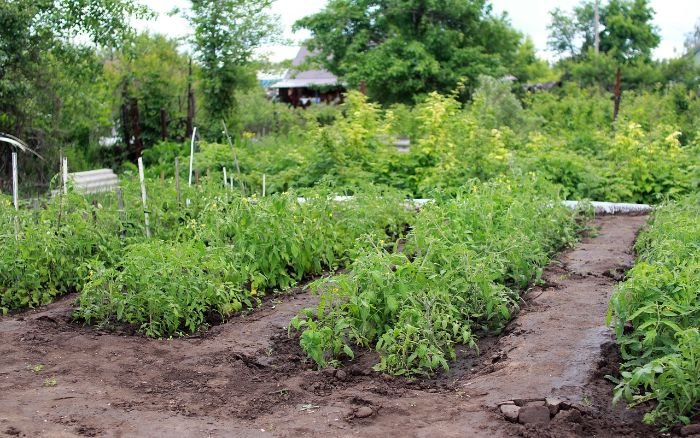
Permaculture works fastest when the first change stops the biggest loss. Most home gardens have two losses at the same time, and that is normal. A bed can dry too fast on top and still hit a compacted layer underneath.
Permaculture Soil Management Works By Keeping More On Site
The principle becomes practical when it is measured through surface cover, residue return, root continuity, and runoff control. Soil biology accelerates when carbon stays near the surface, roots leak sugars into the rhizosphere, and pores stay open long enough for fungi and fine roots to reuse them. Fertility leaves the system in four repeatable ways: exposed soil loses water, harvested beds lose residue, tillage burns through structure, and runoff carries fines downhill.
Garden soil improves when the bed can keep living roots, keep the soil covered, diversify planting, and disturb soil less. Those moves fit permaculture because they build infiltration, nutrient cycling, and aggregation without asking for a new purchase every month.
Core Permaculture Techniques For Better Garden Soil
| Permaculture technique | Best soil use | What it improves | Main caution |
|---|---|---|---|
| Surface mulching | Bare, hot, crusting beds | Moisture retention, splash protection, microbial activity | Pull back for direct seeding and cold wet spring soil |
| Chop-and-drop biomass | Perennial beds, orchard strips, established borders | Nutrient cycling and surface carbon return | Keep fresh stems off crowns and avoid seedy weeds |
| Cover crops and living roots | Empty vegetable beds and recovering soil | Root channels, aggregation, nitrogen cycling, soil cover | Match termination timing to the next crop |
| No-dig or low-disturbance management | Beds with improving structure | Protects pores, fungi, worm channels, and root pathways | Loosen once first if compaction blocks roots |
| On-contour water slowing | Sloped or runoff-prone beds | Keeps compost, fines, and moisture in place | Avoid basins where drainage remains sour and airless |
| Biomass loop and compost loop | Gardens exporting residues every season | Returns nutrients and carbon to the same beds | Do not overfeed already rich beds |
Together, these techniques work because reduced disturbance protects soil structure and because living roots support soil aggregation and biological activity during the months when a bare bed would otherwise sit idle.
Push a hand fork into a bed that has held mulch and roots through a full season. The tines enter with a muted crunch and the soil breaks into crumbs that smell like damp leaf litter. Work the same tool into a bare reset bed and the sound changes. It hits plates or hard clods, and the surface dust turns slick after the next rain.
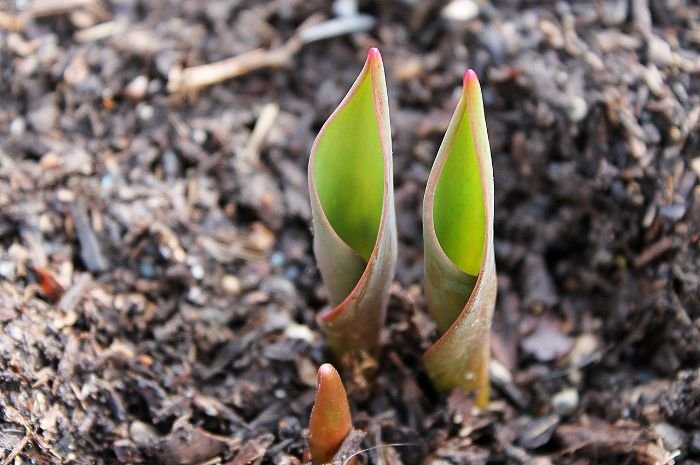
That physical shift is the point. Improving soil structure depends on habits that keep pore space, aggregation, and root channels from fading by next spring.
Mulch, Compost, And Chop-And-Drop Feed Soil From The Top Down
Permaculture soil building starts on the surface. In natural soil systems, residues usually accumulate and decompose near the surface, where fungi, worms, roots, and rainfall gradually move carbon into the upper profile. Leaf fall, soft stems, fungal threads, worm casts, and rainfall keep feeding the top layer where aggregation starts.
| Material | Best fit | What it changes | Watch for |
|---|---|---|---|
| Finished compost | Annual beds and hungry crops | Adds stable carbon and microbial food near roots | Repeated heavy layers in already rich beds |
| Leaf mulch or shredded leaves | Dry exposed beds and shrub zones | Shades the top inch and softens crusting | Thick soggy mats pressed flat on cool soil |
| Chop-and-drop greens such as comfrey or soft prunings | Established perennials and orchard strips | Returns minerals and moisture-holding biomass in place | Piling fresh stems against crowns |
| Coarse wood chips | Paths, orchard rows, and bed edges | Reduces splash and temperature swings at the surface | Using chips as the main seedbed surface for small seeds |
Use finished compost where roots need contact soon. Use broad surface cover where the top inch dries fast. Use chopped green biomass where perennials can mine it over time. The materials do different jobs, which is why a real compost loop beats dumping the same amendment everywhere.
Sheet mulching works best where the goal is to cover bare soil, suppress light weed pressure, and feed the upper layer before planting. It becomes risky over aggressive perennial weeds, waterlogged ground, or beds that need immediate seed contact.
A home pile from composting at home closes the loop only if the material returns to the beds that produced it. Bagged compost helps, though the lasting gain comes from keeping prunings, leaves, pulled weeds without seed, and kitchen scraps moving through the same small system year after year.

Pro Tip: In vegetable beds, rake mulch back into a narrow strip before direct seeding, soak that strip deeply, and leave the wider bed covered. Seeds get warmth and contact, and the rest of the bed keeps its soil armor.
Surface feeding can fail in predictable ways. A cold slug-heavy bed under wet spring mulch can stall seedlings. Raw woody material buried into the planting zone can tie up nitrogen for a spell. The fix is placement and timing, not abandoning the method. Mulching to conserve soil moisture works best when surface cover slows evaporation without smothering seedlings, crowns, or cool spring soil.
Living Roots And Plant Diversity Keep Garden Soil Active
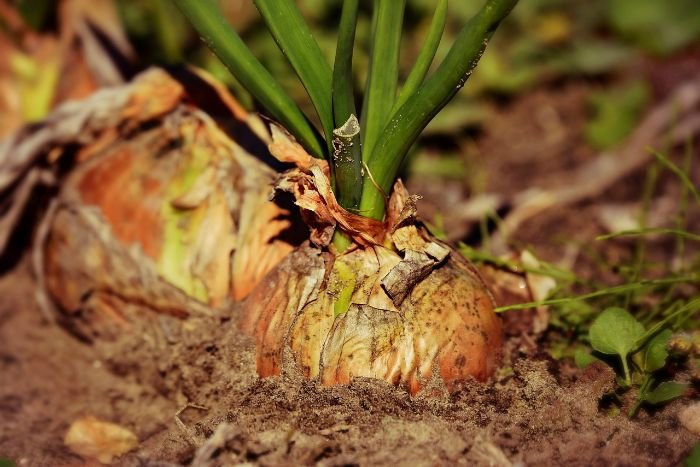
Bare soil is a pause button on the rhizosphere. Living roots feed bacteria and fungi with sugars, amino acids, and sloughed cells. When one crop leaves and nothing replaces it, microbial activity drops, aggregates lose glue, and the surface starts sealing again.
Give Roots Different Jobs
Fibrous grasses net the top layer. Deep brassicas punch channels into tighter ground. Legumes host rhizobia that store nitrogen in nodules. Flowering mixes spread root depth, residue chemistry, and bloom timing across the season. Permaculture gets soil gains from that overlap, not from plant variety as a decoration.
That is why cover crops for soil health fit the system so well. They keep a living root in the ground between harvest windows and leave residues that future crops inherit.
Keep The Root Calendar Longer Than The Harvest Calendar
A bed that runs peas into summer beans and then into a fall oat-clover cover carries active roots through much more of the year than a bed cropped hard, cleaned bare, and left open. The longer schedule keeps nutrient cycling closer to the crop that needs it next.
Watering decides how much of that root potential becomes real structure. New root systems respond better to the slower pattern in deep watering techniques for stronger root growth than to daily surface splashes that keep feeder roots hovering near the top inch.
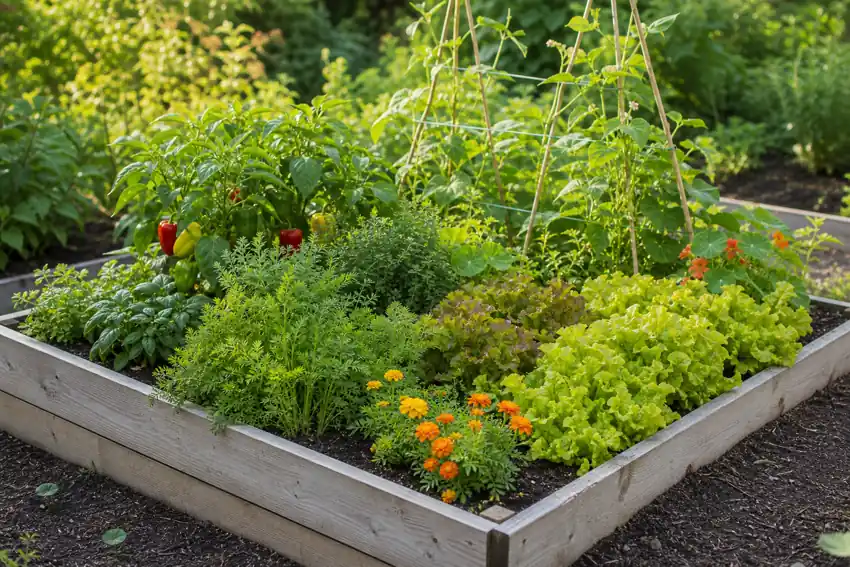
Root diversity is also how permaculture scales down well. Even a small backyard bed can rotate from a shallow-rooted salad crop to a deeper fruiting crop and then into a cover mix that leaves fine roots, thick roots, and legume nodules in the same square footage.
Water Harvesting And Drainage Decide Whether Soil Keeps Its Gains
Soil amendments do not stay put when water moves badly. One hard downspout strike can peel mulch aside, lift fine compost, and cut a bright runoff line through a bed in a single storm.
Permaculture handles that with shape before product. A shallow basin at the downhill side of a bed, a slight contour interruption, or a calmer outlet from roof water keeps organic matter where microbes can work on it. Permaculture garden design should place beds where water slows, spreads, and enters the soil instead of accelerating through the growing area.
Slow, Spread, And Soak The Water
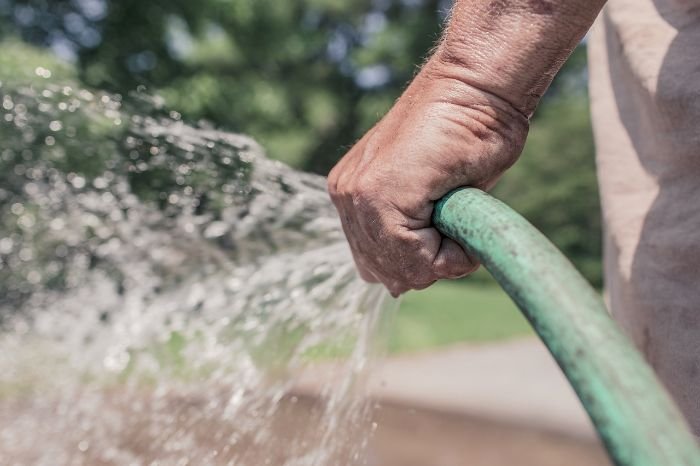
Push a hose into the top of the problem bed and watch the first shiny line form. That path tells you more than a sketch. Water that spreads thin across rough, mulched soil enters the profile. Water that gathers speed against a hard edge strips fines and leaves roots exposed.
I often notice that the bed blamed on low fertility is the one taking runoff from a hidden elbow, compacted path edge, or slight grade change the gardener stopped seeing months ago.
Use basins and swales only where the site actually infiltrates. A bed that stays sour and sticky a day after rain needs air as much as catchment. Soil drainage solutions matter because no amount of mulch fixes a perched wet layer or traffic-compacted clay.
Moisture conservation still matters after routing improves. Surface cover planned with a thin, consistent mulch layer helps the bed hold the water you finally kept on site.
Permaculture Soil Mistakes That Slow Soil Recovery
Permaculture soil management still depends on correct timing, drainage, disturbance control, and biomass placement. Soil stalls when mulch, compost, or no-dig habits ignore compaction, wet ground, runoff, or poor biomass placement.
- Calling a compacted bed “low biology” and never opening the hard layer once during a dry window.
- Sheet mulching over perennial weeds and planting too soon, long before the roots beneath have died back.
- Adding compost every season to beds that are already black, loose, and high in organic matter.
- Using wood chips as the main seedbed surface for tiny direct-sown crops that need close soil contact.
- Leaving paths bare and hard, then focusing all the soil-building effort on the middle of the bed.
Timing sits underneath every one of those mistakes. Disturbance in a dry window followed by residue cover and living roots builds structure. Disturbance in sticky soil followed by a bare spell destroys the same gains in a weekend.
Scale matters too. Small home gardens do not need heroic earthworks to practice permaculture. Many need cleaner path layout, a biomass return loop, less bare soil, and a plan for roots in the shoulder seasons.
Conclusion
Start with the largest soil-system loss: runoff, bare heat, exported residue, compaction, or poor drainage. If the bed sheds water, fix flow first. If it bakes bare, cover it before the next hot spell. If a spade hits resistance four inches down, loosen once in a dry week and let roots take over from there.
One season of good permaculture soil management changes the signals you get back. Under mulch you find white fungal threads and cooler soil. After rain the surface stays rough instead of sealing. A trowel lifts crumbs, worm casts, and roots running down through dark, damp channels.
FAQ
What are the main permaculture soil management techniques?
The main techniques are keeping soil covered, returning compost and plant residues, using cover crops or living roots, reducing disturbance, diversifying crops, and slowing water so fertility stays in the bed. The right starting point depends on whether the soil is bare, compacted, dry, runoff-prone, or overfed.
Can you practice permaculture soil management in a small backyard?
Yes. A small backyard can improve fast because traffic is easier to control and the compost loop is easier to close. Keep the soil covered, return biomass on site, leave roots in the bed longer, and route roof water away from problem areas.
What happens if you stop tilling a compacted bed too early?
Most gardeners assume no-dig alone fixes that problem. If a spade still stops hard at four inches, roots stay shallow and water perches above the dense layer. One dry-window loosening followed by mulch and living roots is cleaner than years of stubborn compaction.
Is sheet mulching enough to fix poor soil?
Only for some situations. Sheet mulch handles bare surface, light weed pressure, and low organic inputs well. It does not solve perched water, hardpan, or runoff concentrated from a roof edge.
How long does permaculture take to improve garden soil?
Surface changes show up within one season. Easier trowel entry, darker crumbs, and better moisture retention often appear after six to twelve months of cover and root continuity. Deep compaction and drainage issues take longer because water movement has to change first.
Do you need animals or manure for permaculture soil fertility?
No. Compost, chopped residues, leaves, kitchen scraps, and cover crops can run a strong backyard nutrient loop on their own. Aged manure helps when it is clean and available, though it is one option in the system, not a requirement.
Can permaculture soil methods work in raised beds?
Raised beds respond quickly because the area is small and feet can stay out. They still need living roots, surface cover, and careful watering or they dry faster than in-ground beds. A raised bed with bare soil and constant hand watering is not doing the permaculture part yet.
What is the fastest way to build soil in a new garden?
Start with one honest correction for compaction if the ground is hard, spread finished compost, cover the surface, and keep a root growing in the bed through as much of the year as your climate allows. That sequence changes structure and biology faster than jumping straight to fertilizer.