Last Updated June 07, 2026
A herbal garden can look calming and still feel restless. Mint escapes into the bed, lavender sulks in damp shade, basil needs rescue water every afternoon, and the chair sits too far away to make scent part of daily life. A mindfulness herb garden works differently. It keeps herbs close enough to touch, smell, harvest, water, and observe in a few quiet minutes.
Herbs are useful mindfulness plants because they answer quickly. A brushed rosemary stem releases scent. Thyme feels woody and fine under the fingers. Basil shows thirst fast. Chamomile flowers mark harvest timing. Mint, lemon balm, chives, sage, lavender, and scented geranium all give the body a direct sensory cue, which is easier to follow than an abstract instruction to relax.
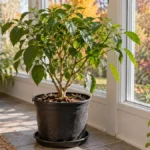
A herbal mindfulness garden should make one calming contact point repeatable. That can be a patio pot beside a chair, a tea-harvest strip near the kitchen door, a raised sensory bed, a sunny herb spiral, or a balcony tray with three contained herbs. Herbs can provide a relaxing multisensory experience, and accurate plant identification matters when herbs are harvested for use. In a mindfulness garden, that safety and clarity are part of the calm.
Key Takeaways
- Herbal gardens support mindfulness best when herbs are close to a seat, doorway, path, balcony rail, or daily tea routine.
- Choose herbs by sensory job and care need: scent, touch, taste, visual focus, pollinator sound, harvest, or pruning rhythm.
- Mint, lemon balm, and other spreaders belong in containers so the garden stays calming and easy to keep in bounds.
- Dry-loving herbs such as lavender, rosemary, thyme, oregano, and sage need sun, drainage, and lighter watering than basil or parsley.
- Mindful herb routines work in short loops: touch, smell, water, harvest, prune, dry, or make tea with attention on one task.
- Clear labels, safe plant identification, allergy awareness, and realistic health boundaries protect the practice.
Table of Contents
Start With One Herbal Cue You Can Repeat
The first design choice is the cue. A cue is the small action that brings attention back into the body: brushing thyme at the path edge, clipping three mint leaves for tea, watering basil at the root zone, rubbing a lavender leaf before sitting, or checking chamomile flowers at dusk.
One cue is enough for the first season. Too many herbs can turn the garden into a collection. A clear cue turns it into a practice. Place that cue where it already fits the day: beside the door used every morning, next to the chair used after work, on a balcony table, or along the short path to the kitchen garden.
| Herbal Mindfulness Setup | Best Use | Good Herbs | Design Rule |
|---|---|---|---|
| Near-door herb tray | Morning scent check, quick harvest, short reset | Basil, chives, parsley, mint in its own pot | Keep it within 20 steps of water and kitchen access |
| Seat-side scent pots | Breathing pause, reading, tea, evening decompression | Lavender, rosemary, scented geranium, thyme | Place leaves within arm’s reach from the chair |
| Raised sensory herb bed | Accessible touch, harvest, pruning, and observation | Thyme, sage, chives, oregano, calendula, chamomile | Use clear labels and a comfortable working height |
| Balcony herb corner | Small-space mindfulness and cooking harvests | Mint in a pot, basil, rosemary, thyme, parsley | Use fewer pots with enough soil volume for stable moisture |
| Herb spiral or sunny mound | Slow walking, scent sequence, dry-to-moist planting zones | Rosemary, thyme, oregano, sage, chives, calendula | Keep harvesting reachable and avoid making the spiral too tall |
| Tea-harvest strip | Evening tea ritual and gentle seasonal harvest | Mint contained, lemon balm contained, chamomile, anise hyssop | Separate tea herbs from ornamental or unsafe plants |
A broader mindfulness garden can include paths, privacy, seating, water, and layered planting. A herbal mindfulness space can stay smaller when plants remain reachable, care is clear, harvests are safe, and the layout gives a reason to return.
Choose Herbs By Sensory Job And Care Need
The calming effect of a herbal garden comes from contact with a few well-placed herbs. Each plant should do one job well. Lavender gives dry fragrance and color. Mint gives strong scent and taste in a contained pot. Rosemary gives evergreen structure and resinous aroma. Basil gives warm scent and fast feedback. Chives give flowers, taste, and easy clipping.
Care need matters as much as mood. Mediterranean herbs usually want sun, sharp drainage, lean soil, and lighter watering. Soft leafy herbs often want richer soil and steadier moisture. Mixing those two groups in one container makes the care signal confusing.
| Herb | Mindful Sensory Job | Good Placement | Care Or Safety Note |
|---|---|---|---|
| Lavender | Dry floral scent, silver foliage, visual focus | Sunny seat-side pot, dry border, path edge | Needs drainage and sun; heavy wet soil weakens it |
| Rosemary | Evergreen scent, woody touch, upright structure | Patio pot, warm wall, entry point in mild climates | Protect from winter cold in colder zones; avoid soggy roots |
| Thyme | Low touch plant, scent when brushed, fine texture | Path cracks, pot edge, sunny raised bed lip | Needs sun and drainage; trim after bloom to stay compact |
| Mint | Strong scent, tea harvest, cool leaf texture | Separate container near seat or door | Keep contained because roots spread aggressively |
| Lemon balm | Lemon scent, tea harvest, soft leaves | Large pot, contained bed, tea corner | Deadhead before seed if self-sowing becomes heavy |
| Chamomile | Small flowers, harvest timing, gentle visual detail | Tea strip, container, low sunny bed | Use correct plant identification before harvesting for tea |
| Basil | Warm scent, visible thirst response, pruning rhythm | Kitchen door pot, summer container, warm raised bed | Needs warmth, sun, and even moisture |
| Sage | Soft textured leaves, savory scent, gray-green calm | Dry sunny edge, raised bed, pot with thyme and oregano | Prune lightly; wet soil shortens plant life |
| Chives | Easy snipping, edible flowers, fine vertical texture | Path edge, raised bed front, balcony pot | Cut clumps back after bloom for fresh growth |
| Scented geranium | Leaf scent, soft touch, container focus | Seat-side pot, protected patio, indoor winter window | Tender in cold climates and best grown as a movable container plant |
Plants for sensory gardens can add sight, smell, touch, taste, and sound beyond herbs; a mindfulness herb garden stays tighter around direct use and easy care.
Place Herbs Where Scent, Touch, And Harvest Are Easy
Herbs lose mindfulness value when they sit too far away. Scent plants should be close enough to brush. Tea herbs should be near clean harvest tools and a doorway. Touch herbs should sit at hand height, not hidden behind tall flowers. Dry herbs should stay away from wet vegetable zones. Spreaders should stay contained from the beginning.
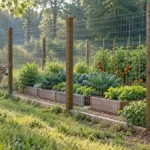
Use placement zones before buying plants. A seat zone holds calming scent and touch. Along the path, brushing herbs and low edging create slow contact. Near the kitchen, harvest herbs stay visible and useful. Dry Mediterranean herbs belong in a sunnier edge, with mint, lemon balm, and aggressive growers kept in a container-only zone.
| Placement Zone | Herbs That Fit | Mindfulness Function | Design Check |
|---|---|---|---|
| Beside a chair | Lavender, rosemary, scented geranium, thyme, mint in a pot | Hand-level scent cue for breathing, reading, or short pauses | Leaves should be reachable from the seat without standing |
| Path edge | Thyme, chives, oregano, dwarf sage, calendula | Touch and scent during slow walking | Keep plants low enough that they do not catch ankles |
| Kitchen doorway | Basil, parsley, chives, mint in a pot, cilantro in cool seasons | Quick harvest cue tied to meals and tea | Keep snips and a small watering can nearby |
| Sunny dry edge | Lavender, rosemary, thyme, sage, oregano | Low-maintenance scent and silver-green visual calm | Use gritty drainage and lighter watering |
| Moist herb pocket | Basil, parsley, chervil, cilantro, chives | Leaf harvest and visible growth changes | Separate from lavender and rosemary watering patterns |
| Container-only corner | Mint, lemon balm, bee balm where aggressive, scented geranium in cold climates | Strong scent and tea harvest with root control | Use pots with drainage and inspect runners |

Build A Five-Minute Herbal Mindfulness Loop
A herbal mindfulness garden should be easy to use on ordinary days. The loop can be brief: arrive, touch one plant, notice one scent or texture, do one care task, and leave before the garden becomes a list. Repetition matters more than duration.
Herbs suit short loops because they need regular small attention. Basil needs pinching. Mint needs cutting. Lavender needs flowers checked. Rosemary needs dry soil observed before watering. Thyme needs a light trim after bloom. These tasks are small enough to finish in one visit.
| Mindful Herb Loop | How To Do It | Best Herbs | Stop Point |
|---|---|---|---|
| Scent pause | Rub one leaf gently, breathe once, name the scent without judging it | Rosemary, thyme, lavender, mint, lemon balm | After one plant |
| Root-zone watering | Check soil depth, water only the plants that need it, keep the stream quiet | Basil, parsley, mint pots, container herbs | After the planned pots drain |
| Tea harvest | Clip a small clean harvest, place it in one bowl, and leave enough growth | Mint, lemon balm, chamomile, anise hyssop | After one cup’s worth |
| Pinch and shape | Pinch basil or trim thyme above a leaf node with attention on scent and stem texture | Basil, thyme, oregano, lemon balm | After one handful of cuttings |
| Observation walk | Walk the same short route and notice leaf posture, bloom stage, insect visits, and soil surface | Any herb group | After one full pass |
| Drying ritual | Bundle a few clean stems, label them, and hang them in an airy place | Mint, thyme, oregano, sage, lavender | After one labeled bundle |
Daily gardening routines for mindful relaxation work best when the task has a clear edge. Herbal routines give that edge naturally because the harvest, pinch, scent, or watering check can stay small.

Use Harvest, Tea, And Scent With Safe Boundaries
Herbal mindfulness can include tea, cooking, drying, bath sachets, and scent rituals. Treat the garden as sensory contact, routine, light harvest, and relaxation support. Herbs can interact with allergies, medications, pregnancy, pets, and personal sensitivities, so any therapeutic use needs qualified personal guidance.
Safety starts with labels. Use common and botanical names when a plant is meant for tea or food. Keep edible herbs separate from ornamental plants, sprayed plants, toxic plants, and unknown volunteers. Do not harvest from a plant unless identity, growing conditions, and intended use are clear.
| Use | Mindful Value | Safe Boundary |
|---|---|---|
| Fresh tea | Harvest, rinse, steep, and sit with one scent and taste | Use correctly identified edible herbs and avoid strong claims about health effects |
| Cooking garnish | Connects garden attention with a meal | Harvest only clean leaves from plants grown with food-safe care |
| Dried bundles | Creates a seasonal closing ritual | Dry in a clean airy place and discard moldy material |
| Scent bowl or sachet | Brings the garden cue indoors | Keep strong scents away from people with fragrance sensitivity |
| Bath or steam use | Can feel ceremonial and soothing | Patch-test, avoid irritating herbs, and skip any herb that causes skin or breathing discomfort |
| Children’s sensory use | Supports smell, touch, and safe picking | Use non-toxic plants, clear labels, supervision, and simple edible zones |
Healing and wellness gardens use the same restraint: plants support routine, sensory ease, and a calm setting, with treatment advice left to qualified personal guidance.
Prevent The Problems That Break Calm
Most herbal mindfulness gardens fail through ordinary horticulture. The plants are mismatched, the watering is confusing, the harvest zone is far away, mint escapes, or the gardener buys too many herbs at once. Calm comes from a garden that remains legible.
Keep the first plant list small. Group herbs by water need. Put spreaders in pots. Label harvest plants. Cut herbs before they become woody or floppy. Leave open space around the seat so the garden feels restful and uncrowded.
| Problem | Why It Breaks The Practice | Better Move |
|---|---|---|
| Mint or lemon balm spreading through the bed | The calming plant becomes a removal task | Grow spreaders in containers from the first day |
| Lavender, rosemary, or thyme in wet soil | Roots decline and the plant looks stressed | Use sunny containers, raised edges, gravelly mix, or a dry border |
| Basil wilting in a tiny pot | The herb demands rescue watering | Use a larger pot, even moisture, and morning checks |
| Too many strong scents beside the seat | The sensory cue becomes heavy | Choose one main scent and keep other herbs farther away |
| Unlabeled tea herbs | Harvest becomes uncertain | Label every edible herb and keep unknown seedlings out of the tea zone |
| Overharvesting for rituals | Plants weaken and the garden loses its cue | Harvest lightly and rotate among plants |
Mindful observation in gardening helps here because the herb garden gives fast feedback. Leaf scent, soil moisture, stem stiffness, flower stage, and insect visits all show whether the routine is supporting the plant or adding pressure.
Conclusion
A herbal garden for mindfulness works when herbs become reachable cues for attention. Scent, touch, watering, pruning, harvest, tea, and seasonal change give the mind something small and physical to follow. The layout matters because a plant across the yard is less likely to become part of a daily practice than a pot beside the seat or door.
Start with one cue, one place, and a few well-matched herbs. Keep spreaders contained, label edible plants, separate dry and moist herb groups, and let the garden stay small enough to use often. When the herb garden is built around repeat contact, ordinary care becomes the calming practice.
FAQ
What herbs are good for a mindfulness garden?
Lavender, rosemary, thyme, mint in a container, lemon balm in a container, chamomile, basil, sage, chives, parsley, oregano, and scented geranium can all work. Choose herbs by scent, touch, harvest, care need, and safe placement.
How do herbal gardens support mindfulness?
Herbal gardens support mindfulness by giving attention a physical cue: scent, leaf texture, soil moisture, harvest timing, pruning rhythm, or tea preparation. The practice works best when the task is short, repeatable, and close to daily life.
Can I make a herbal mindfulness garden on a balcony?
Yes. Use a few containers with enough soil volume for stable moisture. A balcony herbal mindfulness garden can include mint in its own pot, basil, chives, rosemary, thyme, or scented geranium, depending on sun and wind exposure.
Should mindfulness herbs be planted together?
Plant herbs together only when their water, light, and soil needs match. Lavender, thyme, rosemary, sage, and oregano fit a dry sunny group. Basil, parsley, chives, and mint prefer steadier moisture, with mint kept in its own container.
Can herbs for relaxation be used as medicine?
Treat homegrown herbs as sensory, culinary, or tea plants unless a qualified health professional gives personal guidance. Some herbs can cause harm or interact with prescription and over-the-counter medicines, and extra caution is needed around pregnancy, pets, allergies, and personal sensitivities.
How much time does a mindfulness herb garden need?
A mindfulness herb routine can take 5 minutes. Touch one herb, smell one leaf, check soil, clip a small harvest, or prune one stem. Longer sessions are fine, and the garden should still support short contact on ordinary days.