
Last Updated May 08, 2026
Rare and unusual plants for specialty gardens work best when they add a clear visual role and still match the real conditions of the site.
Buying for rarity alone creates weak specialty gardens because the plant’s role, size, climate tolerance, and maintenance demand still control the result. A collector plant that needs swamp humidity dies in a sunny border. A spectacular tree planted six feet from a patio turns the whole bed into shade. A novelty edible never fruits because the basic strawberry rules were ignored.
The strongest specialty gardens separate true outdoor anchors from seasonal container plants, edible curiosities, and conservatory-level specimens. Separating those categories prevents conservatory specimens, edible novelties, and landscape anchors from competing in the same decision set.
Plant selection for rare and unusual plants should account for climate, drainage, mature size, maintenance load, and the exact effect you want the plant to create. Rare does not cancel the site rules. It exposes them faster.
Key Takeaways:
- Choose unusual plants by garden role before buying for shock value
- Separate outdoor anchors from collector plants that need protection
- Use containers for tender rarities and high-maintenance experiments
- Screen mature size, winter hardiness, and drainage before rarity
- Buy nursery-propagated stock and avoid wild-collected material
Table of Contents
What Rare Plants Need To Do In A Real Specialty Garden
A rare plant still has to earn its space. It should create one of a few clear effects: architectural structure, strange flowers, unusual movement, tactile interaction, edible novelty, or collector-level curiosity that a normal border cannot deliver.
That matters because the rare-plant category hides very different kinds of gardening. Monkey Puzzle Tree can become a permanent landscape anchor in the right maritime climate. Pineberry belongs in an edible curiosity bed. Sensitive Plant is better as an interactive seasonal accent than as the backbone of an outdoor planting. Corpse Flower and Ghost Orchid are famous for good reason, though both sit much closer to conservatory gardening than to average foundation planting.
Rarity can come from true cultural difficulty, limited nursery production, slow growth, conservation status, or weak mainstream demand, even when the plant grows well in the right climate. That is the split worth understanding before the shopping starts.
Best Unusual Plants By Garden Role
Garden role should come first because a dry trough, a collector courtyard, an edible border, and a cool-climate focal lawn do not need the same kind of rarity.
| Plant | Best role | Where it works best | What makes it unusual | Main caution |
|---|---|---|---|---|
| Corpse Flower (Amorphophallus titanum) | Collector spectacle plant | Conservatory, greenhouse, very warm protected court | Huge inflorescence and carrion scent | Not a typical outdoor perennial for most U.S. gardens |
| Ghost Orchid (Dendrophylax lindenii) | Conservation-minded collector plant | Expert orchid culture, high-humidity protected growing | Leafless, root-photosynthesizing epiphyte with hovering white bloom | Extremely narrow cultural range and ethical sourcing concerns |
| Sensitive Plant (Mimosa pudica) | Interactive patio or sensory specimen | Warm-season container, frost-free seasonal bed | Leaves fold in response to touch | Tender in cold climates and not suitable for every region |
| Rainbow Hedgehog Cactus (Echinocereus rigidissimus) | Rock garden or cactus-bowl accent | Dry beds, troughs, sharply drained containers | Pink-banded spines and vivid flowers | Rot risk rises fast in wet soil |
| Pineberry | Edible novelty plant | Raised beds, kitchen garden edges, decorative berry rows | White fruit with red seeds and pineapple note | Still needs real strawberry care and bird protection |
| Monkey Puzzle Tree (Araucaria araucana) | Architectural focal tree | Cooler maritime gardens, larger lawns, collector landscapes | Ancient-looking spiny branching structure | Too large and too sharp for small casual placements |
| Black Bat Flower (Tacca chantrieri) | Tropical shade showpiece | Humid patio, shade house, frost-free container display | Dark winged flowers with whisker-like bracts | Needs warmth and humidity most gardens do not offer outdoors |
| Finger Lime | Edible collector shrub | Warm climate, protected patio, large container | Citrus pulp that bursts like caviar | Cold sensitivity and thorny branching need planning |
These plants should not be treated as equal purchases. Some are permanent landscape material, some are seasonal experiments, and some are best treated as living curiosities for serious collectors.
Spectacle Flowers, Collector Orchids, And Interactive Plants
Corpse Flower (Amorphophallus titanum)
Corpse Flower is one of the most famous botanical spectacle plants in the world, and that fame can mislead home gardeners. Titan arum can take five to ten years to reach a first bloom, and the peak odor window may last only about a day, which makes it a long-cycle display specimen, not a quick-return garden feature.
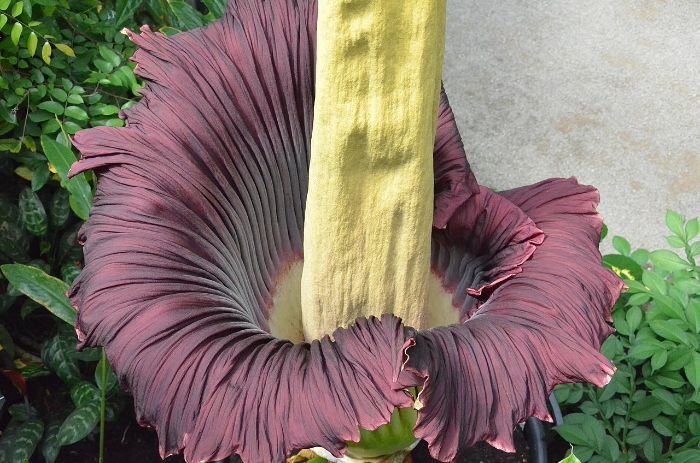
In outdoor design terms, Corpse Flower belongs in a collector setting with serious warmth, humidity, and winter protection. In most of the United States, it functions more realistically as a greenhouse or conservatory subject that can spend time outdoors only under carefully controlled summer conditions.
Ghost Orchid (Dendrophylax lindenii)
Ghost Orchid earns its mystique honestly. The plant is leafless, photosynthesizes through its roots, and in nature attaches itself to trees in very humid swamp systems. Ghost Orchid should be treated as a conservation-sensitive plant before any home-growing discussion begins; its proposed endangered status, published June 5, 2025, reinforces the need for legal, nursery-propagated, specialist-sourced material only.
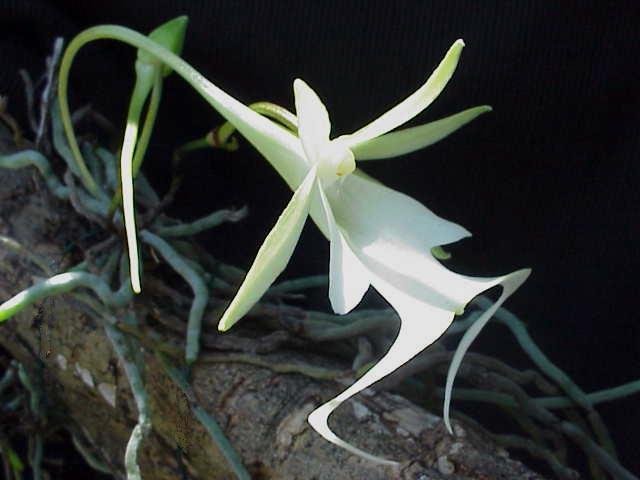
Its place in specialty gardening is narrow: expert orchid culture, mounted growing, high humidity, filtered light, and a collector willing to accept that success is fragile. If the goal is a strange plant for a protected shady patio, less exacting shade-loving plants usually make better outdoor choices.
Sensitive Plant (Mimosa pudica)
Sensitive Plant is the most immediately interactive plant in this group. Touch the leaflets and they fold, then reopen later. That response gives it real value in educational beds, collector patios, and sensory garden planting, where the point is active experience, not a static flower display.
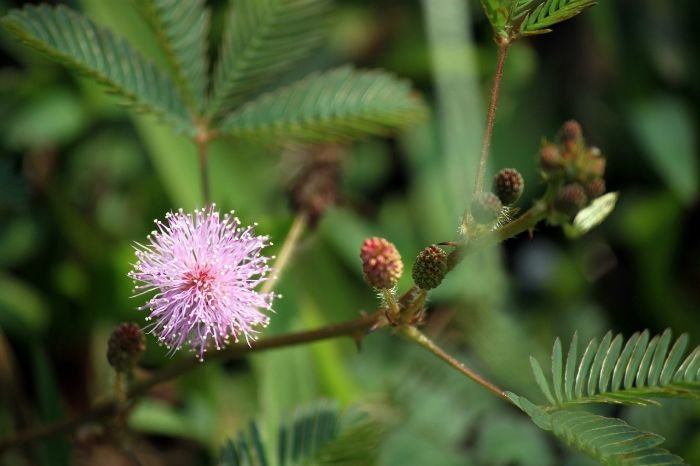
It also behaves more like a seasonal or warm-climate specialty plant than a long-term hardy structural plant. In many regions it is smarter in pots, where the plant can be moved, observed closely, and removed cleanly when temperatures fall. In parts of Florida it is treated cautiously, which is another reason containers make sense.
Dry-Garden, Edible, And Architectural Oddities
Rainbow Hedgehog Cactus (Echinocereus rigidissimus)
Rainbow Hedgehog Cactus is one of the most satisfying unusual outdoor plants when the drainage is right. Its banded spines show each year’s growth like contour lines, and the bright flowers give it more presence than many small cacti. It works especially well in troughs, gravel beds, and the sharper end of rock garden planting.
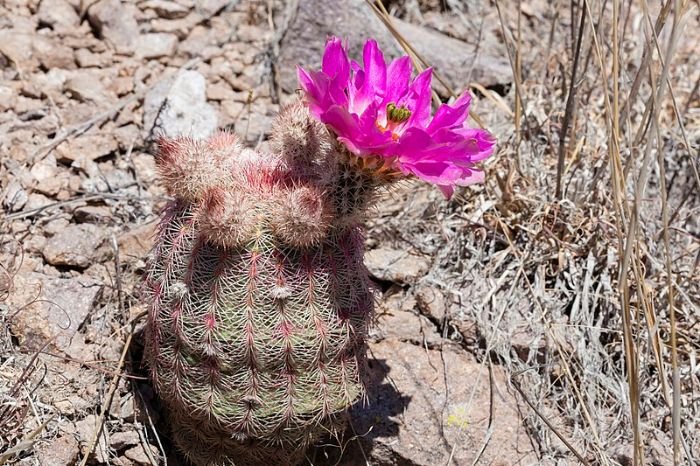
Wet winter soil ruins the effect fast. This is a plant for mineral drainage, bright exposure, and restraint with water. In rainy climates, a container or alpine house usually gives better odds than an open border.
Pineberry
Pineberry earns space for flavor and appearance at once. The fruit stays pale to white, carries red seeds on the surface, and adds the kind of double-take moment that makes an edible border memorable. It belongs less in a novelty basket and more in a carefully planned edible landscaping scheme, where berries are meant to look good as well as taste interesting.
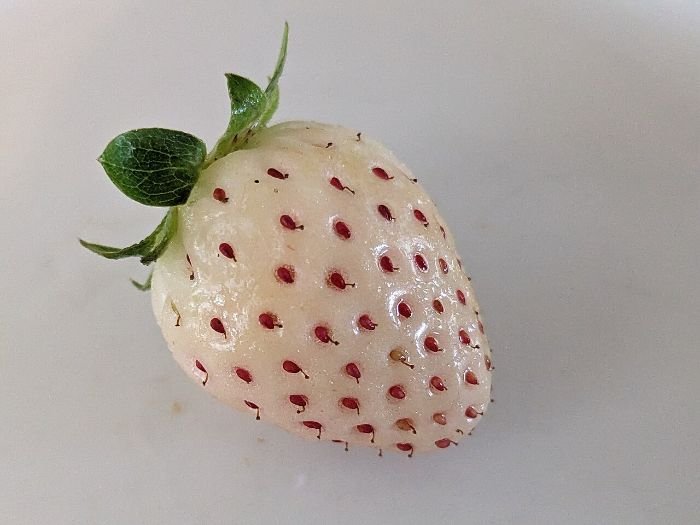
Treat Pineberry like a real strawberry crop, not a collector toy. It still wants sun, decent soil, moisture consistency, and room to produce runners. A rare edible that fruits poorly because the bed was treated casually stops being charming very quickly.
Monkey Puzzle Tree (Araucaria araucana)
Monkey Puzzle Tree is the rare plant for gardeners who want one decisive gesture and not ten smaller curiosities. It is one of the tougher collector conifers for mild maritime climates, where its rigid branching and prehistoric silhouette can read as intentional rather than eccentric. Juveniles look almost surreal, with stiff, armored branches arranged around a straight trunk. Mature specimens become even more commanding.
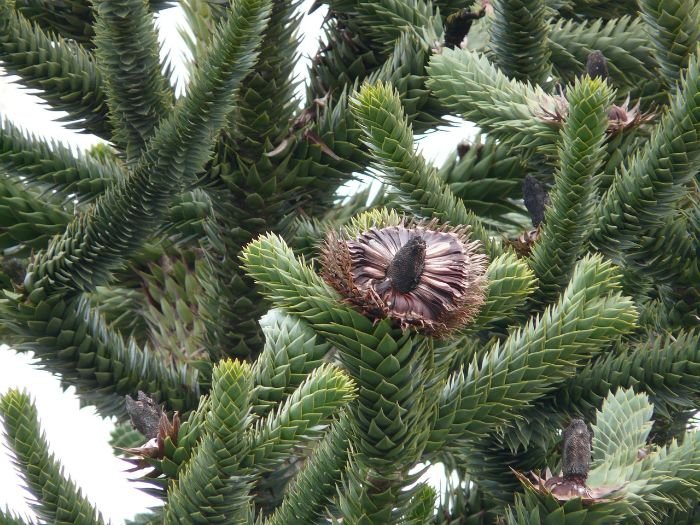
I often notice that gardeners buy unusual trees as collector objects and forget that a good one becomes the whole composition within a decade.
Monkey Puzzle works best where the site has real scale. Give it open sky, room away from walkways, and a climate that does not punish it with brutal heat and humidity. In a small yard, it can feel less like drama and more like a spined obstacle.
Containers, Protected Pockets, And Outdoor Experiments
Containers are where many rare plants become realistic. They let you control drainage, shelter, winter storage, and display position in a way open ground cannot. That matters for tender rarities, humidity lovers, and anything you are still testing against the climate.
Black Bat Flower, Sensitive Plant, Finger Lime, tender orchids, and some collector succulents all make more sense in pots than in permanent beds for much of the country. Container plant choices still depend on root room, heat buildup, drainage, and watering consistency, and unusual plants expose those limits faster because many have less tolerance for missed watering or cold root shocks.
Use the USDA Plant Hardiness Zone Map as the first climate filter, then narrow the decision with humidity, winter wet, summer heat, and wind. A plant rated hardy to your zone can still fail if the roots sit wet all winter or the air stays too dry through the growing season.
Pro Tip: Put heavy collector containers on rolling saucers before the plant outgrows easy lifting. Rare plants fail fast when moving them becomes such a chore that you delay shade, frost, or storm protection.
Container growing makes rare-plant experiments easier to control. A rare plant in a pot can be brilliant even if it never earns permanent in-ground status. That is still a success if the display is deliberate.
Choose The Right Unusual Plant For Your Specialty Garden
A good specialty garden does not try to host every kind of rarity at once. Match the plant to the type of specialty space you are actually building.
| Garden situation | Best unusual plant direction | Why it works | Main watchpoint |
|---|---|---|---|
| Small patio or balcony | Sensitive Plant, Finger Lime in a container, small cactus troughs | Interaction and novelty stay close to daily use without overwhelming the space | Wind, root heat, and missed watering are amplified in pots |
| Dry rock garden or alpine trough | Rainbow Hedgehog Cactus, lithops, compact succulents | Strange form and strong texture fit the lean, mineral look naturally | Wet soil ruins the effect faster than cold alone |
| Edible curiosity border | Pineberry, Finger Lime where climate allows, unusual herbs | The plants contribute both conversation value and harvest interest | Novelty fruit still needs disciplined care and netting |
| Large collector landscape in a mild climate | Monkey Puzzle Tree plus one or two smaller rare companions | One strong focal specimen gives the garden a signature silhouette | Do not crowd it with too many competing oddities |
| Protected shade house or humid courtyard | Black Bat Flower, unusual foliage exotics, selected orchids | Shelter lets more tender rarities perform without constant stress | Warmth and humidity still need consistency |
| Conservatory or expert collector setup | Corpse Flower and Ghost Orchid | This is where the rarest spectacle plants can be grown responsibly | These are collector plants, not casual outdoor purchases |
Corpse Flower and Ghost Orchid define the upper end of rarity, so they belong with conservatory or expert collector plants, not normal landscape purchases for an average yard.
Common Mistakes That Make Rare Plants Feel Random
The biggest mistake is treating every unusual plant as a specimen plant. A specialty garden gets stronger The biggest mistake is treating every unusual plant as a specimen plant. A specialty garden gets stronger when only one or two plants carry the focal role and the rest support that mood through texture, scale, and spacing.
- Buying by shock value alone, with no plan for scale, climate, or placement.
- Forcing humidity-loving rarities into dry open beds because the flower looked irresistible.
- Ignoring mature size on rare trees and shrubs.
- Using sharp, thorny, or spined plants too close to paths and seating.
- Mixing ten unrelated oddities until the whole garden reads like a collection bench, not a designed space.
- Choosing questionable material over nursery-propagated stock, especially with protected or conservation-sensitive plants.
For conservation-sensitive plants, buy only nursery-propagated material from reputable specialist growers. Rarity should never depend on wild collection, unclear import status, or plants removed from protected habitats.
Rare plants look better when they are edited. One weird plant can feel unforgettable. Twelve weird plants with no shared logic usually feel restless.
Conclusion
The best rare plants for specialty gardens are the ones that create a distinct role and still perform in the conditions available. They give the space a distinct personality without asking the site to become something it is not.
A Pineberry bed, a Rainbow Hedgehog Cactus trough, or a well-sited Monkey Puzzle Tree may do more real work in an outdoor garden than a famous plant that truly belongs in a conservatory. Match rarity to role, scale, climate, and maintenance, and the garden gains a clear focal logic instead of a scattered collector-bench effect.
FAQ
What makes a plant good for a specialty garden?
A good specialty-garden plant adds a distinct effect that ordinary plants do not, then holds that effect in the real conditions of the site. Form, texture, flower shape, interaction, edible novelty, or rarity all count. The plant still has to fit the climate, scale, and maintenance rhythm of the garden.
Are rare plants always harder to grow?
No. Some are difficult because they need narrow humidity, temperature, or drainage conditions. Others are simply less common in the nursery trade. Monkey Puzzle Tree is odd-looking, though not inherently impossible where the climate suits it. Ghost Orchid is a different level of difficulty entirely.
Can Corpse Flower be grown outdoors at home?
In most U.S. gardens, not as a normal permanent outdoor plant. Corpse Flower is better understood as a conservatory or greenhouse specimen with very warm, humid requirements and a long wait between major bloom events.
Can Ghost Orchid be grown in an ordinary garden bed?
No. Ghost Orchid is a leafless epiphyte tied to very specific humid swamp conditions and expert culture. It is closer to conservation and specialist orchid growing than to ordinary landscape gardening.
Which unusual plant is easiest for beginners?
Pineberry and, in the right dry setup, Rainbow Hedgehog Cactus are usually more realistic beginner choices than the famous collector exotics. Sensitive Plant is also approachable as a warm-season container experiment if the goal is interaction and seasonal interest.
Are unusual plants better in containers or in the ground?
That depends on climate fit and risk. Tender collector plants, humidity lovers, and anything you may need to move are usually better in containers. Hardy structural plants with real scale, such as Monkey Puzzle Tree, are better in ground once you are sure the site is right.
Which unusual edible plant is the strongest choice for most gardeners?
Pineberry is the simplest edible novelty for most gardeners because it follows familiar strawberry habits and still looks different enough to surprise visitors. Finger Lime adds more culinary drama, and it needs a warmer climate or container strategy.
Can Monkey Puzzle Tree work in a small yard?
Only if the yard is still large enough to treat the tree as a long-term focal specimen with real clearance. In tight spaces, its eventual size and stiff spined branching make it a risky purchase, even if the juvenile plant looks manageable.