


Updated April 23, 2026
June garden work depends on six repeating jobs: maintaining structure, soaking the root zone, scouting leaves, harvesting on time, resetting open ground fast, and sowing again while the season still allows it. These jobs keep heat, pests, and crop maturity from compounding into July problems.
Tie, stake, thin, deadhead, inspect containers, and sow short successions while growth is still manageable. Then keep roots supplied, catch pests early, pick cool-season crops before quality drops, and rework open strips before weeds and surface crusting take over.
June Gardening Checklist At A Glance
Maintain
- Tie tomatoes, cucumbers, pole beans, and tall flowers before stems lean, kink, or rub through crowded foliage
- Thin crowded seedlings early, deadhead repeat bloomers, and pinch basil or soft annuals above a leaf node to keep side growth moving
- Inspect containers and hanging baskets every day in sun and wind because small root zones and warm pot walls dry first
Water
- Probe the soil about 2 inches down before irrigating beds and 3-4 inches down for larger established crops
- Water early in the day and soak deeply enough that moisture moves below the surface crust instead of stopping in the top inch
Scout
- Flip leaves every 2-3 days on tomatoes, cucumbers, beans, eggplant, brassicas, and tender annuals
- Catch sticky aphid colonies, flea beetle shot holes, and mite stippling while damage is still local
Harvest
- Pick peas, lettuce, spinach, radishes, herbs, strawberries, and broccoli side shoots before heat or size ruins texture
- Harvest in the morning when tissues are firm, cool, and full of water pressure
Reset
- Clear spent rows fast, top-dress with compost, and replant or mulch before bare soil bakes and weeds germinate
- Give second crops and fresh sowings immediate shade or even moisture if a hot spell lands right after planting
Sow again
- Use open strips for beans, basil, dill, beets, carrots, or other short successions that still fit your frost window
Table of Contents
June Gardening Tasks Timing – Start With Heat, Humidity, And Crop Maturity
Start each June week with three checks: soil moisture, leaf condition, and crop maturity. A mild stretch favors thinning, tying, deadheading, and short successions. The first dry heat spell shifts priority to irrigation, containers, and mulch. A humid week after rain pushes leaf-by-leaf scouting and airflow cleanup to the front of the list.
| June condition | What moves first | What to avoid |
|---|---|---|
| Mild early June with cool nights | Thin direct-sown crops, tie supports, harvest cool-season beds, and sow short successions | Assuming every cool-season crop is already finished just because the calendar says June |
| First hot, dry stretch | Deep irrigation, mulch touch-up, and shade or extra attention for transplants and containers | Shallow daily sprinkling that wets the surface and leaves the lower root zone dry |
| Humid week after rain or overhead watering | Leaf-by-leaf scouting, airflow cleanup, and quick removal of damaged lower foliage | Letting dense canopies stay wet and assuming pest pressure will stay minor |
| Bed opens up after peas, lettuce, spinach, or radishes | Clear residue, top-dress, replant, or mulch the same week | Leaving bare soil exposed to crust, weeds, and moisture loss |
Containers, hanging baskets, and raised beds hit each June phase sooner than in-ground beds because their soil volume is smaller and warms faster. Heavy in-ground soil holds moisture longer, but it can still dry hard on top and crack while the lower root zone stays cool.
Seasonal garden care becomes more time-sensitive in June: support fast growth before stems harden, keep roots supplied before wilt turns chronic, and clear finished rows before bare soil becomes extra summer work.
Maintain Growth In June – Tie, Thin, Deadhead, Check Containers, And Sow Again
Handle June support work before stems harden and before spent growth starts diverting energy into seed. Tie tomatoes, cucumbers, beans, and tall flowers while stems still bend cleanly, deadhead repeat bloomers before petals brown down into the canopy, and check containers before one hot day turns a mild deficit into full wilt.

Support and thin before the canopy closes
Tomatoes, cucumbers, pole beans, dahlias, cosmos, snapdragons, and other tall June growers need ties, stakes, cages, or netting adjusted while stems are still flexible. Thin crowded carrots, beets, lettuce, basil, and flower seedlings before roots and leaves start competing hard for the same pocket of water and light. On tomatoes, remove the worst lower leaves that already touch mulch or crowd the stem base so splash and trapped humidity do not linger there. Airflow improves right away.
Deadhead and pinch where regrowth matters
Repeat-blooming annuals, basil, zinnias, salvia, and many cut flowers keep producing when you cut above a leaf node or remove fading blooms before seed set. Auxin movement and carbohydrate flow shift with each cut. The plant responds by pushing side shoots and new buds instead of finishing the stem and stopping there.
Watch pots and use empty strips quickly
Full-sun pots and hanging baskets may need water more than once a day in June. That small soil volume also means nutrients wash through faster, so pale new growth or weak flowering in containers may point to both water loss and light feeding needs. The same week, open strips from finished greens or radishes are the right place for a second sowing of beans, dill, basil, beets, or carrots when the season length still supports them.
Water In June – Soak The Root Zone Before Leaves Beg For It
In the vegetable garden, soil that is dry about 2 inches below the surface needs irrigation. Push a finger in, or use a trowel where the crust is hard. Moist soil at that depth feels cool and slightly cohesive. Dry soil feels warm, loose, and faintly gritty, with no resistance holding it together.
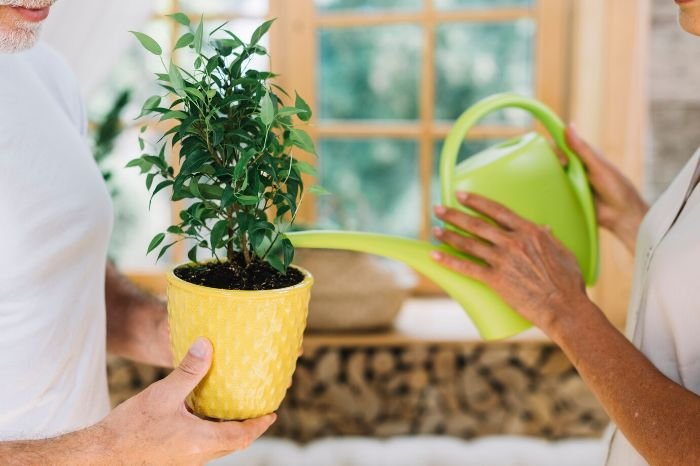
That root-zone read matters more than midday wilt alone. Leaves can sag in afternoon heat even when water is still available because stomata close to slow transpiration. A plant that perks back up by evening does not need the hose yet. A plant that stays dull, folded, or gray-green by morning is telling you the reservoir is running out.
Different June beds dry at different speeds
- Containers and hanging baskets lose water fastest because hot pot walls and fine root zones heat up quickly. Full-sun pots need inspection once in the morning and again late in the day during wind or high heat.
- Raised beds and sandy ground drain fast and benefit from slower, deeper soakings that move water below the top dry band.
- In-ground loam or clay holds water longer, so longer intervals are better than frequent surface wetting that trains roots upward.
Use depth, not frequency, as the target
Morning watering remains the cleaner June habit because leaves dry faster and root uptake begins before the hottest part of the day. Deep irrigation also pulls roots downward. Shallow evening splashes do the opposite. They leave the upper inch damp, raise humidity near foliage, and keep feeder roots crowding the very layer that cooks first under sun and wind.
After watering newly planted woody plants, dig a small hole to confirm moisture has reached roughly 6 inches down. The same logic helps with vegetables and flowers: verify penetration instead of assuming the hose did the job. Underwatering in garden plants and identifying signs of overwatering in plants depend on separating drought stress from waterlogged roots.
Mulch belongs in the June water plan too. A 2-3 inch layer over weed-free soil slows evaporation and lowers surface temperature swings, but only if it goes onto soil that is already moist. Dry soil under fresh mulch stays dry longer than most gardeners expect. Mulching for soil health depends on moist soil, surface protection, and reduced evaporation.
Pest Management In June – Scout Before Small Problems Become Populations
June pest management is mostly a scouting problem. Aphids can produce live young without the slow egg-to-adult delay gardeners imagine. Spider mites favor hot dry foliage and build below eye level on leaf undersides. Flea beetles scar young leaves long before the plant has enough canopy to shrug them off. Once populations spread across the bed, every treatment gets slower and less precise.
| What you see first | Most likely pressure | First move |
|---|---|---|
| Curled sticky tips, clustered insects, and ants moving up stems | Aphids | Blast colonies off with water, pinch out the worst tips, and respond before honeydew spreads |
| Pale stippling, dusty leaves, and fine webbing on undersides | Spider mites | Rinse undersides, remove badly infested leaves, and correct drought stress that speeds reproduction |
| Tiny round shot holes in eggplant, brassicas, or young greens | Flea beetles | Protect young plants early and keep growth moving so leaves outpace the feeding |
| Ragged chewing plus dark pellets on leaves or in heads | Caterpillars | Handpick while numbers are still small and inspect inner leaves before damage disappears into the canopy |
June gardening tips and tasks should account for flea beetles and early tomato leaf spots at this point in the season. In June, water stress, insect feeding, and leaf wetness start stacking instead of arriving one at a time.
Base irrigation, mulch, better airflow, and quick removal of badly infected lower tomato leaves all reduce disease splash. On the insect side, do not wait for whole-bed damage before you respond. The first sticky aphid cluster, the first mite stippling, and the first shot-hole pattern are the cheap moment to act. Once neighboring plants start carrying the same signature, the job gets larger fast.
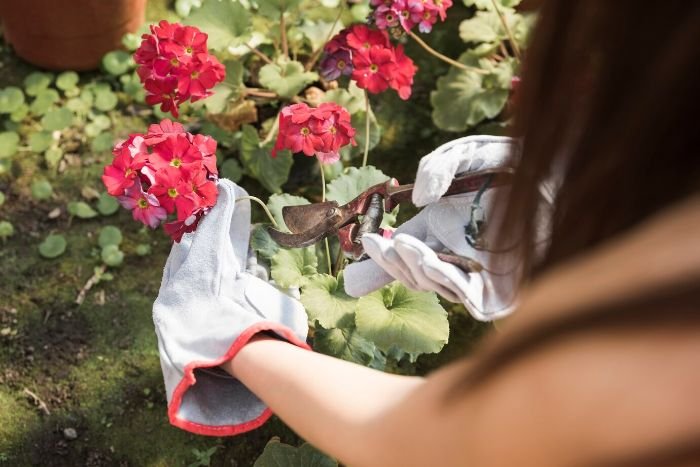
Dense planting and overfed, soft new growth invite more pressure in June. Mixed beds and diversified planting help a little, but they do not replace leaf-by-leaf scouting once the month turns hot. If sticky colonies or mite stippling keep returning, managing aphids organically and spider mite control become the next move.
Harvest Early Crops Before Heat Turns Them
June harvest quality drops faster than gardeners expect. Peas can decline from prime to starchy within 1-3 days after maturity. Lettuce and spinach also lose tenderness quickly once higher temperatures and longer days push the plant toward bolting. The same bed that looked leisurely in May becomes time-sensitive in June.
| Crop or group | Best June harvest cue | Wait too long and you get |
|---|---|---|
| Peas | Pods are full size, sweet, and still thin-skinned | Starchy peas, tougher skins, and flat flavor |
| Lettuce and spinach | Leaves stay tender and the center is not stretching upward | Bitterness, tipburn, and bolting |
| Radishes | Shoulders are smooth and firm right at the soil line | Pithy roots and hotter flavor |
| Broccoli and basil | Side shoots stay tight and basil stems are cut above a leaf node | Loose flowers, woody stems, and slower regrowth |
| Strawberries | Fruit is fully colored, dry on the surface, and slips free with a small cap | Soft berries, slug or ant damage, and fast mold |
Pick in the cool of morning when cells are full of water pressure and the crop still carries its clean snap. A sugar snap pea at that hour breaks crisp and juicy. That same pod, left through a hot afternoon and another day on the vine, turns mealy and dull. Harvest frequency is part of crop quality in June, not just part of tidiness.
Whole-plant harvest is often the right June choice for bolting greens. Once lettuce centers elongate or spinach sends up a flower stalk, tenderness does not return. Clear the row, cool what you pick, and move on. Daily picking also keeps herbs leafy, strawberries cleaner, and broccoli producing side shoots instead of one finished head.
After Harvest In June – Reset Open Beds Before They Turn Into Dry Weedy Space
Empty June soil loses momentum fast. Bare ground heats hard, evaporates water faster than planted beds, and opens a clear lane for summer annual weeds. Without living roots releasing exudates into the rhizosphere, soil aggregates also lose some of the glue that keeps the surface crumbly. That is why an open bed can go from tidy to crusted in less than a week.
Good June reset moves
- Pull finished crops as soon as quality drops, then remove diseased residue instead of digging it back through healthy soil
- Top-dress with compost or a light balanced feed before a second crop so the next planting does not inherit a depleted strip
- Replant quickly with beans, basil, dill, cucumbers, bush squash, or another climate-appropriate summer crop, or hold the space for fall vegetables if your frost window and heat pattern favor a later sowing
- If you are not replanting right away, water the bed and mulch it instead of leaving bare soil exposed
After harvesting early crops such as greens, radishes, peas, and spinach, gardeners can move into midsummer sowing for fall harvest. That is the June advantage: protect turnover speed instead of letting finished rows sit still.
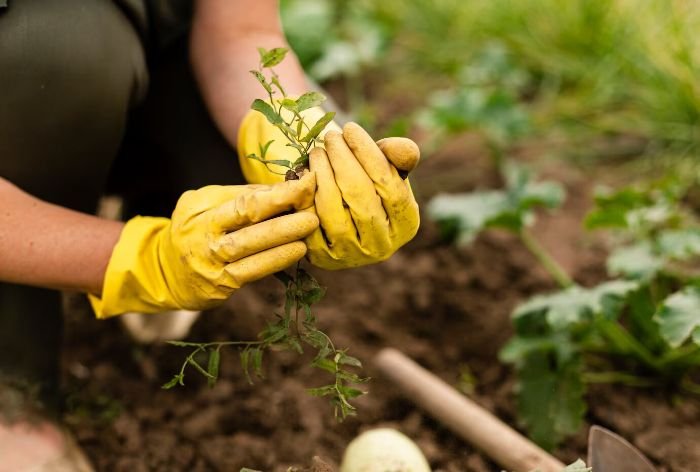
When the problem is recurring crusting, runoff, or water disappearing from the surface without soaking in, soil health improvement should come before another emergency watering pass. June exposes structure problems because the weather pushes every weak spot harder.
June Mistakes That Cost You July Growth
June slowdowns usually build through delay, not one dramatic failure. A crop is not ruined in a day. It gets watered shallowly for a week, harvested late three times, or left infested just long enough for a small colony to spread.
| June move | July penalty | Better June decision |
|---|---|---|
| Water lightly every evening because the surface looks dry | Shallow roots, damp foliage, and faster drought stress in the next heat wave | Soak deeper and verify that moisture moved below the first dry inch |
| Ignore the first aphids, mites, or flea beetle scars | Population spread across the bed before response begins | Act while the damage is still limited to a few leaves or one plant section |
| Leave peas, lettuce, spinach, or radishes in place past prime | Starchy, bitter, or pithy harvests plus blocked space for the next crop | Pick aggressively and clear rows on time |
| Clear a bed and leave it bare until next weekend | Crusting, weeds, and lost succession time | Replant or mulch the same week |
| Strip mulch away because the surface looks dark after one rain | Hotter root zone and faster evaporation once the top dries again | Inspect below the mulch before changing a system that is still doing its job |
June punishes drift because heat, insects, and crop maturity all compound together. The month rewards gardeners who revisit the same few beds often, not gardeners who wait for one big weekend catch-up.
Conclusion
June gardening works when support work, water depth, leaf scouting, harvest timing, and bed reset stay in the same weekly loop. Tie and thin while stems are still easy to handle, soak the root zone before stress shows, catch pest pressure while it still sits on a few leaves, harvest cool-season crops before heat changes their texture, and put cleared ground back to work before the sun and weeds claim it.
FAQ
How often should I water the garden in June?
Not by calendar. Probe the soil first. Beds that are dry about 2 inches down need water. Containers may need checks every day in hot weather, while heavier in-ground beds can hold much longer after one deep soak. Morning depth beats evening sprinkling.
What pests are most common in June gardens?
The first June problem is usually not the insect you notice flying. It is the damage pattern on the underside of the leaf. Aphids, flea beetles, spider mites, and caterpillars rise fast this month, and humid gardens also begin showing tomato leaf spots and mildew where foliage stays wet. Scout by symptom first, then confirm the culprit.
What should I harvest in June?
Peas, lettuce, spinach, radishes, strawberries, scallions, herbs, and early broccoli side shoots are the crops most likely to move from prime to disappointing inside a single week. Once peas taste starchy or lettuce starts stretching upward, the harvest window is already closing. Pick more often than feels necessary.
Is morning or evening better for watering in June?
Morning is better. The root zone is cooler, foliage dries faster, and less water is lost to heat than at midday. Evening watering still works when water stays off the leaves and crown, but late splash irrigation leaves too much moisture sitting where disease starts.
What should I do after peas or lettuce finish?
If peas, lettuce, or spinach are done because heat is arriving, clear the bed right away, remove rough residue, top-dress lightly, and decide within a few days whether the space is for a summer crop, a later fall crop, or mulch. Bare June soil wastes moisture and invites weeds. The faster the reset, the less momentum the bed loses.
Can I still plant in June?
Yes, but the answer changes with season length and heat pattern. Northern gardens may still be planting beans, basil, cucumbers, squash, corn, flowers, and warm transplants in early June. Hotter or longer-season gardens shift faster toward succession sowing, heat-tolerant crops, or planning for fall brassicas. Soil moisture and time to harvest matter more than the month name alone.
How do I keep container plants alive in June heat?
Container roots sit in a much smaller water reservoir, and sun on the pot wall heats the entire root zone faster than ground soil. Group pots where morning sun and afternoon shelter reduce stress, use enough soil volume, and water until excess runs from the drainage holes. If water tunnels straight through a bone-dry pot, rewet slowly in two passes a few minutes apart.