



Updated April 23, 2026
A January garden checklist is less about doing more and more about lining spring up before it gets loud. The bed is frozen, the hose is stiff, and seed catalogs keep whispering that everything should be started now. That is how gardeners end up with leggy tomatoes in February, missing onion seed by the time it sells out, and pruning cuts in the wrong shrubs.
Open the shed door on a cold morning and the real January work is right there. Empty seed trays still carry old roots in the corners. A packet of leeks from two years ago has no sowing date written on the front. Rabbit guards lean away from the trunks they were supposed to protect. January pays off when planning, setup, and the first indoor starts happen before spring crowds the calendar.
A strong January garden checklist starts with the frost window and soil condition, then moves to seed inventory, supply setup, the first indoor sowings for only the slowest crops, winter protection checks, and climate-appropriate dormant pruning. If the ground is frozen or smeary after a thaw, skip bed work and use the month to remove delays from spring instead of creating them.
Key Takeaways:
- Let the last frost date decide whether any seeds belong in January trays
- Test old seed and order slow or popular varieties before catalogs thin out
- Use January for onions, leeks, celery, and setup work more than for tomatoes
- Prune only when the plant and the weather make the cut worth the wound
- Clean trays, sharpen tools, and repair protection now while mistakes are still cheap
Table of Contents
January Garden Checklist Timing – Read The Month By Frost Window And Frozen Ground
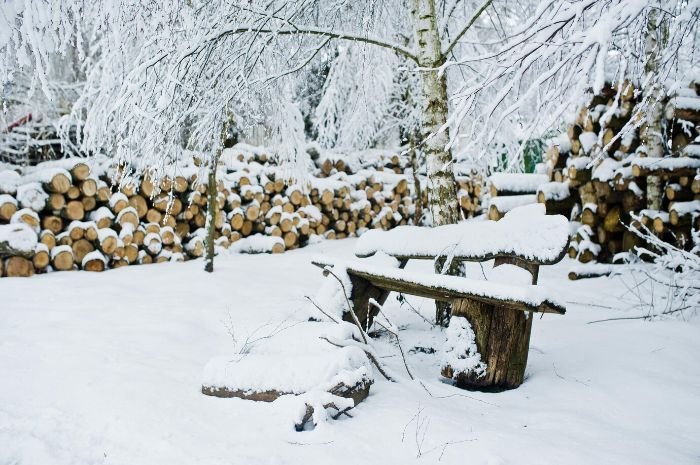
January does not mean the same thing in every U.S. garden. In deep winter, planning and protection usually matter more than outdoor work. In milder conditions, planting trees and shrubs, sharpening tools, and dormant pruning may fit the month. The calendar date stays the same. Soil temperature, frozen depth, and frost distance do not.
| If January looks like this | Do now | Leave for later |
|---|---|---|
| Ground frozen hard and beds buried or saturated after every thaw | Run seed inventory, test old packets, set up lights, inspect winter guards, clean trays, plan crop rotation | Digging beds, broadforking, or sowing warm-season crops indoors |
| Ten to twelve weeks before last frost with indoor light space ready | Start the slowest crops only, order bare-root stock, sharpen pruners, check stored bulbs and tubers | Large mixed trays of tomatoes, peppers, squash, and herbs |
| Mild winter with workable soil and dormant woody plants | Plant dormant bare-root stock, prune storm damage, maintain cool-season beds, refresh supports and wraps | Treating the whole garden like spring already arrived |
| Repeated freeze-thaw with slush and surface softness | Walk beds to map puddles, runoff lines, and winter damage from a path or board | Stepping into beds just because the top inch thawed |
Root-zone oxygen is the first hidden limiter here. Frozen or waterlogged soil moves air poorly, so even a short spell of traffic across a thawing bed compresses aggregates and closes pore space that seedlings would need in March. Seed timing fails by a different mechanism. Once indoor seedlings emerge, they keep responding to light, temperature, and root restriction whether the outdoor garden is ready or not.
Seasonal garden care depends on matching each month to the work conditions actually allow. January is the handoff between last year’s notes and this year’s timing. It is not a dress rehearsal for April.
Garden Planning In January – Build The Season Before You Buy More Seed
The best January task is boring in exactly the right way. Dump every seed packet, label, row map, and leftover tray insert onto one table and sort the season before you buy a single new packet. Inventory seeds by type, age, and quantity before ordering. That one move prevents duplicate orders, missed sowing windows, and the common January illusion that the problem is not enough seed when the real problem is no schedule.

Run the inventory before the cart fills up
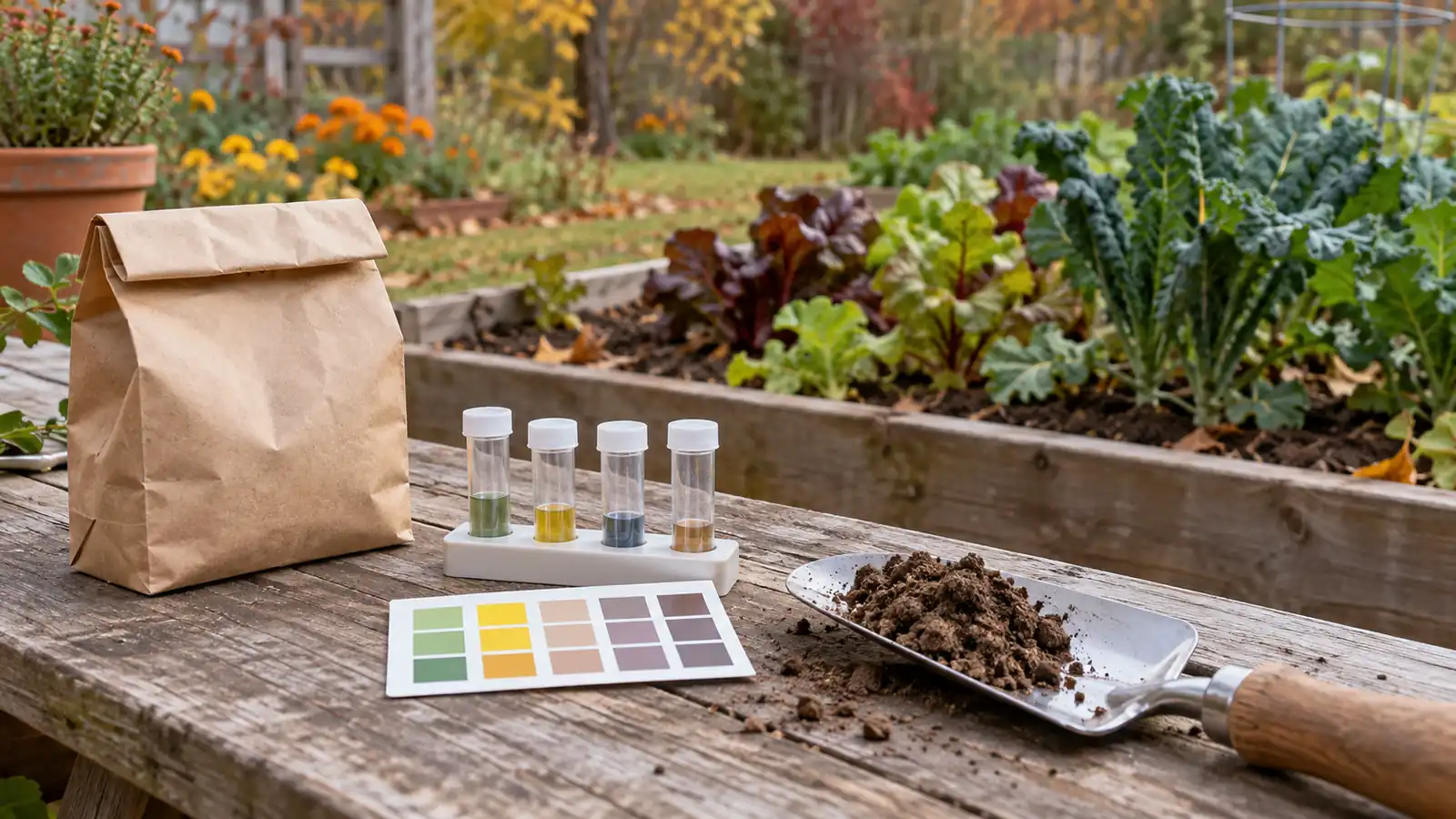
Seed viability drops unevenly. Parsnip and onion fade fast. Tomato, cabbage, and cucumber hold longer when stored cool and dry. The embryo inside the seed burns through stored carbohydrate reserves as it ages, so older seed may still sprout but do it slowly and unevenly. January is the cleanest window to test leftovers because a weak packet discovered now is an easy reorder, not an empty flat in March.
A simple germination test uses a moist paper towel. Spread ten seeds, fold the towel, keep it warm, and count how many wake up. Eight out of ten is usable. Three out of ten is false economy. What good is a rare pepper variety if the packet arrives on sowing week and only half the seed still has life?
Pro Tip: Write the sowing week on painter’s tape and stick it directly to each packet. A seed rack organized by week, not by crop name, does more for spring timing than another spreadsheet ever will.
Planning also means rotating plant families before memory gets fuzzy. Tomatoes back into the same bed invite carryover problems from splashed soil and missed debris. Brassicas following brassicas raise the odds of repeated pest pressure and tired ground. A winter notebook catches those patterns while the beds are bare enough to picture clearly.
Dormant packaged plants belong in this planning window too. Bare-root and packaged perennials, trees, and shrubs often show up on retail shelves 6-8 weeks before planting season and well before the ground is thawed. That makes January a buying month in some climates, not always a planting month. Order early if you have a cool place to hold dormant stock or workable soil waiting for it. Skip impulse purchases if roots will sit in a warm garage and break dormancy before the yard is ready.
Starting Seeds Indoors In January – Sow Only The Crops That Earn The Space
January seed starting goes wrong when gardeners treat every crop like it needs a head start. Do not start vegetable seeds indoors too soon, and do not trust windowsill light to make sturdy plants. In cold climates, leeks, onions, and celery may still belong closer to February, while tomatoes often wait much longer. Nationally, January trays belong to only a short list unless your frost date is unusually early or your crop truly needs a long runway.
The first January trays worth sowing
Onions, leeks, celery, and some very slow flowers earn January space when you are roughly ten to twelve weeks from planting time or when your climate is mild enough to move that schedule earlier. Some gardeners also start perennial flowers that need a long juvenile phase before blooming. Warm-season vegetables are a different story. January tomatoes sound productive and turn unruly. January squash is almost always a mistake.
Light is the gatekeeper here. Natural window light is seldom enough for strong seedlings, so fluorescent or LED-style grow lights should sit close above the canopy. After germination, place the leaves 1-2 inches below the fixture and run light for 14-16 hours a day. Short distance matters because light intensity falls off fast. A tray that sits six inches too low stretches, leans, and spends stored energy building stem instead of roots.
A strong starting seeds indoors setup should align timing, tray setup, light distance, and seedling care before the first January trays are sown.
The weakest seedlings in spring are often not the late ones. They are the January tomatoes that spent eight weeks leaning toward glass while the gardener tried to keep them small with hope.
Winter sowing is sometimes the smarter January move
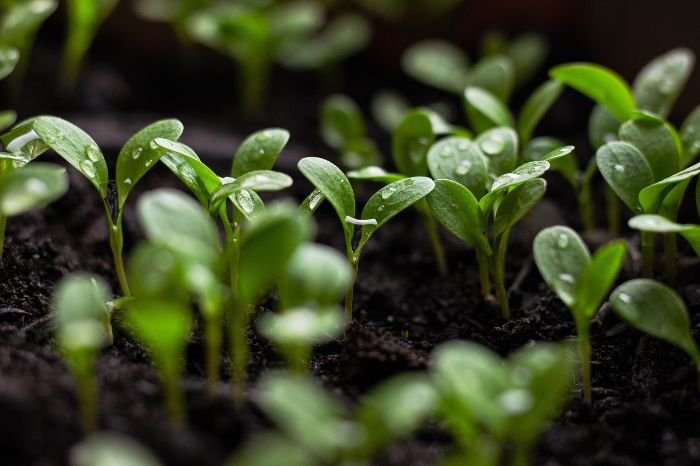
January is also a strong month for winter sowing rather than indoor sowing. Winter sowing works well for seeds that benefit from a cold period before germination, especially many native perennials. A milk jug with drainage holes, moist mix, and a vented top behaves like a miniature cold frame. Freeze-thaw cycles soften the seed coat, cold stratification shifts hormone balance inside the seed, and germination waits for the right temperature rather than for your impatience.
That approach saves indoor shelf space for crops that actually need heat and electric light. It also removes one of the biggest January errors – filling the whole house with trays simply because the seed rack is full.
Pruning And Winter Checks In January – Cut With A Reason, Protect What Cannot Move
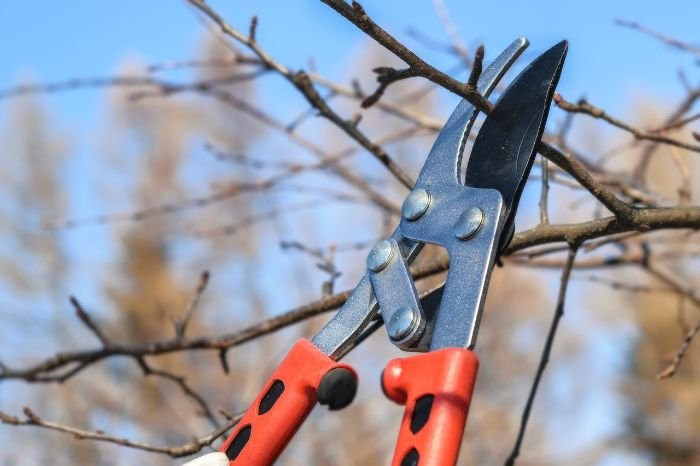
A pruning cut is a controlled wound. Every cut removes stored photosynthates, opens tissue, and asks the plant to recover later. January pruning makes sense for dead wood removal, structure, safety, or dormant fruiting wood in the right climate when the weather and species line up.
| Plant or situation | January move | Why now or why not |
|---|---|---|
| Broken, hanging, diseased wood | Remove it now | Safety and sanitation outrank seasonal delay |
| Dormant fruit trees in mild or moderate winter climates | Thin and shape on a dry day | Structure reads clearly before leaf-out and healing starts as growth resumes |
| Spring-blooming shrubs like lilac and forsythia | Leave them alone except for obvious damage | Flower buds already sit on old wood and winter cuts remove bloom |
| Trees under deep freeze or severe cold stress | Wait for a safer pruning window | Fresh cuts expose tissue during the harshest part of winter |
| Shrubs and trunks with cages, wraps, or guards | Inspect and reset protection | January damage often comes from rubbing, gaps at ground level, and snowline drift |
Make the cut just outside the branch collar, not flush to the trunk. The collar contains the branch defense zone, a ring of cells that helps block internal decay. Cut through that swollen collar and you remove the tissue that does the sealing work. Leave a long stub and the wound dries back awkwardly from the outside in.
January is a good time to look hard at cages and wraps while snow depth changes. A guard that was tall enough in December may now sit below browse height after drifting snow packs around it. Bent fencing also opens a gap at ground level, which is all rabbits need.
Salt needs attention during January winter checks too. Snowmelt tracks show you where deicing salt concentrates, and January is the cleanest time to change the habit before repeated runoff burns turf and roots along walks and driveways. A white crust near pavement after melt is not harmless winter residue. It is a spring problem forming in plain sight.
The structural side of cutting begins with pruning basics: cut because the plant benefits, not because the pruners are finally in your hand.
Tool, Tray, And Supply Prep In January – Remove Friction Before Spring
January is when small setup problems are still small. A sticky bypass pruner in January is an annoyance. The same pruner in March becomes torn cambium on a fruit tree and a half-finished cleanup pile. Seed trays with old organic residue are the same story. Damping-off fungi thrive in wet media, and reused trays left dirty from last season carry exactly the kind of residue that makes those outbreaks easier.
Clean what will touch seedlings first
Wash flats, domes, and labels before sowing begins. If a tray still has crusted roots in the corners, soak and scrub it now rather than trusting new mix to bury the problem. After disease, remove debris, then sanitize containers and tools before reuse. That matters because Pythium, Phytophthora, and Rhizoctonia attack at the stem base when media stays wet and air movement is poor.
Set the seed-starting area up completely before the first sowing day. Hang lights, test timers, refill labels, open a fresh block of soilless mix, and check whether the heat mat still holds a stable temperature. A January shelf that is ready by the weekend tends to stay orderly. A shelf assembled one tray at a time tends to collect preventable mistakes.
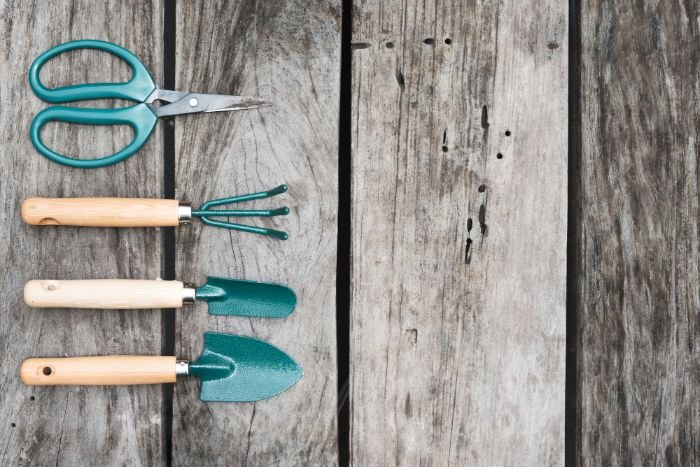
Tool prep belongs alongside tray prep. Sharpen bypass pruners, oil pivot points, tighten loose handles, and replace cracked hose washers and missing row-cover pins. The hand remembers less force than the branch remembers tearing. A clean edge closes faster and bruises less tissue.
Use January thaws for observation rather than cultivation. Watch where puddles sit, where snow melts first, where water runs off hard ground, and where mulch blew thin. Those notes matter because the same wet or dry pattern will reappear in early spring. If winter runoff shows a bed sealing over and holding water after every thaw, soil health improvement should come before a desperate April bag of fertilizer.
January Mistakes That Push Trouble Into March
January mistakes are sneaky because they feel productive in the moment. Test each task against its likely penalty before you do it.
| Tempting January move | What it usually causes | Better January decision |
|---|---|---|
| Start tomatoes because the seed rack arrived | Leggy, root-bound plants long before transplant time | Hold tomatoes back and use tray space for onions, leeks, celery, or no sowing at all |
| Buy dormant packaged plants with no cold holding plan | Broken dormancy before outdoor planting is possible | Order early only if you have workable soil or a reliably cool place to hold roots dormant |
| Trust a windowsill to replace grow lights | Seedlings lean, stretch, and lose root-to-shoot balance | Set lights close over the canopy or wait until you can support sturdy growth |
| Prune spring bloomers because they look bare | Flower buds disappear with the cut | Limit January pruning to dead, damaged, or clearly appropriate dormant wood |
| Walk or work thawed beds that still smear | Compaction that lingers into planting season | Observe runoff and puddling from a path or board, then wait for real workability |
| Leave tray cleaning and tool repair for later | Sowing-week delay and preventable equipment problems | Finish setup while the calendar is still quiet |
January also invites a more subtle error: treating every task as equally urgent. In warmer gardens, dormant planting and outdoor maintenance can fit January cleanly. In deeper winter, inventory, protection, and patience usually matter more. January loses practical value when those two realities are flattened into one calendar rule.
Use the likely penalty as the filter. If the task gets easier when the ground is bare, the plants are dormant, or the schedule is still quiet, January is probably right for it. If the task depends on warm soil, long light, or rapid outdoor growth, you are borrowing trouble from a later month.
Conclusion
January starts the garden year best when it narrows your attention instead of widening it. Sort the seed, set the timing, clean the trays, sharpen the tools, inspect winter protection, and start only the crops that truly need the long runway. That kind of January work does not look dramatic. It changes spring anyway.
January is for setup, not hurry. A tray sown on the right week under strong light beats a tray sown early in dim light every time. A pruning cut made for a real objective beats winter trimming done out of boredom. A plan written while the beds are bare saves the most work when the weather finally turns.
FAQ
What should I start indoors in January?
Start only the crops that truly need the longest runway. In many gardens that means onions, leeks, celery, and a short list of slow flowers or perennials. Most vegetables still belong on paper in January, not in cells.
Is January too early to start tomatoes?
Most gardeners think an earlier sowing date means an earlier harvest. Indoors, the more common result is a lanky plant that spends too many weeks in a tray it has already outgrown. Unless your frost date is unusually early and your light setup is strong, January tomatoes are a cleanup job waiting to happen.
Can fruit trees be pruned in January?
Yes, in many climates and only when the trees are dormant and the day is dry. Coldest-climate gardens may wait a bit longer to avoid exposing fresh cuts during the harshest freeze window. Dead or dangerous wood is different and can be removed whenever it needs to come out.
How do I test old seed in January?
Use ten seeds, a damp paper towel, and a warm indoor spot. Count how many sprout. Eight means the packet still earns tray space. Three means reorder now while choice is still good.
Should I buy seed-starting supplies in January or wait?
January is the safer window for lights, mix, trays, labels, and timers because supply gaps hurt more in the week you intend to sow than they do in the month before. The same is true for popular seed varieties and some bare-root stock. Buying early only becomes a mistake when you also buy live dormant plants with nowhere cool to hold them.
Can bare-root trees or shrubs be planted in January?
If the plant is dormant and the soil is workable, yes. Warm-climate gardeners regularly plant dormant roses, fruit trees, and shrubs in January. Frozen ground changes that answer immediately, so cold-climate gardeners should treat January as the ordering and storage-planning window first.
Is winter sowing better than indoor seed starting in January?
For many native perennials and cold-requiring seeds, yes. Winter sowing lets cold stratification happen outdoors and saves indoor shelf space. For onions, celery, and any crop that needs controlled warmth and close light, indoor sowing still wins.
What if January is too cold to do anything outside?
Then January becomes your setup month. Clean trays, sharpen pruners, test timers and grow lights, map crop rotation, inspect stored bulbs, and run germination tests on old seed. A fully frozen month still has plenty of high-value work in it – it just happens on the bench instead of in the bed.