


Last Updated May 21, 2026
Advanced soil management starts when compost, fertilizer, and watering no longer explain why plants stall. Tomato beds can test high in phosphorus and set weak fruit when roots sit in compacted, low-oxygen soil. Blueberries can yellow in rich ground because iron is present but chemically unavailable. Container mixes can look dark and expensive, then hold so much water that new roots brown at the tips.
The advanced move is to stop treating soil as one problem. Texture, structure, pH, nutrient availability, biology, salinity, drainage, and plant preference all pull on the same root system. Change the wrong one first and the plant gives a confusing answer. Change the limiting layer first and the next correction finally starts to matter.
Advanced soil management includes soil testing, pH correction, texture and drainage diagnosis, custom soil blends, organic matter planning, nutrient timing, and follow-up monitoring. Test before changing pH, match blends to root oxygen and moisture needs, and retest after major amendments before adding more.
Key Takeaways:
- Test pH before adding lime, sulfur, or fertilizer.
- Fix drainage before chasing nutrient deficiency symptoms.
- Build mixes around root oxygen, not dark color.
- Use compost timing to feed biology without excess salts.
- Retest after 6 months when pH changes are large.
Table of Contents
Advanced Soil Management – Diagnose The Limiting Layer First
A soil problem usually has a visible top and a hidden bottom. Leaves yellow at the surface, and the cause may be a pH lockout, a sealed clay layer, cold roots, high soluble salts, or a mix that collapsed into a wet core. The first job is to find the layer that limits root work.
Good diagnosis separates physical, chemical, and biological constraints. Physical soil controls pore space, oxygen, drainage, and root penetration. Chemical soil controls pH, cation exchange, salinity, and nutrient availability. Biological soil controls decomposition, nutrient cycling, aggregate binding, and disease pressure. Those three categories sit together in the Cornell Soil Health Manual, and the same split works in a home garden bed.
Start with the test that matches the symptom. Slow infiltration after rain points to structure or drainage. Pale new growth with normal moisture points toward pH, nitrogen, iron, or root loss. A sour smell from a potting mix points toward low oxygen and anaerobic decomposition. A white crust on the soil surface points toward salts moving upward as water evaporates.
| Visible Clue | First Constraint To Test | Mechanism Behind It | First Safe Move |
|---|---|---|---|
| Water sits after normal rain | Drainage and compaction | Pore spaces collapse and roots lose oxygen | Probe depth, improve structure, protect bed traffic |
| New leaves yellow between veins | pH and micronutrient availability | Iron and manganese shift form as pH changes | Test pH before adding micronutrients |
| Seedlings stall in dark mix | Air-filled porosity | Fine organic particles hold water around tender roots | Add coarse aeration or change mix |
| Leaf tips brown after feeding | Soluble salts | Osmotic pressure pulls water away from roots | Leach container mix and pause fertilizer |
| Bed grows well for one crop only | Plant-specific pH and nutrient demand | Different crops extract nutrients at different rates | Group plants by pH, water, and feeding need |
A handful test still matters. Squeeze moist soil in your palm. Healthy loam holds a soft shape, breaks apart under light thumb pressure, and smells earthy with no sour edge. Clay that smears into a ribbon, sand that falls apart instantly, and potting mix that clumps into a wet sponge each point toward a different correction.
Structure, organic matter, and maintenance form the long arc of soil health improvement. Advanced management starts one step later: deciding which soil property should move first because the plant cannot use the other improvements until that constraint changes.
Soil pH Management – Correct Availability Before Feeding More
Soil pH changes what roots can absorb before fertilizer quantity becomes useful. Nutrients move through soil solution as charged ions, and pH changes the chemical form, solubility, and microbial release rate of those nutrients. A soil test may show enough iron, phosphorus, or manganese, then the plant still acts deficient because the element is not available in the right form near the root surface.
The pH scale is logarithmic, so soil at pH 5.5 is ten times more acidic than soil at pH 6.5. That scale makes casual correction risky because lime, sulfur, texture, organic matter, clay content, and buffer pH all change how far the number moves.
| Plant Group | Usual pH Direction | Why It Matters | Main Correction Risk |
|---|---|---|---|
| Blueberries, azaleas, camellias | Acidic range, below most vegetable beds | Iron availability drops when pH rises too high | Lime or alkaline water makes chlorosis worse |
| Most vegetables and annual flowers | Slightly acidic to near neutral | Nitrogen, phosphorus, calcium, and micronutrients stay more usable | Correction without a test can overshoot crop needs |
| Mediterranean herbs | Near neutral to slightly alkaline, with sharp drainage | Root oxygen and mineral balance matter more than rich compost | Wet organic mixes cause decline before pH becomes the main issue |
| Potatoes and scab-sensitive crops | Managed more acidic than general vegetable beds | Soil pH affects disease pressure as well as nutrient behavior | One vegetable-bed pH target for every crop can backfire |
| Hydrangeas grown for blue flowers | Acidic enough for aluminum availability | Flower color depends on pH-linked aluminum access | Color adjustment should not override root health or plant safety |
Lime raises pH by reducing acidity, and elemental sulfur lowers pH after soil bacteria oxidize sulfur into sulfuric acid. That biological step needs warm, moist, aerated soil. Cold spring soil gives a slow answer. Dry soil gives a slow answer. Saturated soil gives the wrong microbial conditions.
Pro Tip: When shifting pH for a perennial bed, amend only from a lab recommendation, water the area after incorporation, then retest in about 6 months before adding a second dose. Roots tolerate gradual correction better than a large overshoot.
Existing plants change the math. Lime or sulfur worked 6 to 8 inches into unplanted soil affects the future root zone more evenly, and large perennial-bed changes deserve about 6 months before retesting. Surface-applied amendment around established plants changes the top layer first, then moves slowly. That is why soil pH imbalances are easier to correct before planting a blueberry bed, asparagus row, orchard strip, or long-lived shrub border.
Fertilizer choice can push pH over time. Ammonium-based fertilizers acidify through nitrification, and nitrate-heavy sources tend to behave differently in the root zone. The chemistry matters most in containers, high tunnels, raised beds with imported media, and acid-loving plantings where irrigation water already leans alkaline. Soil pH and fertilizer efficiency should be read together when plants keep showing deficiency symptoms after feeding.
Custom Soil Blends – Build Air, Water, And Support For Each Plant Group
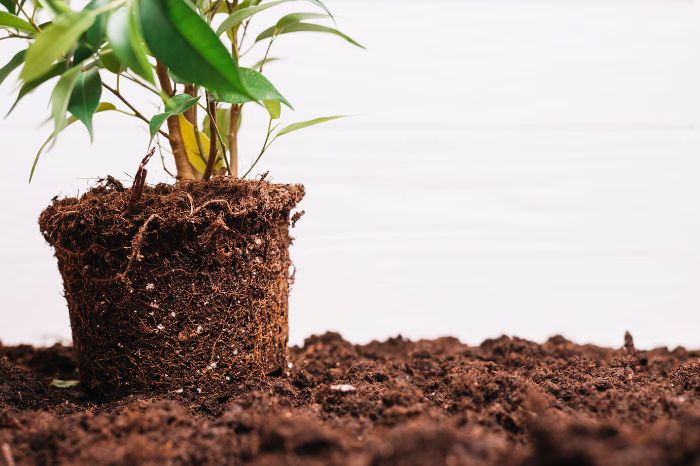
Custom soil blends work when the mix starts with root behavior. Roots need oxygen for respiration, moisture held near fine root hairs, enough structure for anchorage, and pore space that does not collapse after repeated watering. A dark bagged mix can fail if fine particles pack together and push oxygen out.
Container blends need different physics from in-ground soil. Garden soil has depth, mineral structure, and a living profile below the planted layer. A pot has a perched water zone near the bottom, a small air budget, faster temperature swings, and no deeper subsoil for roots to escape into. Container media usually needs perlite or vermiculite for drainage and aeration, then moisture-holding organic matter from composted bark, coir, or a similar stable component.
| Plant Group | Starting Blend Structure | Why It Works | Failure Signal |
|---|---|---|---|
| Blueberries, azaleas, camellias | Acidic organic base with pine bark fines, peat or coir, and coarse aeration | Fine roots need low pH, constant moisture, and oxygen | Interveinal chlorosis on new leaves |
| Lavender, rosemary, thyme | Mineral-heavy mix with grit, pumice, coarse sand, or bark, kept lean | Dryland roots decline in wet organic pockets | Gray foliage, black crown, weak scent |
| Tomatoes and peppers | Loamy mineral base with compost, stable moisture, and calcium movement | Fruit load needs water movement and nutrient flow | Blossom-end rot or stalled fruit sizing |
| Aroids and foliage houseplants | Chunky bark base with coir or peat and perlite or pumice | Thick roots need air pockets around nodes | Yellowing lower leaves and sour mix |
| Leafy greens | Moisture-retentive mix with loose texture and available nitrogen | Shallow roots need even water and quick nutrient release | Slow regrowth after cutting |
A practical blend test happens before planting. Moisten the mix, fill a nursery pot, water once, and lift it after drainage stops. The pot should feel heavier, then still carry some spring when squeezed at the side. If water sheets out in seconds and the mix feels dry inside, it lacks water-holding capacity. If the pot stays heavy for days and smells sour, air has been sacrificed.
Container plants need the same root-zone logic used in best soil mix for container gardening: pore size, water-holding capacity, and organic fraction must match the plant. A universal mix rarely holds that balance for every crop.
Choose The Right Soil Management Move – Match The Fix To The Test Result
A pH number outside the plant’s preferred range calls for chemistry first. Send a sample to a lab, read buffer pH if the report includes it, and correct before planting when possible. Blueberries in alkaline soil, pin oaks with chlorotic leaves, and hydrangeas grown for blue flowers all punish casual pH adjustment.

Slow drainage after rain points to structure before fertility. Dig a narrow inspection hole and look for a dense plate, gray mottling, or a sour smell below the top layer. Compost on the surface helps over time, and serious waterlogging needs soil drainage solutions before another fertilizer is added.
Imported raised-bed soil needs a different check. Test pH, soluble salts, organic matter, and texture before planting a full bed of high-value crops. Many blended soils look rich because they contain fine organic material, then shrink, heat, or drain unevenly after a season of irrigation.
Containers that dry by noon need a water-holding adjustment. Add composted bark, coir, or a finer moisture-retentive component in small increments, then retest pot weight after watering. Extra fertilizer will not fix a mix that cannot hold water near root hairs.
Pale leaves with normal moisture need diagnosis across pH, root condition, and nutrient movement. Pull one plant if possible and inspect the roots. White or tan branching roots point toward chemistry or nutrition; brown, soft, or sour roots point toward oxygen loss.
Amendment Timing – Feed Soil Processes Without Overcorrecting
Amendments change soil at different speeds. Compost changes aggregation, water behavior, microbial food supply, and nutrient release gradually. Soluble fertilizer changes the nutrient solution quickly. Lime and sulfur move pH over weeks to months. Biochar changes cation exchange and water-holding behavior only after it has been charged with nutrients or compost.
Timing decides whether an amendment feeds a process or creates a new problem. Fresh high-carbon material mixed into a vegetable bed can tie up nitrogen as microbes use available nitrogen to break carbon down. Manure applied too close to harvest raises food-safety and salt concerns. Heavy compost repeated every season can push phosphorus higher than plants need.
Vegetable and flower beds often perform best around 5% to 10% organic matter, and about 1 inch of compost per year can work as a maintenance amount when soil tests do not already show excess phosphorus, salts, or pH drift.

Observation: Overmanaged soil often looks better in the wheelbarrow than it performs around roots. The mix is dark, soft, and rich, then young plants sit in a cold wet sponge because the air fraction disappeared.
Mineral amendments need the same restraint. Gypsum adds calcium and sulfur without raising pH much, and it only helps certain sodium or structure situations. Sand rarely fixes clay in a home bed because the wrong ratio can create a dense, hard matrix. Pine bark fines, compost, leaf mold, cover crops, and protected bed traffic usually improve structure with less risk.
Biology responds to repeated small inputs. The soil microbe community grows around carbon, moisture, oxygen, root exudates, and temperature. A single heavy amendment may feed a flush; a maintained root zone with mulch, plant residues, and seasonal roots keeps the food supply more consistent.
Soil Monitoring – Use Plant Response And Retesting Together
Advanced soil management needs a feedback loop because soil changes slowly and plant symptoms overlap. A magnesium deficiency, iron lockout, root rot, herbicide injury, and salt burn can all put pale or scorched tissue on a plant. The follow-up check keeps the next move from becoming a reaction.
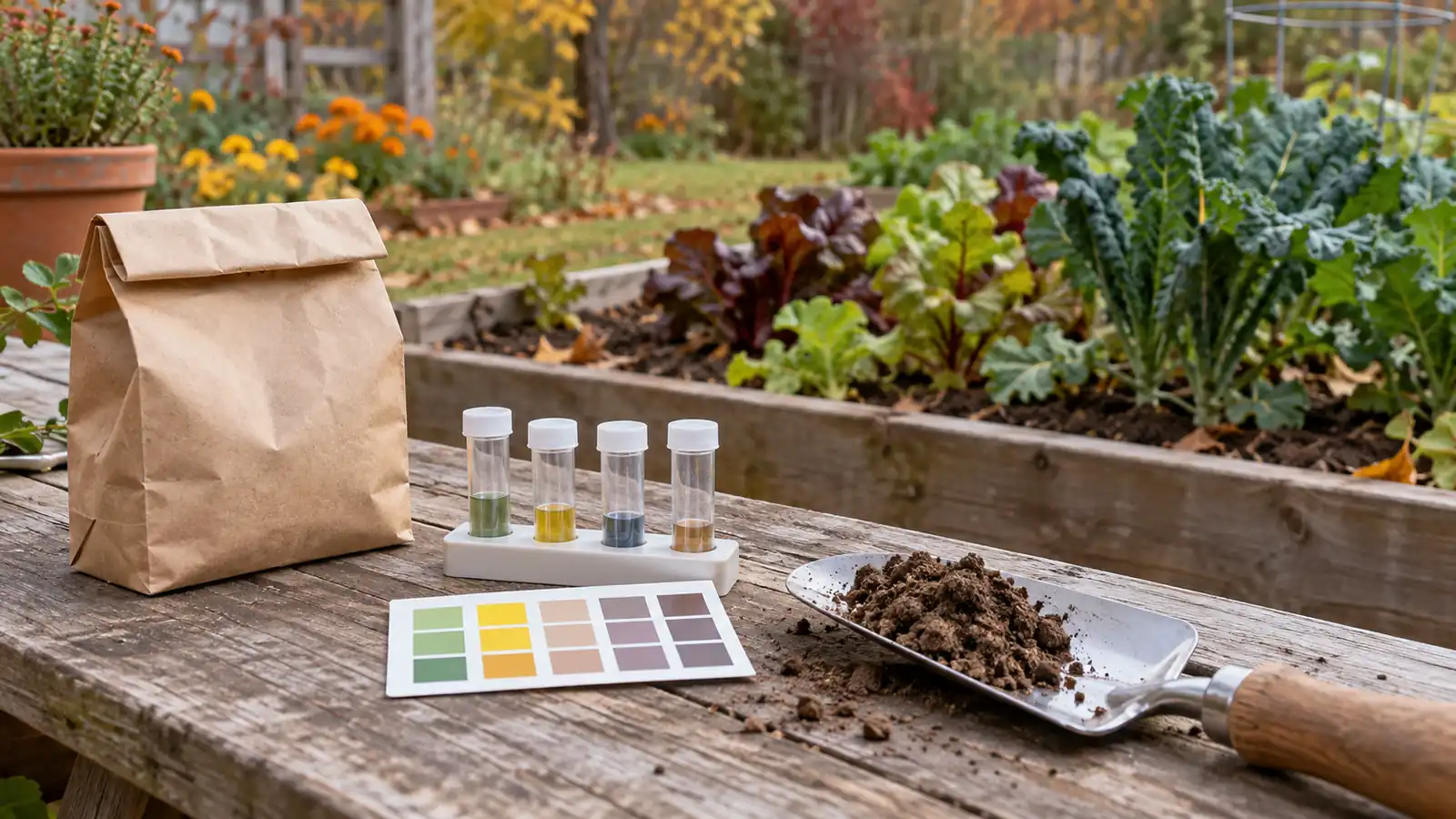
Use three monitoring layers. Lab tests handle pH, organic matter, phosphorus, potassium, calcium, magnesium, and soluble salts when offered. Field checks handle drainage, compaction, smell, crusting, and root depth. Plant response handles leaf color, internode length, fruit set, root branching, and recovery after weather stress.
Electrical conductivity or soluble salts deserve separate attention in containers, high tunnels, manure-amended beds, and imported raised-bed mixes. Salt injury often appears as brown leaf tips, stalled roots, and wilting even when the mix feels moist. Leaching, pausing fertilizer, and testing irrigation water matter more than adding another nutrient product.
Soil moisture deserves separate attention. Nutrient uptake depends on mass flow and diffusion through water films around soil particles. Dry root zones slow nutrient movement even when fertility is adequate, and saturated zones cut root respiration. A simple soil moisture monitoring routine helps separate water stress from nutrition mistakes.
Retesting cadence depends on the change. After a large pH correction, retest in about 6 months before adjusting again. In stable vegetable beds, a lab test every 2 to 3 years is enough for many home gardens unless growth changes sharply. Containers and raised beds filled with imported mixes deserve closer watching because salts, pH, and organic shrinkage can move faster.
What would you change first when the soil test looks acceptable and the roots come up brown, short, and sour-smelling? A clean lab report can miss the oxygen problem that roots are already reporting.
Cover crops, mulch, and reduced disturbance extend the monitoring loop beyond one season. A winter stand of oats, rye, clover, or peas protects the surface and feeds roots through the off-season, and cover crops for soil health become more valuable when a bed has tested low in organic matter or loses structure after rain.
Conclusion
Advanced soil management works when each correction answers a tested constraint. Wrong pH calls for chemistry before feeding. Standing water points to structure and drainage before leaf color becomes a fertilizer clue. A container mix that stays heavy and sour needs pore space before nutrients.
A good result shows up in ordinary physical signs: water entering without ponding, soil breaking into crumbs under light pressure, roots branching white through the mix, and leaves returning to normal size without a new rescue product every week.
FAQ
How Often Should Soil pH Be Tested In An Advanced Soil Plan?
Test pH before any lime or sulfur correction, then retest about 6 months after a major change. Stable beds can move to a 2- to 3-year testing rhythm. Acid-loving plantings, imported raised-bed soil, and container systems deserve closer checks.
Can Soil pH Be Changed After Plants Are Established?
Established plants make pH correction slower because amendments cannot be mixed through the full root zone without damage. Surface applications affect the top layer first and need smaller split doses. Severe pH mismatch is best solved before planting long-lived crops.
What Is The Best Custom Soil Blend For Most Plants?
No single blend fits most plants well. Mediterranean herbs need faster drainage and leaner fertility than leafy greens. Aroids need chunky air pockets. Tomatoes need even moisture and enough mineral nutrition to support fruit load.
Is Compost Enough For Advanced Soil Management?
Compost helps structure, biology, and slow nutrient release. High pH, poor drainage, high salts, and excess phosphorus still need separate diagnosis. Compost works best as part of a tested plan.
Should Synthetic Fertilizers Be Avoided In Advanced Soil Work?
Synthetic fertilizers are tools, not soil structure builders. They make sense when a soil test shows a nutrient shortage and plants need a predictable response. They become risky when used to cover drainage, pH, or root-zone oxygen problems.