
Last Updated June 07, 2026
A bonsai tree in a pot still behaves like a woody plant with roots, leaves, stored energy, and seasonal limits. It has roots that need oxygen, leaves that need light, and a seasonal rhythm that cannot be replaced by a decorative ceramic container. Many beginner bonsai fail because the tree is treated like an ornament first and a living woody plant second.
The container changes everything. A shallow pot holds less water, less nutrition, and less temperature buffer than a garden bed or nursery container. The tree can look calm on a shelf as the root ball dries too far, stays wet too long, or sits in soil that has collapsed into mud. Bonsai care is the work of keeping that small root system alive as you slowly shape the trunk, branches, canopy, and pot relationship.
Growing bonsai at home gets easier when the first decisions are practical. Choose a species that fits your light and climate. Use a training container before a show pot if the tree still needs growth. Water by soil condition, prune in stages, wire gently, and repot when the roots and soil show the tree is ready.
Key Takeaways
- Bonsai trees in pots need species-matched light, outdoor exposure or indoor tropical care, and fast-draining soil.
- Training containers are useful during trunk, root, and branch development.
- Water when the root zone is ready, then water thoroughly until excess drains from the bottom.
- Pruning and wiring should be done in stages so styling does not remove more growth than the roots can support.
- Repotting resets roots and soil; decorative pot changes are secondary.
Table of Contents
Choose The Right Bonsai Tree And Container Stage
Your first bonsai decision is the tree’s stage of development. Young nursery juniper, ficus, elm, jade, or maple stock may need years in a deeper training container before it is ready for a shallow bonsai pot. A finished imported tree may need less styling and more careful watering.
Bonsai is a container-grown tree training system, where long-term development depends on technique, aesthetics, root work, and seasonal care. A beginner container setup starts with a more immediate question: what container helps the tree stay alive at its current stage?
| Tree Situation | Container Choice | Main Goal | Beginner Risk |
|---|---|---|---|
| Nursery stock with a thin trunk | Training pot, pond basket, grow box, or nursery container | Build trunk, roots, and branch options | Moving too soon into a shallow show pot slows development |
| Young pre-bonsai with branch structure started | Training pot with strong drainage and tie-down wire | Refine roots, lower branches, and primary shape | Pruning roots and canopy hard in the same season |
| Indoor tropical bonsai | Drainage pot near strong light, often with humidity support | Keep active growth indoors through light and watering control | Placing ficus or jade in a dark decorative corner |
| Outdoor temperate bonsai | Bonsai pot or training pot that can be protected in winter | Match seasonal dormancy, sun, and wind exposure | Keeping juniper, maple, pine, or elm indoors year-round |
| Finished or display-ready tree | Shallow bonsai pot matched to trunk, canopy, and root mass | Maintain health and visual balance | Choosing pot color or shape ahead of root health |
Match Indoor Or Outdoor Bonsai To Real Light
Indoor bonsai and outdoor bonsai are not display categories. They describe climate needs. Most temperate trees need outdoor seasons, including winter dormancy. Tropical and subtropical trees can live indoors if the light is strong enough and the room is warm enough.
Ficus, jade, dwarf umbrella tree, and some tropical species are better indoor candidates. Juniper, pine, maple, elm, hornbeam, azalea, and many flowering or fruiting bonsai usually need outdoor life. They may come indoors briefly for display, then return to a suitable outdoor position.
| Growing Position | Better Species Fit | Care Priority | Warning Sign |
|---|---|---|---|
| Bright indoor window | Ficus, jade, dwarf umbrella tree | Strong light, even warmth, careful watering | Long weak shoots, leaf drop, or slow recovery after pruning |
| Indoor grow light setup | Tropical bonsai and cuttings in active growth | Light duration, airflow, humidity, pest checks | Dry leaf edges or pale growth near the light |
| Outdoor patio or balcony | Juniper, elm, maple, pine, cotoneaster, azalea | Sun, wind protection, water monitoring | Pot dries several times per day in heat or wind |
| Cold winter outdoor area | Temperate bonsai that need dormancy | Root protection from freeze-thaw and drying wind | Tree breaks dormancy early in a warm room |
| Short indoor display | Healthy outdoor tree brought inside briefly | Return outside after display period | Indoor display becomes permanent placement |
Small-space gardeners can still grow outdoor bonsai if the site has light, drainage, wind control, and winter protection. The same space limits that shape container gardening on balconies and patios apply to bonsai, with less soil volume and less margin for skipped watering.
A beginner species selector should match placement first, then styling potential. A tolerant indoor tree in good light is easier than a classic outdoor species kept on a dark shelf. An outdoor tree with dormancy needs is easier outdoors than in a warm room that keeps it awake through winter.
| Bonsai Type | Better Placement | Beginner Strength | Main Risk |
|---|---|---|---|
| Ficus | Bright indoor window or protected outdoor summer position | Tolerates pruning and indoor recovery better than many trees | Weak growth in dim rooms |
| Jade | Bright indoor light, warm patio in frost-free periods | Stores water in leaves and stems | Rot risk in wet soil |
| Dwarf umbrella tree | Bright indoor light | Responds well to pruning and indoor conditions | Long weak shoots in low light |
| Chinese elm | Outdoor tree in many climates, with protected care in harsh cold | Fine branching and strong regrowth | Confusion between indoor sale labels and real outdoor needs |
| Juniper | Outdoor sun and winter dormancy | Classic bonsai form and strong visual structure | Declines indoors even when foliage stays green for a time |
| Japanese maple | Outdoor seasonal tree with wind and afternoon heat protection | Strong seasonal color and branch structure | Leaf scorch, wind stress, and watering swings in small pots |
| Azalea | Outdoor or protected bright position depending on climate | Flowers and compact branching | Acidic soil, moisture control, and post-bloom care |
Choose A Bonsai Pot That Protects Roots
A bonsai pot must do more than look proportional. It needs drainage holes, enough width for the root pad, tie-down points, frost tolerance if used outdoors, and a depth that fits the tree’s stage. A pot can be visually beautiful and still be wrong for the tree.
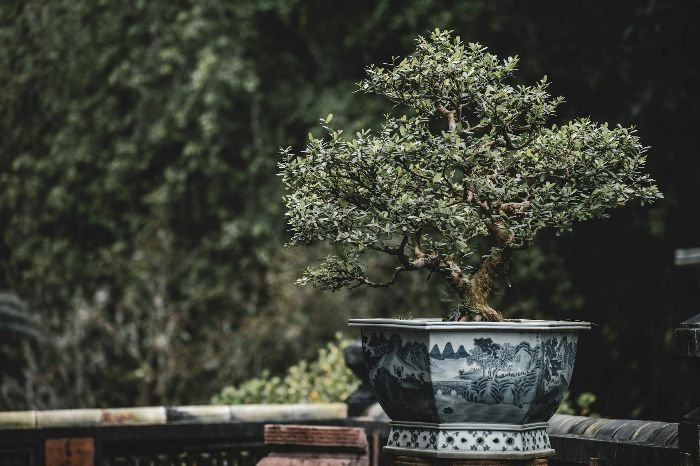
General planter rules still matter. Drainage, material, size, and root temperature are part of choosing garden planters for plant health. Bonsai adds a stricter balance between visual proportion and root function.
| Pot Feature | What To Look For | Why It Matters |
|---|---|---|
| Drainage holes | Large holes covered with mesh | Fast drainage prevents stagnant water around fine roots |
| Tie-down holes or wire access | Openings that let the root ball be anchored | A loose tree tears new roots when wind or handling moves the trunk |
| Pot depth | Deep enough for current root mass and water reserve | Shallow pots dry quickly and suit more refined trees |
| Material | Fired ceramic, mica, plastic training pots, wood boxes, or grow containers | Material changes weight, insulation, winter risk, and watering speed |
| Proportion | Width and color that support the trunk and canopy | Visual balance matters after root health is handled |
Refined pot proportion usually follows the trunk, canopy, and nebari more than the nursery root ball. Shallow pots suit trees with a developed root pad, and fast-rooting, flowering, fruiting, or still-developing trees often need more depth and moisture reserve.
Use Bonsai Soil That Drains Fast And Holds Air
Bonsai soil is the root environment under the visual design. Fine roots need oxygen between watering events. Dense garden soil or heavy houseplant mix can stay wet in a shallow pot, then compact into a root-smothering layer. Good bonsai mix drains fast, holds some moisture, and keeps air spaces open.
The exact mix changes by species, climate, and watering habits. Common components include pumice, lava rock, akadama, fired clay, pine bark, coarse sand, and other stable particles. A dry balcony in summer needs more moisture reserve than a shaded greenhouse bench. A beginner should use a reliable commercial bonsai mix before experimenting with unusual materials.
| Soil Component | Main Function | Use With Care When |
|---|---|---|
| Pumice | Holds water and air in porous particles | Very small particles clog drainage if not screened |
| Lava rock | Adds structure, drainage, and weight | Sharp or oversized pieces can leave large dry gaps |
| Akadama or fired clay | Holds moisture and supports fine roots | Some grades break down faster in wet climates |
| Pine bark | Adds moisture reserve and organic exchange | Too much bark can stay wet and decompose |
| Heavy garden soil | Rarely useful in bonsai pots | Compaction, slow drainage, and low oxygen are common |
Container soil principles still apply: particle size, water retention, air space, and drainage must fit the plant and pot. For broader potting media logic, use soil mix decisions for containers, then narrow the mix for bonsai root work.
Water Bonsai By Root-Zone Response
Bonsai watering should follow root-zone condition and current demand. The tree’s water use changes with species, pot size, soil mix, leaf mass, sun, wind, room heat, and season. A shallow pot in fast-draining mix can dry quickly even when the surface still looks tidy.
Check moisture before watering. Use a finger, wooden chopstick, skewer, pot weight, or moisture meter. Water thoroughly when the active root zone is approaching dry, then continue until water runs freely from the drainage holes. Shallow sprinkling creates a wet surface and a dry lower root pad.
Bonsai are grown in small containers, so the limited soil volume restricts the water and nutrients available to the tree. That is why watering and feeding have to be checked more often than with many ordinary potted plants.
| Condition | Watering Response | Reason |
|---|---|---|
| Top layer dry, lower root zone slightly moist | Check again later or water lightly if heat is rising | The tree may still have usable moisture |
| Root zone approaching dry | Water thoroughly until drainage runs clear | Full wetting protects fine roots throughout the pot |
| Soil stays wet for days | Improve light, airflow, drainage, or soil structure | Long wet periods raise root rot risk |
| Water runs off without wetting the mix | Soak and rewater gently until the mix accepts water | Dry particles can repel water after severe drying |
| Tree wilts after watering | Check roots, drainage, heat stress, and recent pruning | Water may not be reaching working roots |
Beginners who already track moisture in other pots can apply the same habit at a smaller scale. Soil moisture monitoring is useful only when the reading is checked against the tree, the root depth, and the way water exits the pot.
Feed Bonsai During Active Growth Without Forcing Weak Shoots
A bonsai pot holds a small nutrient reserve, so feeding matters most when the tree is actively growing. Use a balanced bonsai fertilizer or a species-appropriate feed during the growing season, then reduce feeding when growth slows, after major stress, or during dormancy. A weak tree in poor light, wet soil, or damaged roots needs condition correction before fertilizer.
| Tree Condition | Feeding Response | Risk To Avoid |
|---|---|---|
| Strong active growth | Feed lightly and consistently by product directions | Soft growth from overfeeding |
| Recently repotted tree | Wait for recovery signs before stronger feeding | Fertilizer stress on cut roots |
| Outdoor temperate tree near dormancy | Reduce feeding as growth slows | Late soft growth before cold |
| Indoor tropical in winter | Feed only if light and growth stay active | Fertilizer buildup during slow growth |
| Weak or yellowing tree | Check roots, light, water, and pests first | Treating stress as a nutrient shortage |
Prune, Wire, And Style Without Weakening The Tree
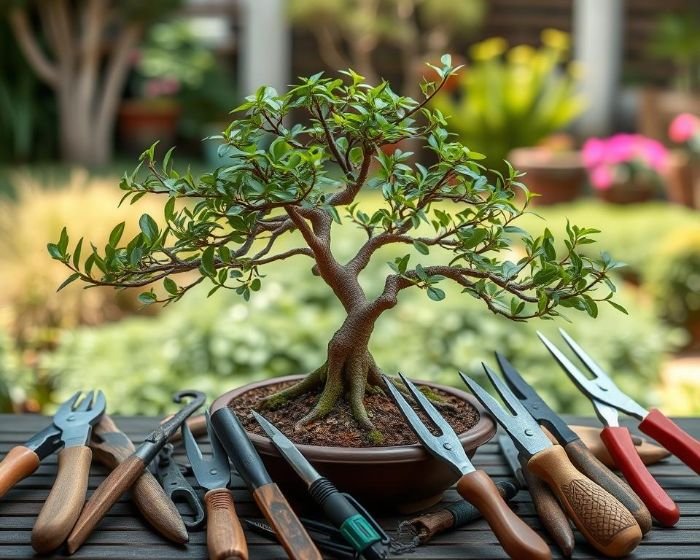
Bonsai styling is gradual. Pruning controls size, branch direction, taper, and silhouette. Wiring guides young wood as it is flexible. Defoliation, heavy branch removal, and root pruning require more advanced timing decisions. The tree needs enough leaves to recover after each styling action.
Begin with maintenance pruning. Remove dead twigs, overly long shoots, crossing growth, and weak interior foliage that receives no light. Structural pruning can wait until the tree is strong, identified, and growing in the right container. Wire branches when they bend cleanly, then check often so wire does not bite into the bark.
| Technique | Beginner Use | Risk To Avoid |
|---|---|---|
| Maintenance pruning | Shorten new shoots and keep the outline readable | Removing all fresh growth from a weak tree |
| Structural pruning | Select main branches and remove poorly placed growth | Major branch cuts before the tree has recovered from repotting |
| Wiring | Place young branches into better angles | Wire scars from tight wraps or late removal |
| Pinching | Control soft new growth on suitable species | Weakening trees that need leaf mass to regain energy |
| Deadwood or carving | Leave for experienced work on appropriate species | Creating wounds the tree cannot seal or compartmentalize |
Sharp, clean tools matter because bonsai cuts are small and visible. If the same pruners are used around the garden, review how to choose pruners so live bonsai branches get cleaner slices with less crushed tissue.
Repot And Root Prune When The Tree Is Ready
Repotting is a health operation. It renews broken-down soil, corrects drainage, reduces circling roots, and rebuilds the fine root pad that lets the tree live in a small container. It is also stressful, so timing and recovery matter.
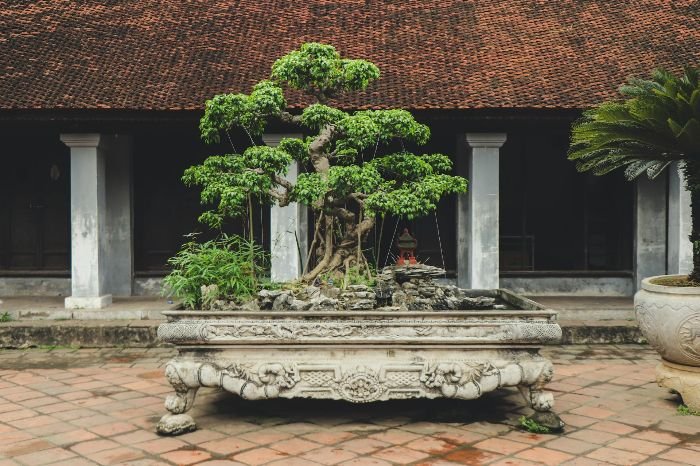
Temperate bonsai are usually repotted in early spring during dormancy as buds begin to swell, because root work is safer before full leaf demand begins. Tropical bonsai are often repotted during warm active growth. Species, age, vigor, climate, and soil condition change the timing. A tree that has just been heavily pruned, wired hard, or weakened by pests should usually recover before root work.
| Repotting Signal | What It Means | Next Move |
|---|---|---|
| Water drains slowly through old soil | Particles may have broken down or roots fill the pot | Plan repotting at the right seasonal window |
| Roots circle tightly around the pot edge | Tree is becoming root-bound | Comb roots and reduce carefully during repotting |
| Tree lifts from pot as one hard mat | Root pad has filled the container | Refresh soil and reset tie-down wire |
| Growth slows despite good light and watering | Root space, soil oxygen, or nutrition may be limiting | Inspect roots before changing fertilizer heavily |
| Tree is weak or newly styled | Energy reserve may be low | Delay major root pruning unless drainage failure is urgent |
After repotting, secure the tree firmly, water thoroughly, protect it from harsh wind and intense sun, and delay heavy pruning until new growth shows recovery. A stable tree grows new fine roots faster than a loose tree rocking in the pot.
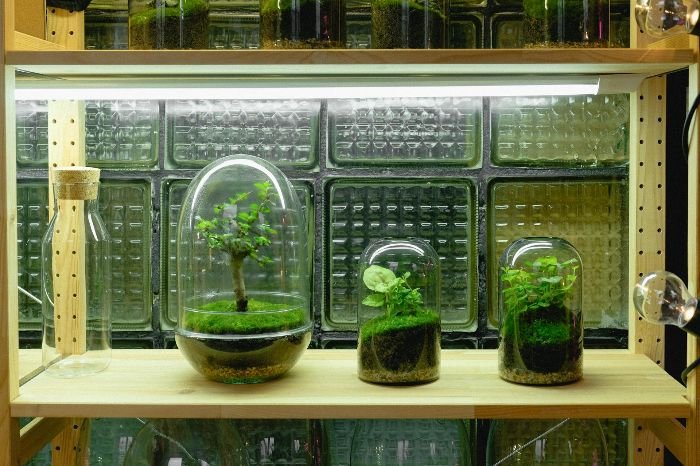
Read Seasonal Problems Before They Become Decline
Bonsai problems usually show up first as watering, light, root, or timing issues. Yellow leaves, weak shoots, dropped foliage, brittle tips, soft roots, and sudden dieback are clues. The right response depends on recent care, species, season, and soil condition.
| Symptom | Likely Cause | Immediate Check | Better Next Step |
|---|---|---|---|
| Yellow leaves and wet soil | Overwatering, poor drainage, low light, or root stress | Check drainage holes, smell roots, and reduce watering frequency | Move to brighter light and plan soil correction if drainage is slow |
| Crisp tips and dry root ball | Underwatering, dry wind, heat, or hydrophobic mix | Soak and rewater until the root ball accepts water | Check moisture daily during heat and move out of harsh wind |
| Long weak shoots | Low light or indoor placement for an outdoor species | Compare placement with species needs | Increase light or move the tree outdoors if the species requires it |
| Wire marks on bark | Wire left too long during active growth | Remove wire before it cuts deeper | Rewire later with looser spacing if the branch still needs direction |
| Slow recovery after styling | Too much foliage, root, or branch work at once | Stop further styling and stabilize watering and light | Wait for strong new growth before the next intervention |
Outdoor bonsai also need winter planning. Protect roots from repeated freeze-thaw, drying wind, and warm indoor rooms that break dormancy early. Indoor tropical bonsai need winter light support, lower fertilizer, and close pest checks because dry heated rooms favor mites and scale.
Conclusion
Growing bonsai trees in pots starts with keeping a small root system healthy. The tree needs the right species match, enough light, a container that drains, a soil mix with air space, and watering based on the root zone. Styling comes after the tree is stable enough to respond.
A beginner bonsai needs health and recovery before a finished shape. It needs a container stage that fits its development, careful observation, clean pruning, patient wiring, and repotting only when the tree and soil are ready. That slower rhythm is what turns a potted tree into bonsai over time.
FAQ
Can any tree become a bonsai?
Many woody trees and shrubs can be trained as bonsai. Beginner success depends on species tolerance, leaf size, branch response, local climate, and container care. Start with a species known to handle pot culture well.
Should a beginner bonsai stay indoors?
Only tropical and subtropical bonsai are good indoor candidates. Juniper, pine, maple, elm, azalea, and many temperate trees usually need outdoor light, airflow, and seasonal dormancy.
How often should bonsai trees be watered?
Check the soil often and water when the active root zone is approaching dry. Frequency changes with pot size, soil mix, species, heat, light, wind, and season.
Do bonsai trees need special soil?
Yes. Bonsai soil should drain quickly, hold some moisture, and keep air spaces open around fine roots. Heavy garden soil and dense houseplant mixes often stay too wet in shallow pots.
When should a bonsai be moved into a shallow pot?
Move into a shallow bonsai pot after the trunk, main roots, and primary branches have enough development for refinement. Young trees often grow better in training containers first.
Can you prune and repot bonsai at the same time?
Light trimming may be fine on a vigorous tree. Heavy canopy pruning and heavy root pruning together can weaken the tree. Beginners should separate major work unless they have species-specific guidance.