



Last Updated June 14, 2026
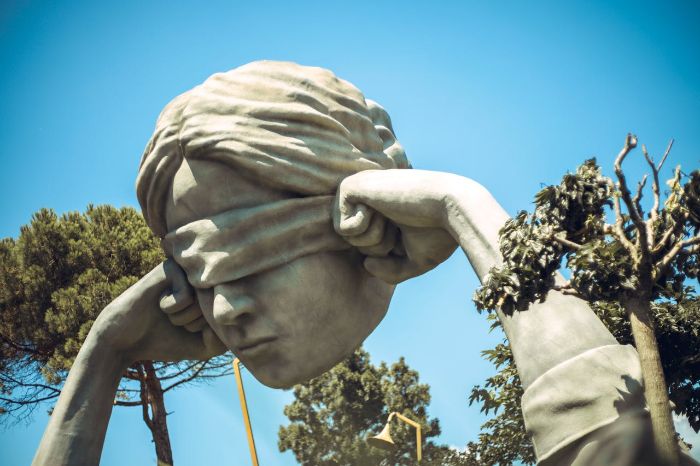
Garden statues in garden design work when they give the eye a clear place to land. A statue can mark the end of a path, hold a quiet corner, frame a view from the house, or give a planting bed a year-round focal point after flowers fade.
Poor statue placement is easy to spot. Small figures disappear under summer growth. Bright resin animals can break the mood in a formal border. Heavy stone statues look stranded on lawn when there is no base, backdrop, or reason to be there. The object may be attractive on its own; the garden still has to give it a job.
A lasting statue placement starts with role, view, scale, and setting. Choose what the statue should do first. Then match its size, material, base, background, planting, and light to that job.
Key Takeaways
- A garden statue should have a clear job: focal point, threshold marker, quiet detail, seasonal anchor, or path cue.
- Placement works best when the statue is visible from a real view, such as a path, patio, gate, bench, or window.
- Scale depends on viewing distance, backdrop, base height, and surrounding planting.
- Plants should frame the statue without hiding the face, gesture, outline, or base.
- Stone, bronze, concrete, ceramic, resin, and metal age differently outdoors.
- Lighting should reveal form and shadow with controlled glare, soft angle, and enough darkness around the statue.
Table of Contents
Choose The Right Statue Role Before Style
The strongest statue choice begins with its garden role. Style matters after the statue has a design job. It may need to stop the eye at the end of a path, make a shaded corner feel finished, give a bed winter structure, or create a small moment near a bench.
Walk through the garden and mark the places where the eye already pauses. Path turns, gate openings, patio views, steps, wall ends, and gaps between shrub masses are natural statue locations. A statue placed in one of these points feels connected to movement. A statue dropped into leftover space usually feels decorative and temporary.
Use this quick role check before buying or moving anything:
| Statue Role | Best Location | Best Form | Design Risk |
|---|---|---|---|
| Main focal point | End of path, lawn axis, patio view, gate view | Tall figure, urn, abstract form, animal, or classical piece with strong outline | Too small for the viewing distance |
| Threshold marker | Beside steps, gate, arbor, or entry path | Pair of small figures, stone spheres, lanterns, or guardian forms | Blocking movement or feeling too formal |
| Quiet discovery | Beside a bench, under shrubs, near a slow path bend | Small figure, bird, carved stone, ceramic piece, or weathered object | Hidden by foliage by midsummer |
| Seasonal anchor | Perennial bed, winter border, or herb garden | Stone, bronze, concrete, or dark metal with year-round presence | Competing with peak-season flowers |
| Theme support | Cottage garden, formal courtyard, Japanese-inspired corner, wildlife garden | Piece that matches the garden mood and plant palette | Theme becoming too literal or crowded |
If the garden already has many ornaments, choose one lead statue and let the rest become supporting details. A garden with three equal focal points in one view rarely feels stronger; it usually feels restless.
Place Statues On Real Sightlines
A statue earns its place when it appears from a view people actually use. Stand at the kitchen window, patio door, main path, driveway gate, garden bench, and deck steps. These views show where the statue will work during normal daily use and during a deliberate garden walk.
Path-end placement is the classic move because it gives the eye a destination. A statue at the end of a path should sit slightly beyond the walking surface, with planting or a wall behind it. If it sits directly in the path, it becomes an obstacle. If it sits too far back in the border, the path loses its visual finish.
Corner placement works when the corner has shelter. A statue set against a fence panel, clipped hedge, brick wall, yew, holly, boxwood, or dense shrub mass reads as intentional. A statue in a bare corner with exposed fence posts, bins, hose reels, or patchy soil reads as clutter.
Use a temporary marker before committing. Place an empty pot, bucket, stool, or cardboard box where the statue might go. Look at it from the main views at morning, noon, dusk, and after rain. If the marker feels awkward, the finished statue will probably feel awkward too.
Garden pathway design shapes statue placement when a figure is meant to draw the eye along a route. The path width, curve, surface, and stopping point decide whether the statue feels discovered or merely passed.

Match Scale To Viewing Distance
Scale is the most common failure with garden statues. A piece that looks large in a shop can look weak from a patio. A tall figure that looked elegant online can dominate a small courtyard when the viewer stands only a few feet away.
Judge scale from the main viewing distance. Small statues under 18 inches work best within arm’s reach, beside a seat, on a low wall, or in a container group. A 24- to 36-inch statue can hold a small bed or path turn. Pieces over 4 feet need more open space, stronger anchoring, and a background that can absorb their presence.
| Viewing Distance | Useful Statue Size | Best Setting | Check Before Installing |
|---|---|---|---|
| 1 to 3 feet | 8 to 18 inches | Bench edge, container group, tabletop, low wall | Can details be seen without bending? |
| 4 to 8 feet | 18 to 36 inches | Small bed, path bend, step landing, herb garden | Does planting leave the outline visible? |
| 8 to 15 feet | 3 to 5 feet | Path end, lawn edge, courtyard, shrub-backed border | Does the base look wide enough? |
| 15 feet or more | 5 feet or larger | Open lawn, long axis, broad terrace, formal view | Is the silhouette strong from the house? |
Base height changes scale. A 24-inch statue on a 16-inch plinth becomes a 40-inch focal point. That added lift can help a small piece rise above low planting or make a modest figure look stiff. Test height with stacked pavers or an overturned pot before building a permanent base.
When scale feels uncertain, choose the simpler shape. Strong silhouettes carry distance better than fine detail. A bird, urn, sphere, seated figure, or carved abstract shape often reads more clearly from a patio than a detailed figure with small gestures.
Use Background And Bases To Make The Statue Belong
A statue needs a visual field behind it. Dark evergreen foliage can sharpen pale stone. Pale gravel or a light wall can reveal dark bronze, black metal, or weathered cast stone. Brick can warm classical figures. Timber and grasses can soften contemporary metal.
Busy backgrounds weaken statues. Mixed flowers, thin stems, garden tools, furniture, railings, fence gaps, and bright containers can cut through the outline. The viewer may see color and clutter before seeing the statue.

A stable base makes the statue feel settled. Flat stone, gravel, a low plinth, a wall cap, concrete footing, or a paved square can separate the piece from wet soil and give it visual weight. Extra width around the footprint also keeps the piece from looking top-heavy.
Hardscaping in garden design matters when the statue sits near steps, walls, gravel, edging, or paving. The built surface decides whether visitors can approach safely and whether the statue stays level after frost, rain, foot traffic, or mower vibration.
Drainage is part of the design. Water pooling around a base stains stone, encourages algae, and can shift small plinths during freeze-thaw cycles. A gravel bed under the base, a slight slope away from the statue, or a raised stone pad often prevents the slow damage that starts at ground level.
Plant Around Statues Without Hiding Them
Plants should frame the statue, set its mood, and soften the base while keeping the figure visible through midsummer growth. Mature height matters more than nursery size, especially with ornamental grasses, hydrangeas, salvias, catmint, ferns, and fast-growing annuals.
Use low plants at the base, medium plants to the sides, and taller plants behind. This creates a pocket around the statue and keeps growth from becoming a thicket over it. Low thyme, sedum, dwarf mondo grass, ajuga, creeping phlox, or gravel can keep the base visible. Boxwood, yew, holly, viburnum, arborvitae, ornamental grasses, or clipped shrubs can form the rear frame.
Flowers work best when they support the statue’s season. White flowers can brighten a shaded stone figure. Purple salvia can make pale cast stone feel cooler. Rusty grasses can echo weathered metal. Bright mixed annuals around a detailed figure often create visual noise.
Leave an inspection gap. A few inches of open gravel, mulch-free stone, or low groundcover around the base makes cleaning easier and keeps stems from trapping moisture against the material. Aim irrigation heads away from the statue so one side does not collect mineral stains or algae.
Choose Materials That Age Well In Your Garden
Outdoor statue materials age in different ways. Stone weathers slowly and gains character. Tree litter can stain the surface. Cast stone and concrete are heavy and stable; porous surfaces can chip or darken in damp shade. Bronze and copper alloys develop patina. Iron can rust. Stainless steel reflects planting and sky. Resin is light and affordable, with cheap versions fading or cracking faster in sun and cold.
The site should guide the material. Windy open gardens need weight and anchoring. Shaded fern corners usually suit stone, ceramic, or bronze more reliably than painted resin. Coastal or poolside gardens need corrosion-resistant choices. Full-sun courtyards need material that resists fast fading and uncomfortable surface heat.

If the statue is meant to stay outside year-round, material durability deserves more weight than novelty. Weather-resistant outdoor sculpture materials are especially important for exposed sites, freeze-thaw climates, and pieces placed near irrigation.
For a garden with a strong theme, keep the material palette narrow. Stone and clipped evergreens suit formal gardens. Weathered metal and grasses suit contemporary or prairie-style spaces. Terracotta, carved stone, and aged concrete suit cottage gardens. Bronze, dark stone, and simple plinths suit quiet courtyards.
Use Lighting To Reveal Shape And Shadow
Garden statue lighting should reveal shape, shadow, and texture. Straight front light can make a statue look flat. A low side light brings out folds, carving, face planes, and surface texture. Narrow uplights can make vertical statues read from farther away.
Mock up lighting at dusk before installing fixtures. Move a portable light 6 to 12 inches at a time and watch how the face, base, and background change. The best angle often sits slightly off-center, letting the statue keep depth and avoid a bright cutout effect.
Keep glare out of the viewing path. A fixture that shines into eyes from a patio or path will make the statue harder to enjoy. Hide lights behind low foliage, inside gravel, beside a plinth, or at the edge of a bed. Warm light usually suits stone, bronze, brick, and planting better than cold white light.
Garden spotlights and uplighting can help a statue remain the focal point after sunset. One or two well-aimed fixtures usually give the statue more shape than a ring of equal lights. Darkness around the statue gives the lit form its shape.
Protect Statues With Simple Seasonal Care
Statue care starts with observation. Check the base after heavy rain, winter thaw, and spring cleanup. Leaning, wobbling, new cracks, rust streaks, flaking paint, loose fragments, moss buildup, or pooling water all show that the site or material needs attention.
Use the gentlest cleaning method first. A soft brush, water, and patience are safer than harsh cleaners on stone, cast stone, bronze, painted metal, ceramic, and resin. Aggressive cleaning can remove patina, coatings, paint, or surface detail that protects the material or gives the statue character.
For valuable, historic, coated, bronze, painted, or structurally complex outdoor pieces, maintenance planning should include inspection, cleaning, coating, and treatment guidance from the artist, installer, or a conservation professional. That is especially important when water, pollutants, frost, vandalism, mowing equipment, or public access can damage the object.
Keep records for important pieces. Photograph the statue from all sides after installation, save material and maker details, and note cleaning dates or repairs. A simple yearly image makes it easier to notice slow leaning, staining, fading, or surface loss.
Common Garden Statue Mistakes
Most statue problems come from the setting. A good statue can look weak when the garden gives it poor scale, a noisy background, unstable footing, or no view.
- Buying the statue before deciding where it will be seen from.
- Choosing a piece too small for the main viewing distance.
- Placing a figure in a border where summer plants hide the base or face.
- Using a base that is narrower than the statue’s visual weight.
- Letting irrigation spray stone, metal, resin, or painted surfaces.
- Putting several novelty pieces in one view with no lead focal point.
- Lighting the statue from the front and flattening its form.
- Ignoring the view from windows, patios, and sitting height.
Start with the easiest correction. Move one pot, prune one shrub, widen one gravel pad, raise one small statue on a stone, or rotate the piece toward the real viewing angle. Small placement edits often do more than buying another ornament.
When A Statue Becomes A Sculpture Garden
One statue can serve a garden as a focal point. Two or three can create rhythm if they sit in separate views. Once several pieces compete for attention, the garden needs a more deliberate art-display plan.
A collection needs spacing, sequence, and a route. Each piece should have its own view and enough open space to reset the eye before the next one appears. A dedicated outdoor art area needs sculpture garden design that handles collection layout, negative space, viewing sequence, and outdoor art display planning in more depth.
This boundary matters in real gardens. A single figure, urn, animal, guardian, or small sculpture should strengthen an existing garden. A sculpture garden plan has a different job: it organizes multiple works as a focused outdoor gallery.
Conclusion
A garden statue has lasting impact when it does a clear design job. It should hold a view, mark a pause, support a theme, or anchor a bed through every season. The statue itself matters; placement gives it scale, context, and a reason to hold the view.
Choose the role first, then test the view, scale, background, base, plants, material, lighting, and care. When those decisions line up, even one statue can make a garden feel more settled, personal, and visually complete.
FAQ
Where should I place a garden statue?
Place a garden statue where people already look or pause: the end of a path, a patio view, a gate, a bench corner, a step landing, or a gap in a shrub border. The statue should have a clear background and enough open space for its outline to read.
How big should a garden statue be?
Size depends on viewing distance. Small statues under 18 inches work best close to seating, containers, or low walls. A 2- to 3-foot statue can hold a path bend or small bed. Larger pieces need stronger bases, more viewing distance, and cleaner backgrounds.
What is the best material for garden statues?
Stone, cast stone, concrete, bronze, and stainless steel usually carry long-term outdoor exposure more reliably than lightweight decorative resin. The best choice depends on exposure, climate, garden style, and maintenance tolerance. In damp shade, avoid porous or painted pieces that are hard to clean.
Should a garden statue be on a base?
Most statues look better and last longer with some form of base. A flat stone, gravel pad, plinth, wall cap, or concrete footing keeps the piece level, separates it from wet soil, and gives the design more visual weight.
Can garden statues go in flower beds?
Yes, if the planting stays low enough to leave the outline, face, gesture, and base visible. Use low plants around the base, medium plants at the sides, and taller plants behind. Keep irrigation spray and dense stems away from the statue.