




Updated April 23, 2026
An April gardening checklist works best when it separates cool-season planting, warm-season staging, frost protection, mulch timing, and early growth correction. Some beds are ready for peas, lettuce, brassicas, and hardy annuals. Others are still too cold, too wet, or too close to frost for tomatoes, basil, zinnias, and most tender bedding plants.
Plant by category and conditions, not by one warm afternoon. April work falls into five jobs: planting cool-season crops, staging warm-season crops through hardening off, protecting against late frost, mulching only after the soil is ready, and correcting early growth with thinning, support, and watering.
April Gardening Checklist At A Glance
Plant now
- Direct sow peas, spinach, lettuce, radishes, carrots, and beets where the soil is workable
- Set out brassica transplants and hardy annuals such as pansies and snapdragons
Wait
- Keep tomatoes, peppers, basil, zinnias, marigolds, beans, cucumbers, and squash in the staging lane until nights and soil warm up
- Hold tender bulbs and tubers like dahlias and cannas out of cold, wet ground
Protect
- Harden off seedlings over about a week and keep row cover ready for late frost or rough wind
- Install pea supports, labels, hoops, and quick covers before fast growth begins
Mulch
- Weed first, water if dry, then mulch only after the soil has warmed enough for the crop already in place
- Spread about 2-3 inches and keep mulch pulled back from stems, crowns, and trunks
Monitor
- Thin crowded seedlings early and watch for wet spots, crusting, or slow drainage before they become bigger soil problems
Table of Contents
April Gardening Checklist Timing – Read Frost Position And Soil Texture First
Adjust the month by frost position
| Your April position | What leads the month | What still waits |
|---|---|---|
| More than three weeks before last frost | Cool-season vegetables, brassica transplants, hardy annuals, support setup, and hardening off | Tender annuals and most warm-season vegetables |
| One to three weeks before last frost | Succession sowing, hardy flowers, hardening off, mulch prep, and quick frost protection | Anything badly slowed by nights below 45 F |
| At or just after last frost | Warm-season transplants can begin if soil is warming and nights are moderating | Planting by date alone while the soil still runs cold |
Raised beds and containers may run slightly earlier than in-ground beds, but they still need safer nights and warmer soil. Ornamental borders are the cleaner place for hardy annual transplants now, while tender bedding plants still belong on the warmer side of the month.

Soil temperature for planting and seasonal garden care help match April work to crop thresholds, frost position, and bed readiness.
What To Plant In Early And Mid-April – Cool-Season Crops And Hardy Annuals
Cool-season vegetables and hardy annuals are the main planting work of April. Cool-season crops need the first month of growth to stay cool and moderate, not hot and rushed. That is why a later planting can look fast at first and still underperform the earlier one by the time heat arrives.
| April-ready group | Good bets | Why they fit April |
|---|---|---|
| Direct-sown cool-season vegetables | Peas, spinach, lettuce, radishes, carrots, beets, turnips | They germinate in cool soil and make better early growth before summer pressure builds |
| Cool-season transplants | Broccoli, cabbage, kale, cauliflower, chard | They establish better in cool air than in late-spring heat |
| Hardy annuals | Pansies, snapdragons, sweet alyssum, calendula, dianthus, ornamental kale | They tolerate light frost and give color while tender bedding plants still need protection |
Peas are the classic April crop because delay costs them twice. They lose the cool germination window at the front end and the cool production window at the back end. Lettuce, spinach, and radishes are similar in a different way. They can still grow later, but flavor and texture often peak when the month stays cool. Carrots and beets ask for more patience at emergence, yet April sowing is still worth it when the soil is workable and not waterlogged.
Brassica transplants also belong here. Broccoli, cabbage, and kale usually settle in better when roots meet cool soil instead of sudden warmth. Harden them off, set them firm, water them in, and keep row cover ready if a hard chill threatens. Cool conditions help these crops build structure before heat shifts them toward stress.
Hardy annuals belong in April planning because they tolerate the cool side of spring better than tender bedding plants. Cold tolerance separates spring annuals clearly: some can take light spring frost, others cannot. Pansies and snapdragons are the right plants for the part of spring when color is possible but true summer bedding plants are still a risk.
Hardy annuals – seed or transplant?
Use transplants when you want fast color or quick structure in containers, border edges, and visible front-of-bed spots. Pansies, snapdragons, sweet alyssum, and dianthus usually earn that approach. Direct sow hardy flowers when you have open in-ground space and a longer cool runway. Sweet peas, bachelor’s buttons, calendula, and larkspur are better candidates there. Transplants give immediate fill, while direct sowing gives broader coverage if you start early enough and thin properly.

Pro Tip: Plant hardy annuals where you know tender annuals will eventually go. That gives beds finished color now, then a clean swap later when warm nights finally settle in.
One practical April habit helps all of these crops and flowers: sow or plant in smaller waves rather than in one pass. Lettuce, radishes, and greens stay useful longer when seeded every 7-10 days. That keeps the month from creating one oversized flush followed by a gap.
What Still Waits In April – Tender Annuals, Warm-Season Vegetables, And The Hardening-Off Gap
Warm-season vegetables and tender annuals usually still need staging in April. Warm-season crops such as tomatoes and eggplant should go out after danger of frost, and seedlings should be hardened off first. That advice matters because cold April nights can damage growth even when they do not fully kill the plant.
| Wait-until-warmer group | Examples | Why April often hurts them |
|---|---|---|
| Warm-season vegetables | Tomatoes, peppers, eggplant, basil, beans, cucumbers, squash, melons | Cold soil and chilly nights slow roots, stunt growth, and increase rot or transplant shock |
| Tender annuals | Zinnias, marigolds, petunias, impatiens, vinca, cosmos, coleus | They are damaged or killed by frost and often sulk badly in cold nights even if they survive |
| Tender bulbs and tubers | Dahlias, cannas, caladiums | Cold, wet ground can rot planting material before active growth even begins |
The main April job for these plants is transition, not planting. Harden off indoor seedlings over about a week or a little longer. Start with sheltered shade, then filtered sun, then longer outdoor stretches while watching the night forecast. Bring seedlings back in if temperatures are expected below 45 F.
Hardening off is more than sun exposure. It is wind exposure, temperature fluctuation, and irrigation adjustment. A seedling raised under still air and perfect light responds to outdoor conditions like a greenhouse plant, not like a garden plant. If you move it straight from shelf to bed, the leaves scorch, the stem wilts, and the root zone takes too long to catch up.
Tender annuals also split into two different April workflows. Petunias, impatiens, coleus, and similar bedding plants are usually transplant tasks once nights warm up. Zinnias, cosmos, sunflowers, beans, cucumbers, and squash are often cleaner as direct-sown or very short-start crops after the soil is genuinely warm. April gardening tips and tasks for warm-season planting should follow frost risk, hardening off, and soil warmth.
Containers and raised beds often warm sooner than heavy in-ground beds, but they do not remove the need for warmer soil and safer nights. Keep nursery annuals on a bright porch or protected patio for another week if needed, and use row cover to buffer short cold snaps.
Mulch In April – Apply It After The Soil Is Ready, Not Just Because Spring Started
April is prime mulching season, but sequence matters. Mulch should go onto weed-free, moist soil, and organic mulch should be applied after crops have begun to grow and after the soil has warmed. Mulch helps preserve the temperature and condition already sitting under it.
| Bed type | Best April mulch move | Main caution |
|---|---|---|
| Vegetable rows with established seedlings | Use a light layer of straw, leaf mold, or compost after seedlings are up and the soil has warmed a bit | Do not bury tiny stems or lock in cold mud around new sowings |
| Annual and perennial beds | Top-dress after weeding and watering, keeping crowns and stems clear | Fresh mulch does not fix weeds already growing underneath it |
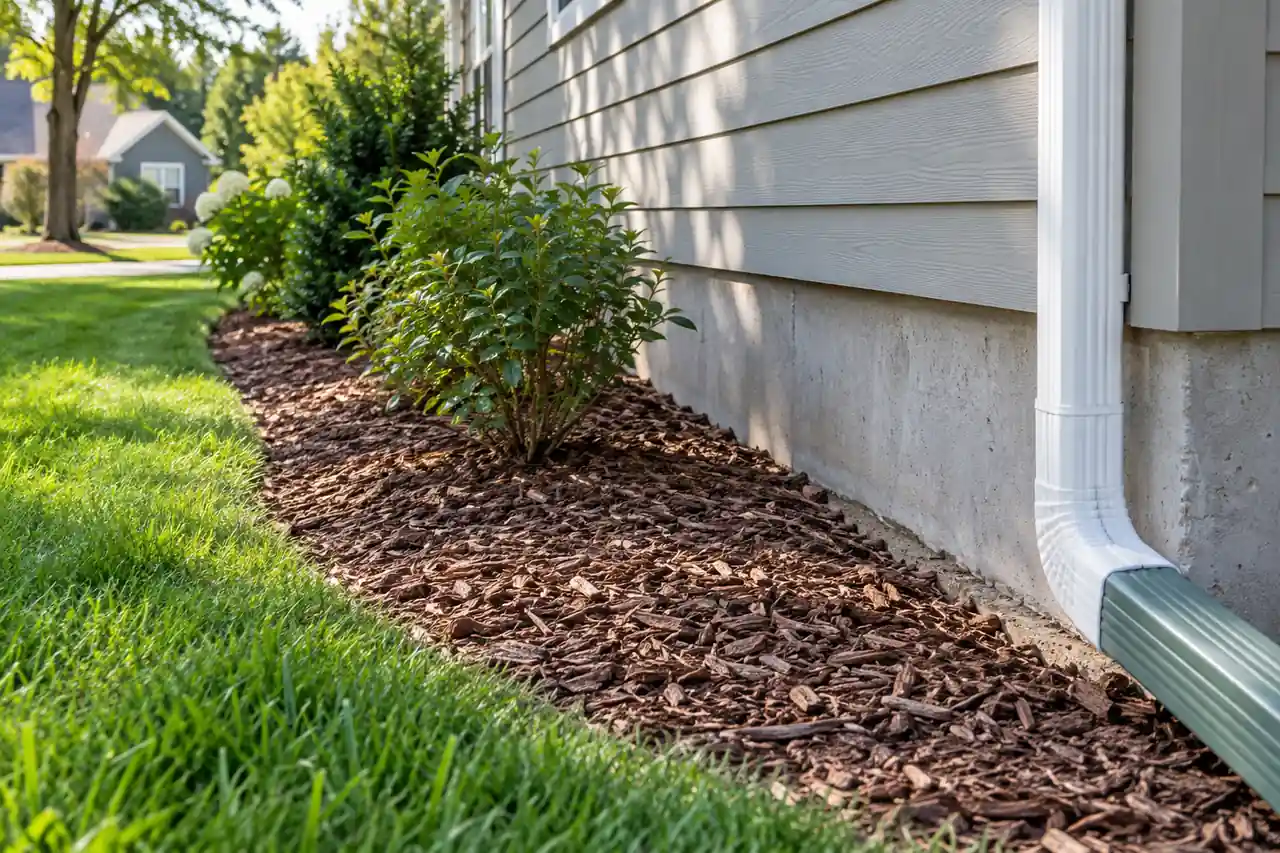
| Trees and shrubs | Refresh a flat mulch ring over the root zone | Never pile mulch against trunks or shrub bases |
| Cold, saturated, or compacted beds | Wait, then fix timing, drainage, or soil condition first | Mulch can preserve the problem you hoped it would solve |
Weed first, water if dry, then mulch. If the soil is dry when you mulch, it stays dry. If weeds are already rooted, mulch mostly hides them until they punch through. If the soil is wet and cold, mulch can slow the warm-up and keep the surface sluggish longer than you wanted.
Depth matters too. Around most beds, 2-3 inches is usually enough to block light from weeds without trapping too much moisture near crowns. Too little lets weeds through. Too much reduces airflow and creates an easier path to stem and crown problems. Keep mulch pulled back from stems and trunks rather than packed right to them. Mulching for soil health depends on the same weed control, moisture timing, and stem-clearance logic.
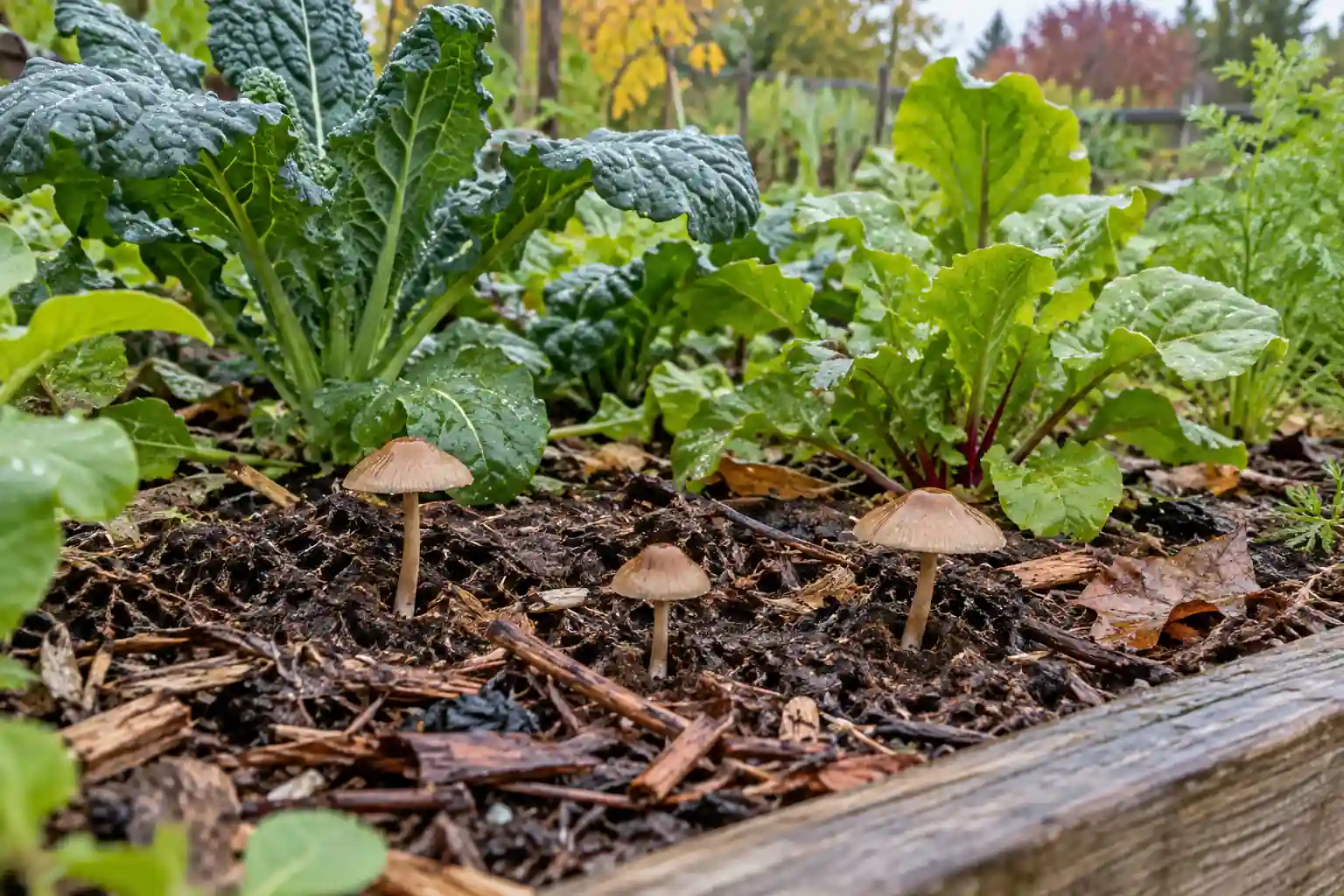
April is also the month to match mulch to the bed instead of dumping one material everywhere. Straw suits vegetable rows and paths well. Shredded leaves or leaf mold fit mixed beds and feed the soil as they break down. Bark looks tidy in ornamental beds and around shrubs, but in a vegetable bed it can be more decorative than useful. The best April mulch is the one that supports the crop and the workflow, not only the one that looks neat at first glance.
After Planting In April – Thin, Support, Water, And Protect Early
Handle the first April corrections early. Thin carrots, beets, lettuce, and radishes before crowding slows them down. Set supports before peas and flowers flop. Water newly planted seedlings by root-zone moisture, not by midday wilt alone.
Thin early and support early
Thin direct-sown rows while seedlings are still easy to separate mentally and physically. Radishes, beets, lettuce, and carrots all benefit when you remove the crowding before roots start competing hard. Set supports for peas, cool-climate flowers, and early climbers before they actually need rescue. The best staking is usually invisible because it happened early enough.

Water by root-zone reality, not by spring optimism
April breezes, bright sun, and shallow new roots dry young plants faster than cool temperatures suggest. But that does not make every wilt a watering emergency. Newly planted transplants need firm watering at planting and then follow-up based on the root zone, not on the leaf posture at noon alone. Underwatering in garden plants should be judged through root-zone moisture, not leaf posture alone.
The goal is even moisture while roots move outward. Not dust-dry, not swampy. April plants often struggle more from uneven watering than from true drought. A seedling that swings between soggy and bone-dry never settles into steady growth.
Keep protection close
Row cover, frost cloth, hoops, cloches, and a few spare stakes do more in April than a shelf of products you never open. Warm-season transplants may need quick cover for one or two nights. Brassicas may need insect exclusion as weather warms. Hardy annuals may not die in a cold snap, but they still look better when a rough wind or sharp freeze is softened a little.
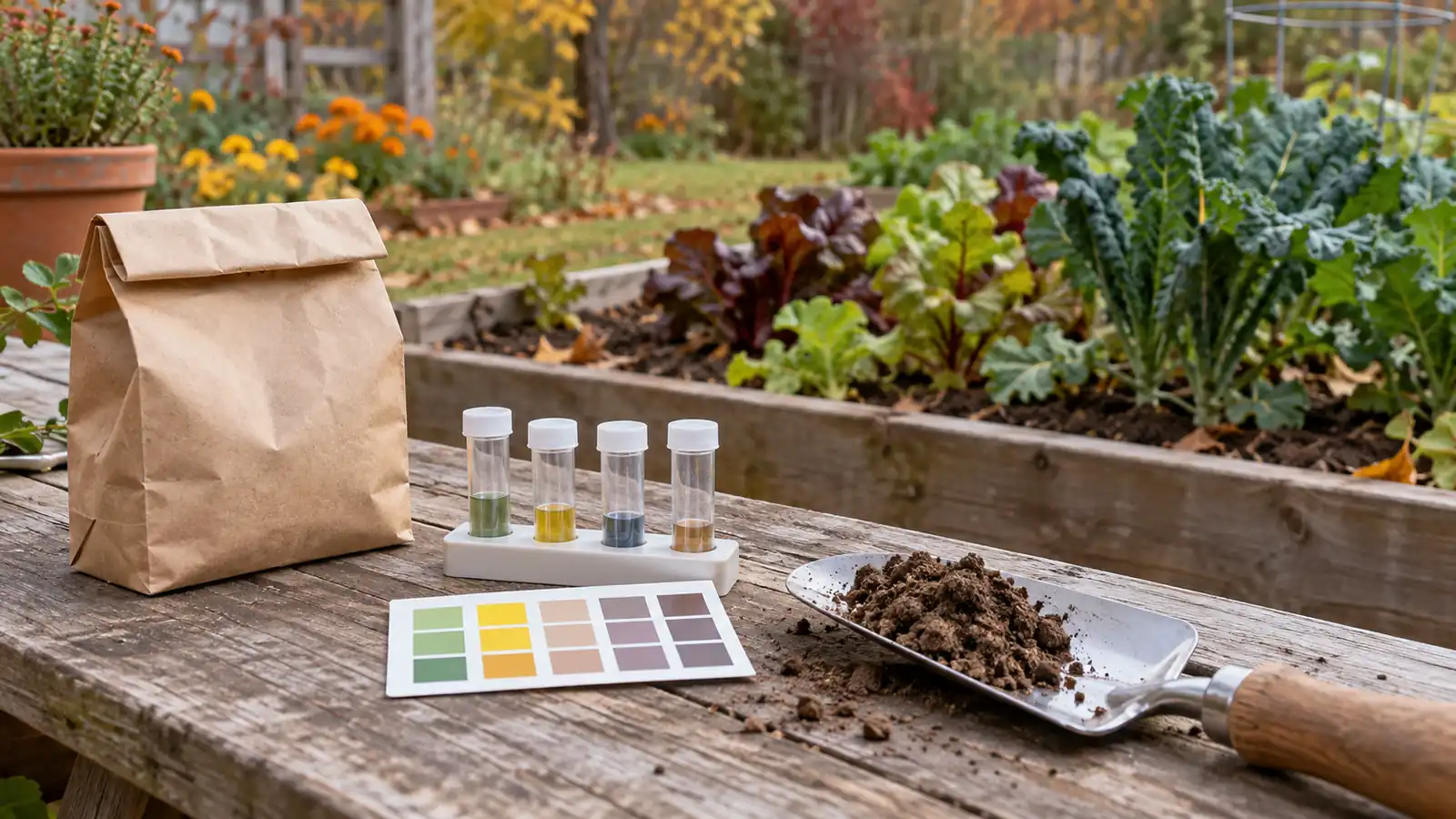
April is also the right time to notice whether a bed has a soil problem hiding under the planting rush. If water still sits after rain, if the surface seals over, or if a trowel hits a hard layer just below the top inch, soil health improvement should come before extra fertilizer tossed over the symptom.
April Mistakes That Slow The Whole Garden Down
April errors usually start when gardeners plant what feels exciting instead of what conditions allow, or use finishing tasks like mulch to cover unfinished soil and timing problems.
| Tempting April move | What it usually causes | Better April decision |
|---|---|---|
| Plant tomatoes and peppers after one warm weekend | Cold stress, stalled roots, purple foliage, and slow recovery | Keep hardening them off and wait for warmer nights and warmer soil |
| Skip peas, lettuce, and hardy annuals because summer crops feel more exciting | Missed cool-season harvests and a lost color window | Use the cool half of spring for crops and flowers that actually want it |
| Mulch over weeds or cold, soggy soil | Hidden weed pressure, slower warm-up, and stem or crown trouble | Weed, water, and wait for better soil condition first |
| Move seedlings straight from indoors to full sun | Scorch, wilt, and transplant shock | Harden off in stages for about a week or a little more |
| Water shallowly every day after planting | Weak surface rooting and unstable moisture | Water deeply enough to settle roots, then monitor the root zone |
| Leave supports, labels, and row cover for later | Messy rework once growth speeds up | Install the small systems before the plants force your hand |
April mistakes travel forward fast because May amplifies everything. A cool-season crop planted late reaches heat too early. A tender annual planted early spends weeks surviving instead of growing. A bed mulched too deep stays wetter and colder than the rest of the garden.
Conclusion
An April gardening checklist works when crop category, frost position, and soil condition control the order of work. Plant cool-season crops and hardy annuals while the soil stays workable and nights stay cool, stage warm-season plants through hardening off, and mulch only after the bed is weeded, moist, and warm enough for active growth.
FAQ
What vegetables should I plant in April?
In most gardens, April is strongest for cool-season crops such as peas, lettuce, spinach, radishes, carrots, beets, kale, broccoli, cabbage, and cauliflower. If the soil still smears in your hand or shines after a turn with the trowel, hold direct sowing and switch to hardening off, support setup, or container prep until the bed is workable.
Can I plant tomatoes in April?
Sometimes, but only when frost danger is largely behind you and the nights are no longer running cold. In many gardens, April is still the hardening-off month for tomatoes, not the in-ground month. Raised beds and large containers may let you move slightly earlier than cold in-ground soil, but nights below about 45 F still make the wait the better move.
What flowers can I plant in April?
April is strongest for hardy flowers and cool-season color. Pansies, snapdragons, sweet alyssum, calendula, dianthus, bachelor’s buttons, sweet peas, and larkspur are better fits for the cool side of spring. Zinnias, marigolds, cosmos, impatiens, and coleus are warmer-season flowers that should wait for safer nights and warmer soil.
When should I mulch in April?
Mulch after the bed is weeded, the soil is moist, and the surface has warmed enough for the crop or planting already in place. If the soil still smears or feels cold and soggy, hold mulch and fix timing or drainage first. Mulch preserves the condition under it, whether that condition is good or bad.
How long should I harden off seedlings in April?
About a week is a good minimum, and some crops benefit from a little longer when wind, sun, and night temperatures are still rough. Start in sheltered shade, increase exposure gradually, and pull plants back in when nights are colder than the crop can reasonably take.
Should I sow annual flower seeds in April or buy transplants?
Use transplants when you want quick color or structure right away, especially for pansies, snapdragons, alyssum, and other hardy spring fillers. Sow seed when the flower prefers direct sowing or when you need coverage over a larger space. In many gardens, hardy flowers like sweet peas, calendula, and bachelor’s buttons fit that lane earlier than tender summer flowers like zinnias and cosmos.
What if the soil is still too wet to work in April?
Wait and shift to tasks that do not damage the bed. Harden off seedlings, set supports, weed paths, prep containers, and organize row cover. Working wet April soil usually creates a compaction problem that lasts longer than the delay you were trying to avoid.