
Last Updated May 01, 2026
Edible landscaping uses fruits, herbs, leafy crops, flowers, and trained trees as part of the visual design of the yard. The goal is a garden that reads clearly from the street, feels inviting from the path, and still gives real harvests through the season.
The strongest foodscapes do not begin with a grocery list. They begin with garden jobs. One plant needs to frame an entry. Another needs to edge a path, screen a fence, fill a container, or hold color through summer. Once the role is clear, the edible plant list gets better fast.
This is where many edible landscapes fall apart. A bed can look exciting in May, then turn tangled by July because tomatoes were asked to behave like shrubs, lettuce was used as a long-term border, or sprawling squash was placed in the most formal sightline in the yard. Beauty, harvest, and maintenance have to agree with each other.
Reliable edible landscape plants include dwarf or trained fruit trees, berry shrubs, flowering herbs, ornamental foliage crops such as chard and kale, edible flowers, strawberries, and a small set of seasonal vegetables used where their growth habit actually suits the design. A productive garden can still look disciplined when plant shape, harvest access, and seasonal timing are planned together.
Key Takeaways:
- Choose edible plants by landscape role before choosing them by recipe
- Use dwarf trees, berry shrubs, herbs, and foliage crops as the main structure
- Keep harvest access, fruit drop, and seasonal mess in the design from day one
- Front-yard edible planting works best when repetition and clear edges keep it tidy
- Only harvest from clean soil and plants with a known spray history
Edible landscaping usually works best with a backbone of shrubs, trees, herbs, and repeating perennials, then a smaller layer of seasonal edibles for quick harvests and fresh color. Blueberries, dwarf apples, chives, thyme, rosemary, artichoke, rainbow chard, alpine strawberries, nasturtiums, and compact peppers all have a place when the garden role matches the plant habit.
Table of Contents
What Edible Landscaping Actually Is
Edible landscaping is a design approach, not a separate plant category. Many gardeners call it foodscaping. The idea is simple: choose plants that earn space twice, first as part of the layout and second as part of the harvest.
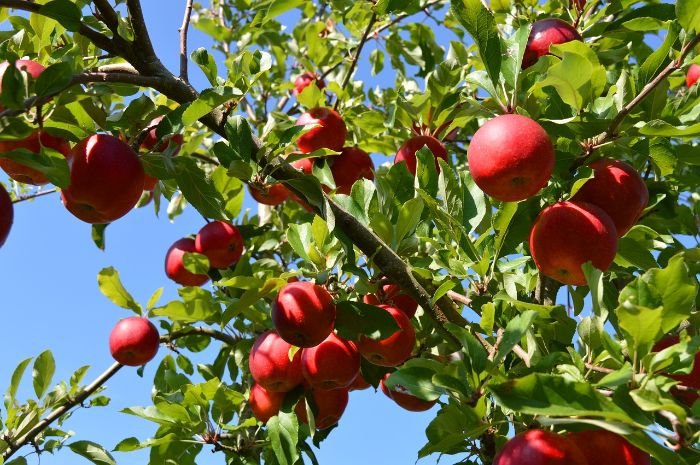
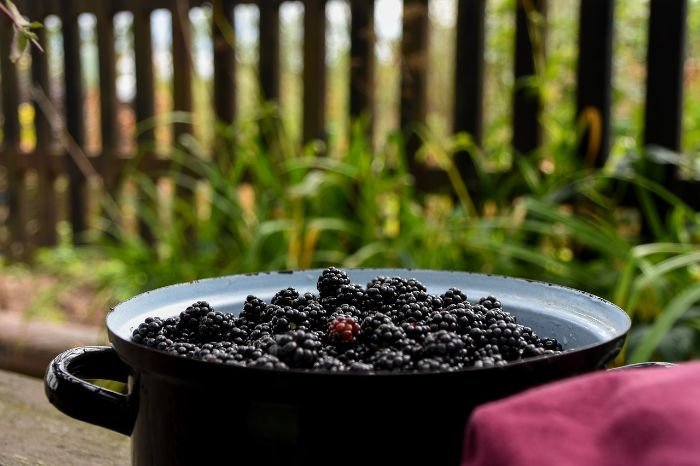
That makes edible landscaping different from a standard vegetable patch. A row of tomatoes can be productive and still have little value as a front-yard composition. A blueberry hedge, espaliered pear, clipped thyme edge, or drift of rainbow chard can contribute form, repetition, seasonal color, and food at the same time.
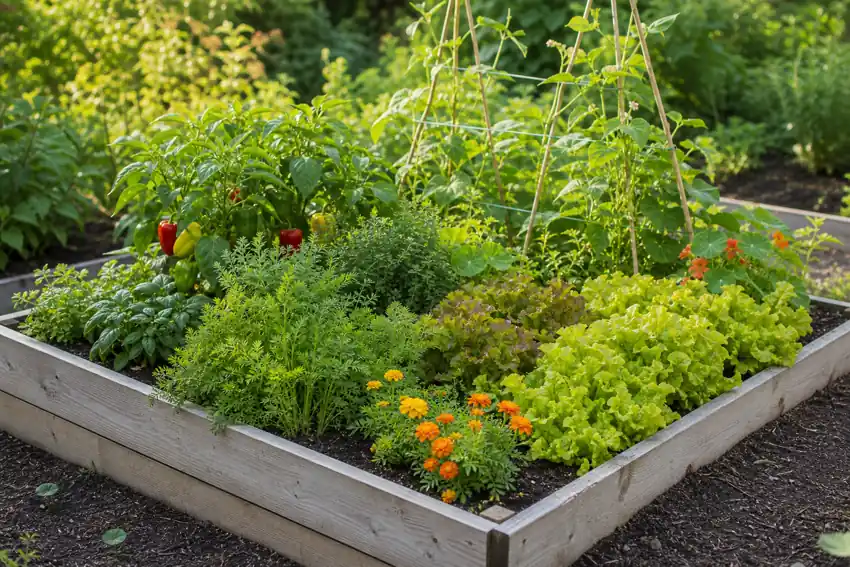
The best edible landscapes usually combine permanent and seasonal layers. Permanent layers hold the garden together: shrubs, trees, path-edge herbs, berries, and trained fruit. Seasonal layers add color and quick picking: lettuces, basil, peppers, calendula, nasturtiums, beans, or compact tomatoes. That balance keeps the garden from feeling empty in spring or ragged by late summer.
It also keeps expectations honest. Some edibles are beautiful for weeks. Others carry the structure for years. Edible landscaping works when those differences are used well, not ignored.
Choose Edible Plants By Garden Job, Not By Grocery List
Most edible-landscape mistakes start with appetite. The gardener lists favorite crops, buys one of everything, and only later notices that the bed has no rhythm. Broader plant selection matters because edible value is only one filter. Mature size, structure, sightlines, season length, climate, and maintenance still decide whether the planting works.
Think in garden jobs first. Some edible plants are good framework plants. They hold the scene for months or years and give the eye a clear shape. Others are seasonal fillers. They bring a burst of foliage or flowers and then leave space for the next crop. Others are path-edge plants, container plants, screening plants, or ground-level softeners.
The Jobs That Keep A Foodscape Readable
Framework plants give the garden its bones. Dwarf apples, trained pears, blueberries, figs in suitable climates, rosemary in mild zones, and large clumps of artichoke or rhubarb can hold visual weight well.
Seasonal foliage and color plants keep the beds alive through the main growing months. Rainbow chard, ornamental kale, lettuce mixes, bronze fennel, basil, peppers, and calendula are useful here because their leaves or flowers stay visible even before harvest.
Edge plants keep the front line clean. Thyme, chives, oregano, alpine strawberries, parsley, and compact sages help a bed look intentional at close range.
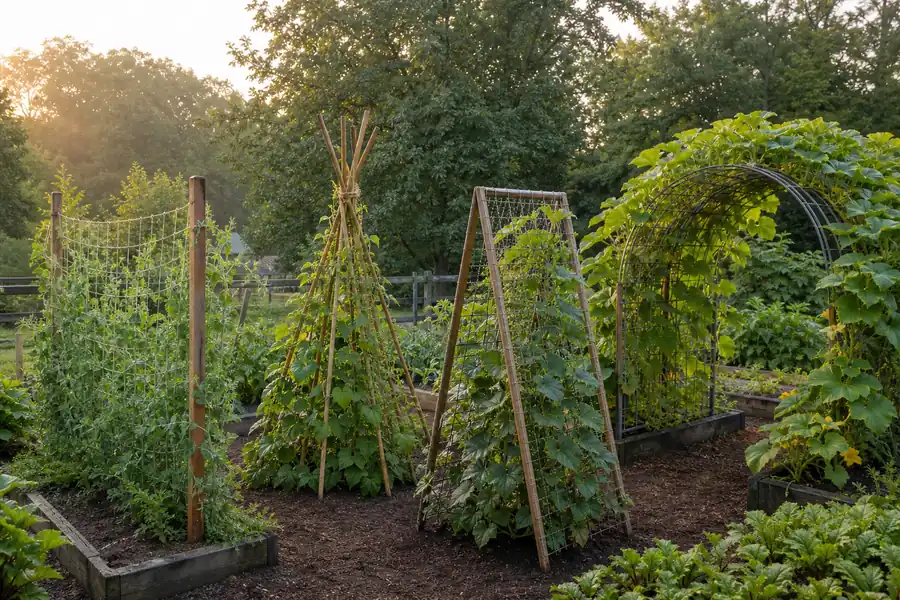
Screen and vertical plants solve privacy, fence softening, and narrow-space production. Espalier fruit, grapes where climate and disease pressure allow, and seasonal climbers such as runner beans all belong in this category.
Container plants handle the spots where the harvest should stay close to the kitchen or where the main bed should remain more formal. Basil, peppers, strawberries, compact tomatoes, thyme, and even dwarf citrus in the right climates work well in that role.
I often notice that gardeners overplant seasonal crops and underplant the permanent shapes that keep the whole yard calm.
A good foodscape still feeds the household. It simply chooses the right crop for the right visual role. One strong blueberry shrub can do more for a front border than six scattered tomato cages ever will.
Best Edible Plant Groups For Beauty, Structure, And Harvest
Once the garden job is clear, the plant groups become easier to sort. The strongest choices usually give one of three things very well: structure, foliage presence, or reliable harvest in a controlled footprint.
| Plant group | Best landscape job | Visual strength | Harvest value | Main caution | Strong examples |
|---|---|---|---|---|---|
| Dwarf or trained fruit trees | Focal points, espaliers, entry anchors, small-yard structure | Blossom, branching pattern, fruit, and seasonal form | Fresh fruit over many years | Pruning, pollination needs, fruit drop, climate fit | Dwarf apple, pear, fig, peach, or citrus where suited |
| Berry shrubs | Low hedges, mixed borders, repeating shrubs, four-season planting | Flowers, foliage, berries, and often strong fall color | Easy picking from a compact footprint | Bird pressure, soil pH for some crops, mature spread | Blueberry, currant, gooseberry, elderberry where space allows |
| Flowering and edging herbs | Path edges, sunny borders, patio pots, front-of-bed detail | Fine texture, scent, bloom, evergreen form in mild climates | Frequent kitchen harvests from tidy plants | Overwatering, winter wetness, letting vigorous herbs run loose | Thyme, chives, oregano, sage, rosemary, parsley |
| Foliage crops with ornamental weight | Seasonal color blocks, mixed borders, edible accents | Bold leaves, stem color, dramatic texture | Leaves, stalks, buds, or immature heads | Season length, bolt timing, slug pressure, summer decline | Rainbow chard, ornamental kale, bronze fennel, artichoke, basil |
| Edible flowers and annual fillers | Gaps between perennials, color near seating, small-space interest | Long bloom and bright seasonal signal | Flowers or young leaves for garnish and salads | Short life span, deadheading, unclear spray history on purchased plants | Nasturtium, calendula, viola, borage, marigold where edible variety is confirmed |
| Ground-level edibles | Soft path edges, raised-bed rims, container spillers | Low coverage and neat front-edge finish | Easy snacking or small repeated harvests | Mud splash, pet traffic, fruit hidden under dense foliage | Alpine strawberry, compact strawberries, thyme, low parsley plantings |
| Climbers and screening plants | Vertical production, fence softening, seasonal privacy | Height, repetition, and fast surface coverage | Fruit or pods without using much ground space | Support strength, summer bulk, pruning, harvest reach | Espalier apples or pears, grapes, runner beans, cucumbers on tidy supports |
Fruit trees and berry shrubs need more than good placement. Some need a compatible pollination partner, enough winter chill where relevant, reachable pruning access, and a harvest zone where dropped fruit will not turn the main path into a cleanup problem.
Some edible landscape decisions need more specific plant detail. Dwarf fruit trees for small home gardens and compact spaces need rootstock, pruning, pollination, and variety planning. Edible flowers for home gardens and culinary use need accurate identification, clean growing history, and safe culinary handling.
The everyday edible landscape usually performs best with a few repeatable groups used well: one or two woody anchors, one berry layer, a line of herbs, one foliage-crop palette for seasonal color, and containers for the fast-changing crops that would otherwise disturb the whole composition.
Edible Landscape Design – Build Layers, Repetition, And Clean Harvest Access
Design is what separates a foodscape from a crowded vegetable bed. The strongest edible landscapes repeat a limited number of forms, keep the permanent structure visible, and leave room for the gardener to harvest without trampling the scene. Basic landscape design principles such as rhythm, scale, focal points, and restraint keep edible planting readable from more than one angle.
Start with layers. Trees or tall screens belong at the back, side boundary, or main focal point. Berry shrubs and mid-height herbs usually carry the middle layer. Low herbs, strawberries, lettuces, and edible flowers handle the front edge. Containers and annual fillers can sit near entries, patios, or the kitchen door where close harvest matters most.

Front-Yard Order Matters
Front-yard edible landscaping works when the permanent lines stay disciplined. Repeated blueberry shrubs, clipped thyme edges, one trained fruit tree, and a narrow ribbon of seasonal color can feel polished from the street. Large staked tomatoes, sprawling squash, floppy corn, and overgrown cucumbers usually belong in a more private zone or in a clearly framed seasonal bed.
That does not make those crops less useful. It simply assigns them to the right visual context. A side yard, fenced kitchen garden, or a row of large containers can carry the most productive summer crops without making the main entry look temporary.
Plan For Harvest Movement
Harvest access should be visible in the layout. Leave enough reach to pick berries, snip herbs, and prune trained fruit without stepping through the planting. Fruit that drops, stains, or attracts wasps should stay away from the front door and the narrowest sections of the main path. Thorny berries belong where hands can work safely around them.
Seasonal rhythm also shapes harvest access and visual order. Cool-season lettuces and violas can hold a spring edge, then give way to basil, peppers, or compact zinnias as summer takes over. A design that plans those handoffs feels active without looking chaotic.
Containers are part of this logic, not an afterthought. They let high-turnover crops live close to the house while the ground beds hold the calmer long-term structure. In patio-heavy spaces, best plants for container gardening help match root volume, watering demand, and harvest access to limited space.
Harvest, Safety, And Maintenance – The Parts That Make Foodscapes Work
Edible landscaping succeeds when the garden is pleasant to pick from, safe to eat from, and realistic to maintain through the year. Those three parts are easy to skip on planting day and impossible to skip once the bed is mature.
Safe-To-Eat History Matters
Only harvest from beds and plants with a clean enough history for food use. If a shrub or herb came from a source that cannot tell you what was sprayed on it, give it time before treating it like a pantry crop. The same rule applies to older landscape beds that may have received repeated ornamental pesticide applications in the past.
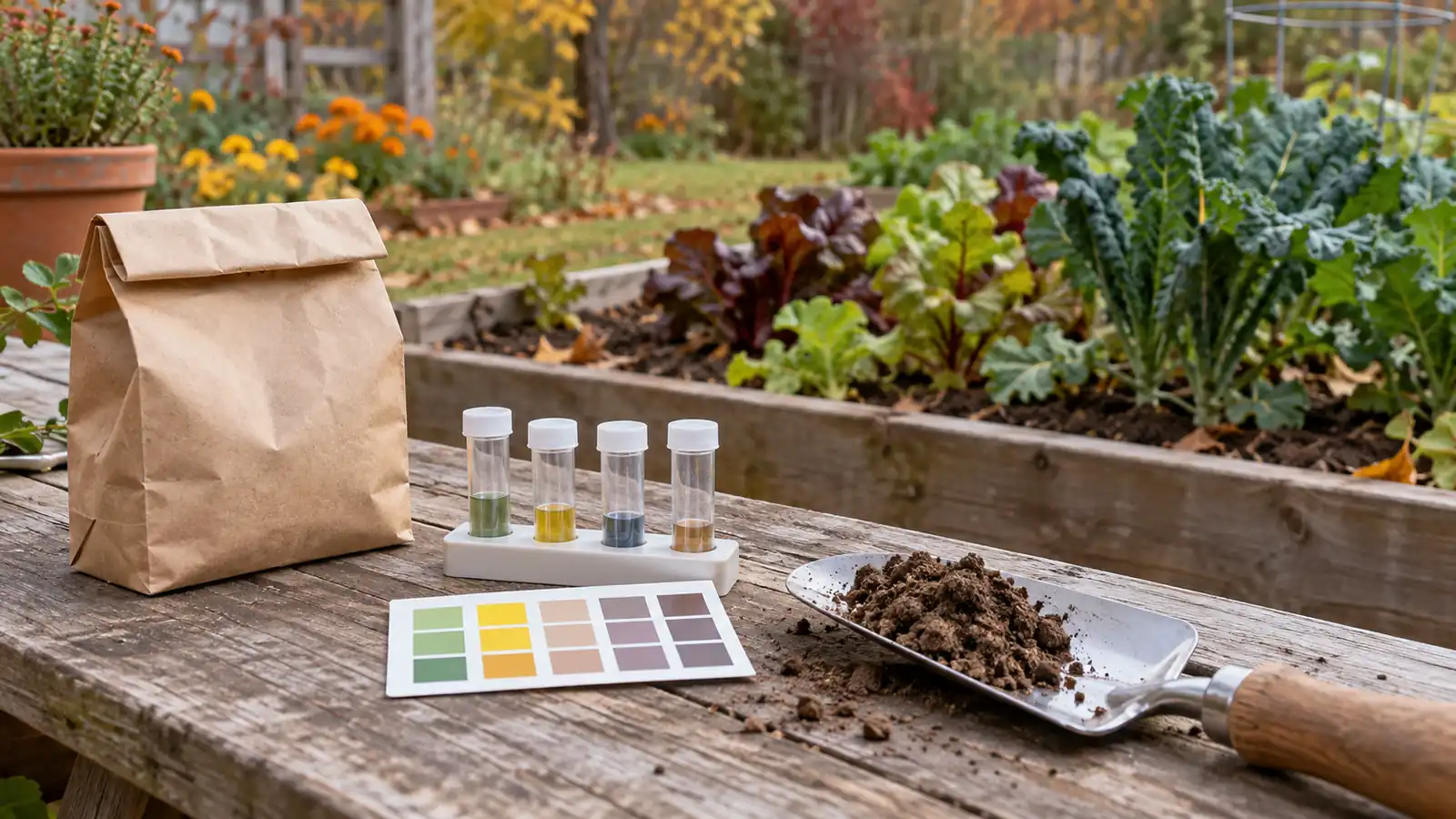
Soil deserves the same caution. If the site sits near an older foundation, a busy road, or fill soil of unknown origin, test the soil before growing food directly in it. Leafy crops and root crops deserve the cleanest ground. Raised beds or large containers with fresh mix solve uncertainty faster than hoping the site is fine.
Front-yard details matter as well. Pet traffic, winter deicing salt, road splash, and overspray from lawn services all change which edible plants make sense close to the curb. A neat blueberry or rosemary bed may still be a better fit than a patch of salad greens beside the sidewalk.
Maintenance Should Match The Setting
Edible beds need a maintenance rhythm that matches the house view. A formal front border usually asks for tighter pruning, faster succession, and cleaner edges than a back-garden food patch. That is another reason to keep the backbone simple and use a limited seasonal palette instead of dozens of unrelated crops.
Soil care also changes the result over time. A productive foodscape cannot live on appearance alone. Compost, mulch, and realistic feeding matter, especially in beds where leaf crops and fruiting crops share root space. Soil health improvement helps when the layout looks right and the growth still stays weak.
Seasonal upkeep is part of the design, not extra work added later. Fruit trees need pruning, berries need renewal, herbs need trimming, and quick crops need timely replacement. Seasonal garden care keeps the edible landscape from sliding from beautiful to overgrown between flushes of harvest.
Pro Tip: In the most visible part of the yard, place the highest-maintenance edibles closest to the house and the most stable structure farthest from it. That keeps daily attention where it is easiest to give.
An Edible Landscaping Matrix – Match Plants To Front Yards, Borders, Containers, Screens, And Small Spaces
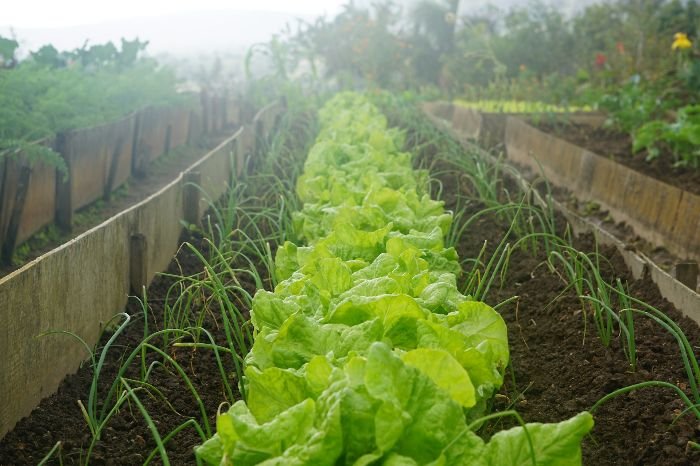
Most gardeners choose better when the planting situation is named first. Match the space first, then narrow the edible plant list from that role.
| Garden situation | Best edible plant roles | Strong examples | Why it works | Main caution |
|---|---|---|---|---|
| Front-yard foundation or entry bed | Permanent structure, clipped herbs, compact seasonal color | Blueberries, thyme, chives, sage, rainbow chard, alpine strawberries | Reads tidy from the street and still gives regular picking | Avoid sprawling or heavily staked crops in the main view |
| Sunny mixed border | Berry shrubs, foliage crops, herbs, edible flowers | Blueberry, artichoke, bronze fennel, basil, calendula, nasturtium | Combines structure with color and repeated harvests | Plan succession so one seasonal crop does not leave a hole |
| Patio containers near the kitchen | Quick-harvest herbs, compact fruiting crops, edible flowers | Basil, parsley, thyme, strawberries, peppers, compact tomatoes | High convenience and easy daily harvest | Containers dry fast and need regular feeding and watering |
| Fence, wall, or trellis screen | Vertical crops and trained fruit | Espalier apple or pear, grapes, runner beans, cucumbers on clean supports | Uses height without taking much bed space | Support strength and pruning discipline matter more here |
| Small yard with one focal planting | One edible anchor plus repeating low layers | Dwarf fruit tree with blueberries, thyme, chives, and seasonal lettuces | Creates a clear center without crowding the space | Too many different plant types make the bed look busy fast |
| Narrow sunny path edge | Low herbs and ground-level edibles | Thyme, oregano, chives, parsley, alpine strawberries | Softens hard edges and keeps harvest close at hand | Watch for foot traffic, road splash, and muddied fruit |
| Part-shade edible border | Leaf crops, cool-season fillers, shade-tolerant berries or herbs | Currants, parsley, sorrel, chives, lettuces in cool weather | Keeps less-sunny beds productive without forcing sun crops there | Fruit production is usually lighter than in full sun |
Edible landscaping can work well in small spaces when the plant roles stay narrow. One dwarf fruit tree, a few containers, a narrow herb edge, and one repeated berry shrub often outperform a crowded attempt to grow every vegetable in one visible bed. Where the space is extremely tight, vertical gardening techniques for small spaces at home make trellis use, height, and narrow-footprint production more important.
Common Edible Landscaping Mistakes
EEdible landscapes usually struggle for a few repeat reasons.
- Choosing plants by recipe alone and giving no job to the planting.
- Using too many fast summer crops in the most formal view of the yard.
- Ignoring mature width, staking needs, or fruit drop under trees and vines.
- Mixing high-water leafy crops with dry-loving herbs on one schedule.
- Harvesting from plants with an unclear spray history or from questionable soil.
- Forgetting succession, so the bed looks full in spring and empty after the first harvest.
- Using one specimen each of many plants, with no repetition to calm the design.
- Expecting a foodscape to stay beautiful with no pruning, trimming, or seasonal reset.
Another common mistake is putting the messiest crops where the eye lands first. Corn, winter squash, indeterminate tomatoes, and bulky cucurbits can be excellent crops. They simply need a bed or enclosure that allows for their size and seasonal bulk. The edible landscape gets stronger when every crop does not need to play the same role.
A beautiful foodscape usually uses fewer plant types, clearer layers, and a more selective harvest palette than gardeners expect at first. That restraint is part of the reason it keeps looking good after the novelty wears off.
Conclusion
Edible landscaping works when the garden is asked to do both jobs clearly: feed the household and hold the yard together visually. That happens through structure, repetition, harvest access, and honest plant matching more than through collecting many edible species in one place.
A strong foodscape may use fewer crops than a dedicated vegetable plot. It uses them with more purpose. The result is a garden that offers blueberry blossom in spring, thyme at the path edge in summer, fruit or herbs within reach of the kitchen, and a layout that still looks composed after the harvest basket is full.
FAQ
What is edible landscaping?
Edible landscaping is the use of food plants as part of the visual design of the yard. Trees, shrubs, herbs, flowers, and seasonal crops are chosen for structure, color, texture, and harvest at the same time.
What plants work best in edible landscaping?
The most reliable choices are usually dwarf or trained fruit trees, berry shrubs, flowering herbs, rainbow chard, ornamental kale, strawberries, and a limited group of edible flowers or compact vegetables used in the right place. Plants with a controlled footprint and clear ornamental value are usually the strongest performers.
Can edible plants still look ornamental?
Yes. Many edible plants already have strong ornamental features: blueberry fall color, apple blossom, rainbow chard stems, artichoke foliage, thyme edging, basil leaves, chive flowers, and nasturtium bloom. The design improves when those plants are repeated in groups and matched to a suitable role.
How do you design an edible landscape?
Start with structure, then add seasonal harvest. Use trees, shrubs, and herbs for the permanent lines, add foliage crops and flowers for seasonal color, and keep paths and harvest access clear. Repeat a small number of plant types so the yard reads as one garden.
Can edible landscaping work in front yards?
Yes. Front-yard edible landscaping works best with tidy forms, repeated shrubs, clipped herbs, trained fruit, and restrained seasonal crops. The most sprawling or high-maintenance vegetables usually fit better in side yards, rear beds, or framed container areas.
What edible plants work in small spaces or containers?
Compact herbs, strawberries, peppers, basil, parsley, thyme, alpine strawberries, small tomatoes, and dwarf citrus or figs in suitable climates are good small-space options. Espalier fruit and vertical beans can also add production without taking much floor space.
How do you keep edible landscaping safe to eat?
Grow food in clean soil, know the spray history of the plant and the bed, and be cautious with older urban sites or curbside strips. Raised beds and containers are a good solution when soil history is uncertain.
Which crops usually look messy in a formal edible landscape?
Large tomatoes, squash, pumpkins, sweet corn, and many vigorous cucurbits often become visually bulky and need strong support or extra room. They can still be worth growing, and they usually perform better in a less formal bed or a clearly separated production zone.