

Last Updated May 02, 2026
Cold-hardy plants keep winter gardens alive through frozen soil, wind, low sun, and weeks of bare structure. The best ones do more than survive. They hold shape, color, berries, bark, seedheads, or evergreen foliage when most of the border has gone flat.
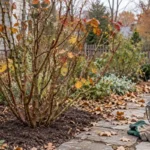
A bed that looked rich in August can read empty by January. Frost-blackened stems slump into the mulch, the tallest perennials collapse into a wet mat, and every leafless shrub turns one gray tone unless the planting was built with winter in mind.
Winter gardens need a different selection logic from summer borders. Flower count matters less. Stem strength, bud protection, leaf cuticle, bark color, berry persistence, and root-zone drainage matter more once the ground starts locking up at night.
Reliable cold-hardy planting starts with hardiness, then moves to exposure, drainage, mature form, and the kind of winter interest each plant carries. Evergreen shrubs, berrying deciduous shrubs, bark-interest stems, winter seedheads, and late-winter bloomers each handle a different job in the layout.
Key Takeaways:
- Choose cold-hardy plants for winter shape, bark, berries, foliage, and seedheads, not summer bloom alone
- Hardiness zones are only the first filter; wind, winter sun, drainage, and freeze-thaw cycles decide real survival
- Evergreen shrubs and dwarf conifers give the backbone that keeps winter beds from reading empty
- Containers need tougher plant choices because roots freeze faster above ground than in a border
- Seedheads, bark color, and persistent fruit keep a garden useful long after petals are gone
A strong winter garden rarely depends on one plant type. The scene holds better when evergreen mass, deciduous stems, fruiting shrubs, and perennial skeletons share the work. Hellebores, redtwig dogwoods, winterberry, dwarf spruces, sedges, bergenia, coneflower seedheads, and upright grasses each contribute a different cold-season signal.
Table of Contents
What Cold-Hardy Really Means In A Winter Garden
Cold-hardy plants survive the winter your site actually delivers: frozen root zones, bright wind, thaw-refreeze swings, and days when the sun warms the top growth long before the soil releases water back to the roots. Broader plant selection still matters because winter exposes weak matches faster than any other season.
At the tissue level, hardiness comes from dormancy timing, stored carbohydrates, lignified stems, bud scales, and cell sap that carries more dissolved sugars as temperatures fall. That concentration lowers the freezing point inside the cells. Roots, crowns, and woody stems also shed free water as winter approaches, which reduces the chance of ice crystals rupturing living tissue.
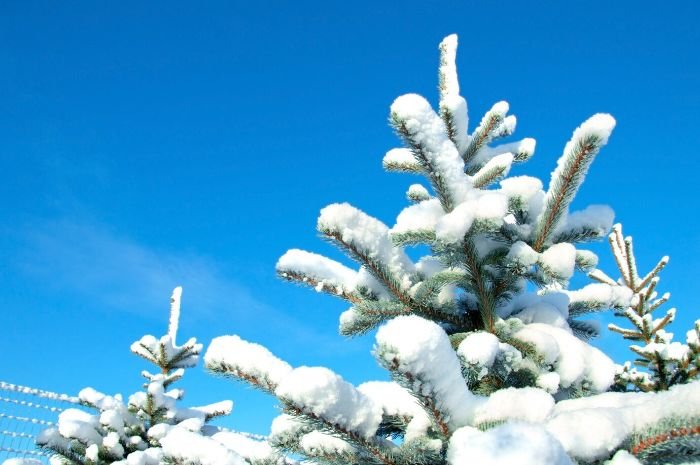
Survival alone does not produce a good winter garden. Cold-hardy survival and winter display are separate filters. One shrub comes through Zone 5 cold and still looks shredded by March when it spends the season in wind with frozen roots and bright afternoon sun. Another disappears above ground every winter and still deserves space because the crown returns cleanly and the seedheads hold through snow.
Look for two qualities at once: the plant has to come through winter in your climate, and it has to contribute something visible during the months when color is scarce. Some plants bring glossy evergreen surfaces. Others bring red stems, orange hips, dark berries, or a dry seedhead that stands upright and rattles faintly when a cold breeze cuts across the border.
Best Cold-Hardy Plants By Winter Feature
Use winter feature as the first selector. Pick the job you need, then narrow the plant list by site use and failure risk. That makes the choice easier to act on than a long mixed catalog of hardy names.
| Winter feature | Strong plant choices | Best site use | Watch for |
|---|---|---|---|
| Evergreen backbone | Dwarf spruce, juniper, inkberry holly, boxwood in sheltered low-salt sites, arborvitae | Entries, foundation beds, exposed structure, year-round anchors | Wind burn, winter sun, salt spray, crowded placement |
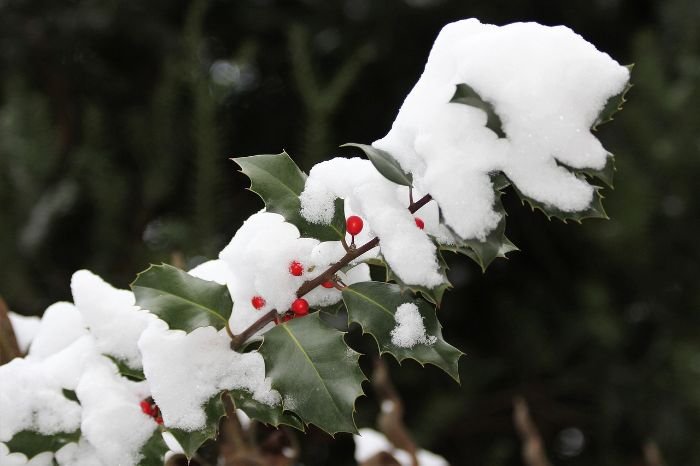
| Berries and fruit | Winterberry holly, chokeberry, crabapple, cranberrybush viburnum | Shrub rhythm, bird interest, winter color, mixed borders | Male pollinator nearby for winterberry, cultivar pairing, bird stripping, fruit drop near paths |
| Colored stems | Redtwig dogwood, yellowtwig dogwood | Wet edges, snow contrast, bright winter stem color | Old wood dulls, renewal pruning keeps new stems vivid |
| Bark and trunk texture | River birch, paperbark maple | Small-tree focus, mixed borders, winter silhouette | Mature size, branch spread, placement near structures |
| Evergreen perennials | Hellebore, bergenia, Christmas fern, sedge, heuchera | Paths, shade edges, low winter foliage, close viewing | Crown rot in wet soil, winter-heaved young plants |
| Seedheads and grasses | Coneflower, allium, switchgrass, feather reed grass, little bluestem | Winter silhouette, long borders, movement above snow | Flopping in rich soil, heavy wet snow, cutting back too early |
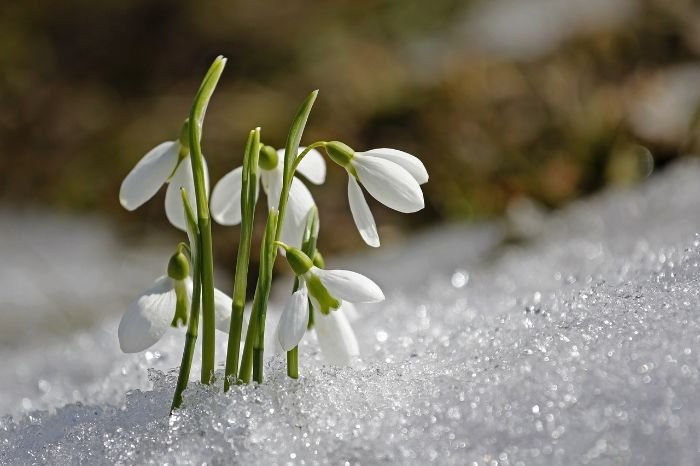
| Late-winter bloom | Snowdrops, witch hazel, winter aconite, hellebore | Close paths, entries, woodland edges, spots viewed in late winter | Small flowers need close placement, buds can be lost in deep shade |
Berrying shrubs deserve one extra check before purchase. Winterberry hollies need a compatible male nearby, and some other fruiting shrubs need the right cultivar pairing, so an otherwise healthy shrub still carries almost no fruit if that match is missing. Colored-stem dogwoods also need regular renewal pruning because the newest wood carries the brightest bark.
Use regional adaptation as the last filter. A plant hardy to the zone can still fail in local snow load, winter wet, persistent wind, or hot summers that weaken it before the next cold season arrives. The strongest winter plantings repeat a few proven choices in disciplined numbers instead of scattering many marginal ones across the bed.
Winter Interest Comes From Form, Bark, Berries, And Seedheads
Many gardeners search for winter flowers first. Winter gardens read better when flowers are treated as one layer inside a broader structure plan. Evergreen mass, branch pattern, bark color, fruit, and stem persistence carry many more days of the season than blossoms do.
Start With The Evergreen Backbone
Evergreen shrubs and conifers hold the visual frame. Their needles and waxy leaf surfaces lose water more slowly because the cuticle is thicker and the exposed surface area is smaller than a big summer perennial leaf. That physical difference is one reason junipers and dwarf spruces still register clearly after a week of hard freeze.
Place evergreen mass where the garden needs gravity: beside steps, at the far end of a border, around a seating area, or as anchors between deciduous plants that disappear into line work after leaf fall. In late afternoon winter light, a dark green mound behind pale grass plumes creates more contrast than another empty patch of mulch ever will.
Use The Deciduous Layer On Purpose
Deciduous shrubs and perennial skeletons do their best work after chlorophyll drops out of the scene. Redtwig dogwood glows harder against snow. Winterberry fruit hangs like beads once the leaves are gone. Coneflower heads turn into dark buttons on rigid stems, and upright grasses catch frost along each blade and panicle.
Texture matters at close range. Bergenia leaves feel thick and cool, almost rubbery, near a frozen walk. Old grass stems register dry and smooth, then rasp softly against each other on a windy morning. A winter garden built from those tactile and visual shifts stays interesting without demanding a constant run of bloom.
Seedheads deserve room in that plan. Leave the strongest ones standing where they will stay visible from indoors and where snow can collect around their base without burying them completely. Snow insulates crowns near the soil line, and the stems above it keep the composition from flattening during the deepest stretch of the season.
Hardiness, Exposure, And Drainage – Why Good Plants Still Fail
Winter failures almost never come from the plant label alone. The same species can stay clean in one yard and fail in the next because the site shifts the cold load. South-facing brick reflects heat by day. Wind strips moisture from leaves. Saturated clay shuts oxygen out of the crown. A slight slope drains cleanly and saves roots that would rot in a low pocket.
Use the USDA Plant Hardiness Zone Map as the temperature floor, then refine the choice with the site. Choosing plants for your climate and garden conditions helps when the yard carries several microclimates at once.
Entry beds and path edges carry one more winter hazard: salt spray, shoveled snow, compacted slush, and runoff from treated pavement. Keep sensitive evergreens and berrying shrubs back from salted walks, use tougher plants at the hard edge, and leave enough setback that plowed or shoveled snow does not snap stems or bury crowns in salty meltwater.
Wind, Winter Sun, And Leaf Burn
Broadleaf evergreens lose water on bright winter days even when the soil stays locked solid. The leaves warm in sun, stomata open slightly, and the xylem cannot replace that moisture because the roots are trapped in frozen ground. Edge burn follows. Touch a damaged leaf in late winter and it feels dry, papery, and thin, not soft.
That pattern hits boxwood, rhododendron, and similar plants hardest in exposed corners or near pavement that reflects glare. Site them where morning sun arrives early, wind is reduced, and the root zone does not freeze as shallowly.
Winter-Wet Soil And Freeze-Thaw Damage
Cold-hardy plants also fail from too much water. Saturated winter soil leaves little oxygen around the roots and crown, which slows respiration in living tissue and opens the door to rot. Pull back mulch from a failing crown in late winter and the smell is sour, with blackened tissue that smears instead of snapping dry.
Freeze-thaw damage works differently. Alternate thaw and refreeze lifts shallow-rooted perennials upward, exposes roots to air, and cracks the soil around the crown. Alpine plants, heucheras, and young fall divisions show this first. In sites that swing that way, soil preparation, drainage, and timely mulch placement matter as much as the plant list. Once an extreme event is in the forecast, frost protection for plants becomes the emergency side of winter care.
Cold-Hardy Plants For Containers, Entries, And Small Spaces
Container winter planting follows a harsher rule set than in-ground beds. The roots are exposed on every side, the pot wall sheds heat quickly, and repeated thaw-freeze movement happens faster in a small volume of mix. A plant dependable in a border fails faster in a container once the root ball is exposed on every side.
Why Pots Run Colder Than Beds
Garden soil has thermal mass. A container does not. By dawn after a hard freeze, the outer inch of potting mix can turn rigid and cold enough to lock fine roots before the center of the root ball has finished releasing heat. Small pots swing fastest, dark pots warm faster in winter sun, and that daily expansion-contraction cycle is rough on roots.
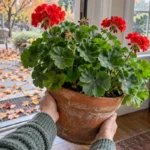
Choose container plants with extra hardiness margin and a controlled shape. Dwarf spruce, juniper, hardy sedges, heuchera, hellebore, and small evergreen shrubs fit this role better than tender broadleaf plants asked to endure an open patio. Pot size matters too. Larger containers buffer temperature better and hold moisture more evenly. Container gardening for balconies and small patio spaces depends on pot size, drainage, root insulation, and exposure control.
Keep winter containers close to a wall, raise them off ice-cold pavement with pot feet, and group them so each pot shelters the next. Entrances and porches are good places for that cluster because the eye lands there first in winter. One dwarf conifer, one sedge, and a skirt of hellebores read cleaner than a crowded mix of marginal plants fighting the cold in small pots.
Small-space winter gardens benefit from the same editing. One sturdy evergreen, one bark-interest shrub, and a band of seedhead perennials can make a narrow bed feel composed. Four unrelated plants with weak winter form rarely do.
A Winter Garden Matrix – Match Cold-Hardy Plants To The Site
Use the site first, then narrow the plant list. Winter gardens improve fast when the planting problem is named clearly before the shopping starts.
| Garden situation | Best cold-hardy plant roles | Strong examples | Why it works | Main caution |
|---|---|---|---|---|
| Sunny front entry bed | Evergreen anchors, one berry shrub, low winter foliage | Boxwood or inkberry, winterberry holly, hellebore, bergenia | Keeps the approach readable through the whole season | Keep fruit-drop plants away from the narrowest path |
| Windy exposed corner | Needled evergreens and strong grasses | Juniper, dwarf spruce, switchgrass, little bluestem | Needles and rigid stems handle desiccation better than broad leaves | Avoid tender broadleaf evergreens in the blast zone |
| Part-shade foundation or woodland edge | Evergreen perennials, ferns, bark shrubs | Hellebore, Christmas fern, sedge, redtwig dogwood | Gives close winter texture where summer shade is strong | Dense wet mulch around crowns invites rot |
| Moist low spot that stays cold | Shrubs and perennials that accept winter moisture | Winterberry holly, redtwig dogwood, river birch, moisture-tolerant sedges | Turns a hard site into a winter feature instead of a loss zone | Skip plants that demand sharp drainage |
| Long mixed border that feels empty after frost | Seedheads, grasses, repeating evergreen mounds | Coneflower, allium seedheads, feather reed grass, inkberry | Maintains vertical rhythm after summer perennials collapse | Rich soil and crowding make grasses flop under snow |
| Large winter containers by a porch or patio | Extra-hardy evergreens and compact foliage plants | Dwarf spruce, juniper, hardy sedge, heuchera, hellebore | Delivers winter structure close to the house | Use larger pots and add hardiness margin for root safety |
Cold-hardy planting is not one universal list. A wet low bed asks for a different palette from a hot south-facing entry or an exposed balcony pot. Once those jobs are separated, the winter garden becomes easier to design and easier to trust.
Common Cold-Hardy Planting Mistakes
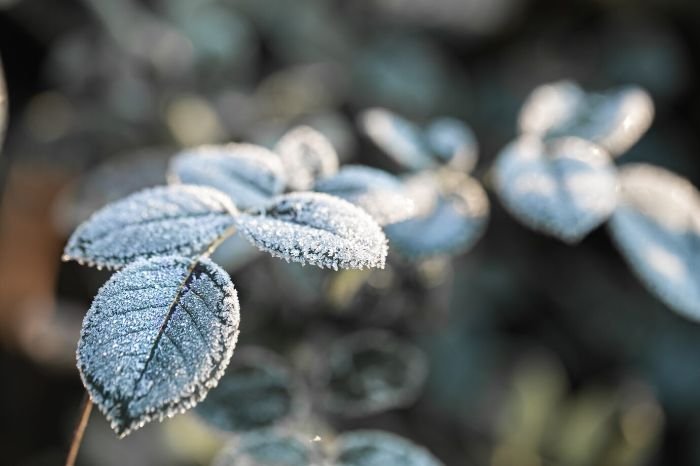
Most winter-garden disappointments trace back to a short list of decisions made months earlier.
- Choosing plants by hardiness zone alone and ignoring wind, reflected sun, and drainage.
- Building the whole bed from summer bloomers that leave nothing upright after frost.
- Planting broadleaf evergreens in the most exposed corner of the yard.
- Cutting every seedhead and ornamental grass flat in autumn.
- Packing mulch tightly over crowns in soil that stays wet all winter.
- Using small containers that freeze through to the center of the root ball.
- Applying late nitrogen that pushes soft growth too close to winter.
- Forgetting to renew bark-color shrubs, which leaves old stems dull and less vivid.
Seasonal timing sits inside those mistakes. Fall cleanup, staking removal, pruning, mulch depth, and late feeding all shape what the garden looks like three months later. Seasonal garden care matters because winter structure is built in autumn, not improvised in January.
A better winter garden nearly always comes from editing, not adding. Fewer plant types, more repetition, cleaner drainage, stronger evergreen anchors, and seedheads left standing take a border farther than one more random perennial bought in bloom at the garden center.
Conclusion
Cold-hardy plants earn their space when they survive the climate and keep the garden legible through winter. That comes from matching the plant to exposure, drainage, root-zone conditions, and winter function, not from buying anything labeled hardy and hoping the border carries itself.
The best winter gardens feel deliberate in January. Evergreen mounds hold the frame, berries catch the eye, colored stems light up after leaf fall, seedheads stay standing above the snow line, and the first hellebore bloom lands close enough to the path that nobody misses it.
FAQ
What are cold-hardy plants?
Cold-hardy plants are species and varieties that survive freezing weather, dormant root zones, and the winter conditions typical of a given climate. The strongest choices also carry winter interest through evergreen foliage, bark, fruit, seedheads, or late-season bloom.
What plants keep a garden attractive in winter?
Evergreen shrubs, dwarf conifers, berry-bearing shrubs, bark-interest dogwoods, hellebores, sedges, heucheras, and upright grasses carry winter gardens well. Coneflower seedheads, alliums, and late berries also keep a bed from flattening after frost.
Do cold-hardy plants still flower in winter?
Some do. Snowdrops, witch hazel, winter aconite, and hellebores bring bloom close to the end of winter or during mild spells. Most winter gardens still depend more on structure than on petals.
Why do cold-hardy plants still die after winter?
Site stress is the usual cause. Wind, winter sun, saturated soil, freeze-thaw lifting, shallow planting, and container root exposure kill more cold-hardy plants than the label suggests. A plant that matches the zone and misses the site still fails.
Are evergreen plants always the best choice for winter gardens?
Evergreens give the backbone, though they are only one layer of a good winter border. Berry shrubs, bark stems, seedheads, and late-winter bloomers add the contrast that keeps the scene from reading as one dark mass.
Which cold-hardy plants work best in containers?
Larger pots favor dwarf spruce, juniper, hardy sedges, heucheras, hellebores, and compact evergreen shrubs with extra hardiness margin. Root balls in containers freeze faster than border soil, so the plant choice needs more winter safety built in.
How do you protect cold-hardy plants in extreme cold?
Water the root zone before the ground freezes hard, keep mulch off the crown itself, and shield exposed broadleaf evergreens from direct wind if your site is severe. Move containers close to a wall, group them tightly, and wrap the pot if a hard freeze is forecast. The aim is to protect roots and limit leaf desiccation, not to force active growth under cover.
Should seedheads and grasses stay up through winter?
In most winter gardens, yes. They hold form, trap frost, feed birds, and help the bed keep height through the dullest stretch of the season. Cut them back near late winter or early spring once the structure has done its job.