




Updated April 24, 2026
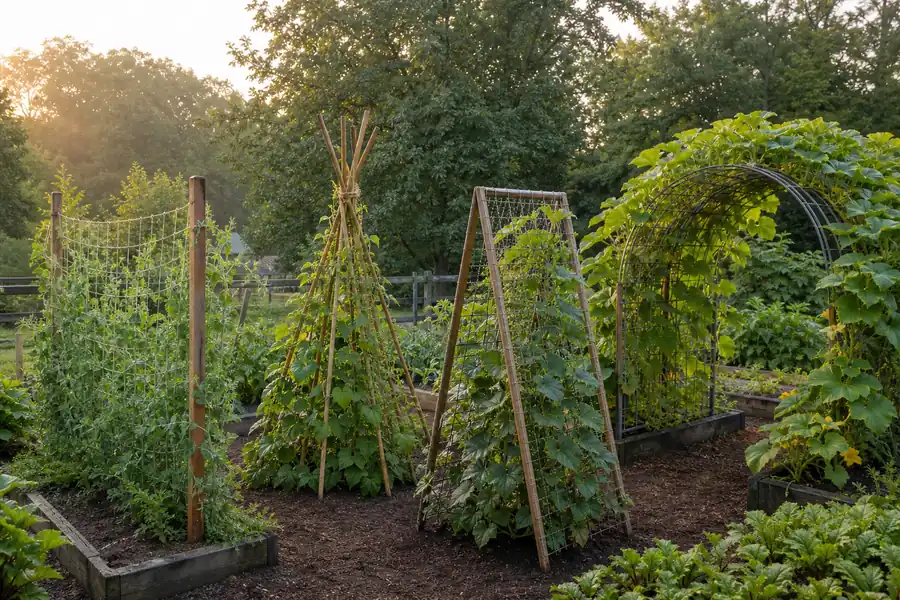
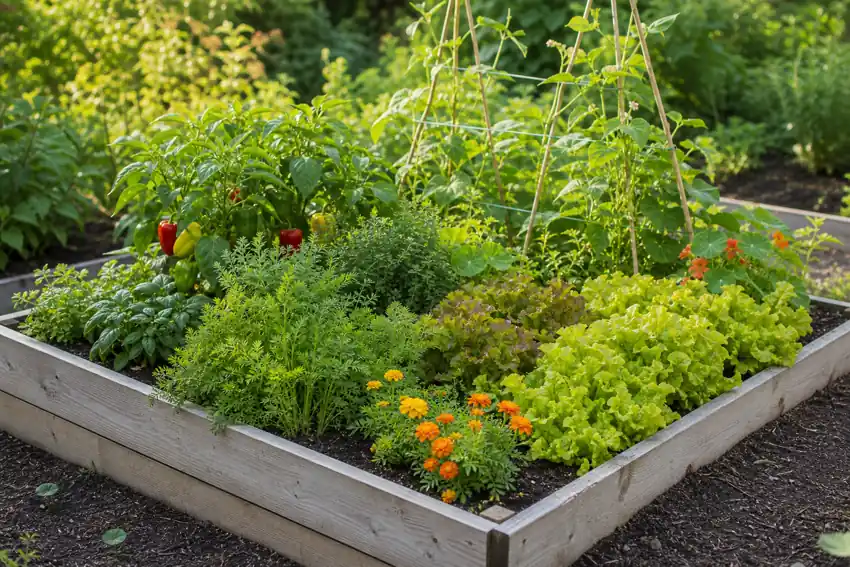
September garden work should separate urgent fall work from jobs that can wait. The month still has warm soil, active roots, and enough light for fast greens, garlic prep, cool-season lawn repair, and cover crops. It also has dying vines, diseased leaves, thin turf, dry shrubs, and bare beds that will not improve by sitting still.
Think of September as the month for roots and removal. Plant what can still establish, remove what can carry pests or disease, feed cool-season grass during active growth, and cover every open bed before rain, wind, and weed seed take over.
September garden tasks follow three deadlines: plant fall crops during the warm-soil window, remove problem debris before it carries disease into colder weather, and repair cool-season lawns during active root growth. Empty beds, new plantings, and tender containers should be handled around those same timing limits.
September Garden Checklist At A Glance
| Task lane | Do this in September | Why it matters now |
|---|---|---|
| Plant | Sow fast greens, radishes, spinach, and garlic where timing fits | Warm soil speeds roots before day length drops hard |
| Clean up | Remove diseased crops, rotting fruit, weeds, and pest-heavy residue | Many pathogens and insects overwinter in debris |
| Repair lawn | Aerate, overseed, fertilize, and control perennial weeds on cool-season turf | Cool-season grasses grow roots and tillers fastest now |
| Support roots | Divide only healthy clumps and plant woody plants or bulbs where timing fits | Warm soil helps roots settle before winter |
| Cover soil | Sow cover crops or mulch empty vegetable beds | Covered soil resists erosion, crusting, and winter weeds |
| Protect | Water woody plants deeply and move tender containers before cold nights | Moist soil buffers roots better than dry soil |
Table of Contents
September Garden Timing – Work From Frost, Soil, And Lawn Recovery
September is not one season. Early September still behaves like late summer in many gardens. Late September can feel one cold front away from frost. Before you buy seed or pull every vine, check three things: average first frost date, soil moisture 3-4 inches down, and whether your lawn is cool-season or warm-season grass.
Seasonal garden care shifts in September from summer production to fall recovery: roots still grow in warm soil, but day length drops and top growth slows. Favor work that uses that window, especially fast crops, lawn repair, soil cover, and cleanup that reduces overwintering disease.
The priority order changes by what is already happening in the yard. If tomatoes are collapsing with leaf disease, harvest usable fruit and remove the plants. If a lawn is thin and actively green, repair it before cold shortens root growth. If a vegetable bed is empty, cover it the same week. September gardening tips should account for overlapping work: planting, soil cover, lawn care, and selective cleanup.
Plant Fall Crops In September – Use The Remaining Window, Not The Month Name
September planting works when the crop matches the time left. Fast greens and roots can still pay off in many gardens. Long-season crops planted from seed usually do not. The seed packet is only the starting point because shorter days slow photosynthesis and stretch maturity compared with spring.
| September planting lane | Good candidates | Best first move |
|---|---|---|
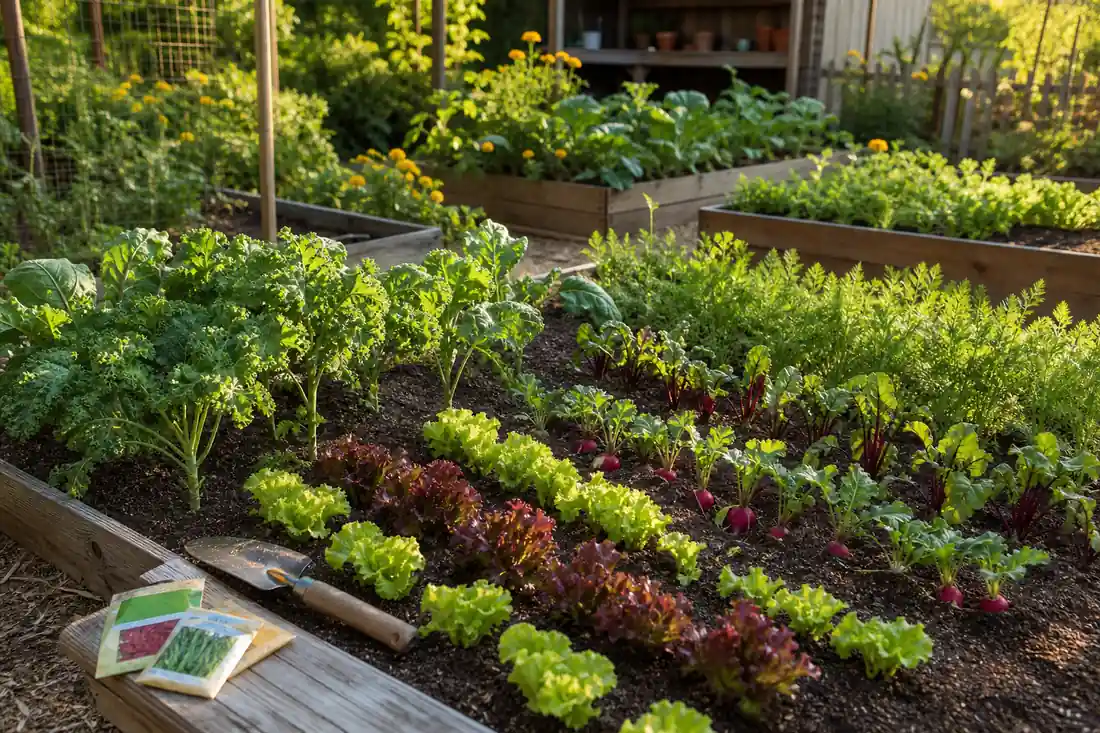
| Fast harvest | Radishes, arugula, mustard greens, baby kale, leaf lettuce | Sow into damp soil and keep the seed zone shaded until sprouting |
| Cool-weather roots | Spinach, turnips for greens, beets for baby roots, carrots in mild regions | Pre-water the row and prevent crusting over small seed |
| Transplants | Kale, collards, broccoli, cabbage, chard, fall herbs | Plant in evening and water at the root zone |
| Next-year crops | Garlic, shallots, overwintering onions in suitable climates | Prepare the bed now and plant when regional timing fits |
Use days to maturity counted backward from first frost as the basic fall vegetable method. Local planting dates can shift 7-10 days either direction depending on fall weather. In September, that week is not trivia. It can decide whether spinach builds a real rosette or stays as a few small leaves.
Garlic belongs in the September plan even when planting waits a little longer. Prepare the bed with compost, mark the row, and keep the cloves dry until your regional window opens. Garlic spacing commonly falls around 4-6 inches apart, with 1-2 inches of soil over the clove in many regional planting guides. Your local extension timing matters more than copying one state exactly.
Small seed needs a different touch in September. Soil that feels pleasantly warm to your hand can still crust after one storm. Press a finger into the row after watering. The surface should feel cool and slightly tacky, not sealed hard like pottery. If the row crusts, tiny seedlings spend stored energy lifting soil before opening leaves.

When to plant vegetables by season depends on crop duration, frost timing, and bed readiness, so September planting does not become a wish list. If the crop cannot mature, switch that bed to cover crops or mulch.
Garden Cleanup In September – Remove Disease Without Stripping The Garden Bare
September cleanup should be selective. Remove diseased tomato vines, squash leaves with mildew, rotting fruit, weeds going to seed, and pest-heavy plant debris. Leave healthy flower stems, clean seedheads, and non-diseased plant material where they add habitat or soil cover.
Diseased plant material should not go into most home compost piles because many home piles do not heat long enough to kill pathogens. That changes fall cleanup. Healthy bean vines, dry leaves, and clean annual stems can feed compost. Blighted tomatoes, mildewed cucurbits, and pest-infested legumes should leave the garden.
Cleanup by risk, not neatness
- Trash or municipal-compost diseased plant material when the system heats reliably enough.
- Pull weeds before seedheads dry and shatter across the bed.
- Remove fallen fruit that feeds yellowjackets, fruit flies, rodents, and disease.
- Leave clean seedheads from coneflowers, asters, sunflowers, and grasses where they still serve birds or insects.
The difference is visible. Diseased residue feels soft, spotted, gray-powdery, or sour-smelling when crushed. Clean dry stems feel papery and hollow. A tidy garden that removes everything can erase overwintering sites for beneficial insects. A neglected garden that leaves everything can carry next year’s disease. September asks for sorting, not sweeping.
Pro Tip: Carry two containers during cleanup. Put clean brown material in one and suspect plant material in the other. The extra bucket keeps one diseased tomato vine from turning a whole compost batch into a questionable pile.
If a bed has been weakened by disease, skip the late fertilizer rescue. Pull the crop, collect support ties and cages, rinse soil from tools, and add compost or mulch after cleanup. Soil health management for disease prevention matters in September because many problems are either removed or carried forward.
September Lawn Care – Repair Cool-Season Turf During Root Growth
September is the lawn month only for the right kind of lawn. Cool-season grasses such as tall fescue, fine fescue, Kentucky bluegrass, and perennial ryegrass recover in cooler weather. Warm-season grasses are moving toward dormancy and need a different calendar.
September is one of the best times for cool-season lawn improvement because the turf is filling thin areas, building roots, and competing with perennial weeds. Nitrogen applied at the right rate supports new tillers and root growth, not just green color. That root work is what shows next spring.
| September lawn task | Do it when | Watch out for |
|---|---|---|
| Core aeration | Soil is moist enough to pull 3-4 inch plugs | Aerating dust-dry soil that barely opens channels |
| Overseeding | Bare or thin patches still have several weeks before frost | Poor seed-to-soil contact under thatch or dead grass |
| Fertilizing | Cool-season grass is actively growing | Fertilizer left on sidewalks or driveways after spreading |
| Perennial weed control | Dandelion, creeping Charlie, violets, or thistle are green and active | Wasting effort on annual crabgrass as it declines naturally |
Core aeration only works when the machine removes plugs, not dust. Water 2-3 days before aeration if the lawn is dry so the aerator can pull a 3-4 inch plug. Pick up one plug and squeeze it. It should hold together, smell faintly earthy, and break under pressure before crumbling into powder.

Overseeding needs contact. Rake dead patches until seed can touch soil, spread seed evenly, press it in, and keep the top layer moist until germination. New seedlings do not need a flood. They need repeated light moisture until roots hold.
Patchy lawns often fail in September because seed is sprinkled over dead grass like seasoning. Seed resting on thatch dries out, feeds birds, or germinates with no soil grip. A rough rake pass before seeding changes the result.
Perennials, Bulbs, Trees, And Shrubs – Build Roots And Skip Hard Pruning
After fall crops, cleanup, and lawn work are under control, use September for root establishment. Divide only healthy crowded perennials, plant suitable container-grown trees and shrubs, order spring bulbs, and hold off on hard pruning woody plants. Roots can still grow into warm soil after top growth slows.
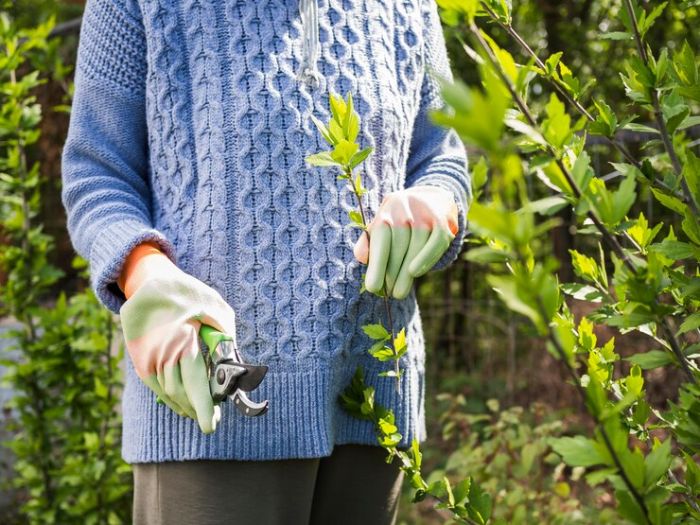
Wait on pruning trees and shrubs except for dead branches. Late pruning can remove spring flower buds or trigger soft new growth that does not harden well before cold. A clean dead branch is different; remove it any time it is unsafe or diseased.
Divide what has time to re-root
Daylilies, hostas, iris, phlox, bee balm, and many clumping perennials can divide well in early fall when heat eases. Skip plants in full bloom or drought stress. A useful division has roots, several growing points, and enough stored energy to re-anchor before cold.
Plant trees and shrubs for establishment
Fall planting favors roots because soil temperature lags behind air temperature. Set plants at container depth, water slowly, and keep mulch pulled away from the trunk flare. A root ball that rocks after watering needs firming, not more mulch.
Spring bulbs can be bought in September even when planting waits until soil cools. Store them somewhere cool, dry, and airy. Choose bulbs that feel firm and heavy for their size; soft spots, mold, or a hollow papery feel signal trouble.
Seasonal pruning timing matters for any cut beyond dead wood because the wrong September cut can remove next year’s flowers on old-wood shrubs.
Soil Cover, Water, And Frost Prep – Leave No Bare Bed Idle
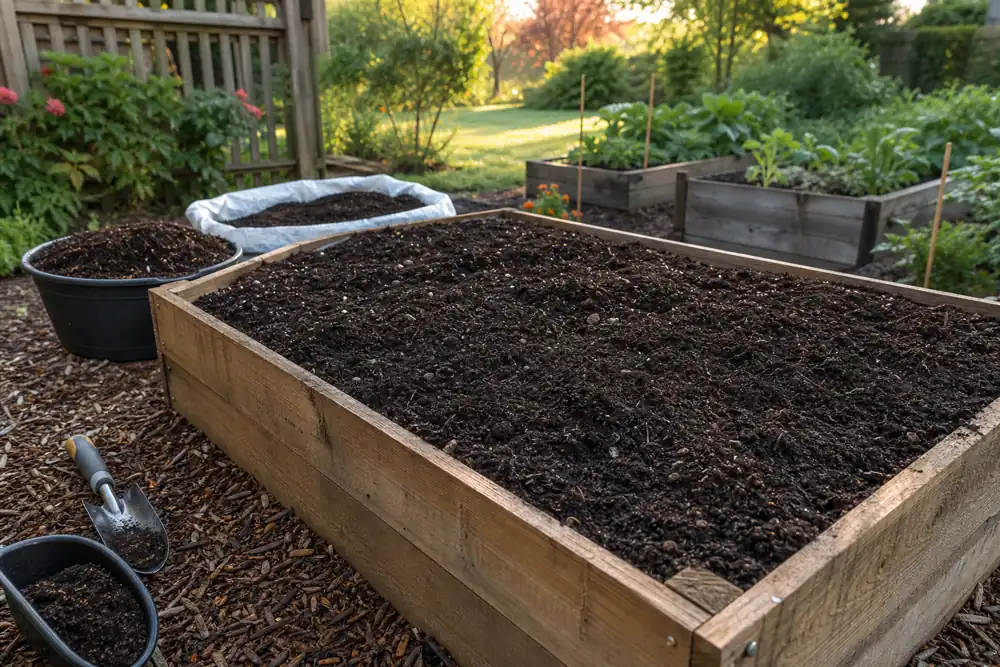
Bare September soil becomes October work. Rain breaks aggregates at the surface, wind moves dry particles, and winter annual weeds use open light to germinate. Cover crops, mulch, shredded leaves, or a planted fall crop all beat leaving the bed naked.

Common fall cover crops for gardens include oats, winter rye, winter wheat, crimson clover, and hairy vetch, with fall planting often landing between mid-August and early October depending on crop and weather. Oats winter-kill in many climates and leave a spring mat. Winter rye roots deeply and holds soil longer, then needs termination in spring.
Cover crops work through living roots. Roots release exudates that feed soil microbes, pull nutrients from deeper layers, and hold soil in place through rain. That underground action is why a green September bed feels different by spring: the surface breaks into crumbs and resists sealing into a gray crust.
Water still matters before cold. Dry soil cools faster than moist soil, and woody roots need gradual acclimation heading into winter. Water newly planted trees, shrubs, perennials, and evergreens deeply during dry stretches. The soil 4-6 inches down should feel cool and cohesive, not dusty around the roots.
Tender containers and houseplants need timing too. Move tropicals and summered houseplants before nights fall near their damage range, inspect leaf undersides, and isolate them indoors for a couple of weeks. Do not drag ants, aphids, mites, or soggy potting mix into the brightest window in the house.
If the bed needs a longer soil reset, cover crops for soil health and soil health improvement should guide the next soil-building step. The first September decision is still immediate: plant it, mulch it, or cover it before weather does the work badly.
Conclusion
September garden work should leave the garden more protected than it found it. Plant fall crops that still fit the frost window, start cleanup by removing disease and seed-heavy weeds, repair cool-season lawn areas during active root growth, and cover bare soil within the week.
When time is tight, prioritize food crops first, diseased material second, lawn repair third, soil cover fourth, and tender plants before cold nights. By the end of the month, every open bed should be planted or mulched, every failing crop should be gone, and the lawn should have the moisture and seed contact it needs to root before frost.
FAQ
What Should I Do In The Garden In September?
Start with tasks that have a closing window: plant fast fall crops, remove diseased summer crops, repair cool-season lawns, sow cover crops, divide selected perennials, and water woody plants during dry spells. September is also a good time to order spring bulbs and prepare garlic beds. Leave major woody pruning for the correct seasonal window unless the branch is dead, broken, or diseased.
Can You Plant Vegetables In September?
Yes, if the crop fits your frost window. Radishes, arugula, mustard greens, baby kale, leaf lettuce, spinach, and turnips for greens are the best bets in many gardens. Transplants of kale, collards, chard, and some brassicas work where frost timing allows. Garlic often belongs later in the fall, so use September to prepare the bed.
What Happens If I Skip Fall Garden Cleanup?
Disease and pest pressure often carry into spring. Blighted leaves, mildewed vines, cucumber beetle habitat, and fallen fruit give problems a place to persist. The garden does not need to be stripped bare; diseased and pest-heavy material should leave the bed before winter.
Should I Fertilize My Lawn In September?
For cool-season lawns, September is one of the strongest fertilizer windows when grass is actively growing. Use soil-test guidance where possible and sweep granules off sidewalks and driveways back onto turf. Warm-season lawns follow a different calendar and should not be treated like fescue or bluegrass.
Is September Too Late To Overseed A Lawn?
Early September is often good for overseeding cool-season lawns; late September becomes riskier in cold regions because seedlings need several weeks to root before frost. Seed needs soil contact, light moisture, and enough time to establish. If frost is close, dormant seeding later may be cleaner than a weak fall stand.
Should I Cut Back Perennials In September?
Cut back diseased or collapsed growth, then leave clean stems and seedheads where they still serve the garden. Many beneficial insects use hollow stems and plant debris for winter shelter. Asters, coneflowers, black-eyed Susans, grasses, and sunflowers can feed wildlife and hold structure well into fall.
What Is The Biggest September Gardening Mistake?
The biggest mistake is leaving bare soil after summer crops finish. Open soil loses structure, grows weeds, and erodes during fall rain. If you cannot plant a crop, sow oats, rye, clover, or another suitable cover crop, or mulch the bed with leaves, straw, or compost.
How Often Should I Water In September?
Water by soil moisture, not by the cooler air. Newly planted trees, shrubs, perennials, lawns, and fall seed rows still need moisture at root depth. During dry spells, water deeply enough that soil 4-6 inches down feels cool and slightly cohesive. Containers and houseplants moving indoors need separate checks because potting mix dries unevenly.