





Updated April 14, 2026
The best daily gardening routines for mindful relaxation are short loops that fit ordinary days. A few minutes of moisture checking, quiet observation, deadheading, harvesting, or sweeping can hold attention on the present moment and still move the garden forward.
Structure matters more than atmosphere. Most home gardeners need routines that fit before work, during a break, or at the end of the day and still leave the garden in better shape than they found it.
Mindful relaxation in the garden comes from a simple routine: arrive, notice one real garden cue, do the task in front of you, and leave on a clean close. Gardening can support relaxation and calmer attention. People who need mental health care should use it alongside professional support.
Key Takeaways
- Keep daily gardening routines to 5 to 15 minutes on ordinary days
- Use task-based loops over loose goals like “spend more time outside”
- Match the job to the time of day and current weather
- Finish each visit with one visible result and a clean close
- Build the habit around the garden you actually have
Table of Contents
Daily Gardening Routines Work Best As Brief Loops With Clear Timing
Big weekend catch-up sessions may be productive. They rarely feel mindful. They bring backlog thinking, rushed decisions, and a stronger sense that the garden is another job waiting for you. Short daily routines work better because the task is smaller, the finish is clearer, and the garden changes just enough each day to reward attention.
The most calming daily gardening routine is usually the one that survives an ordinary weekday. That means a brief loop with a clear finish.
Check, tend, close works in almost any yard. Check moisture and plant condition. Tend one small task. Close by putting a tool back, carrying in a harvest, or naming tomorrow’s next step. That sequence gives the routine a clear beginning, middle, and end.
| Time window | Best routine focus | Why it supports relaxation | Good finish |
|---|---|---|---|
| Morning | Check moisture, walk the beds, finish one quiet task | Cooler air and overnight changes make observation easier | One task completed cleanly |
| Midday | Deadhead, pinch herbs, sweep, harvest, or tidy tools | Short dry jobs fit busy schedules without fighting heat | 5 to 10 minutes |
| Evening | Harvest, make water decisions, reset tools, note tomorrow | Creates closure and prevents small problems from carrying into the next day | Tools put away and one next step named |
Mindful gardening tips for beginners help reduce the routine to small repeatable tasks, while mindful observation in gardening strengthens the noticing part of the same daily loop.
How To Make A Daily Gardening Routine Feel Mindful
Mindful gardening starts with one practical protocol: arrive, notice a sensory cue, do the task at hand at working pace, and stop with attention still inside the task.
Mindfulness means present-moment attention without judgment. In a garden, that can be the feel of soil under mulch, the scent released from clipped basil, the sound of a broom on a path, or the resistance of a weed root leaving the ground.
Research on community gardening, adult gardening habits, and regular contact with plants points in the same direction: brief daily garden routines can give outdoor plant contact a repeatable place in ordinary life, including busy weeks.
Give each phase of the routine its own attention cue. Use sight during the first scan of leaves, stems, and soil surface. Use touch during moisture checks, weeding, tying, or harvesting. Use sound during sweeping, clipping, or light watering. Then use a closing cue when a tool goes back on its hook or a basket comes indoors. That sequence keeps the visit grounded in what your hands are actually doing.
Ordinary tasks already contain the right mechanics. Weeding slows the hands and sharpens touch. Deadheading narrows attention to stem, cut, and drop. Sowing rewards spacing and depth control. Sweeping a path adds repeated movement and a visible finish. The attention needs to stay inside the task.
Morning Garden Routine – Check Moisture, Notice Change, Finish One Quiet Task
Morning is usually the best window for attentive garden checks. Leaves still show overnight stress clearly, soil has not been distorted by afternoon heat, and you can read small changes before the day speeds up.
Start at the root zone before you touch the hose. Feel the soil in pots and beds, look under mulch, and notice whether droop is real wilt or temporary softness that will lift with cooler air. If moisture decisions are where your routine breaks down, soil moisture monitoring tools and readings give you a more reliable basis than habit alone.
After that check, choose a quiet task that improves the garden without expanding into a full work session. Thin crowded seedlings. Tie a tomato stem. Weed a hand-sized patch. Clip a container of spent flowers. A calm finished action early in the day gives the routine a clear endpoint.

Morning is also the easiest time to combine care with attention. Notice leaf color, insect movement, scent released by damp soil, or where light first reaches the bed. Those details are not decoration. They help you catch actual garden signals before they become maintenance problems.
Pro Tip: Keep the morning loop to three moves on most days: touch soil, scan plants, finish one task. Anything beyond that is extra, not the baseline.
Midday Garden Reset – Use Five-To-Fifteen-Minute Jobs That Fit Busy Days
Midday routines fail when gardeners choose weather-fighting work. Deep watering in strong sun, hauling bags of compost, or starting a major planting session can turn a short reset into heat, hurry, and frustration. A mindful midday routine should be brief, dry when possible, and easy to stop.
Better midday jobs include deadheading petunias, pinching basil, harvesting a few herbs, sweeping around containers, clearing one edge of weeds, or wiping pruners clean. If fragrance helps anchor attention, the small harvest-and-touch loop used in herbal gardens for mindfulness and relaxation is especially useful here.

Midday also rewards thoughtful layout. A simple shaded seat, a short path loop, or a cluster of containers near the door makes it easier to step outside, finish one clear task, and step back in without turning the break into a larger project. A well-planned mindfulness garden design supports daily use better when paths, seats, containers, and stopping points make short visits easy.
Observation: Midday frustration usually starts with task mismatch. When the hottest part of the day gets filled with heavy jobs, pace rises, attention narrows, and the garden starts to feel like a deadline rather than a reset.
A five-minute midday routine can still interrupt mental drift, give the hands a bounded job, and leave the space slightly more orderly than before.
Evening Gardening Routine – Close The Day With Harvest, Water Decisions, And Tool Reset
Evening routines are good for closure. Light softens, harvest choices are easier to see, and small container problems show up before the next hot day. The best evening gardening routines for mindful relaxation close the day in a deliberate order.
Start with something useful and easy to finish. Harvest salad leaves, a few herbs, ripe tomatoes, or flowers for indoors. That creates a clear endpoint and connects the routine to daily life without making the garden visit feel abstract.
Then make targeted water decisions rather than watering everything automatically. Containers, seed trays, and fast-drying spots may need attention. Deeply mulched beds often do not. A calmer evening rhythm usually comes from fewer emergency waterings, which is why consistent habits such as building a watering schedule for different plant types and mulching to conserve soil moisture reduce daily pressure so effectively.
Finish with tool reset. Put snips back where they belong. Coil the hose. Empty a harvest basket. Name one task for tomorrow. That small closeout matters because clutter keeps the next visit mentally open.
Build A Daily Garden Rhythm You Can Adjust Without Losing The Habit
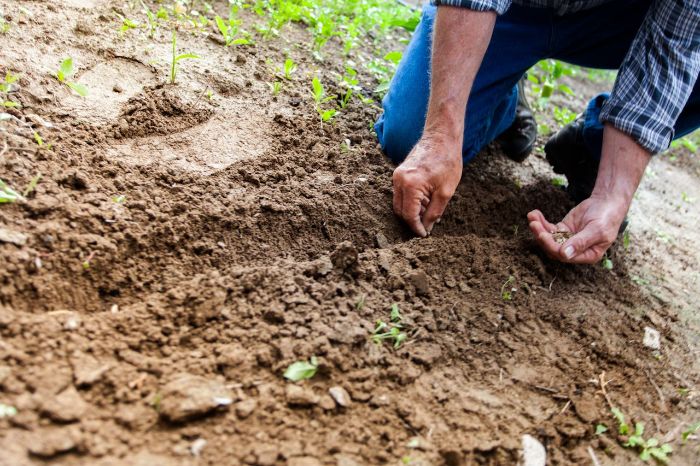
A calming routine has to match the actual garden. Balcony growers may need only a five-minute moisture and harvest loop. Small raised-bed gardeners may do best with a short morning check and one evening closeout. Large-yard gardeners usually need simple zone rotation.
| Garden setup | Best daily rhythm | Common mistake |
|---|---|---|
| Containers or balcony | Morning moisture check, brief evening harvest or cleanup | Treating every pot as if it dries at the same speed |
| Small beds | Morning observation plus one task, with deeper weekly maintenance | Trying to finish all garden work every day |
| Large mixed yard | Rotate one zone per day and keep the route predictable | Scanning the whole property on every visit |
Daily adaptability matters more than perfect consistency. Summer pushes the quietest work into morning and evening. Spring supports sowing, thinning, and training. Fall favors harvest and short cleanup loops. Winter may reduce the routine to observation, planning, and tool care. Seasonal garden care keeps the habit tied to what the garden actually needs that month.
On low-energy days, shrink the loop. Look, touch soil, finish a small task, and stop. On fuller days, stretch the same pattern into a longer round. If the garden is larger, assign specific zones to specific days so each visit has a boundary from the start.
Containers and herb pots may need daily eyes. Border edges may need two short visits a week. A vegetable bed may need one observation round each morning and a heavier weekend pass. That rotation keeps the routine realistic and keeps the garden re-enterable on busy days.
A written cue can help the rhythm hold. Keep a small card, bench notebook, or phone note with three lines only: check, tend, close. That tiny prompt reduces decision fatigue and makes it easier to return to the routine after travel, bad weather, or a demanding week.
Conclusion
Daily gardening routines for mindful relaxation work when they are small enough to repeat and concrete enough to finish. Morning favors moisture checks, observation, and one quiet task. Midday works best for short dry resets. Evening is ideal for harvest, targeted watering decisions, and tool reset.
Daily routines also change the garden itself. Small problems are caught earlier, clutter stops building up, and the space stays easier to re-enter the next day. The habit stays durable because it supports calm and keeps the garden manageable on ordinary days, week after week.
A routine only helps when it remains usable through busy weeks, changing weather, and the uneven pace of real home life.
FAQ
How do I make gardening more mindful?
Make the task smaller and the attention sharper. Choose one clear job, such as checking soil moisture, clipping spent blooms, or weeding one container, and stay with that action until it is finished. Mindful gardening depends more on task boundaries than on mood.
Can gardening help with stress and relaxation?
For many people, yes. Gardening can support relaxation because it combines movement, outdoor sensory input, and present-moment attention. It is a useful everyday practice for stress reduction, though it is not a substitute for professional mental health support when more care is needed.
What daily gardening tasks are most calming?
The calmest tasks are usually the ones with a visible stopping point: hand weeding a small patch, deadheading, harvesting herbs, sowing a tray, sweeping a path, or doing a quick moisture check. Jobs that are too large or too weather-dependent usually feel less relaxing.
How long should a mindful gardening routine be?
Five to fifteen minutes is enough for most daily routines. That window is long enough to complete one useful task and short enough to repeat on busy days. Longer sessions can still be enjoyable. They are not necessary for the habit to work.
Is morning or evening better for mindful gardening?
Both can work well. Morning is better for observation, moisture checks, and one quiet task before heat builds. Evening is better for harvest, targeted watering decisions, and closing the space for tomorrow. The best choice depends on your schedule, climate, and what the garden needs.
Should I water every day as part of a mindful gardening routine?
No. Daily automatic watering often creates more work and can lead to poor decisions. A mindful routine should begin with checking moisture and watering only where the need is real, especially in containers, seedlings, and fast-drying spots.
What can I do in the garden if I only have 5 minutes?
Use the smallest complete loop available. Check moisture in key pots, harvest a handful of herbs, deadhead one container, sweep one path edge, or weed one small patch. A five-minute routine still counts if the task is clear and finished.
Can mindful gardening work in containers or on a balcony?
Yes. Containers are often ideal for mindful routines because the tasks are naturally bounded. A balcony gardener can check soil, clip herbs, tidy leaves, and harvest in just a few minutes. You do not need a large yard or a special meditation garden for the practice to work.