Updated April 17, 2026
A spring planting guide that sorts everything by plant type misses the most useful variable: timing within the season. Spring is not one long window. It splits into two – separated by soil temperature and frost risk – and the crops that thrive in the first half will bolt, stall, or rot in the second.
What follows covers vegetables and flowers by planting window, not by category. The practical payoff is knowing what goes in the ground this week and what waits another six. Specific soil temperature thresholds replace calendar dates. The principles apply across US growing zones, with your last frost date as the anchor point.
Plant the wrong crop in the wrong window, and you can do everything else right – depth, spacing, amendments, watering – and still lose it. The season does not forgive timing errors.
Key Takeaways:
- Plant cool-season vegetables as soon as soil at 4 inches reaches 40°F – weeks before frost-free conditions arrive
- Wait two weeks past your last frost date before transplanting warm-season crops outdoors
- Sweet peas and pansies go in the ground in early spring, at the same time as cool-season vegetables
- Measure soil temperature at 4 inches deep before planting – spring air temperatures run 10-20°F warmer than root-zone soil
- Tomatoes planted four weeks too early often produce later than transplants set out at the proper soil temperature
Table of Contents
Spring Planting – Why the Calendar Is the Wrong Starting Point
Planting decisions tied to a fixed calendar date fail for one reason: the calendar does not know where you garden. In USDA zone 5 – northern Illinois or southern Michigan – soil in early March can still be frozen at 6 inches. In zone 8 – coastal Georgia or the Pacific Northwest lowlands – that same week may offer fully workable ground. The calendar date is the same. The growing conditions are not.
The organizing principle that actually works: spring has two planting windows, and each belongs to different plants.
Early spring begins when soil at 4 inches deep reaches 35-40°F and ends at your local last frost date. This window belongs to cool-season crops that evolved to germinate in cold ground and mature before heat arrives. Frost may still come – these plants handle it.
Late spring begins two weeks after your last frost date, when soil consistently holds above 60°F. This window belongs to warm-season crops that cannot germinate in cold soil and will die at 32°F. The two-week buffer matters because late frosts arrive after the average date by definition.
Does planting earlier in spring always mean an earlier harvest? For cool-season crops, getting them in during cold soil is exactly right. For warm-season crops, a tomato transplant set out in 48°F soil will stall for three weeks, often ending up behind a transplant set out two weeks later in 63°F soil. Timing precision matters more than eagerness.
Cool-Season Vegetables – What Goes in Before the Last Frost
The crops below germinate in cold soil and are in no hurry to wait for warmth. Several actively improve in flavor after frost exposure: spinach at temperatures below 40°F converts stored starches to sugar, producing leaves noticeably sweeter than those picked in summer heat. Kale undergoes the same process. This is one of the cases where gardening in cold conditions produces a better result than gardening in warm ones.
| Crop | Min Soil Temp | Days to Maturity | Notes |
|---|---|---|---|
| Spinach | 35°F | 40-50 days | Flavor improves after frost exposure |
| Peas | 40°F | 60-70 days | Direct sow only – roots resist transplanting |
| Lettuce | 40°F | 45-60 days | Bolt risk rises when air stays above 75°F |
| Kale | 40°F | 55-75 days | Sweetens after frost; plant as early as possible |
| Radishes | 40°F | 25-30 days | Fastest spring crop; useful as row markers |
| Carrots | 45°F | 70-80 days | Slow germination in cold soil; early sowing is worth it |
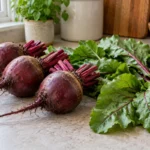
| Beets | 50°F | 50-70 days | Both root and greens are edible at any size |
Start these as direct-sow seeds outdoors, except for lettuce and kale which transplant readily. USDA cooperative extension guidelines recommend beginning indoor starts 6-8 weeks before your last frost date for most cool-season crops – a window that typically falls in late January or February, overlapping with the variety selection and seed ordering covered in the january garden checklist.
Pro Tip: Radishes planted between carrot rows serve as living row markers. They germinate faster than carrots, making it easy to weed without disturbing slower seedlings underneath. When you pull the radishes at 25-30 days, you are thinning the row at the same time.
Peas carry an important caveat. They stop producing when daytime temperatures hold above 80°F for more than a few consecutive days. In USDA zones 6-7, that window closes in late June or early July. Planting in mid-March gives a full 10-12 weeks of production before summer heat ends it. Planting in late April cuts that to 6-8 weeks at best. This is the one cool-season crop where maximum earliness consistently pays.
Warm-Season Vegetables – Why Waiting Two Extra Weeks Pays Off
This is where most spring planting failures happen, and the pattern is consistent.
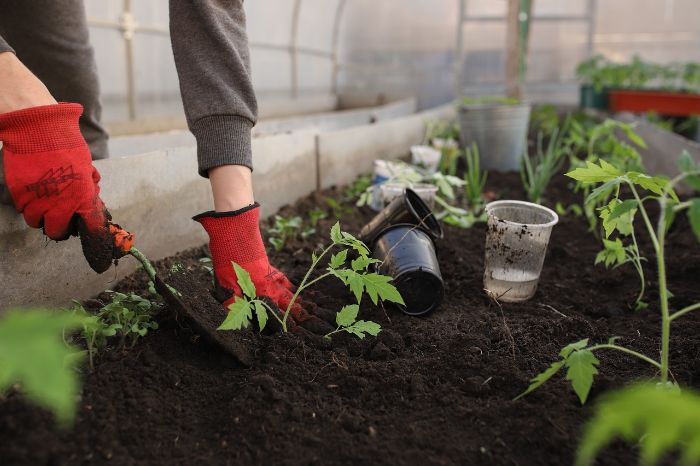
Tomatoes, cucumbers, peppers, squash, beans, and corn require soil consistently above 60°F to germinate and establish without setback. A warm afternoon in April can push air temperatures to 70°F while soil at 6 inches stays at 48°F. The seed absorbs moisture and waits – sometimes rotting before conditions improve. The transplanted seedling absorbs cold stress at the root zone, often showing purple-tinged leaves, a sign of impaired phosphorus uptake triggered by cold soil. The diagnosis is usually a temperature problem, not a nutrient one.
| Crop | Min Soil Temp | After Last Frost | Indoor Start |
|---|---|---|---|
| Tomatoes | 60°F | 2 weeks | 6-8 weeks before LFD |
| Peppers | 65°F | 2 weeks | 8-10 weeks before LFD |
| Cucumbers | 60°F | 2 weeks | 2-3 weeks, or direct sow |
| Squash | 60°F | 2 weeks | 2-3 weeks, or direct sow |
| Beans | 60°F | 2 weeks | Direct sow only |
| Corn | 55°F | 2 weeks | Direct sow only |
The tradeoff worth acknowledging: a tomato transplant set out four weeks before ideal soil conditions often ends up producing later than a transplant set out at the right time. Cold-stressed plants recover. They rarely fully recoup the weeks spent in survival mode. University of Minnesota Extension trials document this effect – optimal-timing transplants match or exceed early-planted ones by late July in most seasons.
To find your average last frost date, the Old Farmer’s Almanac frost date calculator accepts your zip code and returns historical averages by zone. It is the most practical planning reference for warm-season timing decisions.

One useful exception: raised beds and containers warm 2-4 weeks faster than in-ground soil, per Colorado State University Extension research on containerized growing. Gardeners with container setups can often move their warm-season planting window forward meaningfully – the same tomatoes, peppers, and cucumbers that need six more weeks in-ground may be ready for containers in four.
Spring Flowers – Placing Each Variety in the Right Window
Flowers follow the same two-window logic as vegetables, though the categories are less intuitive. Most gardeners assume spring flowers go in after the last frost. That is accurate for warm-season varieties – and wrong for the ones that produce the longest spring blooms.
First-window flowers – cool-tolerant, plant alongside cool-season vegetables:
Pansies, sweet peas, snapdragons, dianthus, and bachelor’s buttons all tolerate temperatures down to 28-30°F without damage. Sweet peas are the most time-sensitive of these: they need cool soil to germinate and fail to set flowers when air temperatures stay warm during the bud stage. In zones 5-7, this means planting in March or early April. Waiting until May produces weak plants with a short bloom window.
Observation: Pansies planted in early spring consistently run 10-12 weeks before heat shuts them down, while the same variety planted in late April gives only 4-6 weeks of bloom. The difference is how much of the cool window remains when they go in.
Second-window flowers – warm-season, wait for frost-free conditions:
Zinnias, marigolds, cosmos, impatiens, and dahlias all require soil above 60°F and no frost risk. Dahlia tubers planted in cold, wet soil rot before they sprout – the failure is invisible for weeks, which makes it one of the more frustrating spring losses. Zinnias direct-sown in late May in zones 5-6 often catch transplants set out three weeks earlier in poor conditions.
Marigolds planted alongside warm-season vegetables carry practical function beyond appearance. University of California Cooperative Extension research shows that French marigolds (Tagetes patula) release thiophenes from their roots that measurably suppress soil-borne nematode populations across a full growing season. Their sharp, resinous scent – unmistakable when you brush against the leaves – signals the same chemistry that deters aphids and other soft-bodied pests from settling nearby.
| Flower | Window | Min Temp | Notes |
|---|---|---|---|
| Sweet peas | Early spring | 25°F | Must go in cold; fails if planted too late |
| Pansies | Early spring | 28°F | Plant 4-6 weeks before last frost date |
| Snapdragons | Early spring | 28°F | Longest bloom period in cool conditions |
| Bachelor’s buttons | Early spring | 25°F | Direct sow in cold soil; thin to 6 inches |
| Marigolds | Late spring | 32°F | Plant with tomatoes and peppers; suppresses nematodes |
| Zinnias | Late spring | 32°F | Direct sow only; cold soil delays and weakens |
| Dahlias | Late spring | 32°F | Tubers rot in cold wet ground; wait for 60°F soil |
| Cosmos | Late spring | 32°F | Fast growers once warm; direct sow after last frost |
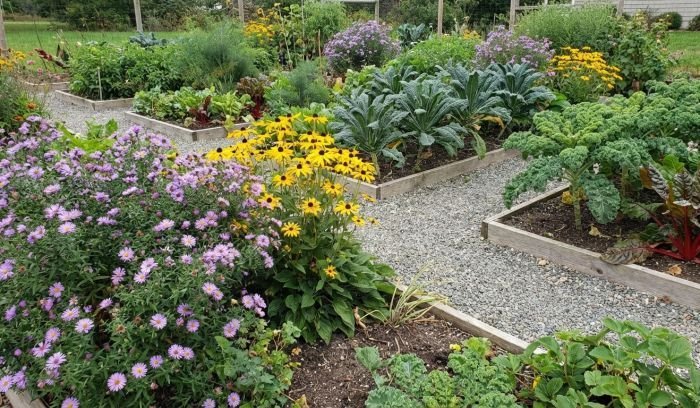
Spring flower and vegetable pairings work best when the companion relationships start in the same planting window. Marigolds belong with tomatoes and peppers in the second window; sweet alyssum and bachelor’s buttons belong with cool-season crops in the first. This is one of the clearest entry points into year-round garden planning – the decisions made in spring shape companion relationships that carry through summer.
Soil Temperature – The Number That Organizes Spring Planting
A soil thermometer costs $8-15 at any garden center and answers the only question that matters in spring: is this ground ready for what I want to plant?
Push the probe to 4 inches deep, take three readings across the bed, and average them. That number tells you more than any calendar date. North Carolina State Extension recommends morning readings, when soil temperature is closest to the overnight average and least influenced by afternoon sun warming the surface.
Practical thresholds:
- 35°F – spinach and sweet peas can go in
- 40°F – peas, lettuce, kale, radishes, carrots, pansies, snapdragons
- 50°F – beets, chard, bachelor’s buttons
- 60°F – tomatoes, cucumbers, squash, marigolds, zinnias, cosmos
- 65°F – peppers, basil, dahlias
A common pattern: gardeners who plant by air temperature consistently push warm-season crops out too early. A 70°F afternoon in April feels like summer. At 6 inches down, the soil registers 46°F. Warm-season seeds planted in that ground fail or stall, and the gardener assumes the seed variety or the soil is the problem. The diagnosis is usually wrong. The timing is the problem.
Last frost date and soil temperature work as a pair. The frost date sets the minimum safe timeline for warm-season crops. The thermometer confirms the soil has actually caught up. Both checks need to pass before tomatoes, peppers, or squash go in the ground.
The decisions that make spring planting work – variety selection, seed ordering, indoor start schedules – begin well before ground thaws. For a view of what spring connects to across the full season, the seasonal garden care calendar maps what each month requires.
Where To Start
If the soil thermometer reads 40-50°F and your last frost date is still two to four weeks out, start with cool-season vegetables this week. Spinach, lettuce, and radishes all go directly in the ground now. Peas especially benefit from an early start – every week of delay costs production time at the back end of their season. This is the window most gardeners wait too long to enter.

If you have warm-season transplants from a nursery or indoor starts and the calendar shows you are within two weeks of your last frost date, wait. Keep them in a sheltered spot with good light. The soil almost certainly has not caught up to the air temperature. Set them out after your last frost date passes and a soil thermometer confirms 60°F at 4 inches. A week of patience here is worth more than a week of early planting.
If last spring ended with bolted lettuce, stalled tomatoes, or dahlias that never emerged, the likely cause was a timing mismatch, not soil or seed quality. Match each crop to its proper window from the tables above, take a soil temperature reading before you plant anything warm-season, and look up your frost date if you have not done so this year. Those three steps resolve the majority of spring planting failures before they start.
Conclusion
Spring planting works when the sequence is right. Cool-season vegetables and frost-tolerant flowers go in as soon as soil at 4 inches reaches 40°F – often weeks before the last frost date, not after it. If the soil thermometer and the frost calendar both confirm the second window, warm-season crops follow. If either check fails, one more week costs less than a lost transplant.
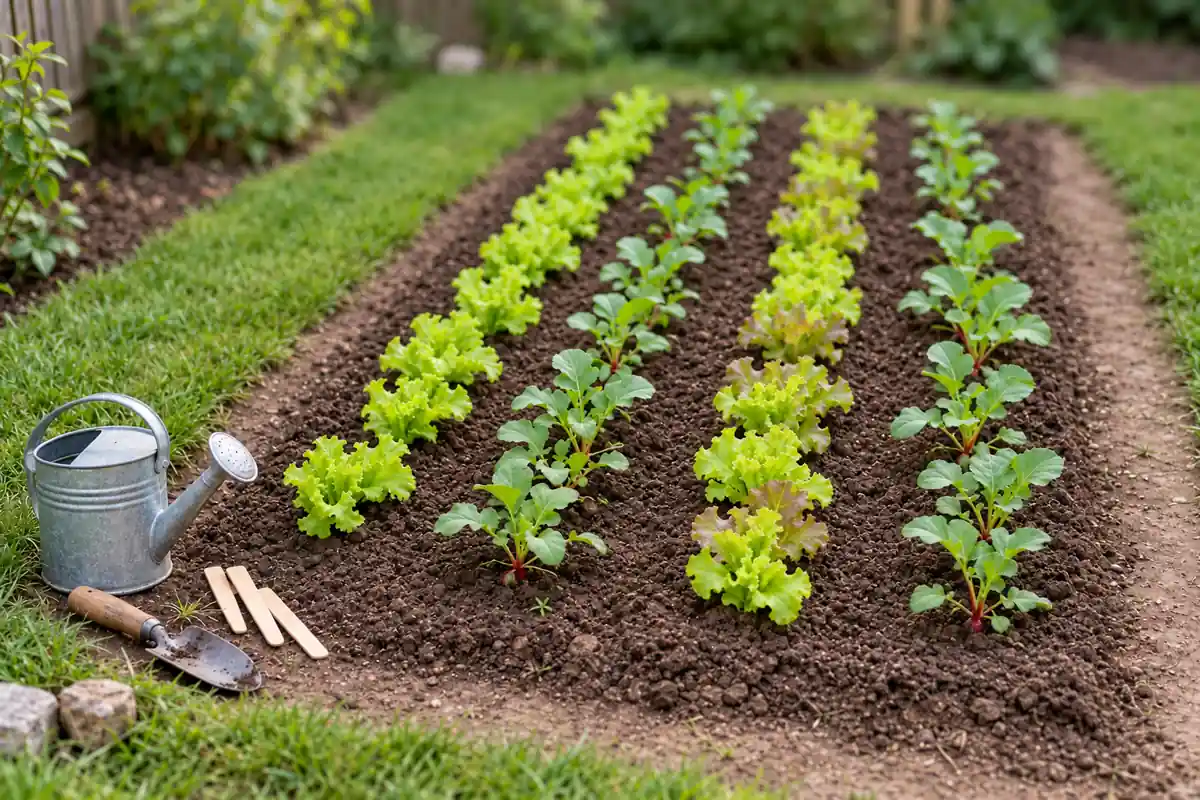
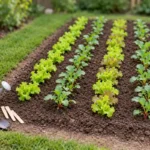
The image that stays with any gardener who gets the timing right: rows of lettuce and kale showing their first true leaves in cool April soil, the air still sharp enough to see your breath, with the marigold seedlings in trays on the windowsill, waiting their turn. That gap between the two windows is not wasted time. It is exactly how spring works.
FAQ
What vegetables should I plant first in spring?
Spinach and radishes are the first to go in. Both germinate at soil temperatures of 35-40°F, which is achievable in most US gardens 4-6 weeks before the last frost date. Peas follow closely – they need cold soil for reliable germination and should go in no later than late March in zones 5-7 to avoid losing production time to summer heat. Lettuce, kale, and carrots complete the first-wave planting. All of these handle light frost after germination without lasting damage.
When is the right time to set tomatoes and peppers outdoors?
Soil temperature is the deciding factor. Tomatoes need 60°F at 4 inches deep; peppers need 65°F. In practical terms, this usually means two weeks after your last frost date – enough time for the ground to warm after the frost season ends. Setting transplants into soil below 60°F causes root stress that shows up as purple-tinged leaves and slow establishment. A plant set out in those conditions often lags behind one transplanted two weeks later under proper temperatures, even well into July.
Can you plant vegetables and flowers in the same bed?
There are measurable benefits to doing it. French marigolds planted alongside tomatoes and peppers release thiophene compounds from their roots that suppress soil-borne nematode populations over a full season, according to University of California Cooperative Extension research. Sweet alyssum planted with cool-season vegetables attracts hoverflies, which prey on aphids before populations build. The companion relationships that carry through summer start in spring when you decide what goes in and where – and matching plant windows makes the combinations easier to plan.
What happens if you plant tomatoes too early in spring?
The plant stalls. Cold soil below 60°F prevents root development, and the tomato holds in physiological survival mode, redirecting energy away from growth. Leaves may turn purple due to impaired phosphorus uptake – a symptom routinely mistaken for a nutrient deficiency, which clears on its own as soil warms. The lasting consequence is a transplant that spent three weeks doing what a later-set seedling does in one. By July, the plant that went in early is often producing later than the plant that waited for the right conditions.
What is the easiest spring vegetable for a first-time gardener?
Radishes. They germinate in 3-5 days at 40-50°F, mature in 25-30 days, and provide visible feedback quickly enough to confirm that planting depth and watering are working before the season moves on. The next most reliable choice is cut-and-come-again leaf lettuce – loose-leaf types harvested in as little as 45 days from sowing. Both crops go in before frost risk fully passes, so a new gardener gets early feedback with the garden still in its most forgiving window.
Why does my lettuce bolt so fast every spring?
Heat is the trigger, and the problem almost always traces to planting too late in spring or carrying lettuce plants too far into summer. Lettuce begins sending up a flower stalk when daytime temperatures consistently exceed 75°F – a process that makes leaves bitter within days of starting. Planting 6-8 weeks before last frost, choosing bolt-resistant varieties like Jericho or Nevada, and providing afternoon shade once temperatures climb are the practical responses. Attempting to carry lettuce through June and July in most US zones is the wrong expectation for the crop, not a spacing or watering problem.
How do I know when my soil is ready to plant in spring?
A soil thermometer at 4 inches deep gives the clearest answer. For a quick field check without tools, University of Minnesota Extension describes workable spring soil as ground that holds its shape when squeezed in a fist without smearing when you open your hand – if it smears and sticks, it is too wet to work without compacting. Combining both checks is the most reliable approach: confirm the soil is not waterlogged, then read the thermometer. For cool-season crops, 40°F at 4 inches is the planting threshold. For warm-season crops, you are waiting for 60°F with the last frost date also cleared.