Last Updated June 08, 2026
Wine grape flavor is built before the fruit reaches the crusher. Too much shade can leave berries tasting green at acceptable sugar readings. Overcropping slows ripening and splits maturity across clusters. Excess water builds a thick canopy and diluted fruit. Severe drought can push Brix through dehydration and still give dull wine.
Better flavor comes from vine balance: enough leaf area to ripen the crop, enough fruit to calm excess vigor, enough sunlight to mature skins and aromas, enough water to keep leaves working, and enough restraint to avoid soft, oversized berries. The winemaker can adjust fermentation, oak, yeast, and extraction, and vineyard work decides how much varietal flavor, color, acid, tannin, and aroma potential arrives in the fruit.
A flavor-ready wine grape needs ripe flavors, healthy skins, functioning leaves, balanced sugar and acidity, sound clusters, and a crop load the vine could actually finish.
Key Takeaways
- Wine grape flavor improves when vine vigor, crop load, sunlight, water, and harvest timing are managed together.
- Open fruit zones reduce dampness and green flavors; overexposed berries can sunburn or lose freshness.
- Crop thinning is most useful when clusters lag, disease appears, or the canopy lacks enough leaf power to ripen the full crop.
- Moderate water stress after fruit set can support concentration; severe drought reduces flavor development.
- Brix is one part of harvest timing. Taste skins, seeds, pulp, acidity, aroma, and cluster condition.
- Flavor work begins with site fit, soil, pruning, training, and balanced nutrition before ripening starts.
Table of Contents
Wine Grape Flavor Starts With Vine Balance
Vine balance links canopy size to crop load. A balanced vine has enough healthy leaves to ripen its clusters and enough fruit to keep growth from turning into a leafy wall. Overly strong canopies leave the fruit zone shaded and humid. Oversized crops slow ripening and split flavor across clusters. Weak vines can stall even under small crops.
Flavor quality develops through a sequence: winter pruning sets bud number, shoot thinning adjusts canopy density, leaf removal changes cluster microclimate, irrigation shapes vigor, crop thinning matches fruit to leaf capacity, and harvest timing locks in the style.
Vine balance supports desired fruit quality, productive yields, and vine health. In a home vineyard or small wine block, the same idea can be read by eye: shoots stop racing before harvest, leaves stay green and functional, clusters ripen evenly, and the fruit zone can be inspected through organized, open growth.
| Flavor Lever | What It Changes In The Grape | Useful Field Cue | Risk If Overdone |
|---|---|---|---|
| Canopy opening | Light, airflow, disease pressure, aroma and color development | Dappled clusters, dry berries after rain, visible fruit zone | Sunburn, raisining, loss of fresh acidity |
| Crop load control | Ripening pace, flavor concentration, cluster uniformity | Even veraison, consistent Brix rise, ripe seeds and skins | Too little crop can push excess vigor |
| Moderate water stress | Berry size, shoot growth, skin-to-pulp ratio, concentration | Shoots slow, leaves stay functional, tendrils do not collapse | Severe stress, dull fruit, stuck ripening |
| Soil and nutrition balance | Vigor, yeast nutrients, pH tendency, canopy density | Moderate shoot length, green leaves, no runaway growth | Excess nitrogen, high pH fruit, weak aroma expression |
| Harvest timing | Sugar, acid, aroma, tannin, seed maturity, wine style | Brix, pH, TA, berry taste, skin texture, seed color | Overripe fruit, rot, high alcohol, low acid |
Choose The Right Flavor Strategy For Your Vineyard

The right flavor strategy depends on the weakness you see. Cool, vigorous sites need more fruit-zone light and careful crop load. Hot, dry sites need shade management and measured irrigation. Young vines need structure and root growth before heavy crop. Disease-prone blocks need airflow and sound fruit before subtle flavor work.
| Vineyard Situation | Flavor Problem | Priority Technique | Watch Closely |
|---|---|---|---|
| Dense, vigorous canopy | Green notes, low color, slow drying, shaded clusters | Shoot thinning, leaf removal, hedging, reduced nitrogen | New lateral growth that closes the fruit zone again |
| Weak canopy with too much fruit | Uneven ripening, thin flavor, delayed harvest | Cluster thinning and conservative pruning next winter | Basal leaf yellowing, stalled Brix, sour skins |
| Hot exposed slope | Sunburn, cooked fruit, acid loss, raisining | Morning-side exposure, afternoon shade, careful irrigation | Berry skin browning and shrivel after heat waves |
| Cool short season | Low sugar, high acid, herbal flavors | Earlier canopy opening, crop thinning, early-ripening cultivars | Clusters that lag at veraison |
| High rainfall or humid site | Disease pressure and compromised aroma | Airflow, fruit-zone sanitation, sound cluster selection | Botrytis, sour rot, powdery mildew scars |
| Small home vineyard | Mixed ripeness across a few vines | Separate sampling by vine, cluster thinning, staged picking | One vine driving the harvest date for the whole batch |
Training sets the ceiling for many of these decisions. Training grape vines on a structure that exposes the fruit zone and keeps shoots organized makes flavor management easier every summer.
Use Canopy Management To Shape Light, Airflow, And Aroma
Canopy management changes the cluster environment. Light, airflow, humidity, spray coverage, leaf age, and berry temperature all affect flavor potential. An open fruit zone still needs working leaves and protection from full afternoon exposure in hot sites.
Open fruit zones can reduce green flavors and support sugars, color, anthocyanins, and positive aroma compounds. The same work also improves drying and disease control. The timing matters because late, sudden exposure can burn softened berries.
Shoot thinning is the first pass. Remove extra shoots early, especially doubles, weak shoots, trunk suckers, and crowded growth along cordons. Leaf removal is the second pass. Remove leaves around the cluster zone with restraint, often on the morning-sun side first. Hedging is a cleanup tool for vigorous sites where lateral growth closes rows and shades clusters again.
| Canopy Action | Best Timing | Flavor Benefit | Risk Cue |
|---|---|---|---|
| Shoot thinning | Early shoots, before dense overlap | Better light distribution and fewer weak clusters | Too few shoots leave fruit exposed and reduce leaf area |
| Cluster-zone leaf removal | Early fruit development to pea-size, adjusted by climate | Airflow, lower disease pressure, more skin development | Browned berry skins or sunken sunburn spots |
| Hedging | After fruit set when shoots exceed the trellis space | Improved row access and less fruit-zone shading | Early hedging can trigger dense lateral regrowth |
| Lateral removal near fruit | After lateral growth shades clusters | Restores dappled light and spray penetration | Removing too much leaf area weakens ripening capacity |
Canopy work should match variety and climate. Sauvignon blanc may need enough exposure to reduce green methoxypyrazine character. Pinot noir may need a cooler, protected fruit zone in hot climates. Aromatic whites can gain aroma with exposure, and they can lose delicate freshness with too much heat.
Control Crop Load For Flavor Concentration And Even Ripening
Crop load controls how much fruit the vine must finish. A vine can carry many clusters and still reach sugar. Skins, seeds, aroma, and acid balance may lag behind. The canopy needs enough leaf capacity to finish the crop before weather, rot, birds, dehydration, or frost take control.
Pruning sets the first crop-load decision by bud number. Shoot thinning refines it by removing weak or crowded shoots. Crop thinning makes the final correction after fruit set or at veraison. Red varieties often reveal lagging clusters at veraison because color change shows which clusters are behind.
Clusters that are behind in ripening, diseased, damaged, or shaded are the first fruit to remove during thinning. That single rule often improves flavor more than dropping random clusters to hit a number.
Pruning grape vines for balanced bud load prevents the first crop-load mistake. If winter pruning leaves too many buds, summer thinning turns into major correction after the crop is already set.
| Crop Load Signal | What It Means | Flavor-Focused Move |
|---|---|---|
| Veraison spreads over several weeks | Crop or canopy is too uneven for uniform ripening | Remove green, lagging, shaded, or damaged clusters |
| Brix rises slowly with sour skins | Leaves may be underpowered for the crop | Thin crop and protect functional leaf area |
| Shoots keep growing hard near harvest | Vigor is too strong or crop is too light | Review irrigation, nitrogen, pruning, and cover crop strategy |
| Clusters look ripe on exposed side only | Canopy and crop position are uneven | Thin shaded clusters first and improve shoot positioning next season |
| Young vine struggles under crop | Fruit is draining structure and reserves | Drop crop and build trunk, cordons, roots, and winter hardiness |
Manage Irrigation Stress So Flavor Keeps Developing
Water management is a major flavor lever because it changes shoot growth, berry size, canopy density, and leaf function. The target is moderate stress after fruit set with active leaves. Berries still need to develop flavor, color, and skin maturity.
High wine quality needs adequate early water, moderate later stress, and avoidance of severe drought. Severe drought can make Brix look high through dehydration as flavor remains flat, skins taste harsh, and leaves stop supporting ripening.
Use irrigation to slow vegetative growth after fruit set and keep leaves functional through ripening. Deep watering at the wrong time can restart shoot growth and dilute the crop. Holding water too long can stop ripening, dry tendrils, yellow basal leaves, and shrink berries before flavor finishes.
Watering grape vines for deep roots and measured stress is the foundation. A flavor-focused irrigation plan uses soil checks, canopy signs, weather, and berry condition together.
| Season Stage | Water Goal | Flavor Risk | Vine Signal |
|---|---|---|---|
| Budbreak to bloom | Build canopy and support flowering | Early drought limits leaf area and cluster development | Short shoots, weak leaves, poor set |
| Fruit set to veraison | Slow shoot growth and manage berry size | Excess water creates large berries and dense canopy | Rapid shoot tips, shaded clusters, soft growth |
| Veraison to harvest | Keep leaves functional and avoid dilution | Severe stress suppresses ripening and aroma development | Wilting, dry tendrils, basal yellowing, berry shrivel |
| Postharvest | Maintain leaves long enough to store reserves | Neglected drought weakens next year’s vine | Early leaf drop and poor cane maturity |
Build Flavor Through Soil, Nutrition, And Disease Control
Soil affects flavor indirectly through drainage, root depth, water availability, vine vigor, nutrient uptake, and microbial activity. Rich soil that drives excess nitrogen can produce large canopies and shaded fruit. Poor soil that starves the vine can reduce leaf function and flavor development. The target is moderate growth with open canopy structure and functional leaves.
Soil preparation for grape vines should focus on drainage, root depth, pH, organic matter, and avoiding compacted planting zones. Flavor management becomes more precise when roots can explore a stable, well-aerated soil profile.
Fertilizer belongs to the same balance problem. Nitrogen can help weak vines build leaves; excess nitrogen can delay ripening, close the canopy, increase disease pressure, and shift must chemistry. Potassium can influence pH patterns in some sites. A soil test and petiole test are more useful than routine feeding by habit.
Grapevine fertilizer should support measured growth and fruit maturity. If the vine already grows long, thick shoots and shaded interiors, more fertility is unlikely to improve flavor.
Disease control also protects flavor. Powdery mildew on grape berries can lead to spoilage microorganisms that reduce wine quality. Botrytis, sour rot, and damaged berries can change aroma before harvest. A clean canopy with dry clusters gives the winemaker better fruit and fewer compromised lots. Removing diseased clusters during thinning protects flavor as much as it protects yield.
Pro Tip: Taste berries from the sun side, shade side, top wire, lower wire, strong vines, and weak vines. If the samples taste like different vineyards, manage and harvest them as separate lots when possible.
Harvest By Flavor Maturity And Brix Together
Brix is quick to measure, which makes it tempting to treat as the harvest answer. Sugar matters because it drives potential alcohol. Full maturity also needs aroma, tannin texture, seed bitterness, acid balance, disease pressure, and weather-risk checks.
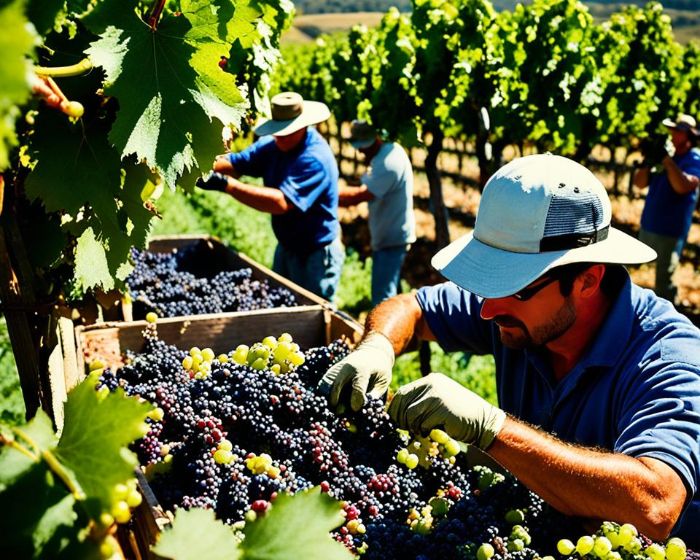
Wine grapes are commonly evaluated with Brix, pH, and titratable acidity before harvest. These numbers should be paired with tasting. Chew skins. Look at seed color. Smell crushed berries in a bag. Taste pulp and skins separately. Check whether clusters are sound or beginning to rot.
| Harvest Check | What It Tells You | Flavor Warning |
|---|---|---|
| Brix | Soluble solids and potential alcohol | High Brix from dehydration can mislead |
| pH | Acid strength, stability risk, microbial sensitivity | High pH fruit may taste flat and need careful winemaking |
| Titratable acidity | Total acid load and wine balance | High acid can dominate aroma; low acid can dull freshness |
| Skin taste | Tannin, bitterness, color maturity, varietal expression | Harsh green skins signal unfinished phenolic maturity |
| Seed taste and color | Ripening progress in red wine grapes | Sharp green seeds can add bitter extraction |
| Cluster condition | Rot, shrivel, bird damage, wasp damage, souring | Unsound fruit can dominate the ferment |
Sampling needs structure. Pick berries from both sides of the row, different heights, shaded and exposed clusters, strong and weak vines, and multiple positions within the cluster. Crush them together for a field sample, then taste individual berries to catch uneven ripening.
Common Mistakes That Weaken Wine Grape Flavor
Flavor mistakes usually come from treating one vineyard lever as a cure. Each vineyard lever has a limit. Extra sun can burn berries, heavy thinning can push excess vigor, water restriction can stop leaf function, and excess nitrogen can close the canopy around the fruit zone.
| Mistake | What Happens In The Vineyard | Better Move |
|---|---|---|
| Chasing high Brix only | Fruit reaches sugar with harsh skins, low acid, or weak aroma | Use Brix, pH, TA, berry taste, skins, seeds, and cluster condition |
| Late aggressive leaf removal | Soft berries burn or raisin after sudden exposure | Expose fruit earlier and keep afternoon protection in hot sites |
| Leaving every cluster | Uneven ripening and diluted flavor across too much crop | Thin lagging, shaded, diseased, and damaged fruit first |
| Using drought as a shortcut | Leaves fail, Brix concentrates by dehydration, flavor stalls | Maintain moderate stress with functional leaves |
| Fertilizing for bigger vines | Canopy closes, fruit stays shaded, disease risk rises | Feed based on test results and vine vigor |
| Harvesting the whole row together | Weak vines, shaded vines, and exposed vines mix into one uneven lot | Sample and pick by block, vine strength, or ripeness zone |
Small vineyards can outperform their size by being selective. Pick the soundest, most even clusters for wine. Drop damaged fruit early. Keep separate buckets for questionable clusters. Winemaking technique can refine fruit quality; rot, green flavor, and severe dehydration usually remain visible in the fermenter.
Conclusion
Enhancing grape flavor for winemaking is vineyard work before it is cellar work. Manage the vine so the canopy can ripen the crop, the clusters receive measured light and air, the water supply slows excess growth and keeps leaves active, and the harvest decision uses flavor maturity as well as numbers.
Flavor-ready fruit comes from a vine that looks controlled and active: open fruit zone, dry clusters, functional leaves, moderate crop, sound berries, and skins that taste ripe. That is the grape profile that gives winemaking technique something worth protecting.
FAQ
What improves grape flavor for winemaking the most?
Vine balance improves flavor most because it controls canopy size, crop load, sunlight, water demand, and ripening capacity together. A balanced vine can ripen fruit with better sugar, acid, skin, aroma, and tannin development.
Does more sunlight always improve wine grape flavor?
More sunlight improves flavor when it creates a balanced fruit-zone microclimate. Moderate exposure can reduce green notes and improve color or aroma. Excess exposure can sunburn berries, reduce freshness, and create shriveled fruit.
Should wine grapes be stressed for better flavor?
Moderate water stress after fruit set can slow shoot growth and support concentration. Severe drought is harmful because leaves stop functioning, flavor development slows, and Brix may rise from dehydration before true ripening is complete.
Does crop thinning make wine grapes taste better?
Crop thinning can improve flavor when the vine is overcropped or clusters are uneven. Remove diseased, damaged, shaded, and late-ripening clusters first. Random thinning is weaker than thinning based on vine strength and ripeness.
What should I test before harvesting wine grapes?
Test Brix, pH, and titratable acidity, then taste berries. Check skins, seeds, pulp, aroma, cluster soundness, and ripeness variation across the row. Brix alone shows sugar only.
Can winemaking fix grapes with weak flavor?
Winemaking can improve extraction, fermentation aroma, structure, and blending. Weak grapes set a low ceiling. Shaded, diseased, underripe, or drought-damaged fruit usually carries those limits into the wine.