




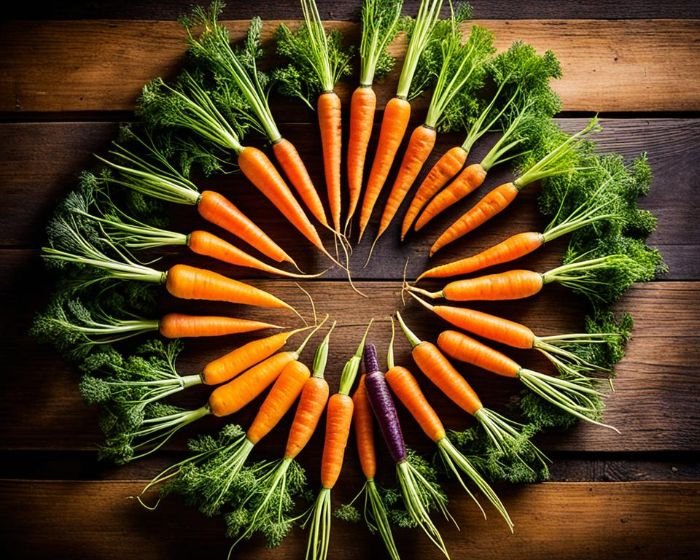
Have you ever wondered why carrots are typically orange in color? It turns out that these vibrant vegetables have a fascinating history that spans thousands of years and encompasses a wide range of colors. From their ancient origins in hues like purple, white, red, and yellow, carrots have undergone a genetic evolution that eventually led to the dominance of the familiar orange variety we know today.
So, how did orange carrots become the preferred color? Let’s delve into the colorful history of carrots and explore the factors that shaped their journey from purple to orange.
Key Takeaways:
- Carrots have a rich history dating back thousands of years and were originally grown in various colors including purple, white, red, and yellow.
- The genetic evolution of carrots from purple to orange was influenced by selective breeding and cultural factors.
- Orange carrots became the dominant variety due to their agricultural advantages, cultural influences, and visual appeal.
- Modern gardening practices emphasize the nutritional benefits and culinary uses of orange carrots.
- While orange carrots dominate the market, there is a growing interest in preserving and celebrating heirloom varieties.
Table of Contents
The Ancient Roots of Carrots
Carrots have a long and fascinating history that can be traced back thousands of years. The ancient roots of carrots can be found in the regions of present-day Afghanistan, where fossil evidence suggests they were cultivated around 5,000 years ago. During this time, carrots were primarily grown in colors such as purple, black, and white.
Egyptian temple drawings from as early as 2,000 BC depict purple plants that are believed to be purple carrots, further highlighting the ancient origins of this versatile vegetable. These early varieties of carrots played a significant role in shaping the future evolution of carrots.
Origin and Early Varieties
The archaeological evidence from ancient carrot remains indicates that carrots were domesticated in the Afghanistan region, which served as the cradle of carrot cultivation. These early carrots were not the vibrant orange we are accustomed to seeing today. Instead, they were found in hues of purple, black, or white, showcasing the wide range of colors that carrots once possessed.
These early varieties were cultivated for their culinary uses and were valued for their unique flavors and attributes. The use of different colored carrots in ancient cuisines suggests that people recognized their distinctive qualities and preferences.
Cultural Significance of Different Colors
The cultural significance of carrots and their colors varied across different regions and cultures. The colors of carrots were often associated with symbolism and had specific cultural meanings.
In ancient Egypt, for example, purple was considered a royal color, and purple carrots were associated with luxury and nobility. On the other hand, black carrots were believed to have medicinal properties in traditional Chinese medicine.
Carrots’ diverse colors offered not only culinary variation but also cultural and symbolic significance to different societies throughout history.
Genetic Evolution – From Purple and Yellow to Orange
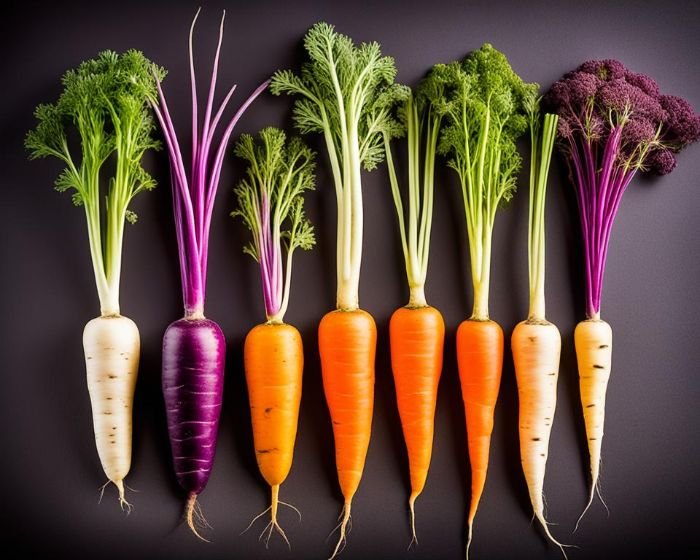
Dutch growers in the 17th century played a significant role in the genetic evolution of carrots. Through the process of selective breeding, they worked diligently to develop a sweeter and less bitter variety of carrots. By carefully selecting and crossbreeding purple, yellow, and white carrots, they eventually achieved a breakthrough – the creation of the first orange carrots.
The Role of Selective Breeding
Selective breeding refers to the intentional breeding of plants with desirable traits to create new varieties. In the case of carrots, Dutch growers used this technique to focus on enhancing flavor and reducing bitterness. By selecting and mating carrots with sweeter and less bitter qualities, they were able to gradually refine the taste and texture of the carrots over generations.
Mutation and the First Orange Carrots
While selective breeding was the primary method used to develop the first orange carrots, a natural mutation also played a role. Occasionally, carrots would exhibit mutations resulting in an orange color. Recognizing the potential, Dutch growers carefully preserved and further cultivated these orange mutant carrots, eventually establishing them as a distinct variety.
Through the combination of selective breeding and the identification of mutations, Dutch growers transformed carrots from their original purple and yellow hues to the vibrant orange carrots we know today. The appealing color and improved taste quickly made orange carrots popular among consumers, leading to their dominance in the carrot market.
Why Orange Dominated Over Other Colors
Orange carrots became the dominant variety for several reasons. They offered agricultural advantages such as higher yields, resistance to pests, and improved taste. Additionally, cultural influences played a role in shaping color preferences as the popularity of orange carrots grew. The Dutch connection, along with the visual appeal and familiarity of the orange color, solidified its position as the preferred choice among consumers.
The agricultural advantages of orange carrots made them highly desirable among farmers and gardeners. Orange carrot varieties demonstrated increased productivity, delivering higher yields compared to other colors. This factor was instrumental in the widespread adoption of orange carrots for commercial cultivation due to their profitability. Furthermore, orange carrots exhibited improved resistance to pests and diseases, reducing the need for chemical interventions and making them an attractive option for sustainable farming practices.
Cultural influences also played a significant role in establishing orange carrots as the preferred choice. The Dutch connection is a prominent example of how cultural factors shaped color preferences. Orange carrots gained popularity in the Netherlands due to their association with the House of Orange, the Dutch royal family. This cultural significance elevated the status of orange carrots and influenced consumer perceptions, contributing to their dominance.
“Orange carrots are not just visually appealing; they carry a sense of familiarity and tradition, especially in cultures like the Netherlands. Their vibrant color adds brightness to culinary dishes, making them an essential ingredient in various cuisines.”
Moreover, the visual appeal of the orange color played a crucial role in solidifying its dominance. Orange is a vibrant and eye-catching color that stands out among other hues, making orange carrots visually appealing. Its brightness and warmth convey a sense of freshness and quality, making it an enticing option for consumers. The familiarity of orange, associated with other fruits and vegetables, also contributed to its popularity and preference over other colors.
In summary, orange carrots dominated over other colors due to their agricultural advantages, cultural influences, and the visual appeal of the orange color. Their higher yields, resistance to pests, and improved taste made them favorable for farming practices. The Dutch connection and cultural significance shaped consumer preferences, while the vibrant and familiar orange color made them visually appealing. These factors collectively established orange carrots as the preferred choice among consumers, solidifying their dominance in the market.
The Impact of Orange Carrots on Modern Gardening
Orange carrots have revolutionized modern gardening practices, leaving a lasting impact in both nutritional and culinary domains. These vibrant root vegetables offer a plethora of health benefits, making them an essential ingredient in a well-balanced diet. Furthermore, advancements in breeding techniques have focused on enhancing the quality and disease resistance of carrots, ensuring their continued popularity among gardening enthusiasts.
Nutritional Benefits and Culinary Uses
One of the key reasons for the widespread popularity of orange carrots is their impressive nutritional profile. These carrots are rich in beta-carotene, a precursor to vitamin A, which promotes healthy vision and supports the immune system. Additionally, they are packed with antioxidants that help combat free radicals, reducing the risk of chronic diseases.
Orange carrots are incredibly versatile and can be incorporated into a variety of culinary dishes. They add a burst of vibrant color, sweetness, and crunch to salads, stir-fries, soups, and stews. They can also be enjoyed roasted, steamed, or pickled, adding depth of flavor to various recipes. The culinary uses of orange carrots are truly limitless, making them a staple in kitchens worldwide.

Breeding for Improved Quality and Disease Resistance
Modern breeding practices have played a crucial role in enhancing the quality and disease resistance of orange carrots. Breeders focus on selecting traits like sweetness, texture, and color intensity to create carrots that meet the high expectations of both gardeners and consumers. By meticulously cross-pollinating different varieties and carefully selecting desirable offspring, breeders have been able to produce carrots that are not only visually appealing but also have superior taste and texture.
Additionally, breeding for disease resistance has helped mitigate common challenges faced by carrot growers. By incorporating genes that confer resistance to fungal and bacterial pathogens, breeders have developed carrots that are more robust and can withstand various environmental stressors. This has significantly improved the overall yield and sustainability of carrot crops, ensuring a steady supply of healthy produce.
In conclusion, orange carrots have made a substantial impact on modern gardening practices. Their nutritional benefits and culinary versatility have solidified their place in kitchens worldwide. Furthermore, ongoing efforts in breeding for improved quality and disease resistance have ensured that orange carrots continue to thrive as a beloved vegetable. Whether you’re a seasoned gardener or an enthusiastic home cook, incorporating orange carrots into your garden and culinary repertoire is a decision that yields nothing but satisfaction.
Preserving and Celebrating Heirloom Varieties
While orange carrots dominate the market, there is still a growing interest in preserving and celebrating heirloom varieties. Carrot cultivation has seen current trends that focus on organic and sustainable practices, as well as the revival of traditional and unique varieties. These practices not only support biodiversity but also help in preserving the cultural heritage associated with different carrot colors and flavors.
One of the reasons why heirloom varieties are worth growing today is their unique flavors and vibrant colors. Purple, white, and yellow carrots offer a diverse range of tastes, from earthy and sweet to tangy and aromatic. Incorporating these heirloom carrots into culinary creations adds an exciting dimension to dishes and showcases the rich history of carrot cultivation.
Another benefit of preserving heirloom varieties is the opportunity to maintain genetic diversity. These traditional carrots often possess traits that have been lost in commercial varieties due to selective breeding for specific characteristics. By cultivating and saving heirloom seeds, gardeners and farmers contribute to preserving the genetic pool of carrots and increasing resilience against diseases and environmental challenges.
Current Trends in Carrot Cultivation
The current trends in carrot cultivation focus on sustainable and environmentally friendly practices. Many growers are adopting organic farming methods, avoiding synthetic pesticides, and opting for natural soil enhancement techniques. This approach not only minimizes the environmental impact but also ensures that carrots are cultivated without potentially harmful chemical residues.
Additionally, there is a renewed interest in regenerative agriculture, which aims to restore and improve the health of the soil and surrounding ecosystem. This holistic approach prioritizes soil health, biodiversity, and carbon sequestration, resulting in more nutrient-rich and flavorful crops.
Heirloom Varieties Worth Growing Today
With the resurgence of interest in heirloom varieties, several carrot cultivars have made a comeback in modern gardens. Here are some heirloom varieties worth growing today:
- Purple Dragon – This vibrant purple carrot is known for its unique color and sweet flavor. It adds a striking visual element to salads and stir-fries.
- Lunar White – With its creamy white skin and crisp texture, the Lunar White carrot is a delightful addition to salads and raw vegetable platters.
- Yellowstone – The Yellowstone carrot features a lovely yellow hue and a slightly citrusy taste. Its bright color makes it a popular choice for juicing and roasting.
By honoring and growing heirloom carrot varieties, gardeners and food enthusiasts can preserve the past while savoring the diverse flavors and colors that these unique carrots offer. It’s a way to connect with history, celebrate biodiversity, and appreciate the wonders of nature’s bounty.
Conclusion
The colorful history of carrots showcases their fascinating evolution from purple to orange, highlighting the cultural, agricultural, and culinary influences that have shaped their journey. Over time, orange carrots have attained worldwide popularity and are beloved for their exceptional nutritional benefits and culinary versatility.
While it is important to preserve heirloom varieties to add diversity to carrot cultivation and keep the traditions alive, there is no denying that orange carrots remain the most widely consumed and recognized today. Their vibrant hue, sweet taste, and widespread availability have made orange carrots the go-to choice for consumers around the globe.
The triumph of orange carrots is a testament to human innovation and the impact of selective breeding techniques. Through our ingenuity, we have crafted a vegetable that not only nourishes our bodies with essential nutrients but also delights our taste buds with its inherent deliciousness. The history of carrots serves as a reminder of our ability to shape and improve the foods we enjoy every day.
FAQ
What is the history of carrots?
Carrots have a long history dating back thousands of years, with fossil evidence suggesting they were grown in the Afghanistan region 5,000 years ago. They were originally purple, black, or white in color.
How did carrots evolve from purple to orange?
Dutch growers in the 17th century selectively bred purple, yellow, and white carrots to develop a sweeter variety, eventually resulting in the first orange carrots.
Why did orange carrots become the dominant variety?
Orange carrots became popular due to their agricultural advantages, such as higher yields and resistance to pests. Cultural influences, including the connection to the Dutch royal family and visual appeal, also contributed to their dominance.
What impact do orange carrots have on modern gardening?
Orange carrots are packed with nutritional benefits and are used in a variety of culinary dishes. Modern breeding techniques focus on improving their quality and disease resistance, ensuring they remain a staple in gardens and kitchens.
Are heirloom varieties of carrots still preserved today?
Yes, there is a growing interest in preserving and celebrating heirloom carrot varieties. Current trends in carrot cultivation focus on organic and sustainable practices, as well as reviving traditional and unique varieties.