Updated July 23, 2026
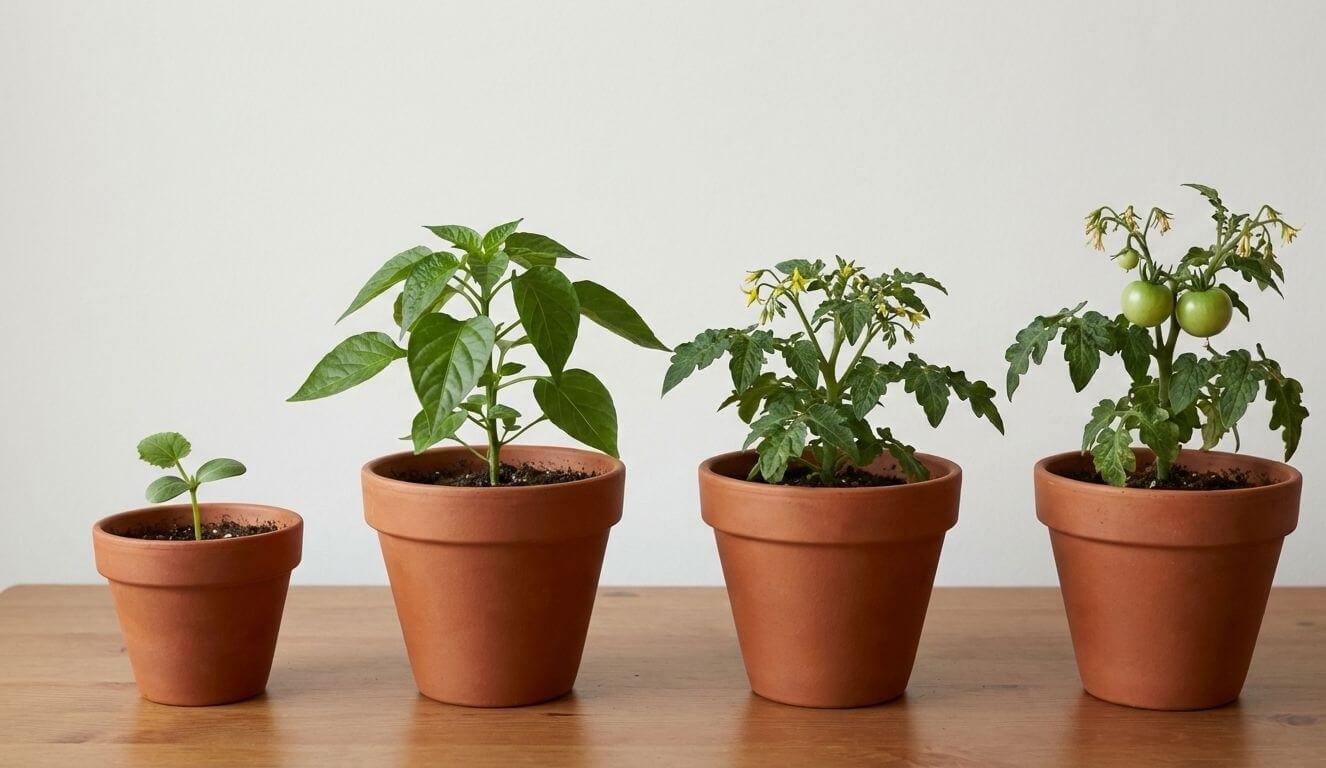
Vegetable growth stages follow the same broad path from germination to harvest; the part you eat changes what successful growth looks like. Lettuce can be ready during leaf building, carrots need a long root-filling phase, and tomatoes must flower, set fruit, and ripen before the first full harvest.
The useful question is not simply how old a plant is. Look for the organ that is developing now, the next visible milestone, and the stress that could interrupt that transition. That approach makes timing, watering, feeding, and harvest decisions much more reliable than counting days alone.
Vegetable Growth Stages At A Glance
Most annual vegetables pass through six practical stages. The harvest may arrive during stage three, five, or six depending on whether you grow the crop for leaves, roots, bulbs, pods, or fruit.
Key Takeaways
- Identify the organ developing before changing care
- Use true-leaf count to judge seedling progress
- Protect flowering crops from heat and moisture swings
- Compare maturity dates from the correct starting point
- Harvest from physical signals, not calendar age
Table of Contents
How Growth Changes By Vegetable Type
A single seed-to-harvest diagram becomes misleading once the edible part changes. All vegetable plants establish roots and leaves. They do not invest in the same organ at the same time. The stage that deserves the most protection is the one in which the edible structure begins to form.
Leafy vegetables finish during vegetative growth
Lettuce, spinach, arugula, and kale are harvested before reproduction is useful. Their valuable stage is consistent leaf expansion: short internodes, new leaves emerging from the center, and enough root activity to replace the water lost through a widening canopy. Heat, crowding, or repeated drying can push them toward bolting before the leaf harvest reaches full size.
That creates an unusual definition of maturity. A compact rosette may be harvest-ready even though the plant has not completed its biological life cycle. Waiting for flowers means waiting past peak tenderness.
Roots and bulbs store energy below ground
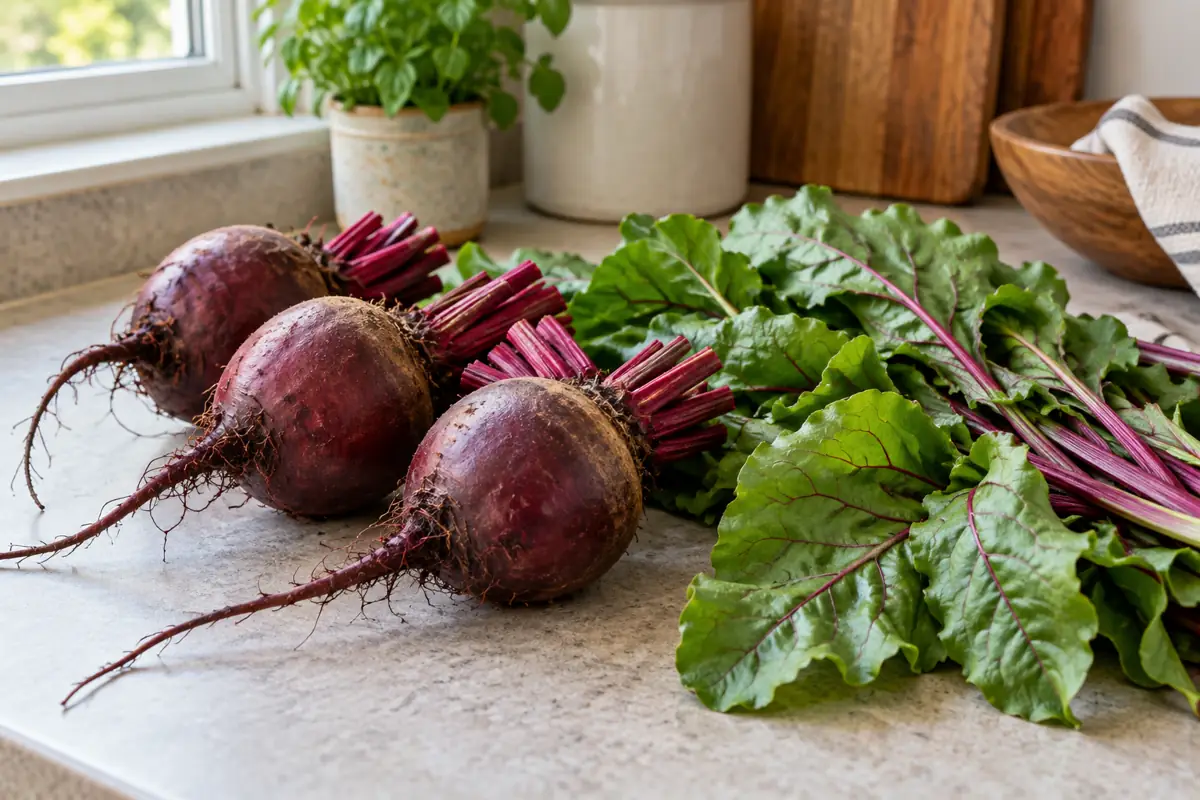
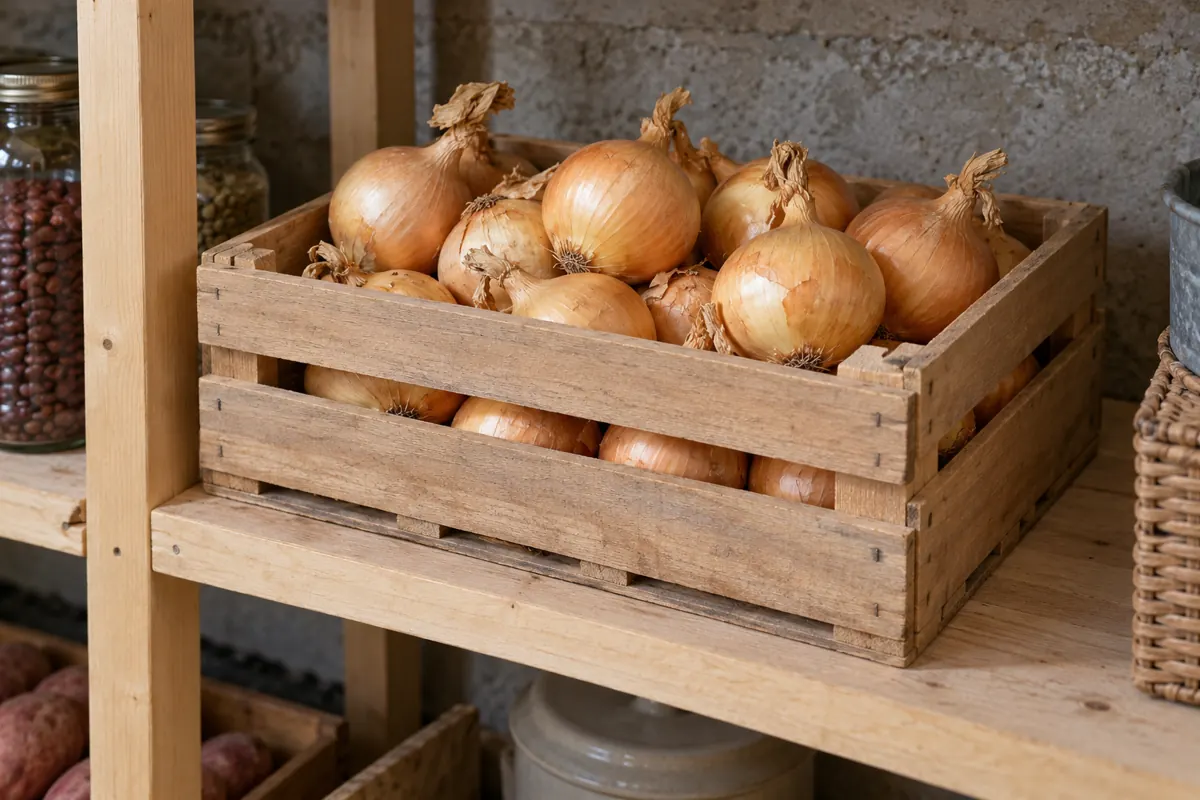
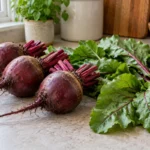
Carrots and radishes first build foliage, then direct more carbohydrate into an expanding taproot. Onions and garlic thicken modified leaf bases to form bulbs. The visible canopy is the energy source, and the harvest develops out of sight. Cutting healthy leaves, compacting the root zone, or allowing repeated moisture swings weakens storage growth even when the top still looks green.
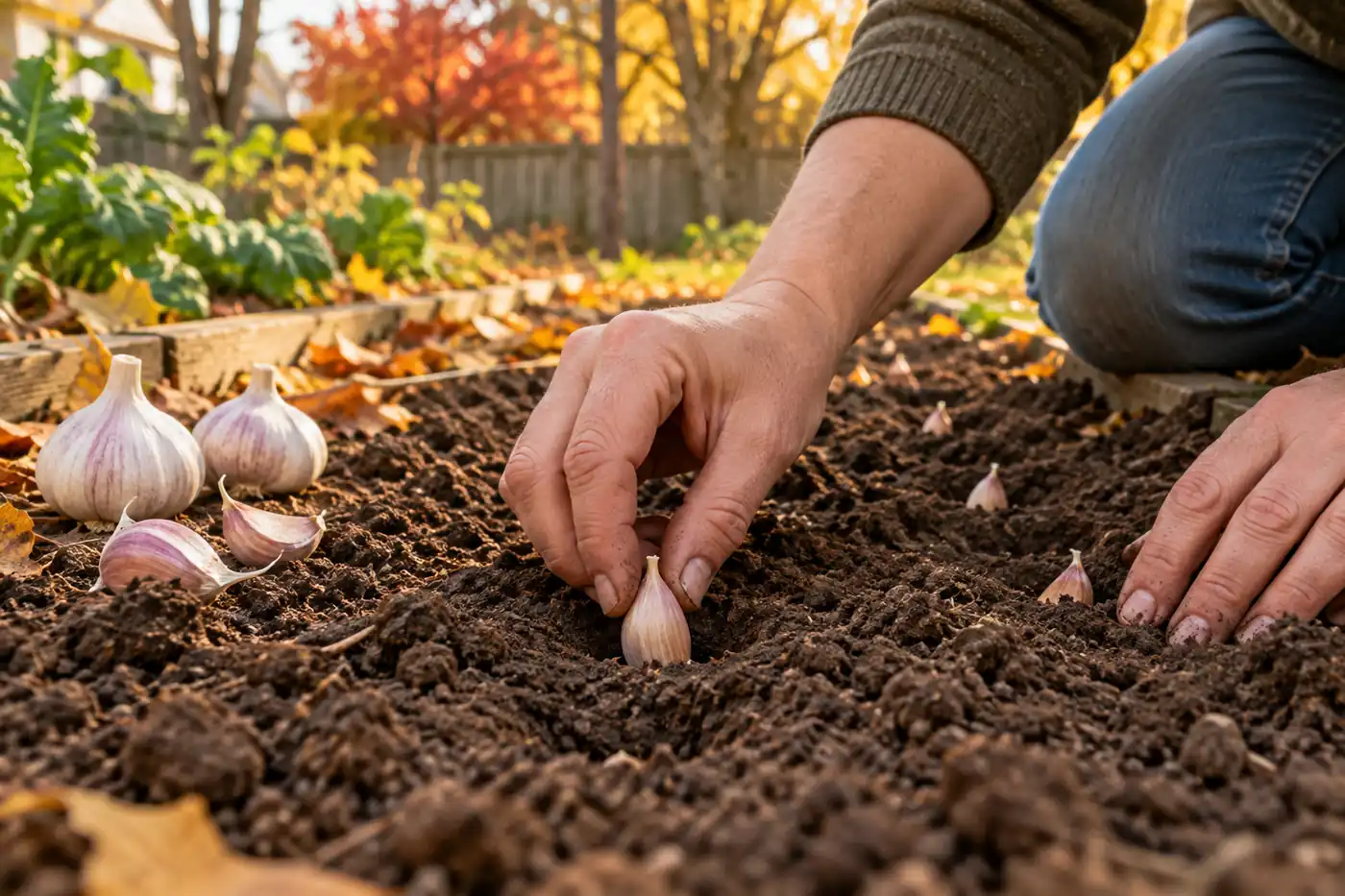
A root shoulder rising slightly above the soil or an onion base beginning to widen is more useful than plant height. For garlic and onions, day length and temperature also influence when the plant shifts from leaf production to bulbing, so the same-sized plant can behave differently across planting dates and regions.
Fruiting crops add a reproductive sequence
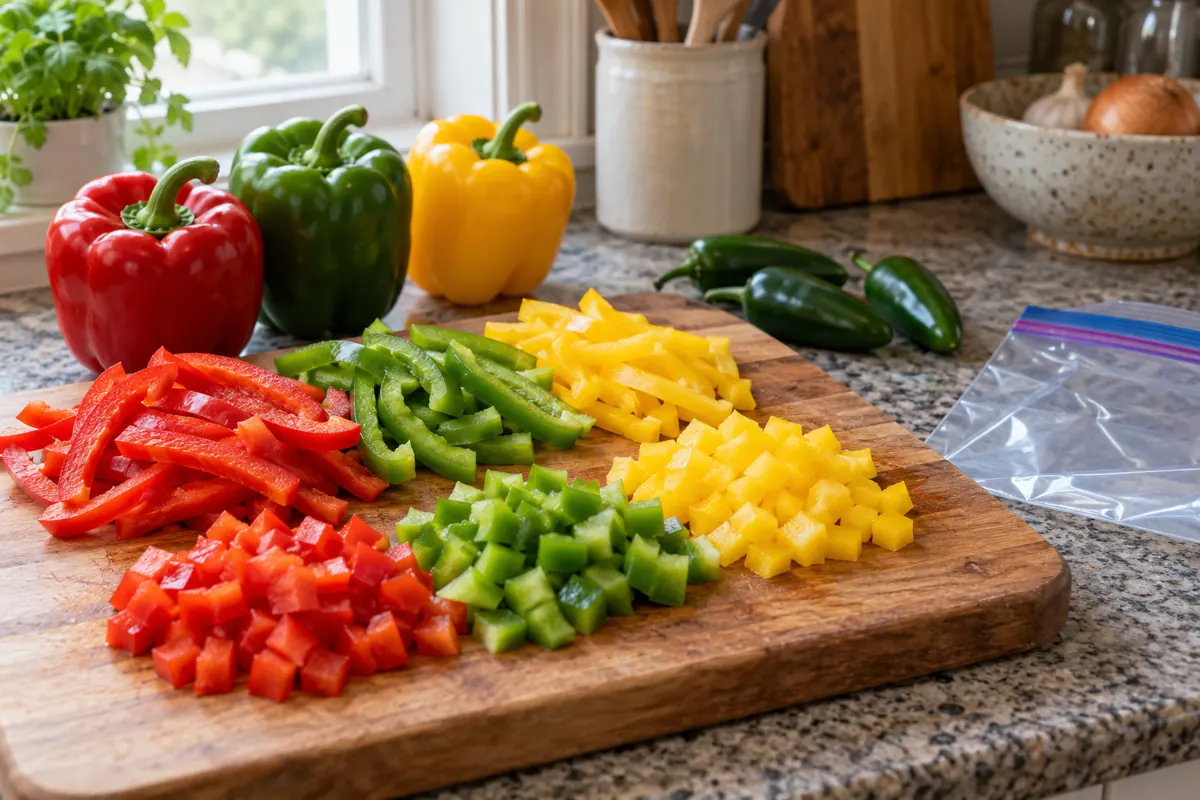
Tomatoes, peppers, eggplants, cucumbers, pumpkins, and squash must build a canopy before flowers can support a crop. They then pass through bud formation, flowering, pollination, fruit set, enlargement, and ripening. A vigorous-looking plant can still lose yield if heat or uneven water interrupts the short window between an open flower and a stable young fruit.
Early flowers are not always proof that the plant is ahead. A small transplant carrying fruit may divide limited energy between root establishment and reproduction. A larger plant with a balanced canopy often catches up once roots occupy the surrounding soil.
Pods, heads, and perennial crowns use different clocks
Beans and peas switch from nodes and leaves to flowers and filling pods. Broccoli concentrates growth into a tight cluster of unopened flower buds, then continues with smaller side shoots after the central head is cut. Asparagus is different again: the edible spear is an emerging shoot from a permanent crown, and the fern stage rebuilds the underground reserves needed for the following year.
Water demand changes as canopy size and yield formation change. The stage model used by University of Florida IFAS separates establishment, rapid growth, peak development, and late-season phases, which explains why one universal watering schedule performs poorly across a mixed vegetable bed.
Vegetable Growth Stages By Crop
Use the general stages to identify what the plant is doing, then open the crop guide for its exact milestones, timing, and harvest signals.
Fruiting and vining vegetables
Roots, bulbs, and storage crops
Leafy greens and brassicas
Legumes and perennial vegetables
How Long Do Vegetables Take To Grow?
Most vegetables take about 25 to 120 days to reach a first harvest; the full range stretches from one-week microgreens to asparagus crowns that need two or three establishment years. The correct starting point also matters. Direct-sown crop dates usually begin at seeding. Tomato, pepper, eggplant, and many brassica dates often begin when a transplant enters the garden.
Variety, soil temperature, light, and seasonal heat can move the result well outside a catalog number. Radishes around 28-40 days from seed, leaf lettuce around 35-40 days, tomatoes around 60-75 days from transplant, peppers around 72-90 days from transplant, and garlic around 120-185 days from sets are examples in Oregon State University Extension maturity tables. Those figures are planning ranges, not promises.
| Vegetable group | Typical first-harvest range | What starts the clock | Best maturity signal |
|---|---|---|---|
| Microgreens | 7-21 days | Sowing | Expanded cotyledons or first true leaf |
| Radish and fast leafy greens | 25-60 days | Sowing | Root diameter or usable leaf size |
| Beans, peas, cucumbers, summer squash | 45-75 days | Usually sowing | Pod or fruit size before toughness |
| Carrots and larger leafy crops | 55-100 days | Sowing | Root shoulder, head density, or leaf quality |
| Tomatoes, peppers, eggplants | 60-100 days | Usually transplanting | Full size, color, gloss, and firmness |
| Pumpkins, sweet potatoes, onions | 90-150 days | Planting or transplanting | Rind, storage-root size, or top fall |
| Garlic | 120-270 days | Clove planting | Lower-leaf browning with green upper leaves |
| Asparagus | 2-3 years to regular harvest | Crown planting | Established crowns producing strong spears |
The difference between seed time and transplant time is easy to miss. A pepper labeled 75 days may already have spent six to eight weeks indoors before that count begins. The most useful vegetable maturity tables separate crops grown from seed from those counted after transplanting.
What Each Growth Stage Needs
Care should follow the stage that is active now. A seed needs moisture around a small volume of soil. A mature squash vine needs a wide, consistently moist root zone. Giving both plants the same watering pattern because they share a bed ignores how quickly their demand changes.
Germination needs stable moisture and usable temperature
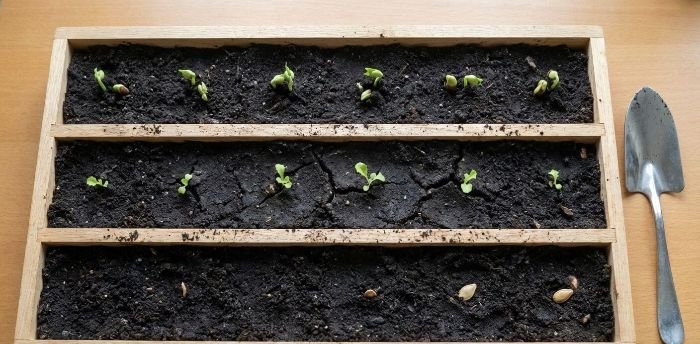
A seed first absorbs water, activates enzymes, and sends out a root. The soil should feel evenly damp, not saturated. A crusted surface blocks small seedlings; waterlogged pores reduce oxygen around emerging roots. Soil temperature sets the pace, allowing peas and spinach to move in cool ground as cucumber and pumpkin seeds wait or rot.
Watch the pattern across the row. Random gaps often point to depth, crusting, or local dry pockets. A whole row that fails at once points more strongly to temperature, seed quality, or a watering problem.
Seedlings need roots before rapid top growth
Cotyledons open first, then true leaves reveal the plant’s normal shape. Compact stems and consistently enlarging leaves indicate that light and root uptake are keeping pace. Long pale stems, leaves leaning in one direction, or a pot that swings from wet to feather-light show that the plant is spending energy on survival, not establishment.
After transplanting, a brief pause is normal. Disturbed roots cannot immediately replace all the water lost through the leaves. Water the root ball before planting, settle it into moist soil, and shade only when heat would otherwise pull water faster than the roots can supply it.
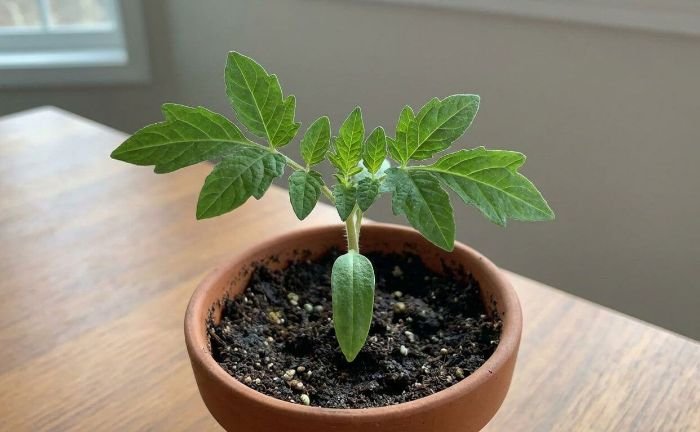
Vegetative growth needs light, space, and nitrogen balance
Each healthy leaf expands the plant’s photosynthetic capacity. More foliage is not automatically better. Dense overlapping leaves hold humidity and shade the lower canopy. Very dark, soft growth with delayed flowering can signal excess nitrogen. Small pale leaves can reflect poor root function, nutrient shortage, or cold soil.
Use internode length as a quick field clue. Tight spacing between leaves usually means the plant has enough light. Long bare sections of stem indicate stretching, crowding, or a canopy reaching past shade.
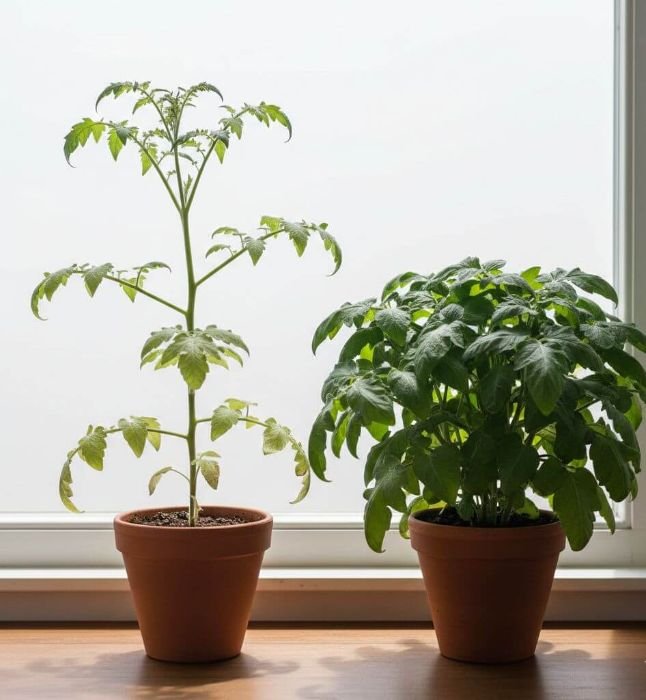
Flowering and storage initiation need consistency
This transition is where different vegetable types separate. Fruiting crops need flowers to remain viable long enough for pollination and early fruit set. Root and bulb crops need healthy leaves to keep sending carbohydrates into storage tissue. Broccoli needs uninterrupted growth during central head formation.
A sudden dry spell followed by heavy watering can abort flowers, split roots, or produce uneven swelling. Keep moisture consistent and avoid compensating after stress. The goal is not permanently wet soil; it is a root zone that changes gradually.
Enlargement needs water without late leafy excess
Fruit, pods, heads, roots, and bulbs become strong sinks for sugars and minerals. Water demand often peaks because the canopy is large and the harvestable part is gaining mass. A stage-based vegetable irrigation framework is more useful than a fixed weekly schedule because establishment, rapid growth, yield formation, and late maturity do not use water at the same rate.
Late high-nitrogen feeding can push new leaves at the expense of ripening or storage quality. Once fruit is sizing or bulbs are well formed, correct obvious deficiencies and avoid forcing a fresh vegetative surge.
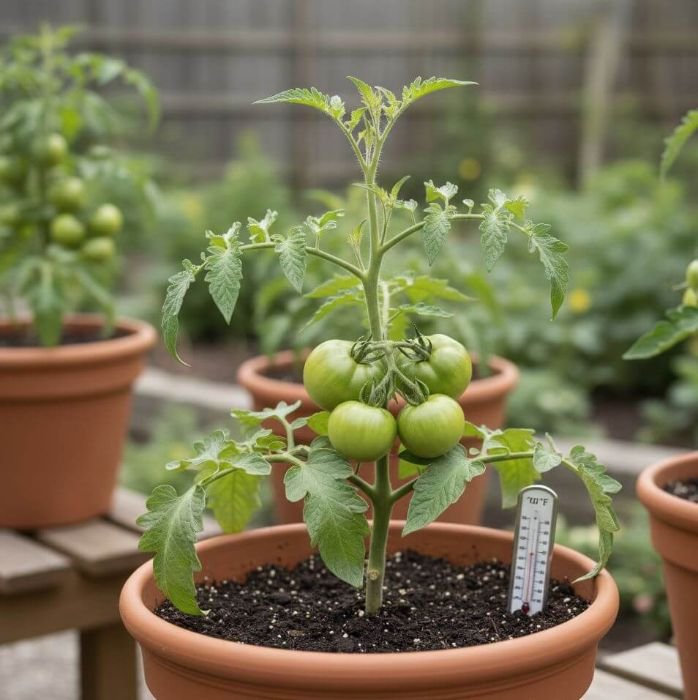
When Vegetable Growth Stalls
A plant can pause without failing. Cool soil slows roots, transplanting interrupts uptake, and a newly set fruit can redirect energy away from visible shoot growth. The useful distinction is whether the plant is stable or losing function.
| Visible pattern | Likely stage problem | First check |
|---|---|---|
| Seeds emerge unevenly | Variable depth, crusting, or moisture | Compare bare spots with soil texture and drying |
| Seedlings stay small and green | Cool roots or recent transplanting | Check soil temperature and new leaf movement |
| Tall stems with wide leaf spacing | Insufficient light or crowding | Measure shade and plant spacing |
| Lush leaves with few flowers | Excess nitrogen, shade, or immature canopy | Check light hours and recent feeding |
| Flowers open; fruit does not hold | Heat, poor pollination, or water stress | Review conditions during the flowering window |
| Roots or fruit stop enlarging | Damaged roots, uneven water, or heavy canopy competition | Inspect moisture below the surface and leaf health |
| Older leaves decline near maturity | Normal remobilization or disease | Check whether new damage is spreading rapidly |
Look for seven-day movement. A new true leaf, a thickening stem, a wider root shoulder, or fruit that holds after flowering shows that development is continuing even when daily change is hard to see. Mark one leaf or measure one fruit; memory is too imprecise.
I often notice that gardeners react fastest to the most visible symptom, especially drooping leaves at midday. If the same plant stands upright again by evening and the soil remains moist below the surface, immediate extra watering may create the next problem. Persistent morning wilt is a stronger sign that roots cannot keep pace.
Harvest Signals Beat Calendar Dates
Days to maturity tells you when to start looking closely. It does not replace the crop’s physical harvest signal. Weather, variety, transplant age, and temporary stress can shift maturity by days or weeks without making the plant unhealthy.
Leaf crops are ready when enough usable foliage has formed and texture remains tender. Root crops reveal diameter at the shoulder. Broccoli heads should feel tight before yellow petals separate. Snap beans and peas are best when pods remain crisp and seeds have not turned coarse. Cucumbers and summer squash are harvested young, often every few days, because oversized fruit becomes seedy and slows continued production.
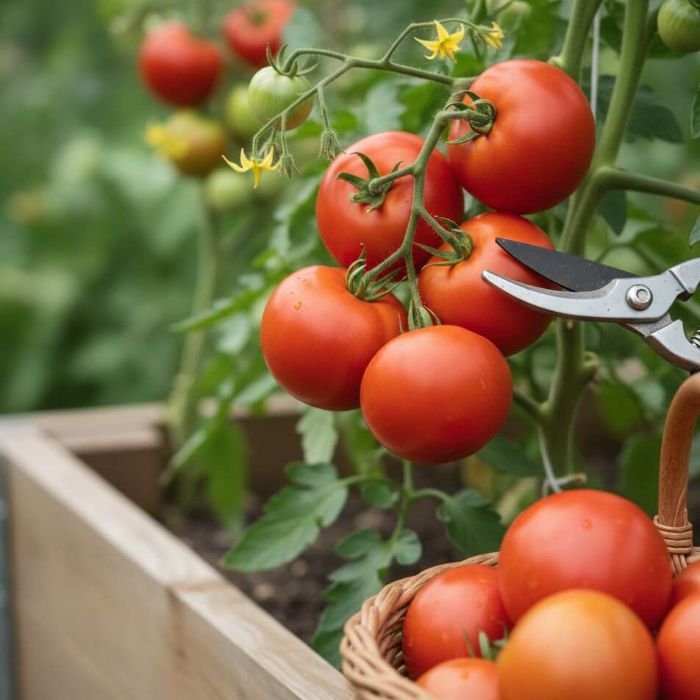
Tomatoes can be picked from the breaker stage onward. Peppers may be harvested green or allowed to color. Eggplant should have a glossy skin that springs back under light pressure. Pumpkins need a hard rind and drying stem. Onion tops fall and necks soften before curing; garlic is usually lifted with several upper leaves still green enough to protect the bulb wrappers.
Use more than one cue. Color alone is unreliable under shade, size varies by cultivar, and a seed packet cannot see the weather your plant experienced. The best harvest decision combines the expected window with firmness, surface texture, plant behavior, and the intended use in the kitchen.
Conclusion
Vegetable growth becomes easier to manage when you stop treating every green plant as if it were in the same stage. First identify whether the plant is establishing roots, building leaves, initiating flowers or storage tissue, enlarging the harvestable part, or approaching maturity. Then match water, spacing, feeding, and protection to that job.
The clearest success signal is physical: compact new growth, roots or fruit gaining size, flowers holding through stress, and a harvest that reaches the right firmness before quality fades. Follow the crop-specific guide when the general sequence splits, and let the plant’s visible milestone confirm what the calendar only predicts.
Frequently Asked Questions
What are the main vegetable growth stages?
The practical sequence is germination, seedling establishment, vegetative growth, reproductive or storage initiation, enlargement of the harvestable part, and maturity. Leaf crops may be harvested during vegetative growth. Fruiting crops continue through flowering, fruit set, enlargement, and ripening.
Do days to maturity begin at sowing or transplanting?
It depends on the crop and seed company. Direct-sown vegetables are commonly counted from seeding. Tomatoes, peppers, eggplants, and many brassicas are often counted from transplanting. Check the packet wording because indoor seedling time can add four to ten weeks before the printed maturity count begins.
Why do vegetables stop growing after transplanting?
Roots lose contact with part of their growing medium and temporarily absorb less water after transplanting. A short pause is normal as new root tips enter the surrounding soil. Persistent wilt, bleached leaves, or no new growth after one to two weeks points to heat, root damage, waterlogging, or a root ball that is drying separately from the bed.
Can two vegetables planted together mature at different times?
Yes. Seed vigor, planting depth, soil temperature, moisture pockets, shade, and root competition create different growth rates within the same row. Variety also matters. Use the most advanced plants to begin checking harvest cues. Judge each plant separately; harvesting the entire row by one date can sacrifice quality.