


Last Updated July 13, 2026
The history of carrots begins with a useful correction: ancient people used wild carrot relatives for seeds and leaves long before gardeners selected the swollen, sweet roots we recognize today. The trail moves from aromatic wild plants and bitter pale taproots to purple and yellow domesticated forms, then to the orange Western carrot that spread through Europe and America.
That matters for gardeners because carrot color tells part of the plant’s breeding history. Purple roots stain a cutting board. Yellow roots look almost parsnip-like when pulled from dry soil. Orange roots carry the sweet, crisp snap most seed catalogs now treat as normal. Each color is a record of pigment, selection, storage quality, and the kind of carrot people wanted enough to keep replanting.
Carrot History In 30 Seconds
Carrots most likely began as wild relatives valued for aromatic seeds and leaves, then became domesticated root crops in Central Asia. Early cultivated roots were commonly purple or yellow. Orange carrots became reliable in northwestern Europe several centuries later, and the popular House of Orange story is better treated as folklore around a crop that Dutch growers helped spread.
| Reader question | Best evidence-led answer |
|---|---|
| Where did carrots originate? | The domesticated root is tied most closely to Central Asia, especially the Afghanistan, Iran, and nearby regional gene pool. |
| What color were carrots originally? | Wild relatives were pale and woody; early domesticated roots were often purple or yellow. |
| Why are carrots orange? | Orange roots carry carotenoid pigments and were selected for color, sweetness, reliability, and kitchen appeal. |
| Did the Dutch invent orange carrots for William of Orange? | The timing fits the Netherlands; documentary proof for a royal tribute is weak. |
Key Takeaways:
- Separate wild seed evidence from later domesticated root history.
- Treat the Dutch orange story as folklore around breeding.
- Read purple, yellow, red, and orange as pigment signals.
- Keep growing advice with soil, sowing, and thinning.
- Use heirloom colors to choose flavor, pigment, and harvest goals.
Table of Contents
History Of Carrots Timeline – Wild Seed Use To Orange Roots
The earliest carrot trail is easy to overstate because wild carrot, domesticated carrot, parsnip, and other umbellifers can look similar in old texts and plant remains. Seeds found in ancient European sites show that people knew and used carrot relatives. Seed evidence carries a smaller claim than a swollen orange table root.
The stronger root story begins later. The domestic carrot, Daucus carota subsp. sativus, is tied by written history and genetic evidence to Central Asia. A CarrotOmics history timeline places carrot origin around Afghanistan and nearby northern Iran and Pakistan, then traces purple and yellow roots spreading toward the eastern Mediterranean between about 900 and 1000 AD.
| Period | What the evidence supports | What to avoid assuming |
|---|---|---|
| Ancient seed use | Wild carrot relatives were known for aromatic seeds and leaves. | Ancient seed finds show seed use only. |
| 1st to 6th centuries | Classical and Byzantine material points to cooked roots or carrot-like roots. | Old names can blur carrot and parsnip. |
| 900 to 1300s | Purple and yellow domesticated carrots spread from Central Asia toward the Mediterranean, Europe, and China. | Modern orange color remained outside the default. |
| 1500s to 1700s | Western orange carrots became more stable and common in the Netherlands and nearby regions. | The royal-tribute story lacks solid documentary footing. |
| Colonial period onward | European settlers carried carrots into North America, where orange types later became familiar garden crops. | Today’s grocery carrot is only one branch of a wider color history. |
Domestication, pigment, and selection carry this origin story; sowing depth, soil texture, and thinning decide whether a modern root grows straight. Gardeners planning a bed can use the carrot growing conditions that shape root size, germination, and thinning.
Where Carrots Originated In Central Asia
Carrots likely moved from wild, thin-rooted plants toward usable roots in the broad region around Afghanistan, Iran, and neighboring Central Asia. The wild ancestor had a tougher, woodier taproot than the roots gardeners harvest now. Selection changed that texture over many generations: less bitterness, more stored sugar, a thicker edible root, and a shape worth saving seed from.
That change came through repeated seed saving. A gardener or farmer would have saved seed from plants that formed better roots, more usable color, or stronger storage quality. Over time, those saved lines separated cultivated carrots from wild relatives. The same kind of selection continues when modern breeders choose for smooth skin, blunt tips, stronger shoulders, disease tolerance, and uniform harvest size.
Wild carrot also complicates the story because it still grows in many temperate places. Queen Anne’s lace is a wild carrot relative, and it can cross with cultivated carrot under the right conditions. A white wild carrot in a roadside ditch remains a related plant with a thin, fibrous root and a separate relationship to people.
The place-of-origin question also belongs beside the wider movement of food crops. Carrots sit inside the same broad pattern as other vegetables that changed as people carried seed, selected local traits, and attached cultural meaning to color and use. That wider pattern belongs with the cultural history of vegetables; carrot color deserves its own closer look here.
Original Carrot Color Before Orange Became Familiar
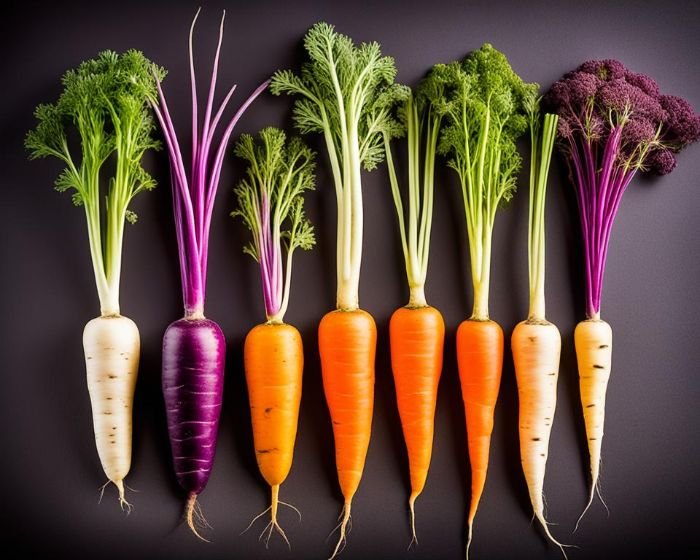
The phrase original carrot color can mislead because wild carrot and domesticated carrot are different stages of the story. Wild relatives were often pale, woody, and grown or gathered more for aromatic parts than for a tender root. Early cultivated carrots then moved into stronger root colors, especially purple and yellow.
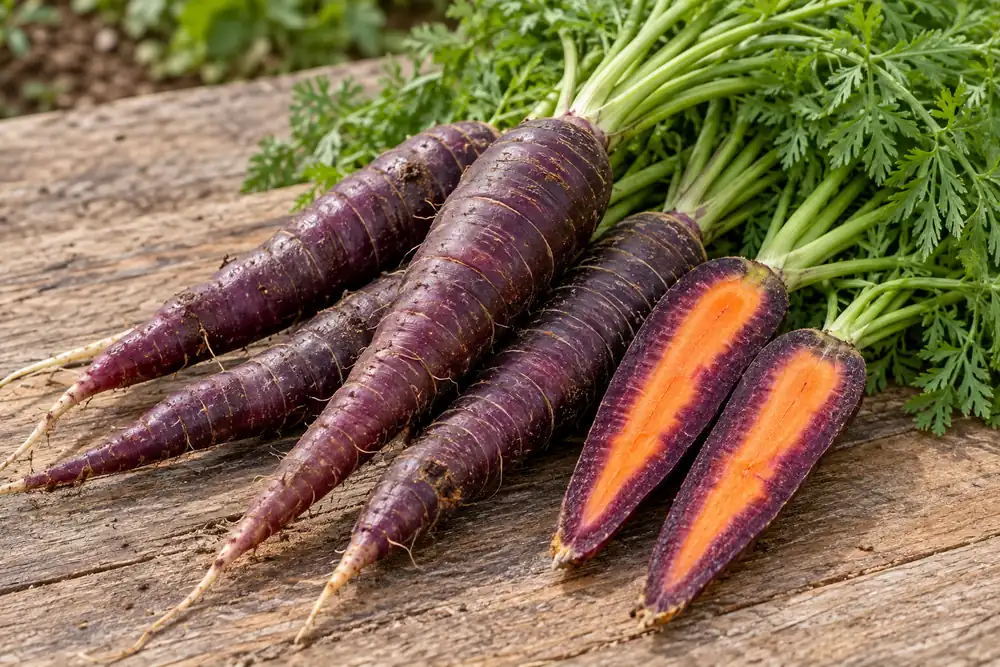
Purple carrots owe much of their dark outer color to anthocyanin pigments. Yellow and orange carrots lean more toward carotenoids, with orange roots especially associated with beta-carotene. Red carrots carry different pigment balances again. A cut purple carrot with an orange core shows the point in one slice: carrot color can sit in skin, cortex, core, or some combination of tissues.
| Carrot color | Main pigment signal | What it tells a gardener |
|---|---|---|
| Purple | Anthocyanins, often concentrated near the outside of the root | Older domesticated color family; can bleed color during cutting or cooking. |
| Yellow | Xanthophyll carotenoids | Common in older Western lines; often milder in appearance than orange types. |
| Orange | High carotenoid accumulation, especially beta-carotene | Modern default for sweetness, color, storage, and market familiarity. |
| Red | Lycopene and other carotenoid balances, depending on cultivar | More common in some Asian carrot traditions and modern specialty seed lines. |
| White | Low visible root pigment | Often closer in appearance to pale wild or fodder types; modern white cultivars can be tender. |
A colored carrot bed makes the history tactile. Purple roots can leave a dark ring on wet hands. Yellow roots nearly disappear against straw mulch. Orange roots show up fast in loose soil because their shoulders catch the light. Those cosmetic harvest differences come from real pigment pathways that breeders can select and stabilize.
Why Carrots Are Orange Today
Orange carrots became common because they performed well as a crop and as a food. The color came from carotenoid-rich roots, then growers kept saving and spreading lines that were sweet, reliable, productive, and visually appealing. Dutch growers played a major role in stabilizing and distributing orange Western carrots, especially during the 16th and 17th centuries.
The House of Orange story is catchy because the color, place, and political name line up neatly. The problem is the evidence. Documentary support for a royal tribute is thin, and orange carrots may have had practical appeal before the folklore hardened: they looked good, cooked cleanly, and became more uniform than many purple or yellow lines.
Orange also solved a kitchen problem. Purple carrots can muddy stews and broths when their pigments bleed. Yellow carrots are lighter and give a softer visual signal than the bright sweetness later associated with orange roots in markets. A pile of orange roots in a damp wooden crate looks ripe, clean, and consistent. That visual trust matters when a crop moves from local gardens to trade.
Pro Tip: When choosing colored carrot seed, read the cultivar notes for interior color. A purple skin with an orange core behaves differently in the kitchen from a purple root that stays dark through the center.
For home gardeners, the orange carrot’s dominance is a reminder that common means useful traits were repeated until they became normal. Straight roots, sweetness, storage, reliable color, and easy recognition all helped orange carrots become the default packet on the seed rack.

What Carrots Looked Like Originally
Early carrots had little in common with a smooth Nantes root from a fresh seed packet. Wild or near-wild forms had thinner, tougher, more branched roots, with more bitterness and less stored sweetness. The root was biologically useful to the plant because it stored enough energy for a biennial carrot life cycle, long before selection shaped it for a gardener’s knife.
Domestication changed the root because people kept choosing the roots they could use. Less woodiness made the root easier to eat. More sugar improved flavor. Larger diameter gave more food from the same plant. Smoother shape made cleaning and storage easier. Color then became another trait people noticed and repeated.
Carrot growth still reveals that older plant behavior. When modern carrots meet compacted soil, stones, fresh manure, or crowded rows, the taproot forks, twists, or forms hairy side roots. Those failures look like a return to wilder architecture; the cause is usually the bed. A domesticated carrot can only express its selected shape when the root can move through loose, even soil.
That is the practical bridge between history and growing. The old story explains how people selected a better storage root. The garden bed decides whether that selected root can actually form. A fine seedbed, even moisture, and timely thinning let the modern carrot behave like the crop generations of growers were trying to build.
Purple Carrot History And The Heirloom Return
Purple carrots remained real crop lines after orange carrots became the market standard across much of Europe and North America. Once shoppers expected orange roots, purple and yellow types moved into regional traditions, livestock use, seed collections, and later heirloom revival.
Modern purple carrots vary widely. Some are purple outside and orange inside. Others hold dark pigment through much more of the root. A gardener who wants dramatic sliced color should choose by interior color, rather than packet photo alone. A gardener who wants a classic carrot flavor with novelty color may prefer a purple-skinned, orange-cored type. Other purple vegetables also vary in whether pigment runs through the edible tissue or is concentrated near the surface.
Anthocyanin-rich carrots also connect plant color to modern breeding interest. Pigment stability, root shape, sweetness, and disease resistance all have to work together. A deep purple root that cracks, forks, or turns woody loses appeal fast, even with striking color. Breeders have to make the root useful in real soil and kitchens.
Observation: Purple carrots often make the strongest impression at harvest; orange-cored types usually cook and taste closer to the carrot most gardeners already know.
Heirloom seed becomes more rewarding when expectations are clear. Color gives the bed a story, and the harvest depends on variety length, days to maturity, soil depth, and thinning. History makes the seed packet more interesting; growing conditions decide the roots.
How Carrots Reached America
Carrots reached North America with European settlers and became part of kitchen gardens because they stored well, fit cool-season growing, and could be used in soups, stews, livestock feeding, and household cooking. They were practical roots before they were colorful novelty crops.
Colonial gardeners inherited a changing European crop with several shapes, colors, and storage habits. Over time, American gardens favored the same traits that made carrots useful elsewhere: roots that sized reliably, held well after harvest, tasted sweet enough for the table, and grew in the shorter cool windows available in many regions.
The modern US carrot shelf then narrowed the public imagination. Long orange Imperator types became familiar in supermarkets because they ship, store, peel, and package well. Home gardens can be wider than that. Shorter Nantes and Chantenay types can handle heavier soils better. Round or stubby types can fit shallow beds. Purple, yellow, red, and white types can bring older color lines back into a present-day row.
Keep that distinction clear when choosing seed. A history-minded gardener can grow purple or yellow carrots for color, and a practical gardener still has to match root length to soil depth. A long carrot in compact clay tells the same old lesson by harvest day: selection gave the plant potential, and the bed either allowed it or bent it.
Are Orange Carrots Healthier Than Other Colors?
Orange carrots are rich in beta-carotene, which the body can convert into vitamin A. That is real, and it explains why orange color became linked with nutrition. The color alone cannot make every orange carrot better than every purple, yellow, red, or white carrot. Each color carries its own pigment family, with diet, cultivar, cooking method, and serving size shaping the nutrition picture.
For gardeners, variety gives the better lesson. Orange carrots are dependable, sweet, and familiar. Purple carrots add anthocyanin color. Red and yellow carrots add other carotenoid patterns. White carrots bring novelty and a milder color signal. A row with several colors is not a medicine cabinet; it gives a more interesting harvest with several pigment pathways represented.
Nutrition stays in proportion here. Carrot health benefits involve disease risk, vitamin A, fiber, cooking effects, and human evidence. Root color sits near domestication because selection changed which pigments gardeners and markets kept repeating; broad health promises need narrower evidence.
Conclusion
Carrots became familiar through selection, travel, and repetition. A wild, aromatic relative turned into a root crop in Central Asia, purple and yellow forms moved across regions, and orange carrots later became the dependable standard that markets and gardeners kept choosing.
The next time a carrot comes out of the soil, its color is doing more than decorating the row. Purple skin, yellow flesh, orange core, or pale white root all point back to pigments, seed saving, kitchen preference, and the long human habit of keeping the roots that felt crisp, sweet, and useful in the hand.
FAQ
What did carrots look like 10,000 years ago?
They looked very different from modern orange roots. The safest answer is that people knew wild carrot relatives long before the familiar domesticated root existed, and those wild plants had thinner, tougher, paler roots with more value in aromatic seeds and leaves than in a sweet storage root.
Do carrots grow naturally in the wild?
Wild carrot relatives grow naturally in many temperate regions, and Queen Anne’s lace is a familiar example. Those plants are related to cultivated carrots, and their thin, woody roots differ from the selected garden carrot grown for harvest.
What did carrots look like originally?
The earliest domesticated root carrots were more often purple or yellow than orange. Before that domesticated stage, wild carrot relatives were paler, tougher, and more branched, with roots far from the smooth supermarket carrot most people picture today.
Who brought carrots to America?
European settlers brought cultivated carrots to colonial North America. The crop fit kitchen gardens because it handled cool seasons, stored well, and worked in everyday cooking long before modern orange supermarket types narrowed the public picture of carrots.
What color were most carrots before the 1600s?
Purple and yellow carrots were common in older domesticated lines before orange carrots became stable and widespread in northwestern Europe. White, red, and other color forms also existed in different regions and uses.
Are orange carrots healthier?
Orange carrots are rich in beta-carotene. Healthier is too broad without looking at the whole diet. Purple, red, yellow, and white carrots carry different pigment patterns, so color variety is a better garden goal than treating one color as universally superior.