




Last Updated May 15, 2026
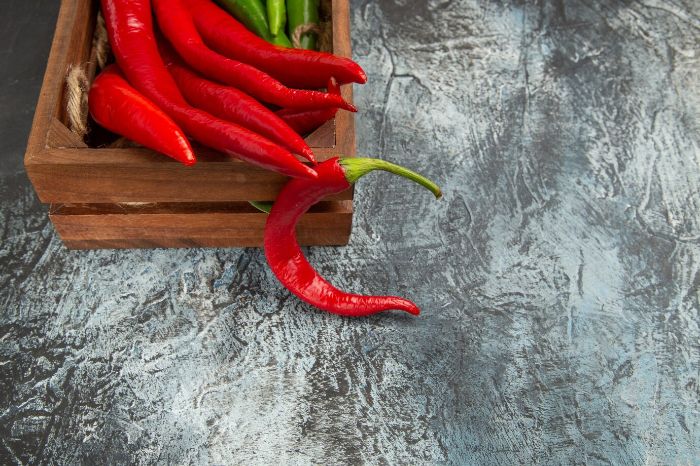
Chili peppers often get treated as a shortcut to weight loss, but the food works on a much smaller scale. A jalapeno, serrano, or cayenne dish may add heat, flavor, and mild metabolic stimulation, without becoming a metabolism switch.
Chili peppers can raise heat production a little, nudge appetite in some people, and make lower-energy meals feel more satisfying. That matters. It just does not add up to a dramatic metabolic rewrite. Capsaicin works better as a small supporting tool inside a good eating pattern than as a stand-alone weight-loss trick.
Chili peppers also bring flavor, color, vitamin C, and variety. They can help a pot of beans, eggs, soup, or vegetables taste vivid without leaning on extra sugar or heavy sauces. For many people, that practical food role matters more than a tiny rise in calorie burn.
Key Takeaways:
- Chili peppers may create a small, temporary rise in thermogenesis and fat oxidation through capsaicin
- Weight-loss effects in human research are modest and are seen more clearly in supplementation trials than in ordinary meals
- Appetite effects are real for some people, and heat tolerance or habitual chili use can reduce the response over time
- Whole chili peppers earn a place in healthy eating because they add flavor and vitamin C with very little calorie load
- People with reflux, frequent heartburn, or a sensitive gut may need milder portions or may do better without chilies altogether
Table of Contents
How Much Do Chili Peppers Boost Metabolism?
The Size Of The Metabolic Effect
Chili-pepper health effects need scale. Capsaicin can do something, but it usually does not do much on its own.
| Capsaicin effect | What it may change | Evidence pattern | Practical value | What not to expect |
|---|---|---|---|---|
| Thermogenesis | Short-term heat production and calorie use | Human trials and reviews show a small effect | Useful at the margin | A permanent metabolic shift |
| Fat oxidation | Substrate use after intake | Signal exists and appears more clearly in some dosing contexts | Supports the modest-effect case | Durable fat loss from peppers alone |
| Appetite | Hunger, fullness, or energy intake in some people | Mixed and tolerance-dependent | May help meal satisfaction | Automatic calorie reduction in every eater |
| Meal behavior | Pace of eating and how satisfying lighter meals feel | Practical food-pattern effect | Often more useful than the direct burn | That metabolism is the only reason chilies help |
| Supplement dosing | Controlled capsaicin exposure | Clearer in trials than in meals | Explains why study doses are hard to copy in food | That fresh chilies and capsules are interchangeable |
A correctly sized effect keeps chili peppers useful. Capsaicin can support meal satisfaction and small metabolic changes without becoming the center of a weight-loss plan.
How Capsaicin Changes Metabolism And Appetite
Capsaicin is the compound that gives chili peppers their burn. It interacts with TRPV1 receptors, which is part of why heat feels intense in the mouth and body. In research settings, that stimulation can translate into a small rise in thermogenesis, a mild shift toward fat oxidation, and in some cases a lower desire to keep eating.
Capsaicin and capsiate on energy balance are linked with small increases in energy expenditure and appetite effects, not a large calorie-burning event. A later systematic review of thermogenesis outcomes points to modest improvements in resting metabolic rate and fat oxidation in healthy adults.
The small effect matters most when it changes the meal pattern around it. If a food raises calorie burn only a little, then the bigger practical value often comes from behavior around the meal. Spicy food can slow eating speed, make a simple dish feel more satisfying, or help someone choose a broth, bean, egg, or vegetable-based meal over a richer one. Those second-order effects may matter more in daily life than the direct metabolic bump.
Heat tolerance also changes the picture. People who eat spicy food often can adapt to the burn. That does not make chilies useless, and it can reduce the novelty and appetite effect that lighter users sometimes feel more strongly.
Chili Peppers And Weight Loss – What Human Studies Actually Show
Chili peppers can support weight loss only in a narrow way. Human studies do not show that hot peppers melt fat away. They do show that capsaicin-related interventions can push energy balance in the right direction by a small amount.
A 2023 meta-analysis of capsaicin and weight loss trials found modest reductions in body weight, BMI, and waist circumference in overweight or obese adults. The effect remains modest enough that no one should build a weight-loss plan around peppers alone.
Chili peppers can help at the margin. They may make lower-energy meals easier to enjoy. They may slightly reduce energy intake in some settings. They may slightly increase calorie use in some settings. All of that can support weight management. None of it replaces calorie balance, protein intake, sleep, movement, or long-term eating habits.
This is also where the difference between metabolism and body weight matters. A slightly warmer metabolic response after a meal is not the same thing as durable fat loss. Weight loss shows up only when the total pattern of eating and activity moves in that direction over time.
Fresh Chilies, Dried Powders, And Supplements Are Not The Same Thing
Fresh peppers on a plate and concentrated capsaicin in a capsule are different exposures. Treating them as interchangeable makes the food sound more drug-like than it really is.
| Form | What it usually does best | Metabolic relevance | Main limit |
|---|---|---|---|
| Fresh chilies | Add heat, flavor, color, and vitamin C | Most realistic food-based route to appetite and meal-quality effects | Hard to standardize dose |
| Dried flakes or powders | Concentrate heat in soups, eggs, beans, and roasted vegetables | Can make lighter meals feel more satisfying | Easy to overdo if tolerance is low |
| Hot sauces | Add heat quickly and improve bland meals | Can help with palatability | Some sauces add sodium or sugar |
| Capsaicin supplements | Deliver a more controlled intervention dose | Most weight-loss trials lean in this direction | Not the same as eating chili peppers as food |
That distinction prevents the biggest capsaicin overreach. When a study finds a small effect from capsaicinoid capsules, it does not automatically mean a spicy taco or a homemade chili bowl will reproduce the same outcome. Food matters here, and the translation is not one-to-one.
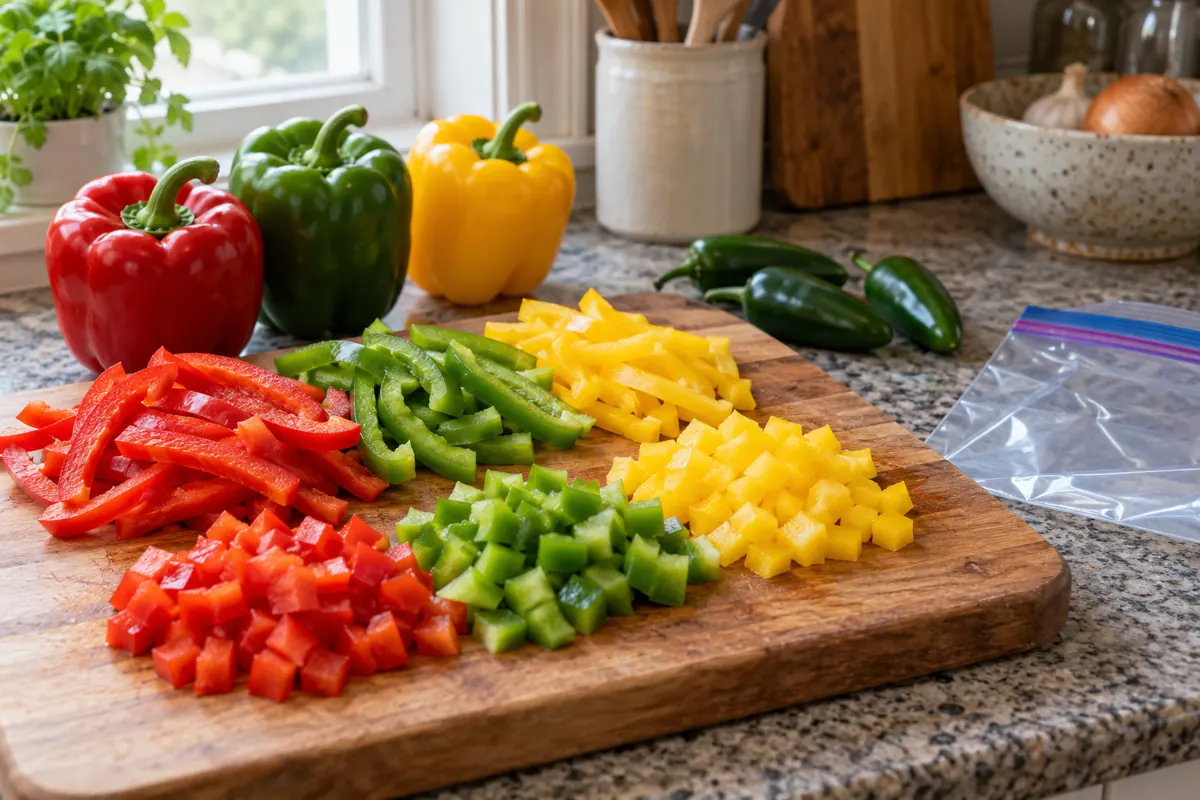
Whole peppers also belong in the diet for reasons beyond heat. Several common chili varieties qualify as excellent vitamin C sources by a 30 g serving, adding nutritional value beyond capsaicin alone. The sweeter, non-hot end of the same plant family appears in bell peppers by color, where ripeness changes flavor, pigments, and nutrition without capsaicin heat.
How To Use Chili Peppers In Weight-Conscious Meals
Chili peppers work best in meals that already make nutritional sense. Heat can lift simple food, especially beans, eggs, vegetables, soups, and yogurt sauces, without needing to justify a heavier meal.
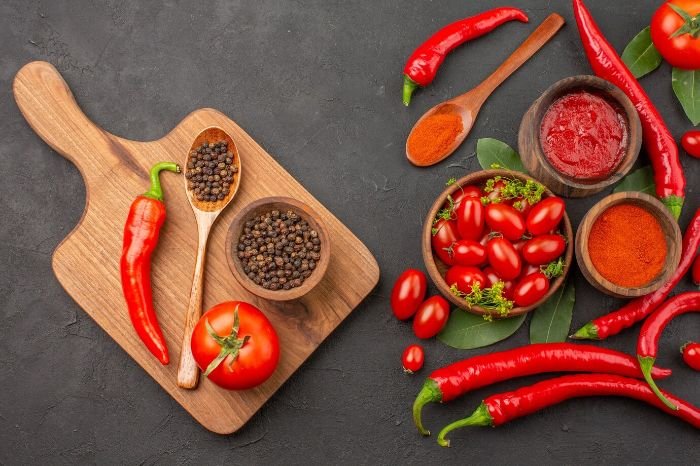
A chopped fresh chili can wake up eggs, lentils, beans, stir-fried greens, yogurt sauces, or roasted vegetables. Chili flakes can sharpen a tomato soup, bean pot, or tray of roasted zucchini without adding many calories, which supports weight-conscious eating. A pepper-and-onion base can also build big flavor before oil, cheese, or sugar-heavy sauces start to climb, while onions bring their own food-based health upside.
How Much Chili Pepper Is Worth Using?
There is no magic daily dose of chili peppers for metabolism. A practical amount is the amount that makes a meal pleasantly hot without making you dread the next bite. For some people that means a few jalapeno slices. For others it means a pinch of cayenne in a pot of beans or soup.
Dose is hard to translate because chili varieties carry very different capsaicin levels. A few slices of jalapeno, a pinch of cayenne, and a capsule used in a trial are not interchangeable. Heat tolerance also changes the appetite response, so the best practical dose is the amount that improves the meal without triggering reflux, pain, or digestive fallout.
Repeatable use matters more than one large serving. If chilies help you eat vegetable-heavy meals more often, help you keep portions satisfying, or help you skip heavier toppings, they are doing real work. If they make one meal uncomfortably hot, the value drops quickly.
The same caution applies to sauces and snacks. Chili on grilled vegetables, eggs, or beans can support a lighter meal. Chili folded into fried snack foods, sugary sauces, or oversized takeout does not suddenly turn those foods into metabolism tools.
Who Should Be Careful With Chili Peppers
Spicy food is not a fit for everyone. People with reflux, frequent heartburn, dyspepsia, or a sensitive gut may find that the burn costs more than the metabolic upside is worth. The foods commonly linked to GERD symptoms include spicy foods, so reflux risk should stay part of any chili-and-metabolism discussion.
IBS and general digestive sensitivity also matter. Some people can handle cooked chilies better than raw ones. Others do better with smaller amounts spread across a meal over a large dose on an empty stomach. If a food repeatedly causes burning, cramping, or diarrhea, the answer is not to force a tolerance because you heard it might burn a few more calories.
Supplements deserve even more caution. A capsule can bypass the normal food context and push people to treat capsaicin like a metabolic drug. That approach does not fit most food-based weight-management goals. If the goal is weight loss, whole-diet structure deserves more attention than any thermogenic ingredient. Capsaicin supplements should not be treated as a substitute for medical obesity care, reflux care, diabetes care, or prescribed weight-management treatment.
Growing, Handling, And Storing Chili Peppers At Home
Homegrown chilies can make chili use more practical because you get to choose heat level instead of inheriting it from a shelf label. A gardener who likes flavor over pain can stay with jalapenos, poblanos, or milder cayenne types. Someone chasing stronger heat can move upward with intent, not by accident. The plant side also gives you control over harvest timing, ripeness, and how often peppers actually enter meals.
Better yields and cleaner timing depend on the full pepper plant growth guide, including heat, flowering, fruit set, and harvest timing. For garden pairing, basil and peppers together can make sense in warm beds, and companion planting for vegetables should account for spacing, airflow, and shared crop needs.
Once picked, chilies keep well if you have a plan. Fresh peppers hold in the refrigerator, then move easily into freezing, drying, or sauce-making. Gloves are worth using for hotter types. Capsaicin on fingers can make food prep miserable once it reaches eyes, lips, or other sensitive skin.
Conclusion
Chili peppers can help metabolism and weight management, but the effect is small. Capsaicin may slightly raise thermogenesis, may nudge appetite downward, and may help some people eat lighter meals with more satisfaction.
Chili peppers add heat, vitamin C, color, and flavor to meals that already support good health. Used that way, they can help weight control at the margin without carrying the whole job. Used as the main weight-loss tool, they disappoint fast.
FAQ
Do chili peppers really boost metabolism?
They can raise thermogenesis a little, which means calorie burn may go up for a short time after eating them or using capsaicinoids. The effect is real, and it is modest, not dramatic.
Are chili peppers good for weight loss?
They can help at the margin by making lighter meals more satisfying and by slightly affecting appetite and energy expenditure. They do not cause meaningful weight loss on their own without the rest of the diet moving in the same direction.
Is capsaicin the same thing as eating fresh chili peppers?
No. Capsaicin is the active heat compound, and a fresh chili pepper is a whole food with water, fiber, vitamin C, and varying heat levels. Supplement studies do not translate cleanly into an ordinary plate of food.
How much chili pepper should you eat for metabolism?
There is no proven everyday dose that guarantees a useful metabolic effect. The better target is a repeatable amount you tolerate well and can use regularly in balanced meals.
Can chili peppers cause heartburn?
Yes, they can trigger symptoms in some people, especially those with reflux or a sensitive stomach. If spicy foods repeatedly cause burning or discomfort, the small metabolism upside is usually not worth pushing through.
Are mild chilies healthy too?
Yes. Milder chilies can bring vitamin C, flavor, and variety with less digestive risk. You do not need extreme heat for chili peppers to have value in a healthy diet.