





Did you know that tomatoes were once considered “Aztec gold” and were cultivated as a wild fruit in the Aztec Empire? This humble fruit, with its rich history and culinary significance, has traveled a long way to become a global staple in our kitchens today.
Key Takeaways:
- The tomato’s journey began in Central America, where it was first cultivated by the Aztecs.
- European explorers brought tomatoes back to Europe, where they transitioned from being seen as a curiosity to an essential ingredient in European cuisine.
- The tomato’s popularity spread to other parts of the world, making it a staple in global cuisines.
- Advancements in industrial agriculture and breeding techniques contributed to the tomato’s rise as a globally accessible and popular food.
- Today, tomatoes are not only a versatile ingredient in modern kitchens but also have cultural significance and health benefits.
Table of Contents
Unearthing the Roots – The Tomato’s Humble Beginnings in the Americas
The tomato, a beloved culinary ingredient today, has humble origins in the Americas. Let’s uncover the fascinating journey of the tomato, starting with its emergence in the Aztec Empire.
A Wild Fruit in the Aztec Empire

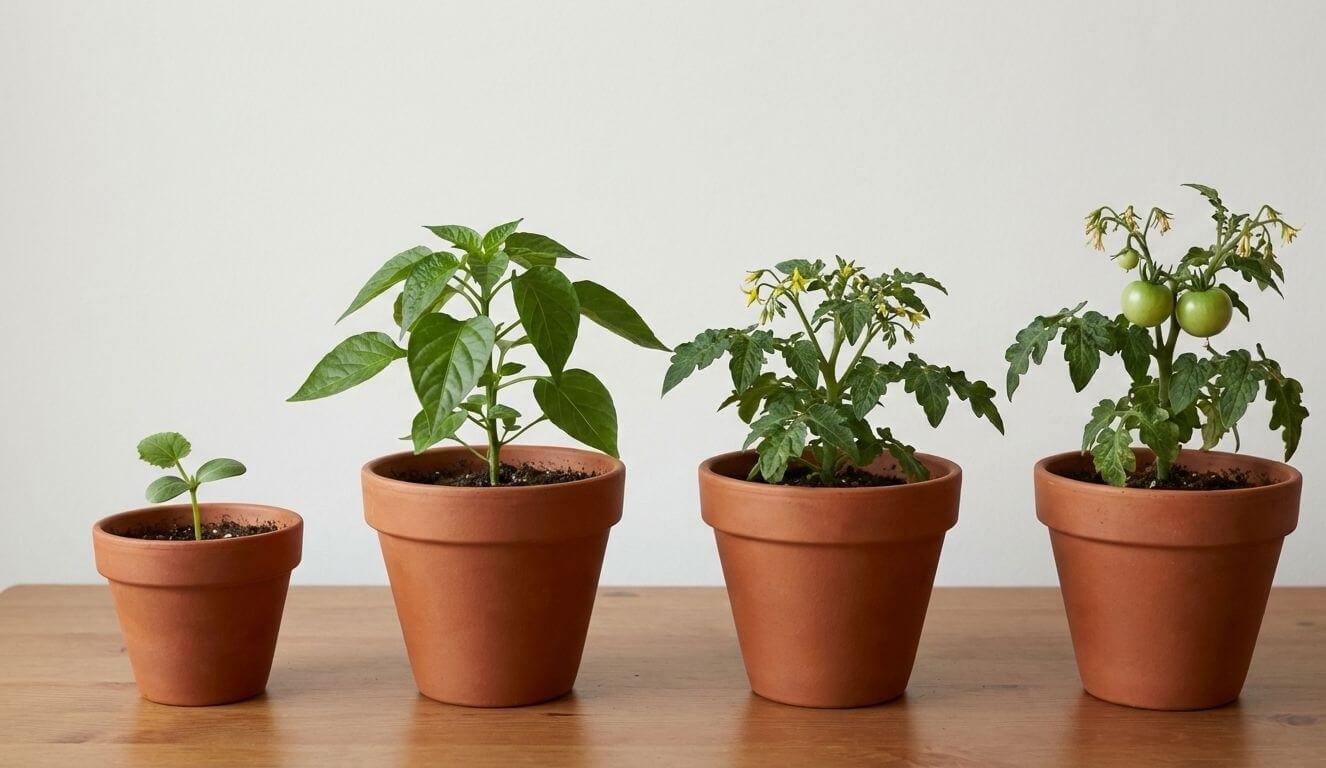
The tomato was first cultivated by the Aztecs in what is now Mexico. At that time, it was considered a wild fruit and used in various Aztec dishes. The tomato’s wild ancestors had small, berry-like fruit and came in a variety of colors, offering diversity to their culinary practices.
The European Encounter – From Ornamental Curiosity to Kitchen Essential
It was during the European encounter with the Americas that the tomato made its way across the Atlantic. European explorers, fascinated by the new plants they discovered, brought back the tomato as an ornamental curiosity. Initially, there were concerns about its toxicity, leading to its limited use as a kitchen ingredient.
However, as explorers continued to bring tomatoes to Europe, its culinary potential became evident. Europeans gradually adopted the tomato as a kitchen essential, integrating it into their cuisines. The tomato’s unique flavor and versatility in cooking contributed to its rise in popularity, ultimately making it a revered ingredient in European culinary traditions.
Crossing Oceans – The Tomato’s Voyage to Global Acclaim
The tomato’s global journey began with its incorporation into Mediterranean cuisine, particularly in Italy. Mediterranean cuisine, known for its vibrant flavors and fresh ingredients, wholeheartedly embraced the tomato, leading to a culinary revolution.

The Mediterranean Embrace – A Culinary Revolution
In the Mediterranean region, the tomato quickly became a beloved ingredient in various traditional dishes. Its bright color, juicy texture, and tangy flavor added a delightful burst of flavor to Mediterranean cuisine.
Italian cuisine, in particular, owes much of its richness to the tomato. From classic pasta sauces like marinara and bolognese to fresh caprese salads and pizzas, the tomato has become an iconic element in Italian cooking. The simplicity and versatility of this fruit elevated Italian cuisine to a new level, influencing global gastronomy.
The tomato’s popularity in Italy spread to other parts of Europe, where it gradually made its way into the hearts and kitchens of people across the continent.
The Tomato Takes Root in European Cuisine
European adoption of the tomato was not immediate, as there were initial concerns about its toxicity. However, as its culinary potential became evident, European chefs and home cooks started exploring different ways to incorporate the tomato into their recipes.
Over time, the tomato became a staple in European cuisine, adding flavor and depth to soups, sauces, stews, and salads. From the rich tomato-based sauces in French cuisine to the sun-drenched tomato salads of Spain, the tomato became an essential ingredient in European cooking.
Its versatility and ability to enhance flavors made it a beloved element in culinary traditions across the continent. Today, tomatoes are cherished not only for their taste but also for the vibrant colors they bring to dishes and the joyful associations they evoke.
From Garden to Globe – The Rise of the Tomato in Industrial Agriculture
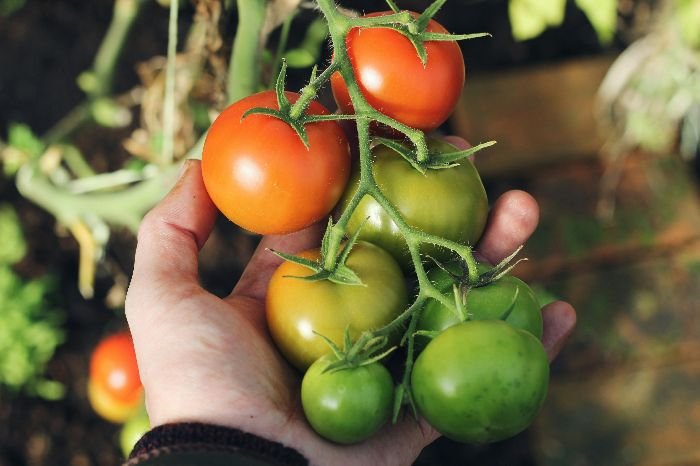
With the advancements in industrial agriculture, the tomato underwent a significant transformation, making it a globally accessible and popular food. Two key factors contributed to this rise: the technological leap in tomato canning and Year-Round availability, and the quest for the ideal tomato through breeding for perfection.
The Technological Leap – Canning and Year-Round Availability
The invention of canning techniques revolutionized the tomato industry. Tomatoes could now be preserved and made available year-round, overcoming the limitations of seasonal availability. This technological leap led to the widespread consumption of tomatoes and their integration into various food products.
“Canning has transformed the tomato industry by ensuring a consistent supply of tomatoes throughout the year, regardless of the harvest season. This has not only enhanced convenience for consumers but has also opened up new opportunities for manufacturers in the food industry.”
The canning industry boosted the global reach of tomatoes by allowing them to be transported across continents without losing their flavor and nutritional value. Today, canned tomatoes are a staple in pantries worldwide, providing a versatile ingredient for countless recipes.
Breeding for Perfection – The Quest for the Ideal Tomato
Efforts were undertaken to breed tomatoes for desirable traits, including disease resistance, uniformity, and taste. Through selective breeding, scientists and farmers sought to develop tomatoes that could withstand common diseases and pests, ensuring a more reliable and abundant harvest.
The breeding process involved crossing different tomato varieties to combine their desirable traits, resulting in improved plant vigor, fruit quality, and yield. This continuous refinement of tomato varieties has led to the development of numerous cultivars tailored to specific growing conditions and consumer preferences.
By breeding for traits such as sweetness, juiciness, and size, the flavor and texture of tomatoes have also been enhanced. Consumers can now enjoy a diverse range of tomato varieties, each with its own unique taste profile.
The combination of canning technology and breeding advancements has truly propelled the tomato from being a garden staple to a global commodity. The tomato’s journey from garden to globe demonstrates the ever-evolving nature of our agricultural practices and the continuous pursuit of excellence.
The Tomato Today – A Culinary Icon Around the World
In modern kitchens, the tomato holds a prestigious status as a versatile ingredient. Its vibrant color, succulent texture, and tangy flavor make it an essential component in a wide range of dishes. From fresh salads to rich tomato sauces, this versatile fruit adds depth and complexity to numerous recipes. Whether used as a supporting player or taking center stage, tomatoes are cherished for their culinary significance.

The Tomato in Modern Kitchens – A Versatile Ingredient
The tomato’s culinary versatility knows no bounds. It can be sliced, diced, pureed, or roasted to provide a burst of freshness and tanginess. It pairs well with various ingredients, enhancing the flavors of salads, sandwiches, pizzas, and pasta dishes. Tomatoes can be transformed into flavorful sauces, salsas, and chutneys, or used to add vibrant color to soups and stews. From Mediterranean cuisine to international dishes, the tomato’s adaptability allows it to seamlessly blend into any culinary tradition.
Beyond the Plate – Tomatoes in Health and Culture
Tomatoes not only tantalize taste buds but also offer numerous health benefits. They are rich in vitamins A, C, and K, as well as antioxidants that promote overall well-being. Consuming tomatoes is believed to help maintain heart health, support a strong immune system, and reduce the risk of certain chronic diseases. Moreover, tomatoes have become symbolic in various cultural traditions, representing fertility, prosperity, and good fortune in different parts of the world. Their vibrant red color and unique shape add visual appeal to dishes and cultural celebrations.
The Future is Ripe – Sustainable Cultivation and the Next Chapter
In response to mounting concerns about sustainability and environmental impact, the tomato farming industry is witnessing the emergence of innovative cultivation practices. Organic farming methods are being widely adopted, with a focus on reducing chemical inputs and promoting ecological balance in tomato cultivation. By avoiding synthetic pesticides and using natural Fertilizers, organic tomato farming not only minimizes harm to the environment but also ensures the production of healthier, chemical-free tomatoes.
Moreover, the tomato’s role in global food security is of increasing significance. As the world’s population continues to grow, it is imperative to secure a stable and sufficient supply of tomatoes. To address this challenge, efforts are being made to combat the effects of Climate change and enhance disease resistance through innovative breeding techniques and genetic modifications. By harnessing the power of advanced technology and sustainable practices, tomato farmers are striving to secure the future of tomato cultivation and its vital position within global food systems.
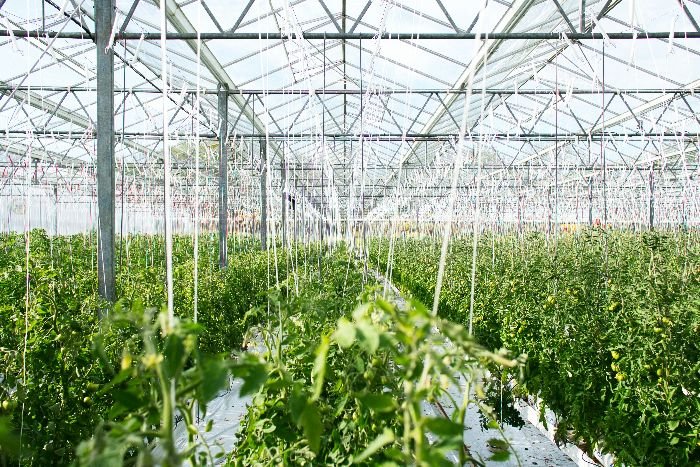
Innovations in Tomato Farming – Organic and Beyond
The adoption of organic farming methods marks an important step forward in sustainable tomato cultivation. By promoting natural pest control, crop rotation, and soil health, organic farming minimizes the negative impacts on soil quality and biodiversity. Additionally, sustainable farming practices in tomato cultivation include the utilization of water-efficient irrigation systems, such as drip irrigation, to conserve water resources. These innovations not only benefit the environment but also contribute to the production of high-quality, nutrient-rich tomatoes.
The Tomato’s Role in Global Food Security
In an era where ensuring global food security is a pressing concern, the tomato plays a pivotal role. With its high nutritional value and versatility, the tomato is a valuable food source that can be incorporated into a wide range of diets. Adequate tomato production is crucial for meeting the growing global demand and preventing food shortages. By implementing sustainable cultivation practices and investing in research and development, the tomato industry aims to safeguard its contribution to global food security and ensure that this beloved fruit remains an accessible and essential component of our diets.
FAQ
What is the history of tomatoes?
Tomatoes have a fascinating history that begins with their domestication in Central America by the Aztecs. They were originally considered a wild fruit in the Aztec Empire before being brought to Europe by European explorers.
How did tomatoes transition from being wild fruit to kitchen essential?
Initially, the tomato was viewed as purely ornamental in Europe due to concerns about its toxicity. However, its culinary potential soon became evident, and it began to be widely adopted as a kitchen essential in European cuisine.
How did tomatoes spread to other parts of the world?
The tomato’s journey from the Americas to the rest of the world was propelled by its incorporation into Mediterranean cuisine, particularly in Italy. Italian cuisine embraced the tomato wholeheartedly, leading to its popularity in other parts of Europe and beyond.
How are tomatoes used in modern kitchens?
Tomatoes play a central role as a versatile ingredient in modern kitchens. They can be used in a wide range of dishes, from fresh salads to rich tomato sauces, adding a bright and tangy flavor to recipes.
Do tomatoes have any health benefits?
Yes, tomatoes are known for their nutritional benefits. They contain vitamins, minerals, and antioxidants, making them a healthy addition to meals.
What is the future of tomato cultivation?
Efforts are being made to address the challenges of climate change, disease resistance, and sustainable farming practices to secure the future of tomato cultivation and its importance in global food systems. Innovations such as organic farming methods are being adopted to reduce chemical inputs and promote ecological balance.