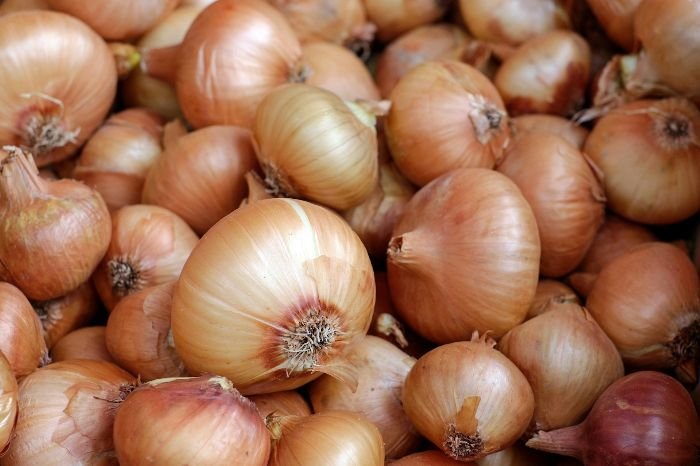
Did you know that onions are one of the most widely cultivated vegetables around the world? With their incredible versatility and numerous health benefits, it’s no wonder that onions have become a staple ingredient in cuisines across the globe. But have you ever wondered about the journey of an onion, from a tiny seed to a mature bulb?
In this comprehensive guide, we will explore the fascinating stages of onion development, providing valuable insights for gardeners who want to grow their own onions. Whether you’re a seasoned gardener or just starting out, understanding the onion growth process will help you nurture your plants and enjoy a bountiful harvest.
Key Takeaways:
- Onions are widely cultivated and a staple in many cuisines worldwide.
- Understanding the stages of onion development is essential for successful onion cultivation.
- This guide will provide insights and tips for each stage: germination, seedling, bulb formation, maturation, and harvesting.
- By following proper care and techniques, you can grow healthy and flavorful onions in your own garden.
- Enjoy the satisfaction of harvesting and curing onions for long-term storage and use.
Table of Contents
Germination Stage – Starting Your Onions
The germination stage is the first step in the growth process of onions. This is when onion seeds sprout and develop into young plants. Getting the germination stage right is crucial for healthy onion starts and a successful harvest. In this section, we will explore the optimal conditions for onion seed germination and provide valuable sowing tips.
Optimal Conditions for Onion Seed Germination
Providing the optimal conditions for onion seed germination is essential to ensure successful growth. Here are the key factors to consider:
- Temperature – Onions prefer a temperature range of 65°F to 75°F (18°C to 24°C) for germination. Keeping the seeds and growing medium within this temperature range will promote faster and more uniform germination.
- Moisture – Onion seeds need consistent moisture to germinate. Ensure the seed-starting mix is moist but not waterlogged. Use a fine mist to water the seeds and maintain moisture levels throughout the germination period.
- Light – Onion seeds do not require light to germinate. In fact, keeping them in a dark environment can enhance germination rates. Cover the seeds with a thin layer of soil or vermiculite to block out light.
Sowing Tips for Healthy Onion Starts
To ensure healthy onion starts, follow these tips when sowing your onion seeds:
- Choose fresh, high-quality seeds from reputable suppliers to maximize germination rates.
- Start seeds indoors 8 to 10 weeks before the last frost date in your area. Use seed trays or pots filled with a seed-starting mix.
- Sow the seeds thinly and cover them with a thin layer of soil or vermiculite, approximately ¼ inch deep.
- Keep the soil consistently moist but avoid overwatering, as this can lead to rotting. Mist the seeds regularly to maintain moisture levels.
- Place the seed trays in a warm location with indirect light or under grow lights. Maintain the recommended temperature range for optimal germination.
- Once the seedlings have developed their first true leaves, thin them out to ensure proper spacing. This will prevent overcrowding and promote healthy growth.
By providing the optimal conditions for onion seed germination and implementing these sowing tips, you can kickstart the growth of your onions and set them up for success in the next stages of development.
Seedling Stage – Establishing Growth
Once the onion seeds have germinated, they enter the seedling stage, where they establish their growth. This is an essential phase in the onion development process, as it sets the foundation for a successful harvest.
Transplanting Onion Seedlings
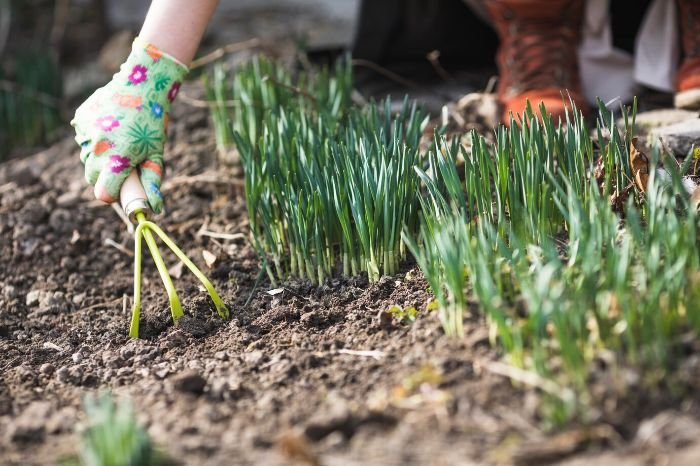
Transplanting onion seedlings is a crucial step in ensuring their healthy development. When the seedlings have reached the optimal size and have developed sturdy stems and roots, they are ready to be transplanted into the garden. It is recommended to wait until the seedlings have reached the onion seedling stage, characterized by the presence of two to three green leaves and a well-developed root system.
To transplant the onion seedlings, prepare a well-drained garden bed with loose soil. Gently remove the seedlings from their containers, being careful not to damage the delicate roots. Dig small holes in the prepared bed, spacing them at least four to six inches apart. Place the seedlings in the holes, ensuring that the roots are fully covered with soil and the green leaves are above the surface.
It is important to water the newly transplanted seedlings thoroughly to help them establish in their new environment. Ensure that the soil remains moist but not waterlogged, providing adequate drainage. This will support the seedlings’ growth and help them establish their roots.
Early Care for Robust Development
In the early stages of onion growth, providing proper care is essential to promote robust development. Here are some tips for early care:
- Watering – Onions require consistent moisture, especially during the seedling stage. Water the plants regularly, ensuring that the soil is moist but not overly saturated. Avoid overwatering, as it can lead to disease and rot.
- Fertilizing – Apply a balanced fertilizer specially formulated for onions to provide them with the necessary nutrients. Follow the recommended dosage and apply the fertilizer evenly around the plants, avoiding direct contact with the foliage.
- Weeding – Keep the onion beds free of weeds, as they compete with the seedlings for nutrients and water. Regularly remove any weeds that emerge, taking care not to disturb the delicate onion roots.
- Protecting from pests – Monitor the onion seedlings for any signs of pests, such as aphids or onion thrips. If necessary, use organic pest control methods to protect the plants from damage.
- Providing support – As the onion seedlings grow taller, they may need support to prevent them from falling over. Use stakes or plant supports to keep the plants upright.
By following these early care practices, you can establish a strong foundation for the growth and development of your onion plants. This will contribute to healthier and more productive crops in the long run.
Bulb Formation – The Critical Phase
The bulb formation stage is critical for onion development, as this is when the bulbs start to grow and mature. It is an exciting period in the onion growth process, as it marks the transition from seedling to bulb.
Factors Influencing Bulb Development
Several factors play a significant role in onion bulb formation. Understanding these factors can help gardeners create optimal conditions for healthy bulb development.
1. Temperature – Onions thrive in cooler temperatures, typically between 15°C and 20°C (59°F to 68°F). This range provides the ideal environment for onion bulb formation. Extreme heat or cold can negatively impact bulb development.
2. Water – Adequate moisture is essential for onion bulb formation. Onions require consistent watering throughout the growing season, with a focus on even moisture levels. Avoid overwatering, as it can lead to rotting and stunted bulb growth.
3. Nutrients – Providing the right balance of nutrients is crucial for healthy bulb formation. Onions benefit from a well-draining soil enriched with organic matter. A balanced fertilizer, high in phosphorus and potassium, can further promote bulb development.
How to Encourage Healthy Bulb Formation
Gardeners can take specific steps to encourage healthy bulb formation in onions:
- Planting depth – Plant onion sets or transplants at the appropriate depth to allow for proper bulb expansion. The top of the bulb should be just above the soil surface.
- Thinning – Thin the onion plants once they reach a certain size. Providing adequate space between plants allows for better airflow and prevents overcrowding, which can hinder bulb formation.
- Weed control – Keep the onion bed free from weeds that compete for nutrients and water. Weeds can impede bulb formation and restrict onion growth.
- Monitoring – Regularly monitor the onion plants for signs of stress, pests, or diseases. Addressing any issues promptly can prevent them from affecting bulb formation and overall onion health.
- Harvesting – Harvest the onions at the right stage of maturity to ensure optimal bulb size and quality. Timing is crucial, as leaving the bulbs in the ground for too long can lead to rotting or splitting.
By following these practices and understanding the factors that influence onion bulb formation, gardeners can promote healthy growth and enjoy a successful onion harvest.
Maturation and Bulbing Process
As the onions continue to grow, they go through the maturation and bulbing process. This is a critical stage in their development, as it determines the size and quality of the onion bulbs. Gardeners need to pay close attention to certain signs of maturation to ensure optimal bulb growth.
Recognizing Signs of Maturation in Onions
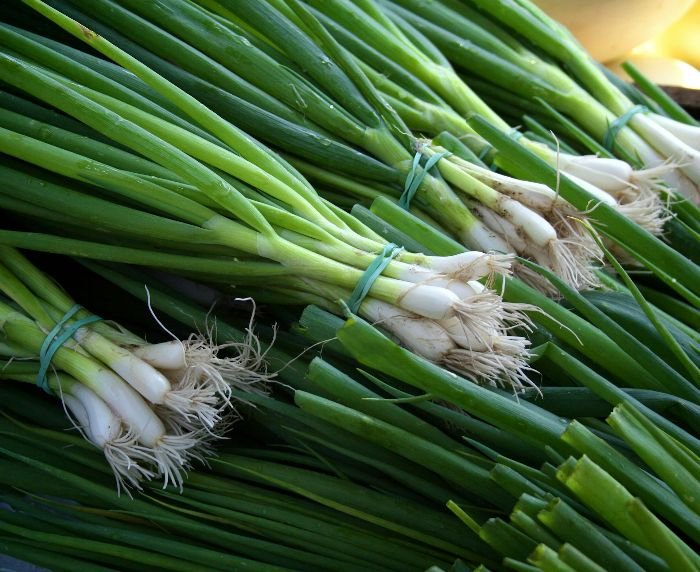
Recognizing the signs of maturation in onions is essential to prevent premature harvesting that can result in undersized bulbs. One of the key indicators is the foliage color. Mature onions will have foliage that starts to turn yellow or brown from the tips, indicating that the nutrients have been transferred to the bulbs. The texture of the foliage also changes, becoming papery and dry. Additionally, the onion bulb itself will feel firm and solid when gently squeezed.
Adjustments in Care to Maximize Bulb Growth
To maximize bulb growth during the maturation process, gardeners need to make specific adjustments in their care routine. Providing adequate water for the onions is crucial at this stage, as the bulbs need proper hydration to develop fully. However, it is important to avoid overwatering, as this can lead to rot and disease. Modifying the watering schedule according to the weather conditions and the specific needs of the onion variety is recommended.
Another care adjustment to maximize bulb growth is controlling the nutrient balance in the soil. Onions require a balanced supply of essential nutrients, such as nitrogen, phosphorus, and potassium, to promote healthy bulb development. Conducting soil tests and adding appropriate amendments can help ensure that the onions have access to the necessary nutrients for optimum growth.
Lastly, it is crucial to provide adequate space for the onion bulbs to expand. Crowded onions can result in misshapen and smaller bulbs. Thinning out the plants and providing sufficient room for the bulbs to grow will allow them to reach their full potential.
Harvesting and Curing Onions
Harvesting and curing are crucial steps in the onion development process. To ensure optimal flavor and storage, it is important to know when and how to harvest onions and techniques for curing them. Follow these guidelines to make the most of your onion harvest.
When and How to Harvest Onions
Knowing the right time to harvest onions is essential for achieving the desired flavor and texture. Typically, onions are ready for harvest when the tops start to turn yellow and fall over. This indicates that the bulbs have reached maturity and are ready to be lifted from the ground.
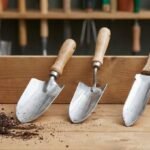
To harvest onions, gently loosen the soil around the bulbs with a garden fork or trowel. Carefully lift the bulbs, keeping the tops intact. Avoid pulling or yanking the tops, as this can damage the bulbs.
After harvesting, trim off the tops, leaving about an inch of the stem attached to the bulb. This helps prevent rot during the curing process.
Techniques for Curing Onions for Storage
Curing is the process of drying onions to extend their storage life. Properly cured onions can last several months when stored in a cool, dry, and well-ventilated location. Here are some techniques for curing onions:
- Spread the harvested onions in a single layer on a well-ventilated surface, such as a wire rack or screen.
- Avoid direct sunlight, as it can cause uneven drying and sunburn.
- Allow the onions to cure for 2-3 weeks in a warm, dry area with good air circulation.
- Once the outer layer of the onion skin is papery and the neck feels dry, they are fully cured.
- Remove any loose or flaky outer layers of skin before storing the onions.
- Store cured onions in a mesh bag, burlap sack, or well-ventilated container in a cool, dark place.
By following these harvesting and curing techniques, you can enjoy the flavor of fresh onions long after their growing season. Harvesting onions at the right time and properly curing them will help preserve their quality for months to come.
Conclusion
In conclusion, understanding the different stages of onion development is crucial for successful onion cultivation. By following the guidelines provided in this comprehensive guide, gardeners can nurture their onions from germination to harvest and enjoy a bountiful supply of home-grown onions throughout the year.
Growing onions involves several stages, starting from germination, seedling establishment, bulb formation, maturation, and finally, harvesting and curing. Each stage has its own requirements and challenges, but armed with the knowledge gained from this guide, gardeners will be well-prepared to navigate through each phase.
By providing optimal conditions for germination and sowing healthy onion starts, gardeners can ensure a strong foundation for their onion plants. Transplanting seedlings into the garden and providing early care will further support robust growth and development.
Understanding the factors that influence bulb formation and making appropriate adjustments in care will contribute to healthy onion bulb growth. Recognizing the signs of maturation in onions and providing the necessary care adjustments will allow gardeners to maximize onion bulb growth. Finally, harvesting onions at the right time and employing proper curing techniques will ensure flavorful onions that can be stored for extended periods.
By following these guidelines and investing time and effort into each stage of onion development, gardeners will be rewarded with a satisfying harvest of home-grown onions. Whether used as a flavor base in savory dishes or enjoyed raw in salads and salsas, home-grown onions bring a freshness and quality that cannot be replicated. So, get started on your onion growing journey and experience the joy of cultivating your own crop.
FAQ
What are the stages of onion development?
The stages of onion development include germination, seedling stage, bulb formation, maturation and bulbing, and harvesting and curing.
What are the optimal conditions for onion seed germination?
Onion seeds germinate best in temperatures between 65-75°F (18-24°C) and require consistent moisture. They prefer well-drained soil and should be sown about 1/2 inch deep.
How should I sow onion seeds for healthy starts?
To ensure healthy onion starts, sow the seeds in rows or blocks with a spacing of about 1 inch apart. Water regularly to keep the soil consistently moist, but not waterlogged. Cover the seeds lightly with soil and keep the area free of weeds.
How do I transplant onion seedlings into the garden?
Transplant onion seedlings when they are about 4-6 weeks old and have grown to about 4-6 inches tall. Choose a sunny location in well-drained soil. Dig a hole large enough to accommodate the roots and gently place the seedling in the hole. Firm the soil around the base of the plant and water well.
What factors influence bulb development in onions?
Several factors influence bulb development in onions, including temperature, water, and nutrients. Cooler temperatures can encourage bulb formation, while excessive heat can inhibit it. Onions prefer consistent moisture but can be affected by overwatering. Providing a balanced fertilizer can ensure adequate nutrient intake for bulb growth.
When and how should I harvest onions?
Onions are typically ready for harvest when the foliage turns completely yellow and starts to dry out. Gently lift the onions from the soil, taking care not to damage the bulbs. Allow them to cure for a few weeks before storing.