




Did you know that cucumbers belong to the same plant family as melons and pumpkins? These refreshing green vegetables are not only delicious additions to salads and sandwiches, but they also offer numerous health benefits. Whether you have a backyard garden or a few pots on your balcony, learning about the different growth phases of cucumbers and implementing proper care techniques is essential for a successful harvest.
In this article, we will explore the various growth phases of cucumber plants and provide you with valuable cultivation and care tips. From the germination stage to harvesting, understanding each phase and adopting the right practices will ensure that your cucumbers thrive and yield a bountiful crop.
So, let’s dive in and discover the secrets to cultivating healthy and abundant cucumbers!
Key Takeaways:
- Understanding cucumber growth phases is crucial for successful cultivation.
- Proper care techniques throughout each phase contribute to healthy plants and abundant yields.
- Cucumbers belong to the same plant family as melons and pumpkins.
Table of Contents
Germination Stage – Planting Your Cucumber Seeds
The germination stage is the beginning of the cucumber plant’s growth journey. Properly planting cucumber seeds and creating an ideal environment for seed germination are crucial for successful growth. If you’re interested in understanding the growth needs of other cucurbits, explore seed to squash growth stages to learn about the similar cultivation processes shared by squash and cucumbers.
We will discuss the steps for planting cucumber seeds and provide guidance on preparing the soil for optimal seed germination. We will also explore the key temperature and moisture conditions required to encourage sprouting and promote healthy seedling development.
Preparing the Soil for Optimal Seed Germination
Preparing the soil is vital to provide a favorable environment for cucumber seeds to germinate and develop into robust seedlings. Here are some essential steps to follow:
- Clear the planting area from weeds, rocks, and other debris that may hinder seed growth.
- Loosen the soil using a garden fork or tiller to improve drainage and promote root development.
- Add organic matter, such as compost or well-rotted manure, to enrich the soil with nutrients and enhance its moisture retention capabilities.
- Level the soil surface using a rake to create a smooth and even bed for planting.
Temperature and Moisture Conditions to Encourage Sprouting
Cucumbers thrive in warm and moist conditions, which play a crucial role in promoting successful seed germination. Here are the ideal temperature and moisture conditions to support sprouting:
- Temperature conditions – Cucumber seeds require a soil temperature between 70-95°F (21-35°C) for optimal germination. Use a soil thermometer to ensure the soil temperature is suitable before planting the seeds.
- Moisture conditions – Maintain moist but not waterlogged soil during the germination stage. Water the soil gently to avoid displacing the seeds. Regularly check the moisture level and adjust watering as necessary to prevent drying out or oversaturation.
By following these steps and providing the right temperature and moisture conditions, you can maximize the chances of successful germination and ensure healthy seedling development.
Seedling Stage – Early Care for Young Plants
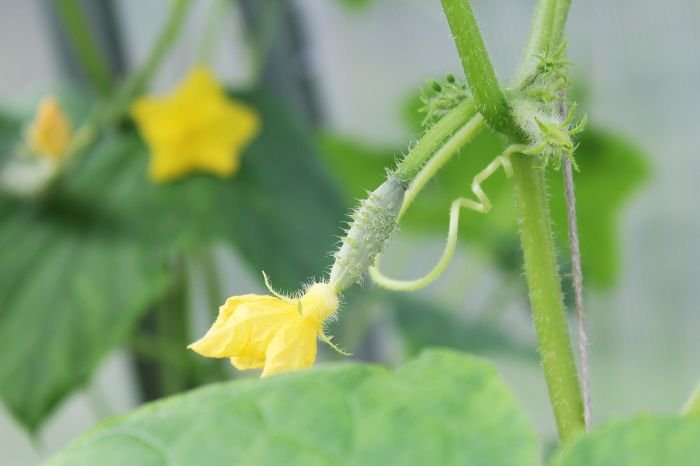
The seedling stage is a crucial period for young cucumber plants. During this phase, proper care and attention are essential to ensure the healthy growth and development of the seedlings. In this section, we will discuss the light requirements and initial watering practices that are vital for the success of cucumber seedlings. We will also explore effective strategies for managing pests and diseases that can impact the growth of young cucumbers.
Light Requirements and Initial Watering Practices
Light is one of the key factors influencing the growth of cucumber seedlings at the early stages. Adequate exposure to light is crucial for photosynthesis, which provides the energy needed for healthy plant development. Place your cucumber seedlings in a location that receives at least 6-8 hours of direct sunlight per day. If sunlight is limited, you can also use grow lights or fluorescent lamps to provide supplemental lighting.
When it comes to watering cucumber seedlings, it’s important to strike the right balance. Overwatering can lead to root rot and other fungal diseases, while under-watering can cause the seedlings to wilt and stunt their growth. Keep the soil consistently moist but not saturated. Check the moisture level by sticking your finger about an inch into the soil – if it feels dry, it’s time to water. Be careful not to wet the leaves, as this can increase the risk of diseases.
Proper drainage is also essential, as waterlogged soil can suffocate the roots. Make sure the containers or planting beds have adequate drainage holes to allow excess water to escape. If you’re using containers, elevate them slightly using pot feet or bricks to facilitate drainage.
Managing Pests and Diseases in Young Cucumbers
Pests and diseases can pose significant challenges to the health and productivity of young cucumber plants. It’s important to implement effective management strategies to prevent and control these issues.
One approach is to practice good sanitation in your garden. Remove any fallen leaves or debris that may harbor pests or diseases. Regularly inspect your cucumber plants for signs of infestation or infection, such as discolored or distorted leaves, holes in the leaves, or insect activity. Early detection allows for prompt intervention.
Integrated pest management (IPM) techniques can also be used to manage pests and diseases. This approach involves a combination of prevention, cultural practices, biological controls, and, if necessary, targeted pesticide applications. For eco-friendly solutions, explore natural pest control methods to effectively manage common cucumber pests like cucumber beetles and aphids without harming pollinators. For example, you can introduce beneficial insects like ladybugs or lacewings to control aphids or use organic insecticidal soaps to manage pests.
In terms of diseases, fungal infections such as powdery mildew and downy mildew are common in cucumbers. To prevent these diseases, provide adequate spacing between plants to promote airflow and reduce humidity. Watering in the early morning allows the foliage to dry quickly. Additionally, choosing disease-resistant cucumber varieties can help mitigate the risk of infection.
By paying close attention to light requirements, practicing proper watering techniques, and implementing effective pest and disease management strategies, you can ensure the healthy and successful growth of your cucumber seedlings.
Vegetative Growth – Developing Strong Plants
Nutrient Needs During the Vegetative Phase
During the vegetative growth phase, cucumber plants focus on developing strong vines and leaves, which provide the foundation for healthy fruit production. To support this vigorous growth, it is essential to meet their nutrient needs.
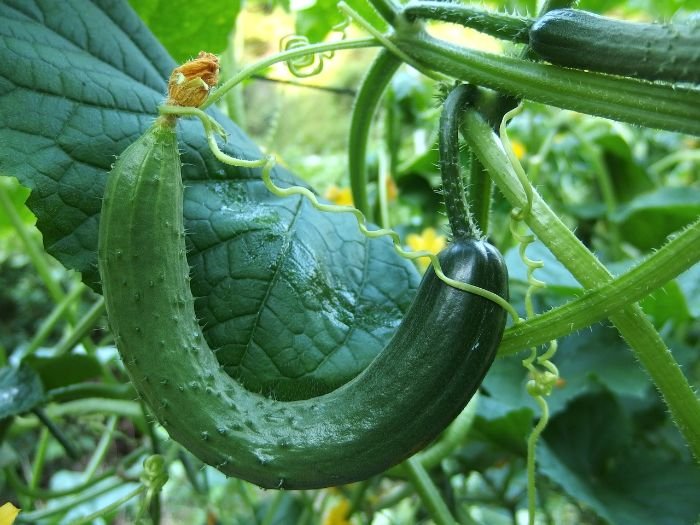
Cucumbers have specific nutrient requirements during the vegetative phase to ensure optimal development. They need a balanced supply of macronutrients such as nitrogen, phosphorus, and potassium, along with secondary nutrients like calcium and magnesium. These nutrients are crucial for promoting vegetative growth and overall plant health.
Providing the right balance of fertilization is key to meeting these nutrient needs. Incorporating a vegetable-specific fertilizer into the soil before planting will provide a steady supply of essential nutrients throughout the vegetative phase. Regularly monitoring soil nutrient levels and adjusting fertilization accordingly is necessary to prevent nutrient deficiencies or excesses that can hinder plant growth.
Techniques for Training and Supporting Cucumbers
Training and supporting cucumber plants is crucial during the vegetative growth phase to ensure proper plant structure, efficient space utilization, and optimal air circulation. For a similar perspective on another vining crop, explore pumpkin growth stages, which covers the seedling-to-harvest timeline and care requirements for pumpkins. These techniques also help prevent diseases and increase fruit quality.
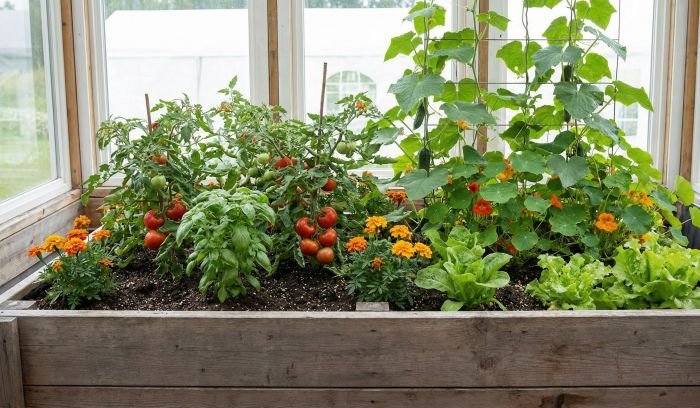
One common method of training cucumbers is vertical trellising. This involves providing sturdy support, such as trellises or cages, for the plants to climb and grow vertically. Vertical trellising not only saves space but also helps keep the vines off the ground, reducing the risk of fungal diseases and making it easier to harvest the cucumbers. To take this approach further, explore creating a vertical garden for tips on designing and implementing a vertical growing setup that enhances airflow and maximizes yield for climbing crops like cucumbers.
Pruning is another technique used to manage cucumber plants. By selectively removing excessive leaf growth, runners, and lateral branches, you can improve air circulation, reduce the risk of disease, and redirect plant energy from vegetative growth to fruit production.
Lastly, using plant ties or clips to secure the vines and train them along the trellis or support structure will help maintain a neat and organized growth pattern.
By employing these training and supporting techniques, you can guide the vegetative growth of cucumber plants, promote robust foliage, and create a favorable environment for fruit development.
Flowering and Fruiting – The Reproductive Phase
The flowering and fruiting phase is a critical period in the growth of cucumber plants. During this reproductive phase, the plant produces beautiful flowers that eventually turn into delicious cucumbers. Understanding how to encourage pollination and fruit set is essential for a successful cucumber harvest.
Encouraging Pollination and Fruit Set
Pollination plays a vital role in the fruiting process of cucumber plants. Bees and other pollinators are attracted to the bright and fragrant flowers, transferring pollen from the male flowers to the female ones. To attract pollinators to your cucumber plants, ensure a diverse and vibrant garden with other flowering plants nearby. Providing a source of water, such as a shallow dish or bird bath, can also help attract pollinators.
It is important to note that cucumber plants have separate male and female flowers. The male flowers produce pollen, while the female flowers contain the ovaries that will develop into cucumbers. To facilitate successful pollination and fruit set, it is necessary to have a good ratio of male to female flowers. For insights into another popular cucurbit, explore growing zucchini, where you’ll learn about zucchini growth stages, pollination techniques, and overlapping cultivation needs with cucumbers.
If your cucumber plant seems to have an abundance of male flowers but few female flowers, you can try hand-pollinating by transferring pollen from male to female flowers using a soft brush or cotton swab.
Adjustments in Watering and Fertilization During Flowering
During the flowering and fruiting phase, cucumber plants have increased water and nutrient requirements. It is crucial to provide adequate moisture and nutrition to support the healthy development of flowers and fruits. Adjust your watering schedule to ensure the soil remains consistently moist. Avoid overwatering, as this can lead to disease and root rot.
In terms of fertilization, consider adjusting your fertilization routine to provide the necessary nutrients for flowering and fruit formation. A balanced fertilizer with higher phosphorus and potassium content can promote flower production and fruit set. Follow the instructions on the fertilizer packaging to ensure proper application rates.
Harvesting and Post-Harvest Care
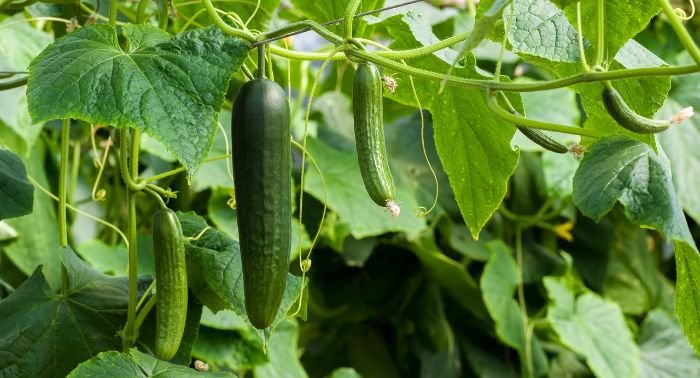
The harvesting and post-harvest care stage is when you reap the rewards of your cucumber plants. After nurturing and tending to your cucumbers throughout their growth stages, it’s important to know when and how to harvest them to ensure optimal taste and quality. Additionally, proper post-harvest care techniques can help extend the shelf life of your cucumbers.
Signs That Your Cucumbers Are Ready to Harvest
Knowing the signs of readiness is essential for harvesting cucumbers at their peak. Here are some indicators that your cucumbers are ready to be harvested:
- Firmness – Ripe cucumbers should feel firm when gently squeezed.
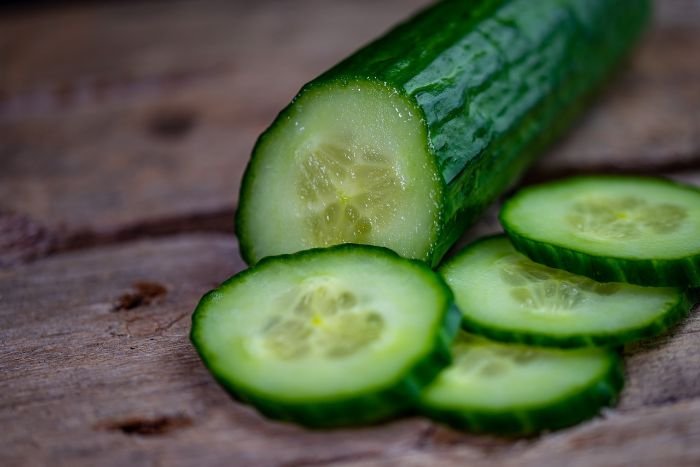
- Color – Cucumbers should have a vibrant, deep green color. Some varieties may have lighter or darker shades, but avoid picking cucumbers that are yellow or overripe.
- Size – Depending on the cucumber variety, the ideal size for harvesting may vary. Generally, cucumbers are ready to be picked when they reach 6 to 8 inches in length.
- Texture – A smooth and uniform skin is another indication of a ripe cucumber.
Tips for Picking and Storing Cucumbers
Once your cucumbers are ready to be harvested, follow these tips for proper picking and storing:
- Use sharp scissors or pruning shears to cut the cucumber stem near the vine. Avoid pulling or twisting the cucumber, as this may damage the plant.
- Handle the cucumbers gently to prevent bruising or damage to the skin.
- For immediate use, store freshly harvested cucumbers in the refrigerator to maintain their crispness and flavor. Place them in a plastic bag or wrap them in a damp cloth to retain moisture.
- If you have an abundant cucumber harvest, consider preserving them by pickling or canning. This will allow you to enjoy cucumbers even after the growing season.
Conclusion
In conclusion, understanding the cucumber growth phases and implementing proper cultivation and care tips is key to achieving a successful cucumber harvest. By following the guidelines discussed in this article, you will be equipped with the knowledge and techniques necessary to grow and care for cucumbers in your garden.
During the germination stage, it is important to prepare the soil properly to optimize seed germination. Maintaining the right temperature and moisture conditions will encourage sprouting and healthy seedling development.
As your cucumber plants progress to the seedling stage, ensure you provide adequate light and water. Managing pests and diseases is also crucial to maintain the health of young cucumbers.
During the vegetative growth phase, be mindful of the nutrient needs of cucumber plants and provide sufficient fertilization. Training and supporting techniques will also promote healthy growth and optimize fruit production.In the flowering and fruiting phase, focus on encouraging pollination and fruit set. Adjusting watering and fertilization practices will support healthy fruit development and maximize your yield.
Lastly, understanding the signs of cucumber readiness for harvest and following proper picking and storing techniques is vital for optimal taste and quality. By incorporating these cultivation tips and care practices, you will be well on your way to a bountiful cucumber harvest.
FAQ
What are the different growth phases of cucumber plants?
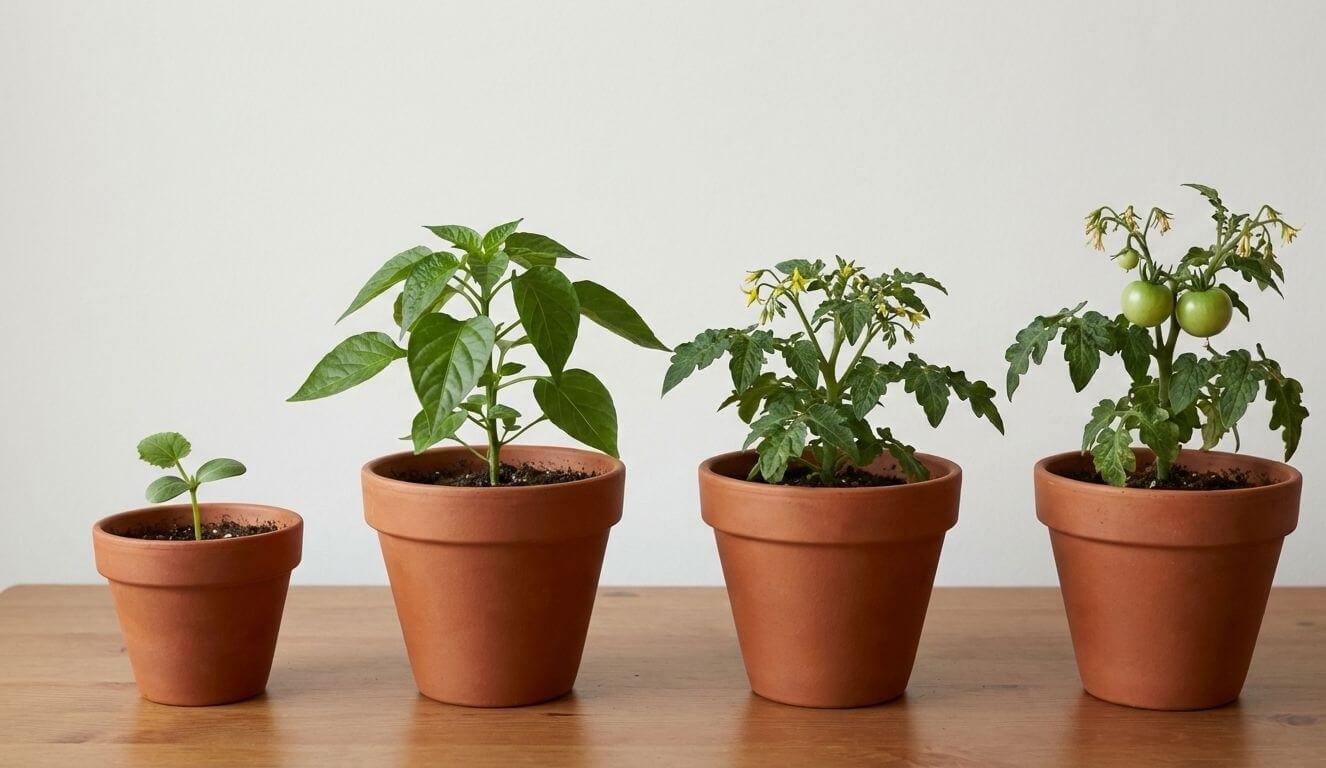
The growth phases of cucumber plants include germination, seedling, vegetative growth, flowering and fruiting, and harvesting and post-harvest care stages.
How do I plant cucumber seeds during the germination stage?
To plant cucumber seeds, prepare the soil by loosening it and removing any debris. Create small holes or furrows for the seeds and sow them at the recommended depth. Cover the seeds with soil and water gently.
What are the ideal temperature and moisture conditions for cucumber seed germination?
Cucumber seeds require a soil temperature of around 70-95°F (21-35°C) for optimal germination. Keep the soil consistently moist but not waterlogged to encourage sprouting.
What are the light requirements and watering practices for cucumber seedlings?
Cucumber seedlings need at least 12 hours of direct sunlight or bright artificial light each day. Water the seedlings regularly, keeping the soil moist but not soggy. Avoid overhead watering to prevent disease.
How can I manage pests and diseases in young cucumber plants?
To manage pests and diseases, regularly inspect your cucumber plants for signs of damage or infestation. Use natural or organic pest control methods, such as introducing beneficial insects or applying insecticidal soap.
What are the nutrient needs of cucumber plants during the vegetative growth phase?
Cucumber plants require balanced nutrition during the vegetative phase. Use a nitrogen-rich fertilizer to promote leafy growth and ensure the soil has adequate levels of phosphorus, potassium, and micronutrients.
What are the signs that indicate my cucumbers are ready to harvest?
Cucumbers are ready to harvest when they reach the desired size and color. Look for firm cucumbers with a consistent color, free from blemishes or bruises. Consult the specific variety’s expected harvest time for guidance.