





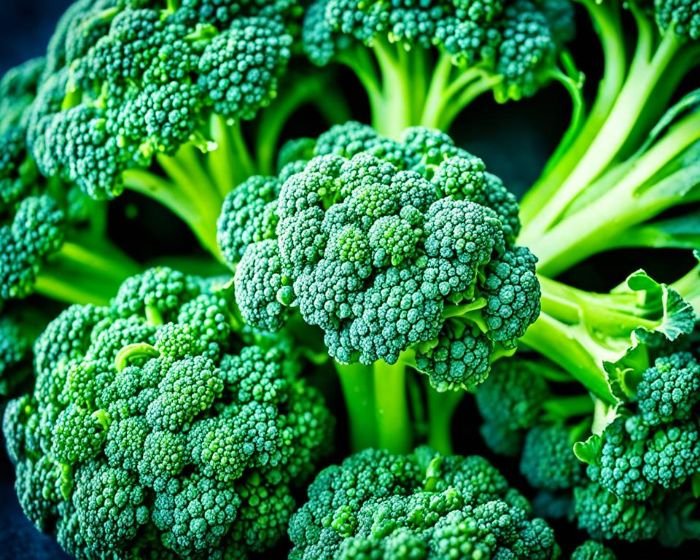
When it comes to fighting cancer, could a simple vegetable hold the key to prevention? Broccoli, a cruciferous vegetable, has been making waves in the world of nutrition for its remarkable health benefits, specifically its ability to combat cancer. But what is it about broccoli that makes it such a powerful weapon against this devastating disease?
In this article, we will delve into the fascinating world of broccoli and explore its cancer-fighting properties. From its rich nutritional profile to the specific compounds responsible for its anti-cancer activities, we will uncover the science behind this humble vegetable. Prepare to be amazed by the mounting evidence supporting the role of broccoli in cancer prevention and learn how you can incorporate it into your diet for maximum benefits.
Key Takeaways:
- Broccoli is a cruciferous vegetable that is known for its cancer-fighting properties.
- It contains a compound called sulforaphane, which has been linked to inhibiting cancer cell growth.
- Other compounds in broccoli, such as carotenoids and vitamin C, also contribute to its cancer-preventive properties.
- Consuming broccoli regularly can have a profound impact on overall health and well-being.
- Explore the nutritional profile of broccoli and discover delicious ways to incorporate it into your diet.
Table of Contents
Nutritional Profile of Broccoli
Broccoli is a powerhouse of essential vitamins and minerals, making it a highly nutritious vegetable. Its impressive nutritional profile contributes to its numerous health benefits.
Key Vitamins and Minerals in Broccoli
One of the standout features of broccoli is its rich vitamin content. It is an excellent source of vitamin C, which acts as a powerful antioxidant. Vitamin C helps protect cells from free radical damage and supports a healthy immune system. Another important vitamin found in broccoli is vitamin K, which plays a vital role in blood clotting and bone health. Additionally, broccoli contains folate (vitamin B-9), which is essential for cell growth and function.
Broccoli provides an abundance of key minerals as well. It is rich in potassium, a mineral that supports heart health and helps regulate blood pressure. The fiber content in broccoli promotes digestive function and helps maintain a healthy gastrointestinal system. Magnesium, another mineral found in broccoli, also contributes to heart health and overall well-being.
The Antioxidant Content and Its Benefits
In addition to its wealth of vitamins and minerals, broccoli is packed with antioxidants. These compounds play a vital role in protecting the body against oxidative stress and inflammation. Antioxidants such as vitamins C and E, carotenoids, and flavonols have been associated with a range of health benefits.
Antioxidants help strengthen the immune system and support heart health. They also reduce the risk of chronic diseases and promote healthy aging. The antioxidant content in broccoli is particularly significant in its cancer-fighting properties. By neutralizing harmful free radicals and minimizing DNA damage, the antioxidants in broccoli help protect against the development of cancer.
Understanding Broccoli’s Cancer-Fighting Components
Broccoli contains key compounds that contribute to its powerful cancer-fighting properties. One of the most studied compounds is sulforaphane, which is found not only in broccoli but also in other cruciferous vegetables. Sulforaphane has been extensively researched for its role in cancer prevention. It activates specific genes that protect against carcinogens and inhibit the growth of cancer cells. Additionally, sulforaphane exhibits anti-inflammatory, antioxidant, and detoxifying effects, which further contribute to its ability to prevent and potentially slow down cancer progression.

The Role of Sulforaphane in Cancer Prevention
Studies have demonstrated the effectiveness of sulforaphane in reducing the risk of various types of cancer. By activating protective genes and inhibiting cancer cell growth, sulforaphane helps defend the body against this devastating disease. Its anti-inflammatory and antioxidant properties also contribute to its cancer-preventive effects. Consuming broccoli regularly can help ensure an adequate intake of sulforaphane, making it an important vegetable in the fight against cancer.
Other Phytochemicals Involved in Anti-Cancer Activities
In addition to sulforaphane, broccoli is rich in other phytochemicals that have demonstrated anti-cancer properties. Glucosinolates, the compounds responsible for the distinct taste and smell of cruciferous vegetables, are metabolized into isothiocyanates and indoles when consumed. These compounds have been found to inhibit cancer cell growth, stimulate apoptosis (programmed cell death), and prevent the formation of new blood vessels that supply tumors. The combination of various phytochemicals present in broccoli contributes to its overall cancer-fighting capabilities, solidifying its position as a potent anti-cancer vegetable.
Scientific Research Supporting Broccoli’s Benefits
Numerous scientific studies have been conducted to investigate the efficacy of broccoli in cancer prevention. Research has consistently shown a correlation between increased consumption of broccoli and other cruciferous vegetables and a reduced risk of various types of cancer, including lung, colorectal, stomach, breast, prostate, and others. Animal studies have also demonstrated that diets high in cruciferous vegetables can suppress cancer growth and inhibit tumor development. While human studies have yielded mixed results, likely due to genetic variations and differences in preparation methods, the overall body of research suggests that incorporating broccoli into the diet can provide significant cancer-protective benefits.
Studies on Broccoli and Cancer Prevention
The inclusion of broccoli and other cruciferous vegetables in the diet has been extensively studied for its potential to prevent cancer. Research consistently supports the notion that consuming broccoli can reduce the risk of various types of cancer. For example, studies have shown that individuals who regularly consume cruciferous vegetables have a lower risk of lung, colorectal, stomach, breast, and prostate cancers. The presence of phytochemicals, such as sulforaphane, indoles, and glucosinolates, in broccoli is believed to contribute to its anti-cancer effects by inhibiting tumor growth and suppressing the formation of new blood vessels to tumors.
Broccoli’s Impact on Other Health Conditions
In addition to its cancer-fighting properties, broccoli has been found to have a positive impact on other health conditions. Studies have shown that consuming broccoli and other cruciferous vegetables can reduce the risk of cardiovascular diseases, improve cardiovascular health markers, and lower blood pressure. The fiber content in broccoli supports digestive health by promoting regular bowel movements and reducing the risk of gastrointestinal conditions. Broccoli also plays a role in detoxification processes in the body, supporting liver health and enhancing the body’s ability to eliminate toxins. These additional health benefits make broccoli a versatile and valuable addition to a healthy diet.
How to Incorporate Broccoli Into Your Diet for Maximum Benefits
Broccoli is a versatile and nutritious vegetable that can be easily incorporated into your daily meals. By knowing the best cooking and consumption methods, you can maximize the health benefits it provides.
Best Ways to Cook and Consume Broccoli
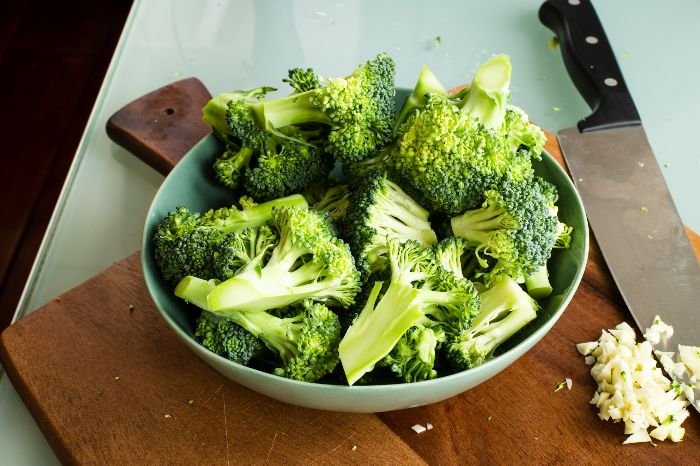
To retain the beneficial compounds in broccoli, such as glucosinolates, folate, and vitamin C, it is recommended to steam, microwave, stir-fry, or sauté the vegetable. Boiling broccoli in a pot of water can result in a significant loss of these nutrients. It is important to cook broccoli just until tender/crisp with a bright green color to avoid unpleasant odors. Another delicious option is roasting broccoli with olive oil, garlic, and herbs, enhancing its flavor and providing a tasty side dish. Additionally, raw broccoli can be enjoyed with hummus or added to green salads for a fresh and nutritious boost.
Recipes for Daily Broccoli Intake
Incorporating broccoli into your daily meals is made enjoyable with a variety of delicious recipes. Here are some popular ideas:
- Broccoli stir-fry with ginger and garlic
- Roasted broccoli with Parmesan cheese
- Broccoli and cheddar soup
- Broccoli salad with cranberries and almonds
For those who prefer raw broccoli, it can be added to salads, used as a topping in wraps or sandwiches, or served with a healthy dip. The versatility of broccoli allows for countless creative and nutritious dishes that can be enjoyed as part of a balanced diet.
Beyond Cancer Prevention – Other Health Benefits of Broccoli
Broccoli not only helps prevent cancer but also offers a range of other health benefits. Its positive impact extends to cardiovascular health and the body’s detoxification and digestive systems.
Cardiovascular Health and Broccoli
Research has shown that consuming broccoli can help reduce the risk of cardiovascular diseases, such as heart disease and stroke. The antioxidants, fiber, and anti-inflammatory compounds in broccoli contribute to these benefits. Regular consumption of broccoli has been associated with improved heart health markers, including lower cholesterol levels and blood pressure. The combination of nutrients found in broccoli, particularly vitamin K and antioxidants, supports healthy blood clotting, reduces inflammation, and enhances overall cardiovascular function.
Broccoli’s Role in Detoxification and Digestive Health
Broccoli plays a crucial role in supporting the body’s detoxification processes and maintaining digestive health. The high fiber content in broccoli promotes regular bowel movements, prevents constipation, and supports a healthy digestive system. Additionally, broccoli contains compounds that aid in liver detoxification by enhancing the liver’s ability to remove toxins from the body. These detoxifying properties of broccoli are essential for overall health and well-being, as they help eliminate harmful substances and maintain optimal digestive function.
Conclusion
Broccoli is not just a nutritious vegetable, it is a powerhouse of health benefits. Its cancer-fighting properties, attributed to compounds such as sulforaphane and other phytochemicals, make it an excellent addition to a cancer-preventive diet. The antioxidant content of broccoli, along with its impressive nutritional profile, further solidify its status as a superfood. By incorporating broccoli into daily meals and experimenting with various cooking methods, individuals can ensure they reap the numerous health benefits this cruciferous vegetable provides.
One of the key advantages of broccoli lies in its ability to combat cancer. Sulforaphane, a powerful compound found in broccoli, activates genes that protect against carcinogens and inhibit cancer cell growth. Additionally, other phytochemicals in broccoli, like glucosinolates, contribute to its anti-cancer activities. Broccoli’s diverse combination of compounds supports its overall cancer-fighting capabilities and positions it as a potent anti-cancer vegetable.
Not only does broccoli help prevent cancer, but it also provides a range of other health benefits. Its antioxidants, fiber, and anti-inflammatory properties support cardiovascular health by reducing the risk of heart disease and stroke. The high fiber content promotes digestive health and regular bowel movements, while also aiding in liver detoxification. From cancer prevention to cardiovascular and digestive health, broccoli is a versatile and valuable vegetable that should be celebrated and enjoyed as part of a balanced diet.
FAQ
What are the key vitamins and minerals present in broccoli?
Broccoli is rich in essential vitamins and minerals, including vitamin C, vitamin K, and folate. It also contains potassium, fiber, and magnesium.
How does broccoli help in preventing cancer?
Broccoli contains phytochemicals like sulforaphane, glucosinolates, and carotenoids, which have anti-cancer properties. These compounds inhibit cancer cell growth, stimulate apoptosis, and prevent the formation of new blood vessels that supply tumors.
What does scientific research say about the benefits of broccoli?
Numerous studies have shown that increasing the intake of broccoli and other cruciferous vegetables can reduce the risk of various types of cancer. Broccoli has also been found to have positive effects on cardiovascular health and digestive function.
How should broccoli be cooked and consumed to retain its beneficial compounds?
It is recommended to steam, microwave, stir-fry, or sauté broccoli to retain its glucosinolates, folate, and vitamin C content. Boiling broccoli in water may lead to a significant loss of these compounds. Cooking should be done until the broccoli is tender/crisp and still has a bright green color.
What are some delicious recipes with broccoli?
Some popular recipes include broccoli stir-fry with ginger and garlic, roasted broccoli with Parmesan cheese, broccoli and cheddar soup, and broccoli salad with cranberries and almonds. Broccoli can also be enjoyed raw with hummus or added to green salads.
Does broccoli have any benefits beyond cancer prevention?
Yes, broccoli has been found to support cardiovascular health by lowering cholesterol and blood pressure. It also plays a role in detoxification processes and promotes digestive health by providing fiber and aiding liver function.