






Did you know that a humble root vegetable has had a transformative role in shaping the world as we know it? From its origins in the Americas to its global expansion and adoption, potatoes have had a profound impact on culture, economy, and food security. Join us on a journey through history as we unearth the fascinating story of potatoes and their enduring legacy.
Key Takeaways:
- The potato has played a pivotal role in shaping societies worldwide.
- Potatoes have had a significant impact on agriculture, cuisine, and social structures.
- They have contributed to economic growth and helped address food scarcity.
- The versatility of potatoes has made them a staple in cuisines across the globe.
- The enduring legacy of potatoes highlights their transformative power.
Table of Contents
Unearthing the Humble Potato’s Global Journey
The potato’s global journey is a fascinating tale of exploration, cultivation, and cultural exchange. Originating in the Andes Mountains of South America, the potato has traversed continents, leaving an indelible mark on world history. This section delves into the historical significance of potatoes as a staple crop and their far-reaching impact on food security, population growth, and cultural exchanges.
From its humble beginnings, the potato quickly became a vital source of sustenance for indigenous peoples in the Andean region, thanks to its adaptability in various climates and terrains. As European explorers began to traverse the globe in the 16th century, they encountered this versatile tuber and recognized its potential value.
Their voyages back to Europe brought about a profound transformation in how people cultivated and consumed food. The potato’s introduction to Europe forever altered the continent’s agricultural landscape and triggered significant social and economic changes.
As European nations embraced potatoes as a staple crop, they witnessed remarkable improvements in food security. Potatoes thrived in a range of climates and soils, making them an accessible and reliable source of sustenance for diverse populations. This accessibility played a crucial role in population growth, reducing the reliance on traditional crops and mitigating the risk of famine.
Moreover, the potato’s global journey enabled the exchange of agricultural knowledge and practices. It facilitated a profound shift in farming methods and the adoption of more efficient techniques. The cultivation of potatoes led to increased agricultural productivity, which, in turn, fueled economic growth and industrial development.
The historical significance of potatoes extends beyond their impact on food security and economic prosperity. As this remarkable tuber spread across continents, it influenced culinary traditions and dietary habits. Today, it is difficult to imagine many cuisines without the presence of potatoes. From creamy mashed potatoes to crispy fries, these versatile tubers have become a culinary staple across the globe, reflecting the interconnectedness of cultures and the adaptive nature of food.
In this section, we will explore the potato’s global journey, tracing its path from the Andes Mountains to Europe and beyond. We will uncover the historical significance of this humble root vegetable and its enduring legacy in shaping societies, cuisines, and economies worldwide.
The Historical Roots – Potatoes’ Journey from the Americas to Europe
The introduction of potatoes to Europe marked a significant turning point in the history of this versatile root vegetable. However, to understand this pivotal moment, we must first trace the journey of potatoes from their origin in the ancient civilizations of the Americas.
The indigenous peoples of the Americas, particularly those in the Andes Mountains region, were the first to cultivate potatoes. For centuries, they recognized the value of this crop as a reliable source of sustenance due to its adaptability to various climates and soil conditions.
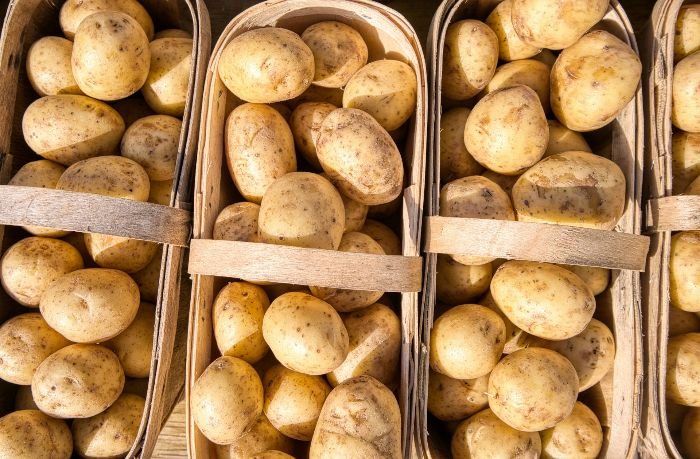
It was during Christopher Columbus’ voyage to the Americas in the late 15th century that potatoes were introduced to Europe. Columbus and his crew encountered potatoes during their interactions with the indigenous people of the Caribbean islands. Recognizing their potential, Columbus brought this new crop back to Europe, where it would soon gain immense popularity.
The initial reception of potatoes in Europe was met with skepticism and apprehension. Some viewed potatoes with suspicion due to their unfamiliarity and the prevailing belief that they were inedible or even poisonous. However, through the efforts of forward-thinking individuals, such as Antoine-Augustin Parmentier in France, potatoes gradually gained acceptance.
Parmentier championed the nutritional value and versatility of potatoes, promoting their consumption among the general population. He even popularized the use of potatoes in inventive recipes, further fueling their growing popularity.
The introduction of potatoes to Europe marked a significant milestone in culinary history. These humble tubers quickly became an integral part of European diets, providing a crucial source of sustenance, especially during times of food scarcity and famine.
Moreover, the adoption of potatoes by European societies had far-reaching effects beyond the culinary sphere. The introduction of this new crop contributed to population growth, as potatoes provided a reliable food source that could sustain dense populations.
The historical roots of potatoes offer us a glimpse into the transformative power of this humble vegetable. From its origins in the Americas to its adoption and widespread cultivation in Europe, the potato’s journey continues to shape societies and leave a lasting legacy on a global scale.
Agricultural Revolution – The Potato’s Role in European Expansion
In the 16th century, the introduction of potatoes to Europe sparked an agricultural revolution that had far-reaching economic consequences. The potato, with its ability to thrive in diverse climates and soil conditions, quickly became a popular crop among European farmers. Its cultivation led to increased agricultural productivity, population growth, and the emergence of potato-dependent industries.
The economic impact of potatoes was profound. As farmers began growing potatoes, they found that the crop had higher yields compared to traditional staples like wheat and barley. This abundance of potatoes helped address food scarcity and mitigate the frequent famines that plagued Europe during the 18th and 19th centuries. The potato’s role in providing a reliable food source contributed to population growth and improved living conditions.
The expansion of potato cultivation also resulted in significant economic benefits. The surplus of potatoes allowed European nations to trade with other countries and fueled the growth of international markets. Moreover, the emergence of potato-dependent industries, such as potato processing and distilling, created employment opportunities and stimulated economic growth.
Economic Impact – Potatoes as a Catalyst for Growth
The economic impact of potatoes cannot be underestimated. Their affordability and nutritional value made them a staple food for both rural and urban populations. This increased accessibility to a reliable source of sustenance played a crucial role in improving public health and well-being. With a steady supply of nutritious potatoes, individuals had the energy and strength to engage in productive economic activities, thereby contributing to economic growth.
Beyond their direct contribution to agricultural productivity, potatoes also had indirect economic benefits. The surplus of potatoes generated a surplus of labor, as fewer people were needed for traditional farming activities. This surplus labor force could then be redirected to other burgeoning industries, such as manufacturing and trade, further stimulating economic development.
The economic impact of potatoes as a catalyst for growth extended beyond Europe. As European powers colonized and established trade networks in other parts of the world, they introduced potatoes to new regions. This spread of potato cultivation contributed to agricultural advancements and economic development in these areas, creating a global ripple effect.
Culinary Expansion – How the Potato Conquered the Globe
The versatility of potatoes has allowed them to conquer the globe and become a staple in cuisines worldwide. This humble root vegetable has undergone a global culinary expansion, captivating the taste buds of people across diverse cultures and regions.
The potato’s adaptability makes it suitable for various culinary traditions, whether it’s the comforting mashed potatoes in American cuisine, the flavorful Indian potato curry, or the crispy French fries enjoyed internationally. Its ability to absorb and enhance flavors has made it a beloved ingredient in both traditional and modern dishes.

The cultural significance of potatoes cannot be understated. They have become symbolic of comfort, nourishment, and familiarity on dinner tables worldwide. Potatoes have not only satisfied hunger but also brought people together, creating connections and shared experiences through food.
The Potato in Modern Agriculture – Sustainability and Challenges
While the potato’s culinary expansion captivates palates globally, modern potato agriculture faces sustainability challenges. Potato farming practices must adapt and address environmental concerns to ensure the longevity of this crop.
Farmers are implementing sustainable practices such as crop rotation, soil conservation, and integrated pest management to minimize the environmental impact of potato cultivation. By diversifying crops and reducing chemical inputs, farmers can maintain the health of the soil and surrounding ecosystems.
However, potato farming still encounters challenges such as disease management, water conservation, and the use of pesticides to protect crops. These challenges require ongoing research and innovation to develop sustainable solutions that promote both environmental health and crop productivity.
The sustainability of modern potato agriculture is crucial for ensuring the availability of this versatile and beloved crop for future generations. By balancing the demands of increasing global food production with responsible farming practices, we can contribute to a more sustainable and resilient agricultural system.
Cultural and Social Reverberations of the Potato Introduction
The introduction of potatoes in different regions of the world had profound cultural and social impacts. These humble roots reshaped dietary habits, influenced food culture, and even transformed social structures in various societies. Potatoes became much more than just a staple crop; they became a catalyst for cultural innovation and social change.
The cultural impact of potatoes can be seen in the emergence of new dishes and culinary traditions associated with these versatile tubers. From the comforting mashed potatoes of the American Midwest to the spicy patatas bravas of Spain, potatoes have found their way into countless recipes and are now an integral part of many cuisines around the world.
But the influence of potatoes goes beyond the kitchen. In societies where potatoes became a staple, their cultivation and consumption often became deeply ingrained in cultural practices and traditions. For example, in Ireland, the potato became a symbol of national identity and self-sufficiency, playing a role in the country’s struggle for independence.
Potatoes not only provided vital sustenance for the Irish people but also played a crucial role in shaping their history and cultural resilience.
Moreover, potatoes had a significant social influence, particularly in terms of food security and economic equality. As a relatively low-cost and easily cultivatable crop, potatoes provided a reliable source of sustenance for communities, reducing the risk of famine and increasing overall food availability. This led to improved nutrition and better social well-being for many populations.
Additionally, potatoes had a leveling effect on social classes. Unlike other staple grains, potatoes could be grown in small plots of land, allowing individuals and families to cultivate their own food. This newfound accessibility to a nutrient-rich crop helped bridge socioeconomic gaps and empowered marginalized communities to become more self-sufficient.
In conclusion, the cultural and social reverberations of the potato introduction were far-reaching and transformative. Potatoes not only shaped culinary traditions but also influenced cultural practices and social structures in various societies. As we continue to explore the historical significance of this humble root vegetable, it becomes evident that its impact extends beyond the plate, leaving an indelible mark on our collective history.
Conclusion – The Enduring Legacy of the Potato
In conclusion, the potato’s enduring legacy can be seen in its historical significance and the lasting impact it has had on agriculture, cuisine, and society. Throughout history, potatoes have played a pivotal role in shaping cultures and economies worldwide. From their humble origins in the Americas to their introduction and cultivation in Europe and beyond, potatoes have revolutionized food systems and contributed to global prosperity.
The historical significance of potatoes lies in their transformative power. As a staple crop, potatoes have provided sustenance and addressed food scarcity, enabling population growth and economic development. Beyond their nutritional value, the versatility of potatoes in various culinary traditions has made them an indispensable ingredient in countless dishes, reflecting the cultural significance they hold in different societies.
Today, the enduring legacy of potatoes continues. As modern agricultural practices evolve, sustainability becomes increasingly important for potato farmers, who face various challenges. However, the ingenuity and adaptability of farmers, combined with technological advancements, ensure that potatoes remain a vital part of our food system. Their versatility, high nutritional value, and ability to thrive in diverse climates make potatoes a reliable and sustainable crop for future generations.
In conclusion, the historical significance and enduring legacy of potatoes cannot be underestimated. From their humble beginnings to their global influence, potatoes have left an indelible mark on human civilization. As we enjoy our favorite dishes made with potatoes, let us appreciate the journey and impact of this seemingly simple root vegetable and recognize its role in shaping the world we know today.
FAQ
What is the historical significance of potatoes?
Potatoes have had a significant global impact throughout history. They played a pivotal role in shaping societies worldwide, contributing to food security, population growth, and cultural exchange.
Where did potatoes originate?
Potatoes were first discovered and cultivated by indigenous peoples in the Americas, specifically in the Andes Mountains of South America.
Who brought potatoes to Europe?
European explorers, such as Christopher Columbus, brought potatoes back to Europe and introduced them to European societies.
How did potatoes contribute to the agricultural revolution?
The introduction of potatoes in Europe sparked an agricultural revolution. They increased agricultural productivity, stimulated economic growth, and helped address food scarcity and famine during the 18th and 19th centuries.
What cultural and social impacts did potatoes have?
Potatoes influenced dietary habits, food culture, and social structures in different regions of the world. They led to the emergence of new dishes, culinary traditions, and cultural practices associated with potatoes.