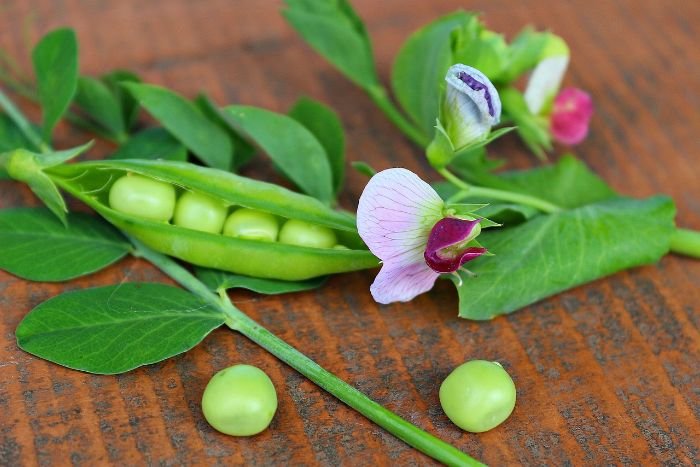
Have you ever thought about how a small pea seed becomes a strong plant with tasty pods? The pea plant’s road to growth is truly remarkable. Knowing the different growth stages is key to having healthy and productive plants.
This guide will show you each step of the pea plant’s growth, from starting to full size. You’ll learn how to care for your pea plants and get great tips for every stage. It’s time to start your journey and grow your own amazing pea plants.
Key Takeaways:
- It’s important to understand how pea plants grow for good results.
- Every stage, from the start to end, needs special care.
- Strong support and proper training help pea plants grow well and climb right.
- Pollination is key for the growth of pods and a good harvest.
- Keeping your plants healthy with right nutrients, keeping pests away, and seasonal care is very important.
Table of Contents
About Pea Plant Growth
It’s key to know how pea plants grow for a good harvest. Each growth stage needs special care. This guide explains the pea plant life cycle step by step. It helps you take the best care of your pea plants.
Importance of Understanding Pea Plant Growth Stages
Knowing pea plants’ growth stages is crucial. It helps you meet the plants’ changing needs. From planting through harvest, each stage needs different care. This knowledge helps you see if your pea plants are healthy and thriving.
You’ll also be ready to solve any issues quickly. Plus, you can make sure you get a great pea harvest.
Overview of Pea Plant Development
Pea plants go through several growth stages. Each stage has its own important changes. You’ll learn about the first growth stages, like germination and the plant starting to grow. Then, the plant will grow bigger, flower, and make pods with peas inside.
Understanding these steps is important. It shows you how all the stages work together for a good pea harvest.
Now, let’s look closer at how pea plants start to grow, from germination to early seedlings.
Planting Pea Seeds
Selecting the Right Varieties for Your Garden
Choosing the right pea seeds for your garden is key. There are many kinds, each needing specific care.
Think about where you live and how much space you have. Also, what tastes you like. For example, ‘Green Arrow’ is good for its big crops. ‘Sugar Snap’ is great for eating straight from the pod.
Ask local gardeners or experts for advice. They can help pick the best peas for your garden. The right choice will lead to a lot of delicious peas.
Preparing the Soil and Planting Seeds
First, get the soil ready for planting. Peas like soil that drains well and is full of nutrients. Remove weeds and loosen the soil with a tool to make it fine.
Now, plant the seeds. Sow them in early spring directly in the ground. Place them 1-2 inches deep and follow the spacing on the packet.
Put the seeds in the soil with the pointed end down. This helps the roots grow better. Cover them gently with more soil and press down lightly.
Optimal Conditions for Germination
Germination is when the seeds start to grow. To help them, keep the soil moist and cool. The best temperature is between 50-75°F.
It’s important not to overwater. Too much water can cause the seeds to rot. Make sure the soil can drain well.
Healthy soil that drains well and the right growing conditions are vital. Follow these steps and watch your pea plants grow strong. They’ll bring you a lot of peas to enjoy.
Germination and Early Seedling Stage
Germination Process and Timeline
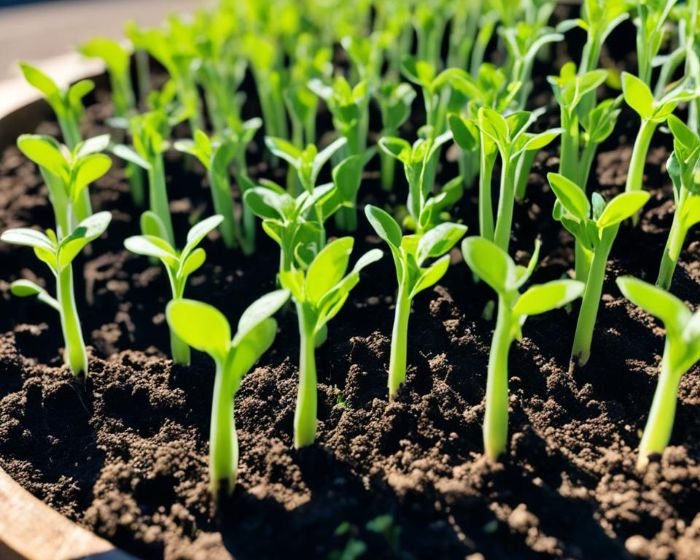
The germination stage is very important for pea plants to grow. It begins when a seed soaks up water and swells. Then, it cracks open to show the root, called the radicle. Next, the epicotyl starts growing, turning into the stem and leaves. The time it takes for germination depends on the pea plant type and its surroundings.
Pea seeds usually take between 7 to 10 days to start growing. The time can change based on the soil’s warmth, how wet it is, and the seed’s quality. A soil that’s between 50°F and 75°F (10°C and 24°C) is best for the seeds to sprout. Keeping the soil moist, but not too wet, is very important for successful growth.
Early Care Tips for Seedlings
After the seedlings pop out of the ground, they need careful looking after. They should be in a sunny place for at least 6 hours each day. For places with not enough sunlight, grow lights can help. It’s key to keep the soil just the right amount of moist.
Don’t let the seedlings get too close together or they might get sick. Make sure they’re 2-3 inches (5-8 cm) apart. Always pull out any weeds that show up around them.
Common Problems and Solutions in Early Stages
Damping-off is a common issue at this stage. It’s a fungal disease that rots seedlings at the ground. To stop this, the soil needs to drain well and not be too wet. Also, clean the soil before you plant to kill any bad germs.
Bugs like aphids and slugs might bother the seedlings too. Check your plants often and deal with any bugs you see quickly. Soaps made for bugs or fences can help keep your seedlings safe from pests.
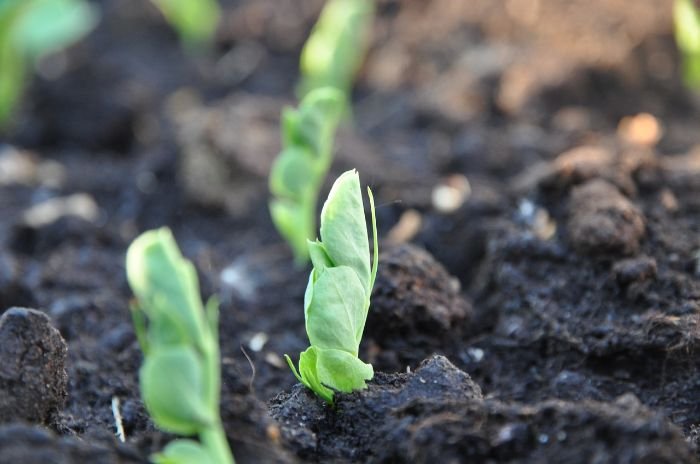
Taking good care and watching out for problems helps pea seedlings grow up strong. Do this during the time they’re sprouting and just starting to grow.
Vegetative Growth and Climbing Habits
Pea plants put their energy into growing vines and leaves. They need structures to help them climb and stay stable.
Development of Vines and Leaves
Pea plants can grow long, bendy vines. These vines allow the plant to grow up. This growth makes a lot of leaves. Leaves are super important for the plant to turn sunlight into food.
Importance of Support Structures
Pea plants that climb need support to grow well. Without supports, vines might get tangled or fall. Supports like trellises and stakes help the vines stay straight and avoid harm.
Training Pea Plants to Climb
People gently tie the vines to their supports to help them climb. Using soft twine or other materials, they guide the vines. This method helps the pea plants enjoy more air and sunlight. It also makes picking the peas easier later on.
Flowering Stage
The flowering stage is key for pea plants. In this phase, the plant makes flower buds and starts pollination. It’s when pods begin to grow. Knowing about this stage helps with a good pea harvest.
Formation of Flower Buds
Pea plants start to grow flower buds as they get older. These buds have the parts that help in making new peas. This is a sign the plant is ready for pollination.
Pollination and Its Role in Pod Development
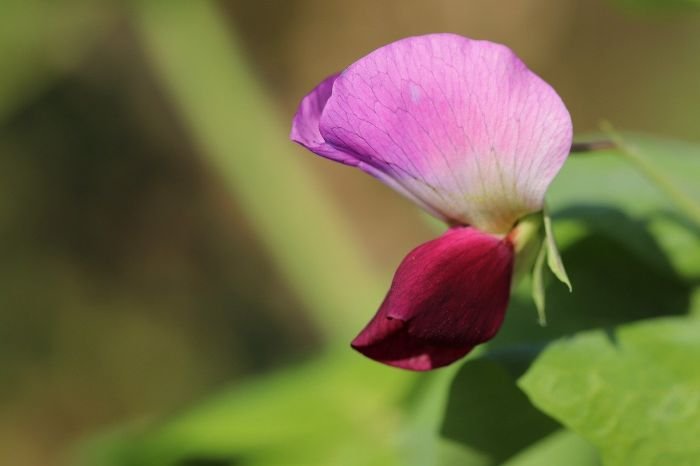
Pollination is very important for pea plants to make new pods. It’s when pollen moves from the flower’s male parts to the female parts. This can happen by the wind, insects, or by the plant itself. Good pollination makes healthy peas.
Factors Influencing Flowering Success
Many things can help pea plants flower well. This includes how warm, moist, and bright it is. Having enough sun, not too hot, and pollinators around make flowering and making pods easier.
Pod Development
Peas start as flowers and then turn into pods. This change is very exciting. The plant starts to focus on making pods once the flowers start to fade. This marks the beginning of your pea harvest. Knowing how pods grow well is key to a good harvest.
Transition from Flowers to Pods
When flowers fade and fall, the pea plant starts making pods. This means the flowers have been pollinated. The plant is now making pods that will hold the peas. It’s a thrilling step towards getting peas from your own garden.
Optimal Conditions for Pod Formation
Pods need the right environment to form. Make sure your pea plants get:
- Lots of sunlight – Peas grow best in full sun. They need 6-8 hours of sunlight every day.
- Regular watering – Water them often but not too much. The soil should be moist, not soaking.
- Nutrients – Use balanced fertilizer for good pod growth. Follow the advice of a gardening expert or the instructions on the fertilizer.
- No weeds – Keep the area around your pea plants clean. This stops weeds from taking away nutrients and water.
Signs of Healthy Pod Development
Knowing what to look for in pods tells you how well your peas are growing. Look for these signs:
- Firm peas – Pods should be firm but a bit soft. They should press in a little when you squeeze them.
- Bright green color – Bright green pods are good to eat. This color shows they are fresh and ready.
- Pod size – Pods get bigger as they grow. Know how big your pea pods should get. This helps you see if they are growing right.
- Lots of pods – Seeing many pods means your plants are growing well. This is a good sign.
Watching for these signs helps you track your pea plants’ growth. It makes sure you’re on your way to a great pea harvest.
Maturation and Harvesting
Once the pods have fully developed, you should think about harvesting your pea plants. Knowing the different stages of pod maturation is key. This ensures you pick your peas at the best time for great taste and texture.
Understanding Pod Maturation Stages
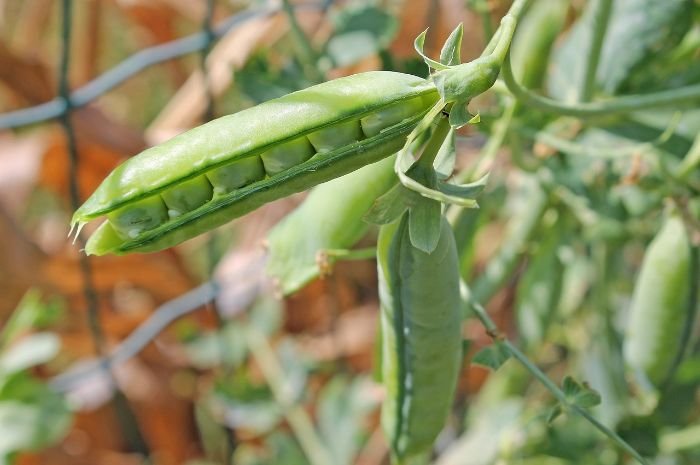
The maturing of pea pods takes time and goes through several stages. It starts when the pods are full size. Then, the peas inside mature and get firm. Watching the pod’s color, texture, and size guides you. It shows when they are perfect for picking.
Best Practices for Harvesting Peas
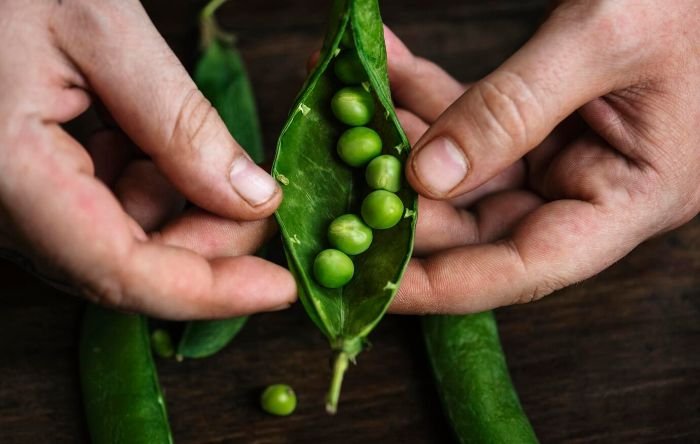
Harvesting peas carefully keeps them in good shape. To pick them, softly hold the stem at the bottom of the pod. Then, pull it off. Avoid pulling too hard. This could harm the plant.
- Harvest the pods when they are big and bright green.
- Hold the stem of the pod firmly and snap it away from the plant.
- If the peas are small or not fully mature, wait a few days before collecting them.
- Don’t harvest pods that are very mature, the peas might be too starchy.
Post-Harvest Handling and Storage
After pulling your peas, taking care of them right is crucial. This keeps their quality and freshness.
- Take out any pods that are damaged or discolored.
- Gently wash the pods with cool water to clean them.
- Put the peas in a bag with holes or a container in the fridge. They can last a week this way.
- If you have a lot of peas, think about blanching them and then freezing. This keeps them good for longer.
By keeping to these steps, you can savor the great taste of freshly picked peas for a long time.
Maintaining Plant Health
Keeping your pea plants healthy is key to their growth. You need to give them the right nutrients and water. And you also have to manage pests, diseases, and care for them throughout the year.
Nutrient and Watering Requirements
Pea plants need good nutrition to grow well. If they lack nutrients, they won’t grow or produce pods. Use a balanced fertilizer made for veggies. Be careful not to use too much, though.
Pea plants also need plenty of water. Keep the soil moist but make sure it’s not too wet. Overhead watering should be avoided as it can spread diseases. It’s better to water at the plant’s base.
Pest and Disease Management
Pea plants can get attacked by bugs and sickness. Look out for pests like aphids and diseases like pea blight. Use safe insect killers or good bugs to protect your plants.
To keep diseases under control, make sure your plants have space to breathe. Don’t overwater them. Take out any sick plants quickly. Choose pea types that don’t get as sick.
Seasonal Care Routines
Don’t forget your pea plants need care all year round. Trim away the dead leaves and improve plant airflow. Check their supports to keep them strong.
In hot months, shield your plants from the sun. Use shade cloth or plant bigger plants around them for cover. Watch your plants for drying out and give them more water if they need it.
Following these tips will keep your pea plants healthy and productive. You’ll enjoy a great harvest when you take good care of them.
Troubleshooting Common Issues
Growing pea plants can be tricky. Many problems might come up as they grow. It’s key to spot and fix these issues fast to keep your pea plants healthy and growing well. We’ll talk about common problems and give tips to beat them.
Identifying and Addressing Growth Problems
Keep an eye on your pea plants’ growth carefully. Look out for any signs that they might not be doing well. Things like not getting enough nutrients, too much or too little water, stress from their environment, or not being planted right can slow their growth. What to watch for:
- Small or stunted plants
- Leaves turning yellow or wilting
- Not much flower or fruit on the plants
- Strange colors or spots on leaves
- Bugs eating the plants
Act fast if you spot any of these issues. Change how you care for your plants, fix their food, water them better, get rid of bugs, or make their environment better. It’s also smart to ask gardening pros or your local plant experts for help if you’re not sure what to do.
Solutions for Pest and Disease Control
Bugs and diseases are a big problem for pea plants. It’s important to protect your plants from these threats. Here’s what you can do:
- Use integrated pest management (IPM) practices. These include preventing bugs with certain plants, using natural enemies of pests, and only using bug sprays when necessary.
- Think about putting plants next to your peas that keep bugs away or that bring in helpful bug-eating creatures.
- Check your plants often for bug or disease signs. Act quickly if you see anything wrong to stop it from getting worse.
- Keep your garden tidy. Pick up leaves, weeds, and old plant bits to stop bugs and diseases from making your garden their home.
- Use natural bug controls like neem oil, soaps, or good bugs to protect your plants without hurting helpful insects.
Preventative Measures for Healthy Plants
Preventing problems is the best way to keep your pea plants strong and healthy. Do these things to avoid many common issues:
- Give your plants plenty of space. This helps air move and stops diseases from spreading easily.
- Put mulch around your plants. This keeps moisture in, stops weeds, and keeps the soil the right temperature.
- Always water your plants well, and not too often. This helps their roots grow deep and stay healthy.
- Change where you plant peas every year. This stops pests and diseases from building up in the soil.
- Feed your plants the food they need. A good mix of food helps them grow and makes them strong against problems.
Doing these things ahead of time will give your plants a good place to grow. It makes it less likely they’ll have problems and keeps them healthy as they grow.
Conclusion – Growing Successful Pea Plants
Growing great pea plants means knowing how they grow and taking good care of them. Make sure to follow the steps from planting to harvesting. This way, your pea plants will be healthy and give you lots of peas.
Choose the best types for your garden and get the soil ready. Give the plants what they need to start growing and help them climb. Keep them healthy by giving them the right food and water. Also, protect them from bugs and diseases to help them grow well.
Stick to these tips, and your peas will do great. You’ll love picking your own peas and eating them fresh.
FAQ
What are the different growth stages of pea plants?
Pea plants grow through several stages. These include germination, vegetative growth, and flowering. They then form pods, mature, and are ready for harvest.
Why is it important to understand the growth stages of pea plants?
Knowing pea plants’ growth stages helps in taking good care of them. By understanding each stage, we can ensure they grow well and give a good harvest.
What is the process of planting pea seeds?
To plant pea seeds, choose the best types for your area. Then, prepare the soil and make sure it’s the right temperature and depth for the seeds.
How should I prepare the soil and plant the pea seeds?
Get the soil ready by taking out weeds and adding things like compost. Make sure the soil is loose. Plant the seeds at the right depth and space them well.
What are the optimal conditions for germinating pea seeds?
Pea seeds need cool, well-drained soil and enough water to germinate. They should get plenty of sunlight for best results.
What is the timeline for germination and the early seedling stage of pea plants?
After planting, pea seeds usually sprout in 7 to 14 days. Once they’ve sprouted, they start as seedlings, which takes 2 to 4 weeks.
What factors can influence successful flowering in pea plants?
The right temperature, light, moisture, and pollinating insects are key for pea plants to make flowers well.
How can I determine the right time to harvest peas?
Harvest peas when their pods are full, firm, and green. Doing this at the right time ensures they’re tasty and fresh.
What are some solutions for pest and disease control in pea plants?
Rotate crops, grow companion plants, and use natural bug killers to fight back pests and diseases. Check plants often for trouble signs.