

Are you ready to learn how to grow the perfect garlic? From planting the cloves to harvesting, every step matters. This article is for everyone, whether you’re experienced or a beginner. We will teach you all about each stage of garlic growth. You’ll learn everything needed for a big and healthy harvest.
Key Takeaways:
- Understanding the different stages of garlic growth is crucial for maximizing yield and quality.
- Each stage of garlic growth requires specific care and attention to ensure optimal plant health.
- Proper selection of garlic varieties, preparation of the soil, and planting techniques are essential for a successful start.
- Providing ideal conditions during the germination and early growth stage sets the foundation for healthy garlic plants.
- Vigilance in managing pests, diseases, and growth abnormalities is key to ensuring healthy garlic growth.
Table of Contents
About Garlic Growth Stages
Growing garlic is rewarding but needs understanding of its growth stages. Knowing these stages helps your garlic plants grow well. This part gives the importance of knowing garlic growth and outlines its growth cycle.
The Importance of Understanding Garlic Development
It’s key to know how garlic grows for it to be a success. Each stage needs certain care to be healthy and give lots of garlic. Knowing how garlic grows helps you take care of your plants the right way.
Overview of Garlic’s Growth Cycle
Garlic has stages from planting to harvesting that lead to a mature bulb. Let’s dive into these growth stages:
- Planting Stage – This begins the growth cycle. Pick the right garlic, prepare the soil, and plant correctly.
- Germination and Early Growth – Cloves start to grow and get roots. Good moisture, temperature, and care are crucial for healthy growth.
- Vegetative Growth Stage – This is when leaf and photosynthesis happens. Giving the right nutrients, water, and care makes strong leaves.
- Clove Differentiation – Cloves start to form in the garlic bulb. Planting, environment, and care affect how many and how big the cloves are.
- Bulb Development and Maturation – Garlic bulbs grow big before being picked. They need nutrition, sunlight, and water for good flavor and shape.
- Harvesting Garlic – The last stage is when you pick the garlic. Knowing when to pick and how to pick, and handle them later, keeps the garlic good.
Getting to know each garlic growth stage helps make a successful harvest. Next, we will look at each stage more closely, with tips and tricks for growing garlic.
Planting Stage
The step of planting garlic is very important. It sets the stage for a good harvest. Choosing the right garlic kinds, getting the soil ready, and planting correctly make a big difference.
Selecting the Right Garlic Varieties
Think about your weather and what you’d like in the garlic. Many kinds are out there, each with a unique taste and look. Are you looking for bold flavors like Rocambole? Or maybe smooth ones like Silverskin?
Preparing the Soil for Planting
Good soil makes the best growing spot for garlic. Make sure it’s not too wet by improving the drainage. Mix in compost to make the soil rich. Test the soil to see if there’s anything more your garlic might need.
Planting Techniques for Optimal Growth
How you plant the cloves makes a big impact. You want them a few inches in the ground, with the pointy side up. Space them out just right, about 4-6 inches away, for them to grow big. Don’t forget to mulch after planting. It keeps the ground moist, stops weeds, and keeps the temperature even.
Germination and Early Growth
Growing garlic starts with germination and early growth. This time is very important for young garlic plants. It sets the ground for a good harvest. Knowing how germination works, taking care correctly, and solving common problems are vital.
Germination Process and Initial Sprouting
Garlic germinates when cloves start sprouting and get roots. It needs the perfect environment for this to happen. Right moisture and temperatures between 50°F to 70°F are best. Plant garlic cloves pointed side up, 2 inches deep in soil that drains well.
Early Care Tips for Young Garlic Plants
Youthful garlic plants need special care to do well. Keeping the soil moist is key, but don’t overdo it to prevent rot. Weeding often ensures they don’t fight for nutrients.
It’s essential to safeguard them from pests and sickness. Mulch with straw to stop weeds and hold moisture. Watch for bugs like aphids and take fast action. Using natural predators can also help.
Common Issues During Early Growth
Garlic can face some common problems early on. Fungal diseases and lack of nutrients are big ones. Good air flow and enough space between plants can stop some diseases. Regular soil checks and the right fertilizers prevent nutrient shortages.
Pests like onion maggots are also a danger. Keeping an eye out and using covers or organic bug killers can protect the plants.
Knowing how to start and care for garlic early is crucial. This work leads to strong, tasty garlic crops.
Vegetative Growth Stage
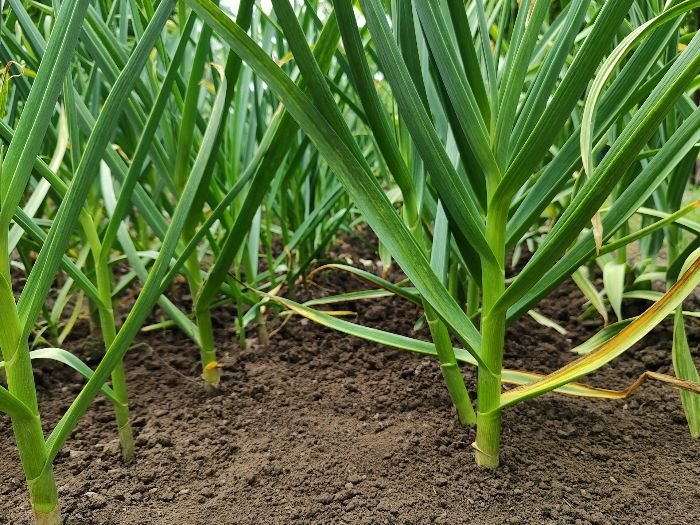
The vegetative growth stage is important for garlic plants. This phase focuses on leaf development and photosynthesis. Light is captured by leaves and turned into energy for the plant.
Leaf Development and Photosynthesis
Leaf growth is crucial now. Many leaves cover the plant, soaking up the sun. This process, photosynthesis, turns sunlight into plant food.
Photosynthesis makes glucose and oxygen. This energy powers the garlic plant’s bulb growth. So, the leaves’ work is vital here.
Nutrient and Watering Requirements
Proper nutrients and water are vital now. Garlic needs a mix of nutrients for strong growth. So, nutrient management is key.
Garlic needs nitrogen, phosphorus, and potassium for its leaves, roots, and health. Using the right fertilizers is essential. This helps the plant grow well.
Just enough water keeps garlic strong. But too much can harm the roots. Always make sure the soil drains well to keep plants healthy.
Ensuring Healthy Vegetative Growth
To grow well, watch for nutrient problems and water carefully. Remove weeds that steal from the garlic. This keeps your plants strong.
Weeds hurt garlic by taking its resources. Without competition, garlic can grow better. So, keep the area around your plants clear.
Giving the right care means healthy leaves and, later, bulbs. This care is the foundation for a great garlic harvest.
Clove Differentiation
Understanding Clove Formation
Clove differentiation is a key step in garlic growth. It’s how individual cloves form in a garlic bulb. This step is crucial for a good garlic crop yield and quality.
Factors Influencing Clove Differentiation
Many things affect how cloves grow in garlic. Factors like how close the cloves are planted, the weather, and the garlic’s genes matter a lot. By thinking about these factors, farmers can change the size and number of cloves. This makes the crop better and helps them get the right garlic bulb type.
Care Tips During Clove Differentiation
Special care helps cloves grow well in garlic. Giving cloves enough space lets them get bigger in the bulb. Taking out the flowering shoots, called scapes, also helps the cloves grow better. Using the right plant food makes a big difference too. With these tips, farmers can grow great garlic crops.
Bulb Development and Maturation
Garlic moves from forming cloves to growing bulbs in this stage. Before harvest, this is a key time for garlic. It decides how good the bulbs will taste and look.
Transition from Clove Differentiation to Bulb Growth
The energy of the garlic plant shifts from making cloves to bulbing. Watching this change is crucial for the best bulbs. By focusing nutrients on the bulb, it gets bigger and matures.
Ideal Conditions for Bulb Maturation
For bulbs to mature well, they need the right environment. It’s important to balance food, sunlight, and water for garlic. This helps the bulb grow healthy and strong.
Signs of a Mature Garlic Bulb
Knowing when a garlic bulb is ready to harvest is important. A mature bulb has dry, papery skin and brown leaves. It feels firm and has finished growing.
Harvesting Garlic
Harvesting garlic at the right time is key for good quality and flavor. Check the color and condition of the leaves. Understand when your garlic is ready to pick.
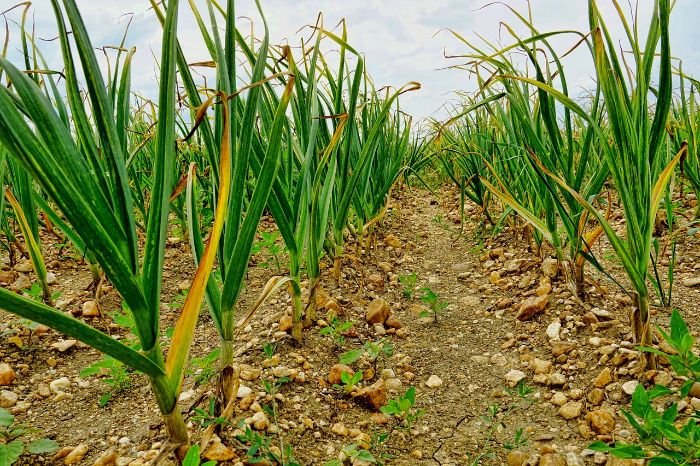
Looking at the leaves can tell you when it’s time. The leaves will start to turn yellow and brown. This shows the plant is focusing on making the bulbs bigger. Also, the lower leaves will dry out. This means your garlic is almost ready to harvest.
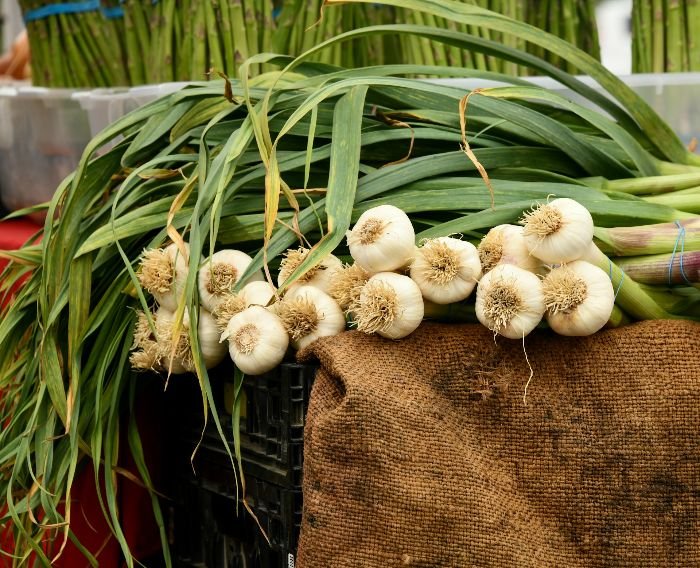
Handle the bulbs carefully when harvesting. First, loosen the soil around them. Use a garden fork or shovel for this. It makes lifting the bulbs easier without damaging them.
Next, lift the bulbs gently by the leaves. Make sure not to pull too hard. Keeping the foliage with the bulb helps it stay undamaged.
To prepare the garlic for storage and better taste, first clean the bulbs. Remove the extra soil by gently brushing it off or rinsing with water. Cut the roots and some of the leaves, leaving an inch above the bulb.
Now, it’s time for curing. Curing means drying the bulbs the right way. Hang them in a place with good air flow, but not in direct sunlight. Let them dry for two to four weeks. This makes them taste better.
After curing, you can store the garlic. Keep it in a cool, dry spot with air circulation. Well-dried and stored garlic lasts for months. Enjoy the taste long beyond the harvest season.
Troubleshooting Common Issues
Garlic farming can be hard, with growers facing several problems. These problems can harm their plants. Let’s talk about spotting and dealing with pests and diseases. We will also touch on growth issues and how to stop them before they start.
Identifying and Managing Pests and Diseases
Pests and diseases can badly hurt garlic plants. Some usual pests are aphids, nematodes, and bulb mites. Keep an eye on your plants. Look for small bugs, weird leaves, or if plants are dying. This might mean there’s a pest issue.
For handling pests, use good bugs like ladybugs to eat aphids. You can also control nematodes by changing what you plant. Always remove sick plants. For bulb mites, get rid of bad bulbs. Use natural bug killers if needed.
Many diseases also like to attack garlic, such as white rot and garlic virus. Look out for yellow leaves or spots. Always keep your garden clean. And switch where you plant things to avoid spreading diseases.
Good soil and not too much water can keep diseases away. And sometimes, you might need to use treatments to fight diseases off.
Addressing Growth Abnormalities
Do your garlic bulbs look wrong? Like they’re too small or not a good shape? There could be lots of reasons for this. It might be that they’re not getting the right nutrients. Or maybe the weather isn’t good for them.
Get your soil checked. This will show if the soil is missing any important nutrients. Adding stuff like compost and the right fertilizers can help.
Weather is a big deal for garlic. Too hot, cold, or wet can all be bad. Make sure your garlic gets what it needs to grow right. This might be more shade, water, or less water.
Some bulb shape issues are from how you care for your plants. How you space them or if you cut off flowering stems can matter a lot. Do these things well for big, healthy bulbs.
Preventative Measures for Healthy Growth
Trying to avoid problems with garlic is better than fixing them later. There are things you can do before that to keep your garlic crop well.
Here are some steps to prevent problems:
- Choose types of garlic that fight diseases better.
- Change where you plant things to stop diseases from growing in the soil.
- Always get rid of sick plants.
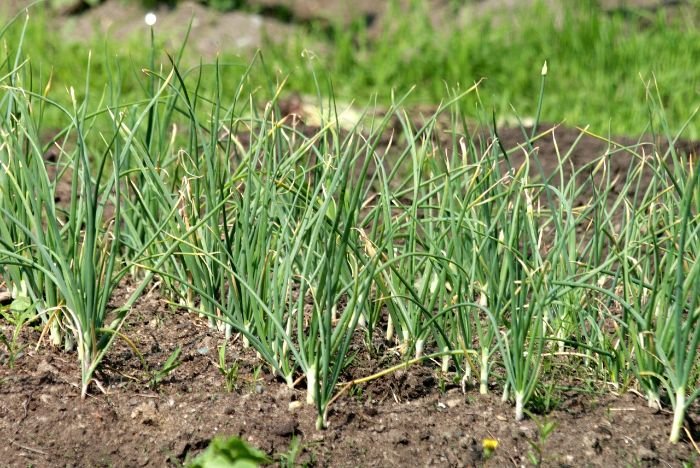
- Leave enough space around garlic plants for air to move. This stops diseases spreading.
- Keep your soil healthy with things like compost and regular checks.
- Check your plants often for signs of pests or diseases. Act fast if you see something wrong.
Following these steps can make your garlic garden a healthier place. It can cut down on many common issues.
Storing and Using Harvested Garlic
Best Practices for Storing Garlic
Storing garlic the right way keeps its taste, quality, and lasts longer. Use these steps to keep your garlic fresh:
- Dry the garlic in a cool, airy place for 2-3 weeks. This makes the outside hard. It makes the taste better and helps it store well.
- Cut off the roots and leaves after drying, but keep some stem. This stops too much dryness and stops mold.
- Keep the garlic in a cool, dry place. The best spot is around 50°F, with 40-60% humidity. Don’t put it in the fridge as it might start growing early.
- Put the garlic in mesh, paper, or baskets to let air pass. Don’t use plastic, it keeps moisture in and spoils the garlic.
- Look at the garlic often for rot or sprouting. Throw out pieces that look bad to stop the damage from spreading.
Creative Ways to Use Fresh Garlic
Garlic can really jazz up your food. Here are some fun ways to use it:
- Throw some minced or crushed garlic in sauces and dressings for big flavor.
- Bake whole garlic bulbs for a tasty spread. Perfect for bread or with meats.
- Sauté garlic in olive oil for tasty veggies, stir-fries, or pasta.
- Make your own garlic butter by mixing minced garlic and butter. It’s great on bread or veggies.
- Infuse olive oil with garlic for cooking or to top salads and vegies.
Conclusion – Mastering Garlic Cultivation
Garlic cultivation needs time, experience, and hard work. Growers must follow each stage of the plant’s growth to get lots of garlic.
Each stage has its own challenges and chances to do well. If you care for the garlic plants well and understand how they grow, you’ll see good results.
This guide offers the knowledge needed to grow garlic successfully. With this information, growers can start their journey feeling sure and look forward to a great harvest.
FAQ
Why is understanding garlic development important?
Knowing about garlic’s growth is key for a good harvest. Each stage needs specific care for the best results.
How do I select the right garlic varieties for planting?
Pick garlic types that fit your climate and what you want. This choice is essential for a good harvest.
How should I prepare the soil for garlic planting?
To get the soil ready, make sure it drains well and add organic matter. Fixing any lack of nutrients is also important. This preps the soil for healthy garlic.
What are the planting techniques for optimal garlic growth?
When planting garlic, space the cloves right and plant them deep enough. This helps the roots grow strong and the bulb develop well.
What are some common issues that may arise during early growth?
Early growth problems can include infections, not enough nutrients, and bugs. Find and deal with these issues early to help your garlic grow well.
How can I ensure healthy vegetative growth in garlic?
Making sure the plant gets all the nutrients it needs and enough water is key. Keeping weeds away helps a lot. A big leaf cover means the bulb will grow well.
What factors influence clove differentiation in garlic?
Bulb looks, like size and shape, are influenced by planting, the area, and genetics. Growers use these to get the best cloves and the most garlic.
What are the signs of a mature garlic bulb?
When the bulb is ready, the outside looks dry and paper-like, the leaves are brown, and the cloves are solid. These signals show it’s time to pick.
How do I store harvested garlic?
To store garlic well, clean it up, let the bulbs dry, and store them somewhere cool and dry. This keeps the garlic tasty and good to sell.
How should I store garlic for long-term use?
For long use, cure the garlic, cut the roots and leaves, and keep it in a cool, dry place. This keeps the garlic tasty and ready to cook with.