
Updated April 24, 2026
Green bean growth stages move quickly, and the harvest window is narrower than most gardeners expect. A pod that feels smooth and crisp on Tuesday starts pushing visible seed bumps by Friday in warm weather. Once that happens, the plant has shifted from making a tender snap bean to filling seed.
A green bean plant should be read through more than height. Watch the seed leaves, the first trifoliate leaves, the flower clusters, the tiny pods after bloom, and the change from smooth pod walls to swollen seed outlines. Those signals tell you when to water, when to support vines, and when to pick before flavor and texture slide.
Green bean plant growth stages include germination, emergence, seedling growth, trifoliate leaf expansion, flowering, pod set, pod elongation, snap harvest, and seed maturity. Bush beans often reach first harvest in about 50-60 days; pole beans usually start later and continue producing longer.
Green Bean Growth Stages At A Glance
| Stage | What You See | What The Plant Needs | Harvest Meaning |
|---|---|---|---|
| Germination | Seed swells, root emerges, shoot arches upward | Warm soil, even moisture, no crust | No harvest; protect the seed zone |
| Emergence | Cotyledons and first simple leaves open | Gentle watering and shallow weed control | Plants are vulnerable to cutworms and rot |
| Trifoliate growth | Three-part leaves stack along the stem | Sun, root room, and support for pole beans | Canopy is building the future pod load |
| Flowering | White, pink, purple, or yellowish flowers appear at nodes | Consistent root-zone moisture and moderate heat | Pod count is being decided |
| Pod set | Tiny green pods form behind spent flowers | Water before leaves flag and avoid wet foliage | Harvest is close, especially in hot weather |
| Snap harvest | Pods are full length, smooth, firm, and seeds do not bulge | Pick every 1-2 days during peak production | Best eating quality and more pod production |
| Seed maturity | Pods toughen, yellow, dry, or rattle | Dry weather and airflow | Use for shelling or dry beans, not tender snaps |
Table of Contents
Germination And Emergence – Soil Warmth Starts The Clock
Green bean seeds do not like cold soil. Beans should be planted after soil warms above 60 F, and that threshold explains many failed early sowings. In cold, wet ground, the seed coat softens slowly, oxygen drops around the seed, and soil fungi gain time to attack before the radicle pushes out.
Germination starts with imbibition, the movement of water into the dry seed. The seed swells, enzymes wake up, stored starch converts into usable sugars, and the embryonic root breaks through the seed coat. Push a finger into the row before watering. Good germination soil feels cool and evenly damp, not shiny, sticky, or sour-smelling.
Most snap bean seeds emerge in 6-10 days in warm soil. The first sign is a bent, pale green hook pulling the cotyledons upward. The seed leaves open thick and rounded, then the first simple leaves unfold above them. This early period moves through emergence and cotyledon stages before the plant begins stacking trifoliate leaves.

Planting depth matters because beans use epigeal emergence: the stem has to pull large cotyledons through the soil surface. Heavy crusted soil fights that lift. A row that dries into a hard cap after rain will produce crooked seedlings, broken necks, and gaps that look like poor seed quality.
Pro Tip: After a storm, press one finger across the seeded row. If the surface gives a hard shell and your fingertip leaves no print, mist or sprinkle lightly and break only the top crust with your fingers. Do not dig into the seed line.
Seedling And Trifoliate Growth – Leaves Build The Pod Factory
The seedling stage ends fast. Once the unifoliate leaves open, the plant begins making its own sugars through photosynthesis. The next leaves are trifoliate, with three leaflets per leaf, and each new node adds more photosynthetic surface for the pod load that comes later.
At this stage, roots are expanding in two directions: one taproot reaches down, and lateral roots spread near the surface. Beans form a deep taproot with lateral roots close enough to the surface that deep cultivation damages plants. Weed early, weed shallow, and stop scraping the row once stems thicken.

Nodules begin forming on roots when Rhizobium bacteria colonize root hairs. Inside active nodules, bacteria convert atmospheric nitrogen into plant-available forms in exchange for sugars from the bean plant. Beans still need fertile soil; they do not need heavy nitrogen feeding. Too much nitrogen pushes leaves at the expense of flowers.
Pole beans need support before the vines start reaching. Install trellises at planting or by the first trifoliate stage, because later posts and strings tear roots. Bush beans stay lower and set pods in a shorter wave; pole beans keep stretching, flowering, and setting pods along the climb.
The visual signal for a strong seedling stage is compact growth with leaflets that lie flat and carry a matte green surface. Weak seedlings stretch tall with long spaces between nodes. If stems lean toward light, the bed is shaded too much for a heavy pod crop. Vegetable growth stages follow the same principle: early leaves are not decoration; they are the factory that pays for flowering.
Flowering And Pod Set – Heat And Moisture Decide How Many Beans Form
Green bean flowers arrive at the nodes, tucked close to the stem. Many snap beans are self-pollinating, so they do not need a bee visit for every pod. Growing beans still depends on temperature because hot days and warm nights reduce flower set and lead to fewer pods with smaller beans.
Flowering often begins around 30-45 days after sowing, depending on variety and temperature. Bush beans tend to flower in a tighter flush. Pole beans begin later and keep forming new flower clusters as vines climb. The small white or pale blossoms can be easy to miss until spent petals drop and a tiny pod appears behind them.
Moisture matters most from bloom through pod fill. Water more frequently when pods begin to develop, because the root zone must supply expanding cells inside the pod wall. Dry soil at bloom produces flower drop; dry soil after pod set produces short, lumpy pods.
Probe the soil before the leaves flag. At 3-4 inches deep, the soil should feel cool and hold together under light pressure. If it falls apart into warm grains, water deeply at the base. Wet foliage during bloom raises disease risk, so aim water at soil and let leaves stay dry.
Gardeners often blame poor pod set on a lack of bees, then find the real cause in the weather record: several nights above 75 F, dry soil in the top 4 inches, or a row planted where afternoon heat reflects from a wall.
Pod Formation – What Changes Inside The Pod Each Day
Pod formation is the part of green bean growth that matters most for eating quality. After fertilization, the ovary behind the flower elongates into a pod. Cell division starts the structure; cell expansion fills it with water. That is why pods can seem to appear overnight after a stretch of warm days.
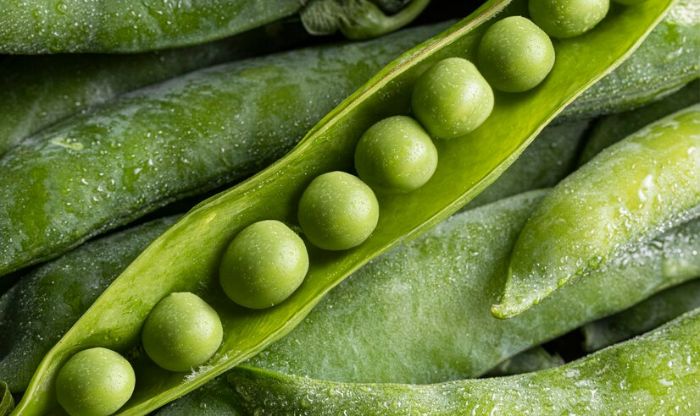
The earliest pods are thin, tender, and flexible. Within days, the pod reaches full length, the walls thicken, and the small seeds inside begin to swell. At the snap-bean stage, the pod wall is still the crop. Once seeds become obvious under the surface, the plant is moving toward reproduction and away from tenderness.
| Pod Signal | What It Means | Best Action |
|---|---|---|
| Thin pod, still soft | Pod has set; length is still building | Wait unless growing filet beans |
| Full length, smooth wall | Prime snap bean stage | Pick for fresh eating |
| Firm pod with faint seed shapes | Late snap stage | Pick now for cooking or freezing |
| Bulging seeds, tougher wall | Snap quality is declining | Use as shelling beans if variety suits |
| Dry, papery pod | Seed maturity | Save or cook as dry beans |
The snap-bean threshold is clear: pick before individual seeds inside the pod bulge. That line is more reliable than length alone because varieties differ. A filet bean picked slender is perfect; the same size on a Romano bean could be far too early and low-yield.
Texture gives the best field cue. A prime snap bean bends with resistance, then breaks cleanly with a crisp sound. The broken edge looks juicy, not dry and pithy. Run a thumb along the pod. Smooth and taut is good; raised seed bumps signal the plant has spent too much energy filling seed.
Water stress during pod formation leaves tracks. Short pods, curved pods, and pods with gaps between developing seeds point to interrupted cell expansion. The fix is not a splash after wilting. Use the soil moisture check before the crop reaches bloom and keep water moving into the root zone during pod fill.
Best Time To Pick Green Beans – Harvest Before Seeds Bulge
The best time to pick green beans is when pods are full length for the variety, firm, smooth, and crisp, with no obvious seed bulges. Pods should be firm, crisp, and fully elongated before the seed inside develops much. That is the snap stage.
Pick in the morning after the foliage has dried. Dry picking matters because bacterial blight and other pathogens move more easily on wet leaves and hands. Picking from wet plants can spread bacterial blight. Wait until dew is gone, then work the row gently.
Use two hands for pole beans and heavy bush plants: one hand holds the stem, the other twists or snaps the pod free. Bean stems are brittle, especially during peak production. A hard pull can break the flowering tip and cost several future pods.

During peak production, inspect plants every 1-2 days. Missed pods push the plant toward seed maturity, and seed development changes hormones and carbohydrate flow. The plant begins feeding seed, not starting more flowers. Regular picking keeps more of the plant’s energy moving into new tender pods.
Pick for use. Fresh eating favors the earliest smooth snap stage. Freezing works well with slightly fuller pods that still have tender walls; freezing vegetables rewards beans that are firm enough to hold texture. Shelling and dry beans need a different calendar, because the seed becomes the crop.
Overmature snap beans are easy to spot: a row full of long pods with visible seed ridges and dull skins. Those pods are not ruined; they no longer eat like snap beans. Pick them off anyway. Leaving them tells the plant its reproductive work is done.
Bush Vs Pole Bean Growth – Same Stages, Different Harvest Rhythm
Bush and pole beans pass through the same biological stages. The rhythm changes. Bush beans grow upright, flower in a shorter span, and produce a concentrated harvest. Pole beans climb, keep adding nodes, and extend flowering and pod set across a longer period.
Snap beans often reach harvest about 50-60 days from direct sowing, while pole beans can fall into a wider 60-110 day range depending on variety and growing pattern. That wide pole range reflects variety choice and ongoing growth. A pole bean row is less like one harvest event and more like a repeating harvest route.
Bush types are shorter plants with first harvest around 50-60 days, while pole types are taller plants with first harvest around 60-70 days. The practical difference appears after first picking. A bush row may give a heavy flush suited to canning or freezing; a pole row gives smaller baskets for a longer stretch.
Support changes pod quality too. Pole beans that climb into sunlight dry faster after rain, keep pods cleaner, and make harvest easier. Unsupported vines fold into a humid mat where leaves shade pods and disease spreads more readily. Put trellises in early and train vines before they tangle.
Succession planting belongs mostly to bush beans. Sow another short row every 2-3 weeks during the planting window if your season allows it. For timing the last sowing, use days to maturity plus your first frost risk. When to plant vegetables by season depends on matching crop duration to the warm days left.
Troubleshooting Green Bean Stages – Fix The Stage, Not The Symptom
Green bean problems make more sense when you connect them to the stage. A seed that rots, a seedling cut at soil level, a lush plant with no pods, and a row full of tough beans are different problems. Treating them all with fertilizer or extra water wastes time.
| Stage | Problem Signal | Likely Cause | Best Response |
|---|---|---|---|
| Germination | Gaps in the row, mushy seed | Cold wet soil or crusting | Replant after soil warms and keep the row evenly damp |
| Seedling | Plants cut at soil line | Cutworms | Scout at dusk and protect new stems |
| Vegetative | Lots of leaves, few flowers | Too much nitrogen or shade | Stop nitrogen feeding and improve sun exposure next planting |
| Flowering | Flowers drop without pods | Heat, dry soil, or poor pollination weather | Water deeply and wait for milder conditions |
| Pod fill | Short, curved, or lumpy pods | Irregular moisture or heat stress | Maintain root-zone moisture before leaves wilt |
| Harvest | Tough pods with seed ridges | Picking too late | Harvest every 1-2 days during peak production |
Pests and diseases matter most when they interrupt the current stage. Bean leaf beetles damage small plants and pods, bacterial blight marks leaves and pods, and white mold can collapse stems during humid flowering weather. A plant that loses leaf area before bloom has less sugar to invest in pods.
Do not work beans wet. That single habit reduces disease spread more than many reactive fixes. If leaves are damp and cool against your wrist, wait. If they feel dry and papery at the edges during midday heat, water at the soil surface and keep foliage out of the spray.
Crop rotation helps when disease repeats in the same bed. Move beans and other legumes away from beds with heavy blight or white mold pressure, and keep old residue out of next year’s seed row. Soil health management for disease prevention matters most when the same crop family keeps returning to the same soil.
When the row stalls, identify which stage failed. Seeds need warmth and oxygen. Seedlings need intact stems and shallow cultivation. Flowers need moderate heat and even moisture. Pods need water before stress shows. Harvest needs your attention every other day.
Conclusion
Green bean growth stages are easiest to manage when you read the plant in order: seed swelling, cotyledons, trifoliate leaves, flowers, tiny pods, smooth snap pods, and finally seed-filled pods. Each stage asks for a different decision.
If the soil is warm, the seed row stays evenly damp, flowers are protected from moisture stress, and pods are picked before seed bulges show, green beans keep their best texture. The success signal is physical: a basket of smooth pods that snap cleanly, with damp green interiors and no stringy pull along the seam.
FAQ
How Long Do Green Beans Take To Grow From Seed To Harvest?
Most bush snap beans reach first harvest about 50-60 days after direct sowing in warm soil. Pole beans often start around 60-70 days, then keep producing longer. Cool soil, shade, drought, and heat during bloom stretch that timeline.
What Are The Main Green Bean Growth Stages?
The main stages are germination, emergence, seedling growth, trifoliate leaf growth, flowering, pod set, pod elongation, snap harvest, and seed maturity. For eating green beans as snap beans, the most useful stages are flowering, early pod set, and the smooth-pod harvest window before seeds bulge.
When Do Green Bean Plants Start Flowering?
Flowering often starts 30-45 days after sowing, depending on variety, soil temperature, and weather. Bush beans tend to bloom in a tighter wave. Pole beans bloom later and continue forming new flower clusters as vines climb.
How Long After Flowers Do Green Bean Pods Form?
Tiny pods usually become visible a few days after flowers open and fade. Warm weather speeds pod elongation, and prime harvest can arrive quickly once pods begin stretching. Inspect plants every 1-2 days after you see the first small pods.
What Is The Best Time To Pick Green Beans?
Pick green beans at the smooth-pod snap stage, before seed ridges show through the wall. Harvest after dew dries and handle stems gently. During peak production, check the row every 1-2 days.
Do Green Beans Keep Producing After You Pick Them?
Yes, if the plant is healthy and pods are removed before seeds mature. Regular picking keeps the plant investing in new flowers and pods. Missed mature pods slow that response because the plant is already feeding seed.
Why Are My Green Bean Flowers Falling Off?
Heat and moisture stress are the usual causes. Hot nights, dry soil during bloom, or reflective heat from walls and pavement reduce pod set. Water deeply at the root zone, mulch the row, and wait for a milder stretch before judging the planting.
Why Are My Green Bean Pods Tough And Stringy?
Tough pods usually stayed on the plant too long. Once seeds swell inside the pod, the wall becomes more fibrous and loses snap quality. Pick all overmature pods anyway, then return to a 1-2 day harvest rhythm during peak production.