





Did you know that eggplants are not just vegetables, but actually classified as fruits? That’s right, these delicious and versatile crops belong to the fruit family. Now, imagine being able to cultivate your own fresh and flavorful eggplants right in your backyard or garden. With the right knowledge and techniques, you can turn this surprising fact into a reality.
In this comprehensive seasonal guide, we will explore the growth and development of eggplants. From seed germination to harvesting, we will provide step-by-step instructions for each stage of the eggplant’s life cycle. By following this guide, you will learn the ideal conditions and care required for successful eggplant cultivation throughout the seasons.
Key Takeaways:
- Eggplants are classified as fruits, not vegetables.
- This seasonal guide will provide step-by-step instructions for eggplant growth and development.
- Learn the ideal conditions and care required for successful eggplant cultivation.
- From seed germination to harvesting, every stage of the eggplant’s life cycle will be covered.
- Cultivate fresh and flavorful eggplants in your own backyard or garden.
Table of Contents
Seed Germination – Laying the Groundwork
Seed germination is a critical stage in the life cycle of eggplants and sets the foundation for their growth and development. By understanding the essential steps and providing the optimal conditions, you can ensure successful germination and get your eggplants off to a healthy start.
Preparing Soil and Ideal Conditions for Seed Germination
Before planting eggplant seeds, it is crucial to prepare the soil properly. Ensure the soil is well-draining, loose, and rich in organic matter. Incorporating compost or well-rotted manure into the soil can enhance its fertility and provide essential nutrients for the seeds’ germination.
When it comes to ideal conditions, eggplant seeds prefer a warm environment with temperatures between 70-85°F (21-29°C). By providing consistent warmth, either through a heated propagator or by placing the seeds in a warm spot, you can promote faster and more uniform germination.
Moisture is another critical factor for successful seed germination. Keep the soil evenly moist, but avoid overwatering, as excessive moisture can lead to fungal diseases. Water the seeds gently with a fine mist or by bottom watering to prevent displacing the seeds or causing soil compaction.
Finally, ensure the seeds are planted at the appropriate depth. Eggplant seeds should be planted approximately ¼ to ½ inch (0.6-1.3 cm) deep. Cover them gently with soil, patting it down lightly to ensure good seed-to-soil contact.
Germination Time Frame and Early Care Tips
Once the seeds are planted in their ideal conditions, germination will typically occur within 7-14 days. However, it’s important to note that germination time can vary depending on factors like temperature and seed quality.
During the germination period, it’s crucial to keep the soil consistently moist. Check the soil regularly and water as needed to ensure it doesn’t dry out. Be careful not to let the soil become waterlogged, as this can suffocate the emerging seedlings. Aim for a balance of moisture that allows the seeds to absorb water while also maintaining good oxygen circulation.
As the seedlings begin to emerge, provide ample light. Place them in a sunny location or under grow lights to ensure they receive 12-14 hours of light per day. If using grow lights, keep them approximately 6 inches (15 cm) above the seedlings to prevent leggy growth.
Once the seedlings have developed their first true leaves, it’s time to thin them out if they are overcrowded. Select the sturdiest and healthiest seedlings, leaving around 2-3 inches (5-7.5 cm) of space between each plant. Thinning allows the remaining seedlings to receive adequate light, air circulation, and nutrients.
With proper soil preparation, ideal conditions, and early care, your eggplant seeds will germinate successfully, giving you a head start in cultivating healthy and productive eggplants.
Seedling Stage – Establishing Roots
During the seedling stage of eggplant growth, proper care and attention are essential to establish strong roots and ensure healthy development. This stage begins once the eggplant seeds have germinated and the seedlings have emerged from the soil.
Transplanting Eggplant Seedlings
Transplanting eggplant seedlings into the garden or containers is a crucial step in their growth journey. Before transplanting, it’s important to prepare the planting site or container by ensuring it has well-draining soil and ample sunlight. Carefully remove the seedlings from their seed trays or pots, being cautious not to damage the delicate roots. Plant the seedlings at a depth that covers the stem up to the first set of true leaves, as this will encourage root development.
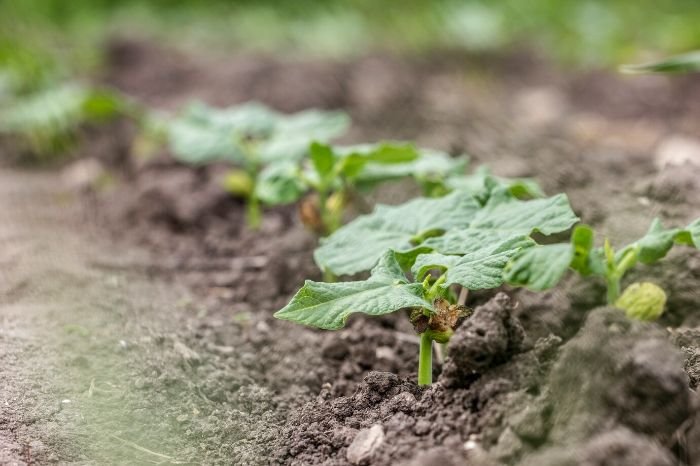
Tip: Transplant eggplant seedlings when they have reached a height of 3-4 inches and have 2-3 sets of true leaves. This typically occurs 6-8 weeks after germination, depending on the growing conditions.
Nutrient Requirements and Watering Schedules
Eggplant seedlings have specific nutrient requirements that must be met for optimal growth. Before transplanting, enrich the soil with well-rotted compost or organic matter to provide a nutrient-rich environment for the young plants. Nitrogen, phosphorus, and potassium are essential nutrients for the seedlings’ development, so consider incorporating organic fertilizers or slow-release fertilizers specifically formulated for vegetable plants into the soil.
Proper watering is crucial during the seedling stage to prevent waterlogged or dry soil, which can harm the young plants. Water the seedlings thoroughly immediately after transplanting and monitor the soil moisture levels. Aim to keep the soil consistently moist but not waterlogged. Watering deeply but infrequently encourages the seedlings to develop deep roots and helps them withstand dry spells.
As the seedlings continue to grow, monitor their nutrient needs and adjust the fertilization and watering schedules accordingly. Regularly check the soil moisture levels by inserting your finger into the soil up to the second knuckle. If the soil feels dry at this depth, it’s time to water.
Tip: Avoid overhead watering to minimize the risk of fungal diseases. Direct the water at the base of the plants to prevent the foliage from getting wet.
Vegetative Growth – Building the Framework
In the vegetative growth stage, eggplants establish a strong framework for future development. During this phase, it is crucial to provide the right conditions to ensure healthy growth and robust plants.
Sunlight and Temperature Needs
Eggplants thrive in warm, sunny environments. They require full sun exposure for at least 6-8 hours a day. Ensure that your eggplants receive ample sunlight by selecting a sunny location in your garden or using grow lights indoors.
Temperature is also a critical factor for eggplant growth. These plants prefer temperatures between 75-85°F (24-29°C) during the day and 65-75°F (18-24°C) at night. Keep in mind that eggplants are sensitive to cold weather, so protect them from frost and provide a warm and stable environment.
Pruning and Training Eggplants for Optimal Growth
Pruning eggplants is an essential technique for promoting healthy growth and maximizing yield. Remove any damaged, diseased, or leggy growth to redirect the plant’s energy towards productive foliage and fruit development.
Training eggplants involves providing support and structure to the plants so they can grow upright and reduce the risk of breaking under the weight of heavy fruits. Use stakes, cages, or trellises to train the main stem and branches to grow vertically. This also improves air circulation around the plant and prevents diseases.
Flowering Stage – Setting the Stage for Fruiting
The flowering stage is a critical phase in the growth of eggplants, as it lays the foundation for the production of fruits. During this stage, the plant transitions from vegetative growth to reproductive growth, with the emergence of beautiful and delicate flowers.
Enhancing Flower Formation with Proper Care
To optimize flower formation in eggplants, it is important to provide the plant with proper care and attention. Here are some key tips to enhance flower formation:
- Provide Adequate Sunlight – Eggplants thrive in full sunlight, so ensure that they receive at least 6-8 hours of direct sunlight daily. This helps stimulate flower production and overall plant health.
- Maintain Optimal Temperature – Eggplants prefer warm temperatures between 70-85°F (21-29°C) during the flowering stage. Avoid exposing them to extreme heat or cold, as it can hinder flower development.
- Ensure Sufficient Watering – Proper watering is crucial for promoting flower formation. Eggplants require consistent moisture in the soil, so water regularly, keeping the soil evenly moist but not waterlogged.
- Apply Balanced Fertilizer – A balanced fertilizer with equal ratios of nitrogen, phosphorus, and potassium can encourage healthy flower development. Apply the fertilizer as directed, avoiding excessive use that may lead to excessive vegetative growth instead of flowering.
- Avoid Nitrogen-Heavy Fertilizers – Excessive nitrogen can promote lush foliage at the expense of flowers. Opt for a fertilizer specifically formulated for flowering plants or use a lower-nitrogen fertilizer during the flowering stage.
By implementing these care practices, you can enhance flower formation in your eggplants, setting the stage for abundant fruiting.
Pollination Tips to Ensure Fruit Set
Pollination is a crucial step in the eggplant’s journey from flower to fruit. Here are some tips to ensure successful pollination and optimal fruit set:
- Encourage Pollinator Presence – Pollinators such as bees, butterflies, and other insects play a vital role in pollinating eggplant flowers. Create an inviting environment by planting nectar-rich flowers nearby to attract pollinators.
- Hand Pollination – In the absence of sufficient natural pollinators, you can manually assist the pollination process. Gently brush the stamen (male reproductive organ) of a fully open flower and transfer the pollen to the stigma (female reproductive organ) of another flower.
- Timing Matters – Pollination is most effective when flowers are fully open. The stigma is most receptive during the morning hours, so try to perform hand pollination during this time for optimal results.
- Remove Obstacles – Ensure that there are no physical barriers hindering pollinators’ access to the eggplant flowers. Remove any excess foliage or dense growth that may obstruct their movement.
Pro Tip: You can use an electric toothbrush to gently vibrate the flowers, mimicking the movement of natural pollinators. This can help dislodge pollen and improve pollination rates.
By implementing these pollination tips, you can increase the chances of successful fruit set and enjoy a bountiful harvest of delicious eggplants.
Fruiting and Harvesting – Reaping the Rewards
The fruiting and harvesting stage of eggplant growth is an exciting time for gardeners. After patiently nurturing your eggplants from seedlings to the flowering stage, it’s finally time to reap the rewards of your efforts. In this section, we will discuss the signs of fruit maturity and the ideal timing for harvest. We will also provide best practices for post-harvest handling and storage to ensure the quality and prolong the shelf life of your freshly harvested eggplants.
Signs of Fruit Maturity and Harvest Timing
Identifying the signs of fruit maturity is essential to achieve optimal flavor and texture in your harvested eggplants. Here are some indicators to look for:
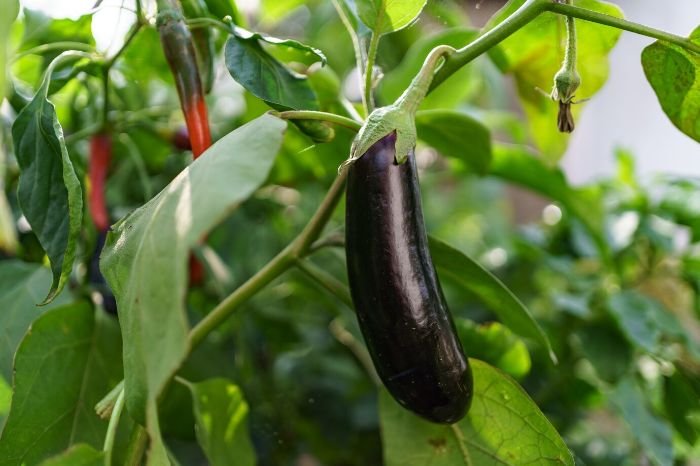
- Color – Ripe eggplants typically have a glossy, deep purple or dark purple color. However, depending on the variety, the color may vary, so refer to the specific cultivar’s characteristics.
- Texture – Gently press the fruit with your finger. If it springs back and leaves no indentation, it indicates that the eggplant is not yet mature. But if the flesh feels firm, yet slightly yielding, it is ready for harvest.
- Size – The size of the eggplant will also provide clues to its maturity. Check the expected size of the variety you are growing and harvest when the fruit reaches that typical size.
Harvest timing is crucial to ensure the best flavor and texture of your eggplants. Harvest too early, and the fruit may be underdeveloped and lack sweetness. Harvest too late, and the eggplant may become overripe, resulting in a bitter taste and tough texture. Regularly inspect your plants and harvest the fruits as they reach the desired maturity to enjoy the best culinary experience.
Post-Harvest Handling and Storage Practices
Proper post-harvest handling and storage practices play a vital role in preserving the quality and freshness of your harvested eggplants. Follow these guidelines to ensure your eggplants stay in optimal condition:
- Handle with Care – When harvesting, gently cut the eggplant from the plant using a sharp knife or pruning shears. Avoid dropping or mishandling the fruit to prevent bruising.
- Remove the Stem – After harvesting, remove the stem by twisting or cutting it close to the fruit’s cap. Leaving the stem attached can lead to faster decay.
- Cleaning – If the eggplant has visible dirt or debris, gently wipe it with a damp cloth. Avoid washing the eggplant, as excess moisture can accelerate spoilage.
- Storage – Store harvested eggplants in a cool and well-ventilated place to maintain their freshness. A temperature between 50°F to 55°F (10°C to 13°C) is ideal. Avoid storing eggplants in the refrigerator, as they are sensitive to cold temperatures and may develop chilling injuries.
- Use within a Week – Eggplants are best consumed within a week of harvesting. They tend to deteriorate quickly, so plan your meals accordingly to enjoy them at their peak flavor.
By following these fruit maturity signs, harvest timing guidelines, and post-harvest handling practices, you can ensure that your eggplants maintain their quality, freshness, and taste. With proper care and attention to detail, you’ll be able to enjoy the rewards of your successful eggplant harvest for a variety of delicious culinary creations.
Conclusion
In conclusion, this seasonal guide has provided a comprehensive overview of eggplant growth and development. From seed germination to fruiting and harvesting, each stage has been explored in detail, offering valuable guidelines and tips for successful cultivation. By following these instructions, you can ensure the health and productivity of your eggplants throughout the seasons.
Remember, the key to a thriving eggplant garden lies in creating an ideal environment for their growth. By preparing the soil, providing the right amount of water and nutrients, and maintaining optimal sunlight and temperature conditions, you can support robust vegetative growth and encourage prolific flower formation.
Furthermore, proper pollination techniques will increase the chances of fruit set, leading to a plentiful harvest. Pay attention to the signs of fruit maturity and harvest them at the right time for peak flavor and texture. Finally, handle and store the harvested eggplants with care to preserve their quality and extend their shelf life.
We hope this seasonal guide has equipped you with the knowledge and confidence to embark on a successful eggplant cultivation journey. By embracing the joys of gardening and putting these guidelines into practice, may your eggplant garden flourish, bringing you an abundance of delicious and nutritious rewards!
FAQ
What are some tips for preparing the soil and creating ideal conditions for eggplant seed germination?
To prepare the soil for eggplant seed germination, make sure it is well-drained and rich in organic matter. Remove any weeds or debris from the planting area. Eggplants prefer a soil pH of 5.5 to 6.5. Additionally, provide a warm environment with temperatures around 70-90°F (21-32°C) to create ideal conditions for germination.
How long does it usually take for eggplant seeds to germinate? Any tips for early care of the seedlings?
Eggplant seeds typically germinate within 7-14 days. To ensure successful germination, keep the soil moist but not waterlogged. Provide adequate sunlight or supplemental light if growing indoors. Once the seedlings emerge, thin them out to ensure proper spacing and provide good air circulation. Use a well-balanced fertilizer to promote healthy seedling growth.
What are the nutrient requirements and watering schedules for healthy eggplant seedling development?
Eggplant seedlings require a balanced fertilizer with equal amounts of nitrogen, phosphorus, and potassium. Nourish the seedlings every two weeks with a water-soluble fertilizer, following the package instructions. Keep the soil evenly moist but not waterlogged, watering deeply once or twice a week. Avoid overwatering, as it can cause root rot.
What are the sunlight and temperature needs for successful vegetative growth of eggplants? Should I prune and train the plants?
Eggplants thrive in full sun, so provide them with at least 6-8 hours of direct sunlight each day. Optimal temperatures for vegetative growth range from 70-85°F (21-29°C). Pruning and training can help create a productive and well-structured plant. Remove any suckers that emerge in the leaf axils, and train the main stem vertically or use stakes to support the plant’s weight.
How can I enhance flower formation in eggplants? Do I need to worry about pollination?
To enhance flower formation in eggplants, ensure they receive adequate sunlight and consistent moisture. Providing a balanced fertilizer can also promote healthy flower development. Eggplants are self-pollinating, meaning the flowers are capable of self-fertilization. However, you can aid pollination by gently shaking the plants or using a small brush to transfer pollen between flowers.