




Updated April 15, 2026
Eggplant growth stages move from germination and seedling growth through transplant establishment, vegetative growth, flowering, fruit set, fruit enlargement, and harvest. The calendar shifts with cultivar and temperature, so each transition is easier to track by what the plant is doing than by a fixed day count. True leaves mark seedling development, renewed growth marks transplant establishment, flower buds end the vegetative stage, a swelling ovary confirms fruit set, and firm, glossy skin signals the harvest window.
Temperature controls the pace more than the calendar. Cool conditions can stall young plants, while very hot days or unfavorable night temperatures can reduce flowering and fruit set. Fruit development after flowering often takes about three weeks, but cultivar and temperature can stretch the interval from roughly 10 to 40 days. Use the stage sequence below as a planning framework, then confirm each transition from the plant itself.
Eggplant growth stages:
| Growth Stage | Approximate Timing | What to Look For |
|---|---|---|
| Germination | Usually 1-2 weeks in warm seed-starting conditions | Root emergence followed by cotyledons |
| Seedling growth | About 8 weeks indoors before transplanting | Several true leaves and a sturdy stem |
| Transplant establishment | Variable after planting outdoors | New leaf and stem growth resumes |
| Vegetative growth | Several weeks after transplanting | Branching and canopy expansion |
| Flowering and fruit set | Often begins 6-8 weeks after transplanting | Open flowers followed by a swelling ovary |
| Fruit development | About 3 weeks typical; 10-40 days possible | Rapid size increase and cultivar-specific shape and color |
| Harvest | When fruit reaches usable cultivar size | Firm flesh and smooth, glossy skin |
Key Takeaways:
- Transplant after frost danger once nighttime lows stay above 50°F.
- Expect poor flowering during drought, extreme heat, or unfavorable nights.
- Allow about three weeks from flowering to harvest, with wider variation.
- Harvest while fruit stays firm and glossy, before skin turns dull.
- Match cultivar maturity to the length of your frost-free season.
Table of Contents
Soil Temperature and Transplant Timing – The Threshold That Sets the Season
Eggplant seed needs warm conditions to germinate well. University of Maryland Extension lists about 70°F and 5 to 10 days for indoor germination. Consistent warmth matters more than pushing the seed mix to an exact 85°F, and bottom heat can help when the room is cool.
Start seeds indoors about eight weeks before transplanting outdoors. At suitable temperatures, emergence often takes roughly 5 to 10 days, though cooler conditions can slow it. If you are using older seed, sow a few extra or test germination before filling a full tray.
What to Look For Before Transplanting
The transplant window is where temperature matters most. University of Minnesota Extension recommends waiting until nighttime lows are consistently above 50°F. Utah State University advises planting eggplant when soil has warmed to about 60°F. Treat those as practical minimum conditions rather than using a rigid calendar date.
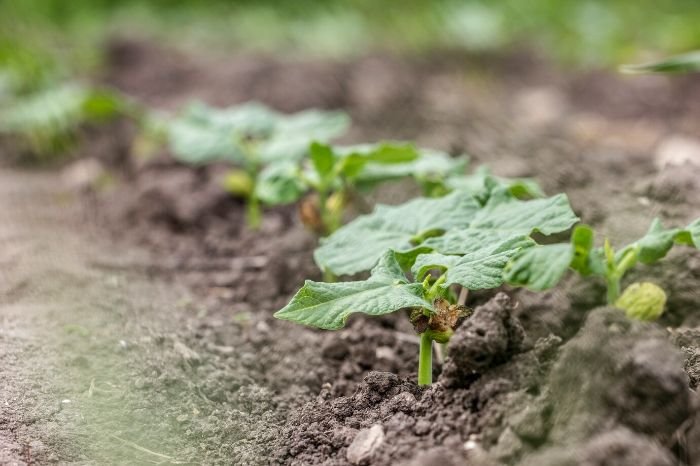
Eggplant grows poorly in cool conditions, so a transplant can stall if it goes out too early. Warm soil and nights above 50°F give roots a better chance to establish without prolonged chilling stress. A soil thermometer is useful, but air temperature and frost risk still matter.
Space transplants 18 to 24 inches apart in rows about 30 to 36 inches apart. Give plants enough room for airflow and access at harvest.
Vegetative Growth – Building the Framework for First Flowers
During the several weeks after transplanting, eggplant expands its root system, thickens stems, and builds the leaf canopy that will support flowering and fruit. UC IPM notes that flowering and fruit set commonly begin about 6 to 8 weeks after transplanting, although cultivar and temperature can shift the schedule. The clearest transition marker is the appearance of the first flower buds.
Eggplant needs at least six hours of direct sun daily to develop that canopy properly. Shade delays the transition to flowering and thins the stem in ways that show up later as flopped branches once fruit weight appears.
Eggplant roots can extend roughly 2 feet deep, so frequent shallow sprinkling is less useful than watering deeply enough to moisten the root zone. Keep moisture consistent through flowering and fruit development, especially in hot weather. A common garden target is about 1 to 2 inches of water per week, adjusted for soil, rainfall, and heat.
Some plants push their first bud when still small – 8 to 10 inches tall, four or five leaves. It’s tempting to leave it.
Pro Tip: Pinch off the first flower bud if the plant stands under 12 inches tall. It redirects energy into lateral branching, and plants that flower a week later on a fuller canopy consistently carry heavier fruit loads by midsummer.
Eggplant Flowering – Pollination, Heat, and Fruit Set
The pale lavender, star-shaped flowers that open in late spring look almost identical to potato flowers – same family, same structure. Each one is self-fertile, meaning a single plant can produce fruit without a second nearby eggplant. Bee activity or wind vibrating the flower improves fruit set noticeably, but cross-pollination is not required.
What is required is temperature. This is where the eggplant’s thermal sensitivity matters most.
Flowering and fruit set often begin about 6 to 8 weeks after transplanting. The exact timing depends on cultivar and growing conditions. University of Minnesota Extension notes that drought, daytime temperatures above 90°F, and night temperatures below 60°F or above 70°F can cause poor flowering.
During stressful weather, flowers may open but fail to set fruit, then dry and drop. Before treating blossom drop as a nutrient or disease problem, check recent temperatures and soil moisture. If the plant is otherwise healthy, correcting water stress and waiting for more favorable temperatures is usually more useful than pushing extra fertilizer.
A healthy plant that keeps producing flowers but little fruit during a heat spell is often showing environmental stress, not a failed growth stage.
When Heat Interrupts Fruit Set
When temperatures move back into a more favorable range, healthy plants can resume setting fruit on new flowers. The timing varies by region, so do not use late August or September as a universal recovery calendar.
Observation: Watch the base of each faded flower. A small swelling that continues enlarging is the clearest sign that fruit set succeeded and the plant has moved into fruit development.
Managing a hot-weather slowdown comes down to consistent irrigation and avoiding unnecessary stress. Keep the root zone evenly moist, continue normal care, and reassess fruit set when temperatures moderate.
Fruit Development to Harvest – Timing and Ripeness Cues
After a flower is successfully pollinated, the petals fade and the ovary at the base begins to enlarge into a young eggplant. Fruit then gains size, shape, and color over the following days and weeks. The pace depends strongly on cultivar and temperature, so the change in the fruit itself is more useful than a fixed day count.
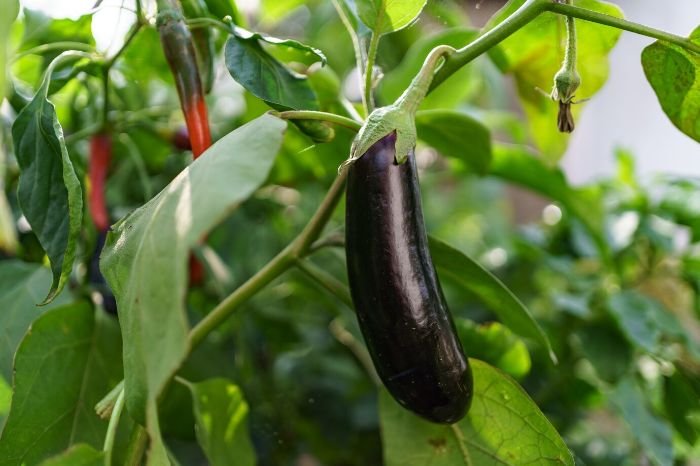
About three weeks from flowering to harvest is a useful planning estimate for many garden eggplants, but the documented range is much wider. Depending on cultivar and temperature, fruit may be ready roughly 10 to 40 days after flowering.
Reading Harvest Readiness
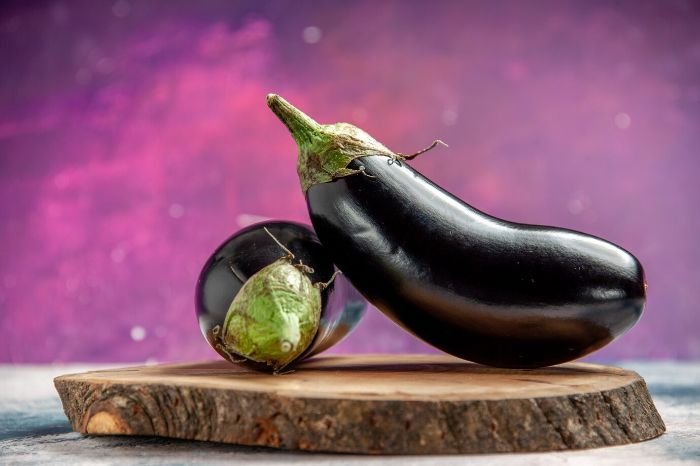
Skin gloss is the most reliable single indicator. A ripe eggplant has taut, deeply colored skin that reflects light sharply. When that sheen fades to a duller finish, the fruit is entering overripe territory – seeds are hardening and the flesh develops a bitter note that no amount of salting or cooking fully corrects.
The thumb test confirms what the eyes suggest: press the skin gently. If the flesh resists and springs back immediately, the fruit is ready. Hard and unyielding means another few days. A dent that stays means it is past peak.
Cut fruit from the plant with pruning shears or a sharp knife, leaving an inch of stem attached. Pulling can damage the fruit or branch. Eggplant stores best around 50 to 54°F; ordinary refrigerator temperatures are colder and can cause chilling injury after several days, especially in sensitive types.
Do not leave harvest-ready fruit on the plant until it becomes dull, soft, and seedy. Quality declines as the fruit becomes overmature, and regular harvesting allows the plant to continue directing resources into flowers and developing fruit. Once production is underway, check plants every few days so fruit is cut while firm and glossy.
Well-timed harvest also makes a meaningful difference to the eating quality and nutritional value of the fruit – the mild, creamy flesh of a freshly harvested eggplant has little in common with what comes off an overripe one.
Variety Timelines – Matching Season Length to the Right Cultivar
Eggplant days-to-maturity figures are commonly listed from transplanting rather than from seed, but seed packets and catalogs can define the starting point differently. Check the cultivar listing before planning backward. If a variety is listed at 75 days from transplant, add the indoor seedling period when estimating the full seed-to-harvest timeline.
| Variety | Days to Maturity | Fruit Type | Best For |
|---|---|---|---|
| Fairy Tale | 50-60 days | Small, striped, very tender | Short seasons, containers, northern zones |
| Ichiban | 58-70 days | Long, slender, mild flavor | Northern climates, early first harvest |
| Black Beauty | 75-90 days | Globe-shaped, classic purple | Full-season gardens, zones 5-9 |
| Rosa Bianca | 75-90 days | Globular, lavender-cream skin | Long seasons, Italian cooking styles |
| Listada de Gandia | 80-90 days | Striped, mild, meaty flesh | Southern US, season extension growing |
For gardens with fewer than 120 frost-free days, earlier cultivars such as Fairy Tale or Ichiban leave more room for repeated harvests before fall frost.
Black Beauty is the most widely sold variety in US garden centers – recognizable, reliable, and well-suited to average-length seasons. Its 75 to 90 day maturity window makes it a poor fit for zone 5 and zone 6 without row cover support or a season extension structure. Rosa Bianca and Listada de Gandia produce fruit with noticeably lower bitterness and exceptional texture, but both reward gardeners with long warm seasons – think zone 7 and south, or a dedicated high tunnel in northern climates.
Stage Failures – Three Points Where Eggplant Seasons Break Down
Transplanting Before Soil Is Ready
The most preventable mistake is setting transplants out because the calendar says it is time while nights and soil are still cold. Eggplant grows poorly in cool conditions, so early planting can leave seedlings stalled and stressed instead of building the canopy needed for flowering and fruiting.
A soil thermometer is useful, but it should be read alongside nighttime temperatures and frost risk. University of Minnesota Extension recommends transplanting outdoors after nighttime low temperatures are consistently above 50°F.
Misreading the Midsummer Pause
Another common failure is misreading weather-related blossom drop as a fertilizer problem. Drought, daytime temperatures above 90°F, and unfavorable night temperatures can reduce flowering and fruit set. Adding extra nitrogen to a stressed plant can push more leafy growth without solving the environmental cause.
Maintain consistent moisture and keep the plant healthy through the stressful period. When temperatures moderate, new flowers can set fruit again; the recovery date depends on local weather rather than a fixed month.
Leaving Overripe Fruit on the Plant
The third failure is leaving fruit on the plant after it has reached the preferred harvest stage. As eggplant becomes overmature, the skin loses gloss, seeds enlarge and harden, and the flesh becomes increasingly pithy or bitter. Harvesting firm, glossy fruit promptly also keeps the plant cycling through flowers and developing fruit.
Conclusion
Eggplant gives clear signals at every stage: true leaves in the seedling phase, renewed growth after transplanting, flower buds at the end of vegetative growth, swelling ovaries after fruit set, and firm, glossy skin at harvest. The calendar is useful for planning, but temperature can speed, slow, or interrupt those transitions. Read the plant first and use day counts as ranges.
The moment that confirms a well-managed season is a ripe fruit that holds its gloss in the morning light – skin dark and tight, yielding just slightly under thumb pressure before springing back. That texture is the return on every calibration made from late winter onward.
FAQ
How long does eggplant take to grow from transplant to harvest?
Many eggplant cultivars are listed at roughly 60 to 90 days from transplant to first harvest, but the exact interval depends on cultivar and growing conditions. Check whether the seed packet or catalog counts maturity from transplanting or from seed. Cold weather, extreme heat, and other stress can extend the timeline.
Can you hand-pollinate eggplant if bees are not visiting?
Yes. Eggplant flowers are self-fertile, so pollen only needs to reach the stigma within the same flower. Gently shaking an open flower or briefly vibrating the flower can help move pollen. Do it when flowers are open and dry. Hand pollination cannot correct fruit-set problems caused by temperature or water stress.
What happens if you leave eggplant on the plant too long?
Overripe eggplant develops dull skin, enlarged or hardened seeds, and increasingly pithy or bitter flesh. Quality declines quickly once the glossy, firm harvest stage has passed. Pick usable fruit promptly and keep checking the plant every few days during active production.
Why are my eggplant flowers dropping without setting fruit?
Temperature and water stress are common causes when otherwise healthy eggplant flowers drop without setting fruit. Drought, daytime temperatures above 90°F, and night temperatures below 60°F or above 70°F can reduce flowering and fruit set. Keep soil moisture consistent and reassess new flowers when conditions moderate.
How do I know when an eggplant is ready to pick?
Skin gloss is the most reliable indicator. Ripe eggplant has taut, shiny skin that reflects light sharply; when that sheen fades to a matte finish, the fruit is overripe. Confirm with a light thumb press – the skin should give slightly and spring back within one to two seconds. Hard resistance means the fruit needs a few more days. A dent that stays means it has already passed peak. Most varieties are best harvested slightly before full size, not after.
What is the difference between male and female eggplant flowers?
Eggplant flowers contain both male and female reproductive parts, so a single flower can self-pollinate. Eggplant fruits themselves are not male or female. The shape of the blossom-end scar does not establish the sex of the fruit and should not be used as a reliable way to predict seed count or flavor.
Can eggplant survive a light frost?
No. Eggplant is frost-sensitive, and freezing temperatures can damage foliage and fruit. Harvest usable fruit before the first frost. Eggplant is non-climacteric, so immature fruit will not continue normal ripening after harvest; pick fruit that has already reached an edible size and stage.
Does eggplant need a second plant for pollination?
No. Eggplant is self-fertile, and one plant can set fruit because each flower contains both pollen-producing and pollen-receiving structures. Wind, insects, or gentle vibration can help move pollen within flowers, but a second plant is not required. If flowers are dropping, check temperature and water stress before assuming lack of pollination.