


Last Updated June 02, 2026
Broccoli growth stages run on temperature as much as time, and that is why a plant with healthy blue-green leaves still fails if the head forms during heat. The same seedling tray that looks perfect in March turns leggy beside a warm window. The same full-sized plant that seems ready to reward you can open yellow flowers two days after a hot spell. Gardeners grow broccoli for unopened flower buds held in a tight crown, not for a leaf, root, or fruit.
The best crop comes from reading the plant before the calendar gets loud. Seed leaves, true leaves, stem thickness, crown feel, bud size, and morning soil moisture all tell you whether the plant is still building roots and leaves or already rushing toward flowering.
Broccoli stages include germination, seedling growth, transplant establishment, vegetative leaf growth, head initiation, harvest, side-shoot production, and flowering if the head is left too long. Most garden varieties reach harvest 55 to 85 days from transplanting, with cool head-forming weather giving the cleanest texture and flavor.
Key Takeaways:
- Judge stage by leaves first, calendar second
- Keep seedlings bright before feeding them harder
- Build 14 to 18 leaves before chasing heads
- Inspect forming heads every 24 hours during warm spells
- Leave the stem for side shoots after the main cut
Table of Contents
Broccoli Growth Stages – Timeline From Seed To Side Shoots
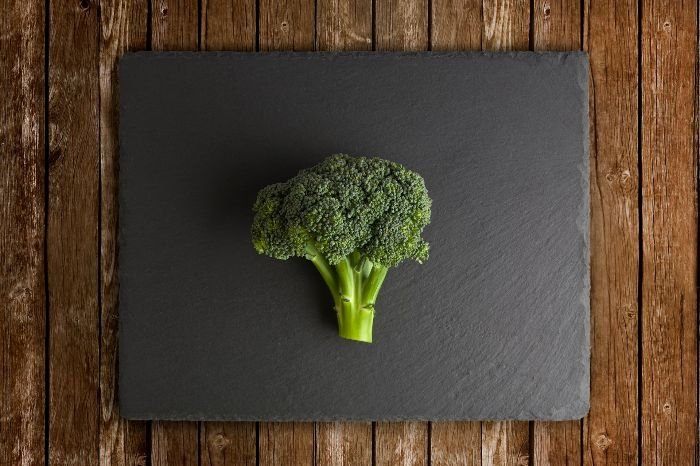
A broccoli plant changes jobs several times before harvest. The seed wakes, roots branch, leaves expand, the central growing point switches into a bud cluster, and the cut stem later releases side shoots from leaf axils. The edible head is a packed inflorescence, not a fruit, so the harvest window closes as soon as flower buds loosen.
Calendar days help with planning. Visible stage signs keep the crop honest. A cool spring slows every cell division. A warm week speeds bud expansion. Temperature-dependent development is the reason degree-day models can track vegetable crop development, while the gardener still needs visible stage signs: leaf count, crown firmness, bead texture, and the first hint of yellow petals.
Broccoli stage recognition works better when visible crop stages are separated from calendar estimates. The crop moves through seedling, transplant, early growth, button, bead development, and firm head stages before the harvest window closes.
| Stage | Typical Timing | Temperature Cue | What To See Or Feel | Main Care Move | Failure Signal |
|---|---|---|---|---|---|
| Germination | 3 to 10 days in warm seed mix | Moderate warmth speeds emergence; cold wet trays raise rot risk | Seed coat splits, pale root tip enters the mix | Keep the mix evenly damp and move seedlings into bright light after emergence | Seeds rot in cold, saturated trays |
| Seedling | 2 to 4 weeks after sprouting | Bright, cool conditions build stocky stems; warm windows stretch seedlings | Round cotyledons, then scalloped true leaves | Give strong light, airflow, and light feeding after true leaves appear | Long pale stems lean toward the window |
| Transplant establishment | First 7 to 14 days outdoors | Cold snaps after planting can push young plants toward early flowering | Leaves hold upright by sunrise after watering | Harden off, plant firm, and protect roots and leaves | Wilting at sunrise signals root-zone trouble |
| Vegetative growth | 3 to 5 weeks after establishment | Cool to mild weather lets leaves build before the crown turns sensitive | Large blue-green leaves and a thickening central stem | Feed, irrigate deeply, and protect leaf area from pests | Small plants begin buttoning early |
| Button and bead development | Once the center crown starts | Heat during bud development loosens beads faster than heat during leaf growth | Small firm crown becomes a tight pebbled surface | Hold moisture even and inspect the crown daily in warm weather | Loose beads, yellow tips, leafy heads, or early flowers |
| Firm head and harvest | Main head first, side shoots for weeks | Warm afternoons shorten the cut window after the head sizes | Firm central head, then smaller shoots at leaf nodes | Cut early and leave the lower plant standing for side shoots | Open flowers turn texture coarse |
The wider pattern matches many vegetable growth stages, but broccoli punishes late recognition faster than tomatoes, beans, or peppers. Once flower buds stretch, flavor changes. The head does not tighten again.
Germination And Seedling Stage – Build Roots Before Transplant Shock
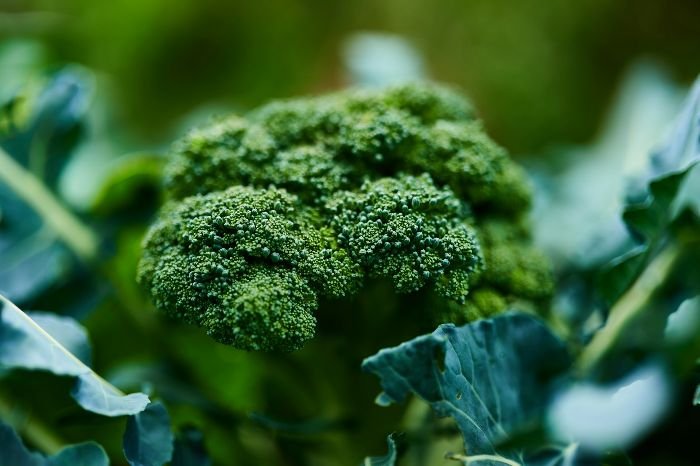
Broccoli seeds need moisture, oxygen, and moderate warmth more than pampering. In a tray, the mix should darken after watering and then lighten slightly at the surface before the next drink. Pick up the cell pack. A properly moist tray has weight in the hand; a saturated one feels heavy and cold, with a sour edge if the mix has gone stale.
Seed Germination
Inside the seed, stored carbohydrates fuel radicle emergence before the plant makes any sugar of its own. Low oxygen in waterlogged mix slows root respiration, then damping-off fungi get an easy path through soft tissue. Press seed one-fourth to one-half inch deep and firm the mix enough that the seed touches moisture on all sides.
Bottom heat is not needed in many indoor homes. A bright shelf at normal room temperature works better than a hot mat that dries the top crust by morning. Once green hooks break the surface, move the tray directly under light. A seedling that stretches during its first three days never becomes as stocky as one that opened under bright light.
True Leaf Stage
Cotyledons are the first rounded leaves. True leaves arrive with scalloped edges and a faint waxy cast, and they mark the point when light feeding begins to matter. The root system is still small, so a weak starter solution beats a heavy dose that salts the seed mix and burns root hairs.
Run a finger gently across a healthy seedling leaf. It should feel cool, slightly waxy, and spring back from light pressure. A dull, limp leaf beside a warm window tells a different story: the leaf is losing water faster than the young roots are replacing it.
Pro Tip: Brush seedlings lightly with your hand once a day after the first true leaves appear. The tiny movement strengthens stems through thigmomorphogenesis, the plant response to mechanical touch, and it reveals weak, leggy seedlings before transplant day.
Vegetative Growth Stage – Leaf Mass Sets The Future Head Size
The leafy stage is where the future head is funded. Broccoli leaves make sugars through photosynthesis, roots absorb nitrogen and water, and the central stem builds enough structure to carry a large bud cluster. A plant that enters head initiation with a thin stem and sparse leaves has already spent its harvest budget.
Good vegetative growth looks almost oversized at first glance. Leaves stand upright in the morning, carry a blue-green waxy bloom, and overlap enough to shade the soil near the stem. The midrib should feel firm between thumb and finger, not hollow or papery. If leaves are small, pale, and stiff, inspect moisture and fertility before blaming the variety.
Broccoli has a shallow, fibrous root system, so soil texture changes the irrigation rhythm. Sandy beds lose moisture below the root zone fast. Clay beds hold water longer at depth after the surface cracks. Matching the bed to the crop starts with soil types in gardening, then improving structure through compost, residue, and careful traffic patterns.
A bed with active soil health improvement gives broccoli roots a better air and water balance. The mechanism is physical as much as biological: stable aggregates leave pore spaces for oxygen, and organic matter holds water films close to fine roots without turning the bed into a wet block.
Pest damage matters more during this stage than many new growers expect. Cabbageworms, flea beetles, and aphids remove or weaken the leaf area that powers the head. Flowers in nearby beds, row covers at transplanting, and thoughtful companion planting for vegetables work best as pressure reducers, not rescue moves after half the leaf surface is gone.
I often notice that spring broccoli with huge leaves and no head is blamed on too much nitrogen. In warm regions, the more common culprit is timing: the plant built leaves during decent weather, then the crown reached its sensitive stage as heat arrived.
Head Formation Stage – Cool Weather Keeps Buds Tight
Head formation begins quietly. The center leaves draw together, the growing point thickens, and a small crown hides inside the plant before it is obvious from above. Slide two fingers gently into the center on a dry morning; a pea-sized firmness below the leaves signals the switch from leaf building to bud clustering.
At this point, temperature starts making the quality decision. Heat during leafy growth is less damaging than heat during head development because bud expansion and stem elongation speed up once the crown has formed. Cool weather keeps cells dividing in a compact pattern. Hot days push buds apart.
Buttoning And Small Heads
Buttoning is a small head on an immature plant. Cold shock, transplant stress, root damage, drought, or low fertility pushes the plant to flower before it has enough leaf mass. The head looks real, just undersized, with a stem that never thickened enough to feed it.
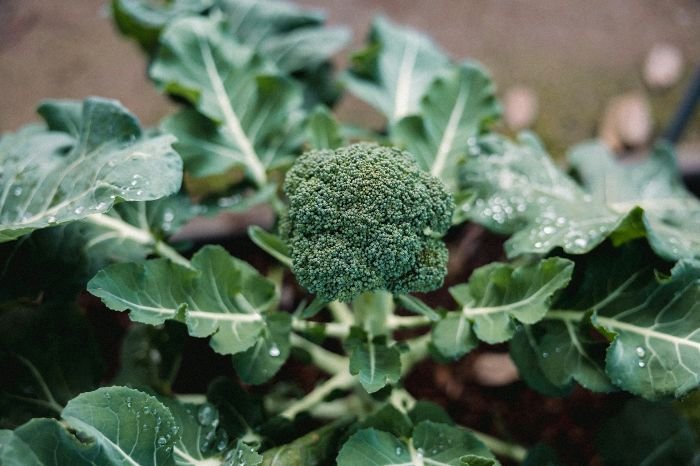
A buttoned plant rarely grows into a full crown. Keep it watered and harvest what it gives, then adjust the next planting window. A healthy-looking transplant set out too early in cold soil or too late into heat can become a small-head plant with no practical way back.
Loose Beads And Yellow Tips
Loose beads show that the unopened flower buds are separating. The surface changes from tight pebbled beads to a more open, grainy pattern, and yellow pinpoints appear where petals are starting to show. Pinch the edge of the head lightly. A good crown feels dense and rubbery; an overripe one feels uneven, with individual buds moving under the fingertip.
Moisture stress adds speed to that shift. Dry roots raise abscisic acid, stomata close, and photosynthesis slows at the same time the crown needs sugar and water. Use soil moisture monitoring during head formation because surface color misleads after wind, mulch, or a short shower.
Organic mulch is useful once soil has warmed enough for growth. A 2- to 3-inch layer buffers the surface, slows evaporation, and keeps splashing soil off low leaves. The same logic behind mulching to conserve soil moisture fits broccoli especially well during the bud stage.
Harvest And Side Shoots – Cut Before Yellow Petals Open
Broccoli is ready when the head is full enough to use and the buds remain tight, green, and closed. Maximum size is not the target. Peak texture comes before separation, when the crown feels firm under the palm and the beads still form one dense surface.
Cut in the morning if possible. The head is cooler, the tissues are turgid, and the knife moves through the stem with a crisp wet snap. Leave several inches of stem and the lower plant standing. Once the terminal head is removed, apical dominance drops and axillary buds along the stem begin pushing side shoots.
Side shoots are smaller, faster, and easier to miss. Inspect every two or three days in cool weather and daily when afternoons warm. A practical watering schedule for different plant types still needs this crop-specific harvest rhythm, because broccoli side shoots can move from tight to floral quickly.
Do not strip too many leaves before the main head is cut. Leaves are the sugar factory, and photosynthesis is the reason side shoots keep sizing after harvest. If you want leaves for cooking, take only a few outer ones during the main crop stage. After the central head is removed, leaf harvest becomes less risky.
Warm weather changes storage quality too. Heads left in a hot basket yellow faster because respiration continues after cutting. Move harvested broccoli out of sun, rinse only when needed, and chill it quickly. A tight head that smells clean and grassy in the morning can smell cabbagey by evening if it sits warm.
Weather Window Checks By Broccoli Growth Stage
Start With The Visible Stage
Spring seedlings look ready, and the forecast still holds nights in the low 40s F. Harden them off more slowly, keep the tray bright, and transplant after the cold snap passes. Cold-stressed transplants flower early because the plant reads the season differently from the seed packet.
| Visible Stage | Weather Risk | Best Move | Wrong Move |
|---|---|---|---|
| Seedlings with first true leaves | Cold nights or warm indoor stretch | Hold bright light, harden off slowly, and avoid rushing transplanting | Feeding harder to fix weak light |
| Transplants just planted out | Cold snap, dry wind, chewing pests | Water deeply, protect leaves, and let roots re-anchor | Leaving stressed plants exposed and then blaming the variety |
| Large leafy plant with no crown | Heat arriving before head initiation | Keep moisture even and prepare for fast crown checks | Adding more nitrogen because leaves look strong |
| Small center button | Early flowering after stress | Harvest the small head once tight and leave the plant for side shoots | Waiting for a full-size crown that will not form |
| Tight forming head | Warm afternoons and dry roots | Inspect daily, water before stress, and cut before beads loosen | Waiting for maximum size after yellow tips appear |
Your plant has huge leaves in late spring and no crown. Look at the forecast before adding more fertilizer. If daytime heat is climbing, the next move is shade, deep watering, and harvest vigilance once the first crown appears, not another nitrogen push.
A small center head on a plant with only a few leaves points to buttoning. Harvest the small head when it tightens and leave the plant for side shoots if temperatures are mild. Tomorrow’s heat matters most after the visible stage is identified.
Fall crops leafing out during warm weather still have a workable path. Keep roots watered, protect leaves from insects, and let the head form as nights cool. Fall broccoli succeeds because leaf growth and head formation happen under different parts of the season.
Conclusion
Broccoli succeeds when the plant builds enough leaf mass before the crown enters its temperature-sensitive stage. If seedlings are stocky, roots stay moist, and the head forms in cool weather, the harvest window is generous enough to catch with daily or every-other-day checks.
The winning signal is a firm green crown with closed beads, a crisp stem cut in cool morning air, and small side shoots starting from the leaf nodes below.
FAQ
What Are The Main Broccoli Growth Stages?
Broccoli moves through germination, seedling growth, transplant establishment, vegetative leaf growth, head formation, harvest, side shoots, and flowering if left uncut. The seedling stage is judged by true leaves, the vegetative stage by leaf mass and stem thickness, and harvest by tight unopened buds.
How Long Does Broccoli Take To Grow From Seed?
Most heading broccoli takes about 80 to 100 days from direct seeding and about 55 to 85 days from transplanting, depending on variety and weather. Cool conditions stretch the timeline. Hot head-forming weather shortens the harvest window.
Why Did My Broccoli Make A Tiny Head?
A tiny head usually comes from buttoning. The plant shifted into flowering before it had enough leaves and stem size, often after cold shock, drought, root disturbance, low fertility, or late planting into heat. The small head should be harvested once tight.
What Temperature Makes Broccoli Bolt?
Warm head-forming weather pushes broccoli toward loose buds and flowering, with risk climbing fast during hot days and warm nights. Very cold transplant conditions also trigger early flowering in young plants. A fall crop often avoids both problems because leaves grow in warmth and heads form in cooler weather.
Does Broccoli Grow Back After The Main Head Is Cut?
Yes, many heading varieties produce side shoots after the central head is removed. Leave the lower stem and leaves in the bed, keep the root zone moist, and harvest smaller shoots before yellow petals show. Side shoots extend the harvest for several weeks in mild weather.