
Ever wondered why organic vegetables are different from the rest? What makes them healthier and more eco-friendly? This article will show you. We’ll dive into the basic values of organic farming and how it helps produce good food without harming the planet.
Key Takeaways:
- Organic vegetables are produced following principles of health, ecology, fairness, and care.
- Organic farming practices focus on soil health, biodiversity, and the prohibition of synthetic chemicals.
- Understanding the principles and practices of organic vegetable farming is crucial for farmers and consumers alike.
- Organic vegetables offer benefits such as improved soil fertility, reduced environmental impact, and higher levels of beneficial nutrients.
- Embracing organic farming principles contributes to a more sustainable and environmentally-conscious food system.
Table of Contents
About Organic Vegetable Farming
Organic farming is all about using natural ways to grow vegetables. It avoids the use of chemical sprays and fertilizers. Instead, it relies on natural practices to keep vegetables healthy and safe for us and the planet.
What is Organic Farming?
It follows strict rules to grow veggies in a natural way. This means no synthetic pesticides or GMOs. Organic farmers use methods like composting and letting fields rest to keep the soil and veggies healthy.
Importance of Organic Practices in Modern Agriculture
Organic farming helps the earth in many ways. It stops soil and water from getting polluted by chemicals. It also saves natural resources. This makes the planet a better place for the future.
It’s all about caring for the soil, animals, and plants. This way of farming helps the land stay fertile. It also saves water and keeps homes for wild animals safe. Plus, the vegetables are safer to eat because they’re grown without harmful chemicals.
Choosing organic helps everyone. It’s good for the earth, the people farming it, and those eating the food.
Core Principles of Organic Vegetable Farming
Organic vegetable farming follows key principles. It focuses on helping the environment and making healthy veggies. Farmers work hard to keep the soil healthy, protect nature, and avoid harmful chemicals.
Soil Health and Fertility
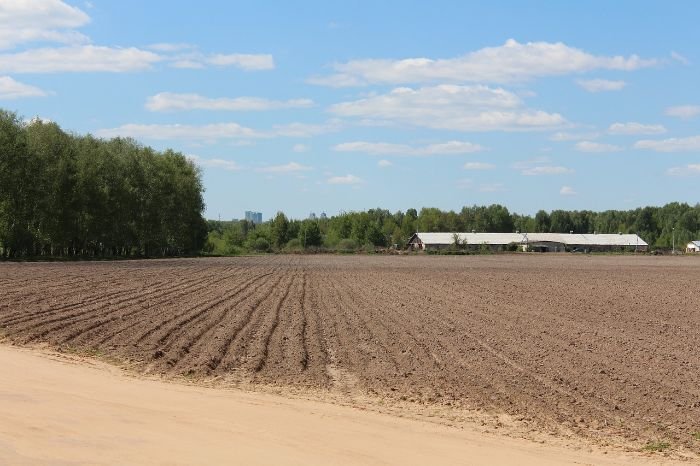
Healthy soil is crucial for growing strong plants. It helps keep plants safe from bugs and diseases. Organic farmers use special methods to keep the soil in top shape.
- Composting – They turn veggie scraps and other waste into compost. This makes the soil rich and fertile again.
- Crop rotation – Switching which crops they plant each season helps keep the soil healthy. It stops pests and diseases from spreading easily.
- Cover cropping – They grow specific plants just to cover the ground. This keeps the soil from washing away and makes it better for crop growth.
These tricks help grow delicious vegetables without hurting the land. This means the soil will still be good for growing food for a long, long time.
Biodiversity and Ecosystem Balance
Different kinds of plants and animals are good for the farm. They help keep everything in balance. Organic farmers do things that help all plants and animals work together well.
- Creating habitat – They make places for helpful insects and animals. This way, they can control pests without using chemicals.
- Conserving natural areas – They protect wild places near the farm. This keeps everything in nature in harmony.
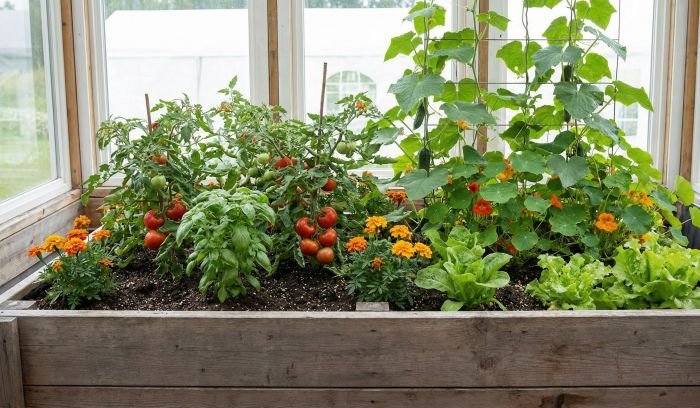
- Planting companion plants – They grow certain plants together. This keeps bad bugs away from the veggies without needing chemicals.
Organic farms become natural, self-sustaining systems. This is good for growing food and caring for the earth.
Prohibition of Synthetic Chemicals
Organic farming rejects chemicals and GMOs. Instead, they use natural ways to fight off pests and grow strong plants. This is safer for us and the world we live in.
“Organic vegetable farming works with nature. It avoids chemicals that can hurt us and the planet.”
Choosing organic means choosing food that’s kind to people and our planet. It’s pure and good for everyone.
Practices in Organic Vegetable Farming
Organic vegetable farming uses methods to grow healthy veggies in eco-friendly ways. These methods follow organic farming’s key ideas. They aim for the health of people and the planet.
Organic Soil Management Techniques
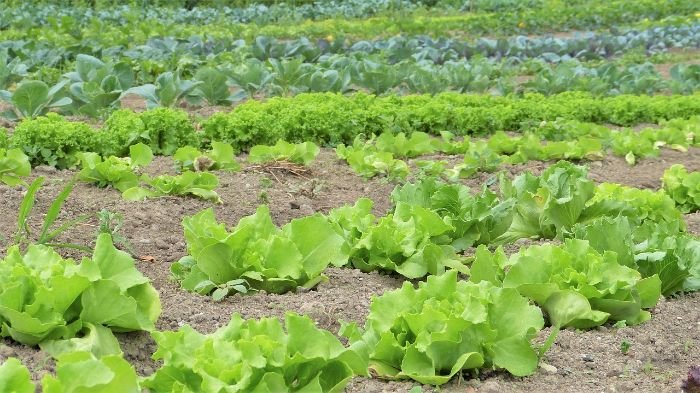
Organic vegetable farming pays a lot of attention to the soil. It uses special techniques to keep the soil full of life. This is done without nasty chemicals. Farmers add things like compost and manure. These help make the soil better for plants. As a result, the veggies that grow are full of nutrients.
Crop Rotation and Polyculture
Growing different crops each season is important in organic farming. This is called crop rotation. It’s good for the soil and it keeps pests away. Polyculture is another cool method. It means planting lots of different crops together. This makes the farm a busy place for many kinds of plants and animals.
Organic Pest and Disease Control
Dealing with bugs and diseases in organic farms is different. Instead of chemicals, farmers use smart ways to protect their crops. This is called integrated pest management (IPM). It includes using helpful bugs and careful planning. The goal is to keep everything in balance. This keeps the crops healthy without hurting nature.
Fertilization in Organic Farming
Fertilization is key in organic farming. It feeds plants well and keeps the soil rich. Organic farmers use techniques that follow organic principles. They mainly use compost, green manure, and natural fertilizers and amendments for this.
Use of Compost and Green Manure
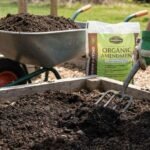
Compost and green manure make organic farming work. They give plants what they need and make the soil better. Compost is made from things like veggie scraps and animal waste. It’s full of nutrients, so adding it to the soil boosts growth.
Green manure means planting crops that help the soil, like beans and cover crops. After they grow, farmers plow them into the ground. This adds more organic material and brings nitrogen to the soil. Nitrogen is a must for healthy plants. This way, the soil stays healthy without harmful chemicals.
Natural Fertilizers and Soil Amendments
Besides, farmers use natural stuff like bone meal, blood meal, and fish parts for nutrients. These provide nitrogen, phosphorus, and potassium. They make plants grow well without harsh chemicals. It’s all about working with nature in organic farming.
Pest and Disease Management
Keeping pests and diseases in check is key in organic farming. Farmers use many ways to keep their crops safe. These methods ensure plants are healthy without harming the environment.
Integrated Pest Management (IPM) in Organic Farming
Integrated Pest Management (IPM) uses a mix of strategies to handle pests. It aims to protect the environment while controlling bugs. Farmers use many methods, like good farming practices, helpful insects, and sometimes, natural pesticides.
With IPM, farmers try to limit pests without hurting the good bugs or nature. They focus on stopping problems before they start. This way, they don’t need as many harmful chemicals.
Biological Controls and Natural Remedies
Farmers often rely on natural enemies to fight pests. Insects like ladybugs and beneficial wasps help keep crops safe. This means using fewer chemicals and protecting the environment.
They also turn to natural solutions like plant sprays and neem oil. These methods are good for people and the earth. Plus, they work well against pests.
Weed Control Without Chemicals
Weed control is key in organic farming. It helps plants grow better by reducing weed competition. Organic farmers use many ways to manage weeds without harmful chemicals. This keeps the veggies we eat healthy and safe for the environment.
Mulching and Manual Weeding
Organic farmers often use mulching to keep weeds down. They cover the soil around plants with materials like straw, hay, or wood chips. Mulch stops weeds from getting sunlight and keeps the ground moist. It also does a lot for the soil and the good bugs that live in it.
By hand or with small tools, organic farmers pull out weeds. This method targets weeds without using chemicals. Even though pulling weeds takes work, it’s important for keeping crops healthy and strong.
Cover Cropping and Soil Solarization
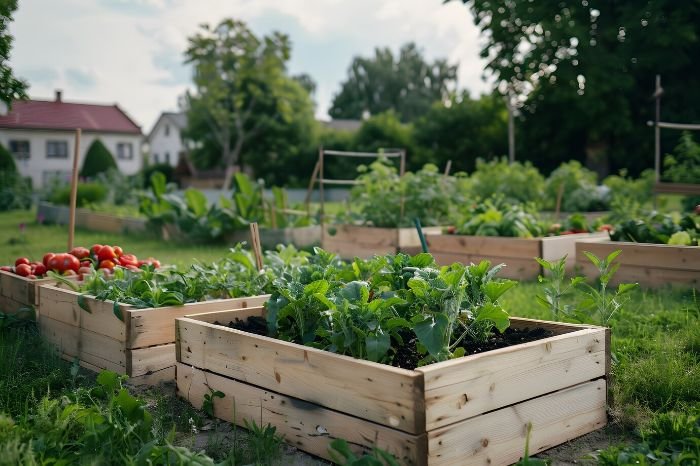
Planting cover crops during rest periods is another way organic farmers control weeds and improve soil. These cover crops fight weeds for food and light. They make the soil healthier by adding organic matter and supporting more life in the dirt.
Soil solarization is about using the sun’s heat to kill weed seeds and pests. It works by covering the ground with plastic to trap the sun’s warmth. This method is great in hot places with lots of sun. It helps keep the soil free of problems without chemicals.
Combining mulching, manual weeding, cover cropping, and soil solarization keeps weeds under control naturally. This way, organic farmers grow strong crops without using harmful chemicals.
Water Management in Organic Farming
Water management is key in successful organic farming. It helps plants grow well and saves water. Organic farmers use different ways to use water wisely and keep it for the future.
Efficient Irrigation Techniques
Using water well is vital, and organic farmers do it best. They give water straight to plant roots. This cuts down on water loss. They mainly use:
- Drip Irrigation – Water is slowly dropped by a tube system right near the roots. It’s very precise, uses less water, and cuts down on evaporation.
- Precision Sprinklers – These sprinklers spread water evenly and without waste. They work at a set pace and can fit different crop needs.
These methods help farmers use water wisely. This ensures their crops get enough water, while waste is cut.
Rainwater Harvesting and Conservation Practices
Collecting rainwater is crucial for organic farming. It provides a sustainable water source. Rainwater is collected from rooftops and other areas using rain barrels and cisterns.
Organic farmers also use other ways to save water:
- Soil Amendments – Adding compost and organic matter makes soil hold water better. This means less need to water often.
- Organic Mulch – Mulch, like straw and wood chips, stops water from leaving the soil too quickly. It also keeps the soil cooler and fights off weeds.
- Regular Soil Moisture Monitoring – Farmers check soil moisture levels often. This helps them water smarter, based on what their crops really need.
These methods together help organic farmers use less water. They also don’t need as much water from outside sources. This is good for the environment and their farm’s future.
Certification and Standards
In organic vegetable farming, following certain rules is key to being honest with consumers. Organic certification checks that farmers do things the right way. It’s an in-depth process run by experts.
Overview of Organic Certification Process
Getting certified organic is not easy. It starts with farmers applying, sharing how they farm. This includes everything from where they get their seeds to how they manage pests.
Next, inspectors visit to make sure the farm is truly organic. They look at the soil and check no synthetic chemicals are used. They also go through the farm’s records to confirm it follows the rules.
Once a farm is certified, they can put the USDA Organic seal on their products. But this isn’t a one-time thing. Every year, there are more visits and checks to keep the farm organic.
Key Standards for Organic Vegetable Production
There are specific rules for growing organic vegetables. They cover how the soil is maintained, where seeds come from, and methods to fight pests. No synthetic chemicals are allowed.
The main rules for how organic vegetables are grown are:
- Prohibition of Synthetic Chemicals – No synthetic fertilizers, pesticides, or GMOs are used. Only natural and organic methods are okay.
- Use of Organic Seeds and Planting Stocks – Farmers need to start with organic seeds and plants. These must be certified as organic too.
- Adherence to Organic Soil Management Practices – Taking good care of the soil is a must. This means using things like compost and rotating crops regularly.
- Compliance with Organic Pest and Disease Control Methods – Farmers find natural ways to keep pests under control. They avoid synthetic chemicals and focus on natural solutions.
Living up to these standards ensures that organic veggies are of high quality. It also means they’re grown in a way that’s good for the environment.
Benefits of Organic Vegetable Farming
Organic vegetable farming is great for people and the earth. It keeps consumers healthy because there are no synthetic chemicals. These include pesticides and GMOs. This way, organic veggies are safe to eat and packed with good nutrients.
For the planet, it’s a win too. Organic farming takes care of the soil, plants, and wildlife. It doesn’t use harmful chemicals. This helps keep water clean and saves our natural resources. So, choosing organic veggies is good for everyone and everything.
Choosing organic veggies means better health for all. It also supports a farming system that cares for the planet. So, by choosing organic, we help our own well-being and the earth.
Challenges in Organic Vegetable Farming
Organic vegetable farming faces many challenges. People who farm this way have to work hard. They must deal with lots of issues to succeed and keep the earth healthy.
Common Obstacles and How to Overcome Them
One big challenge is fighting weeds and pests without chemicals. To do this, farmers use natural ways. They might use good bugs or certain plants to protect their crops.
Finding the right seeds can also be hard. But working with good seed suppliers helps. Farmers can also save seeds from their best plants for the next year.
Doing things without machines can be tough. One way to make it easier is by using special plants or mulch. This helps control weeds and means less hard work.
Organic farming can cost more money. By getting creative and using new technology, costs can go down. Selling different, special products can bring in more money, too.
Working closely with stores and special farming groups helps. It can get organic food to more people and at better prices. Plus, selling online or at markets also lets farmers share their good work with customers.
Economic Viability and Market Access
Being able to make a living from organic farming is very important. But, it can be hard because it costs more to farm this way. Also, regular food is often cheaper.
To make more money, farmers can be smart with how they farm. They can also grow different, unique crops. This way, they might find customers who will pay more for their food.
Working closely with stores and other farmers helps get more people to buy organic. Talking directly to customers at markets or online is good, too. It shows how special their vegetables are.
Even with all the hard work, organic farming is worth it. It gives us good, safe food in a way that’s good for the planet. By choosing organic, farmers are making a positive difference in our food system.
Conclusion – Embracing Organic Farming Principles
Choosing organic farming is key for a better planet and nourishing food. It lets farmers grow healthy veggies without hurting the earth. This way, we get to eat food that’s good for us and the environment.
Organic veggie growing has lots of perks for us and nature. It makes the soil better and lets veggies be full of good nutrients. Plus, it helps protect wildlife by giving them safe places to live and keeping bad bugs in check.
Organic farming does face some tough times, like dealing with weeds and pests naturally. It can also cost more to do. But, more people are learning about the good stuff organic farming does. They want veggies that are good for their health and the planet’s health.
Going organic is a big win for everyone. It keeps our land and water cleaner. It makes sure we have strong and healthy nature around us. And by growing food the right way, organic farmers help us have a food system that’s good and fair for all.
FAQ
What defines organic vegetables – principles and practices?
Organic vegetables are produced with principles focused on health and care. They follow practices that set them apart from regular farming. These include using natural methods to grow food and protecting the environment.
What is organic farming?
Organic farming uses natural elements and methods to grow crops. It avoids chemicals that can harm the earth. This approach is good for the planet and our health.
Why is organic farming important in modern agriculture?
Choosing organic farming over conventional methods helps the earth. It lessens harm like soil damage and water pollution. It also keeps our natural resources from running out.
What are the core principles of organic vegetable farming?
The main principles are keeping the soil healthy and rich in life. It focuses on using natural ways instead of synthetic chemicals.
How is water management carried out in organic farming?
In organic farming, careful water use is crucial. It helps the crops grow while saving this important resource. Efficient water use is key for a sustainable farm.
What are some benefits of organic vegetable farming?
Organic farming is good for people and the planet. It provides healthier food while protecting the environment. This method works with nature, not against it.
What are some common challenges in organic vegetable farming?
Farmers face many challenges in organic farming. They include finding ways to keep pests away without chemicals. Another challenge is managing weeds. Overcoming these issues is necessary for a successful farm.