




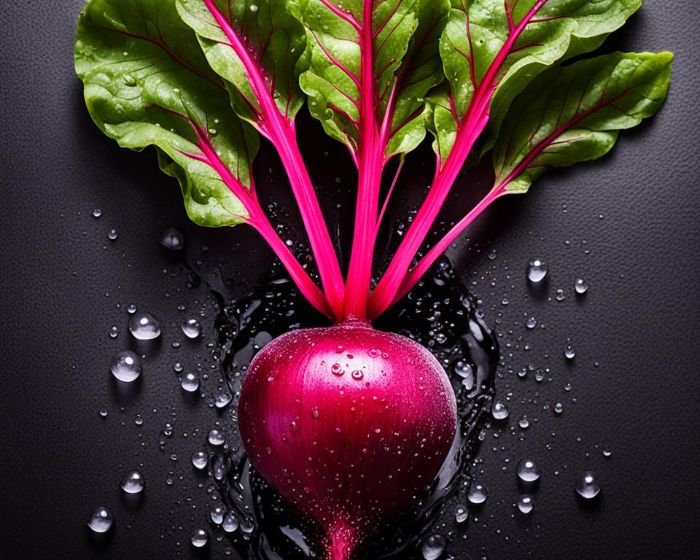
Are you looking for a natural way to improve your heart health and boost your stamina? Look no further than beets! These humble root vegetables have gained superfood status for their impressive nutritional profile and the countless benefits they offer. From lowering blood pressure to enhancing endurance, beets have the power to unlock your full potential. But how exactly do they work their magic? Let’s dive into the world of beets and discover the secrets behind their heart-healthy and stamina-boosting properties.
Key Takeaways:
- Beets are a versatile root vegetable packed with nutrients that can benefit heart health and stamina.
- They are high in vitamins, minerals, and dietary fiber, including folate, potassium, and vitamin C.
- Beets contain nitrates, which convert into nitric oxide and help widen and relax blood vessels.
- Consuming beets regularly can lower blood pressure, reduce inflammation, and protect against heart disease.
- Beets enhance endurance by optimizing oxygen delivery to muscles and increasing muscle efficiency.
Table of Contents
Nutritional Profile of Beets
Beets are a versatile and nutrient-dense root vegetable that offers numerous health benefits. They are rich in a variety of essential vitamins and minerals, making them a valuable addition to a balanced diet.
In terms of vitamins, beets are particularly high in folate, potassium, and vitamin C. Folate is crucial for cell growth and development, while potassium plays a vital role in maintaining a healthy heart and regulating blood pressure. Vitamin C is an essential antioxidant that supports the immune system and promotes collagen production.
Beets also provide a good dose of dietary fiber, which aids in digestion and helps maintain a healthy weight. Fiber keeps you feeling fuller for longer and supports a healthy gut.
Furthermore, one of the standout components of beets is their high nitrate content. Nitrates are natural compounds found in various vegetables, including beets. When consumed, these nitrates are converted into nitric oxide in the body. Nitric oxide acts as a vasodilator, widening and relaxing blood vessels, which enhances blood flow and reduces blood pressure.
Overall, beets offer a robust nutritional profile, packed with vitamins, minerals, and nitrates that contribute to their numerous health benefits. Incorporating beets into your diet can support heart health, boost immune function, and promote overall well-being.
Cardiovascular Benefits of Beets
Consuming beets or beet juice regularly can have significant cardiovascular benefits. Beets are packed with nutrients that support heart health and help prevent heart disease. The high nitrate content in beets plays a crucial role in lowering blood pressure and improving overall cardiovascular function.
How Beets Lower Blood Pressure
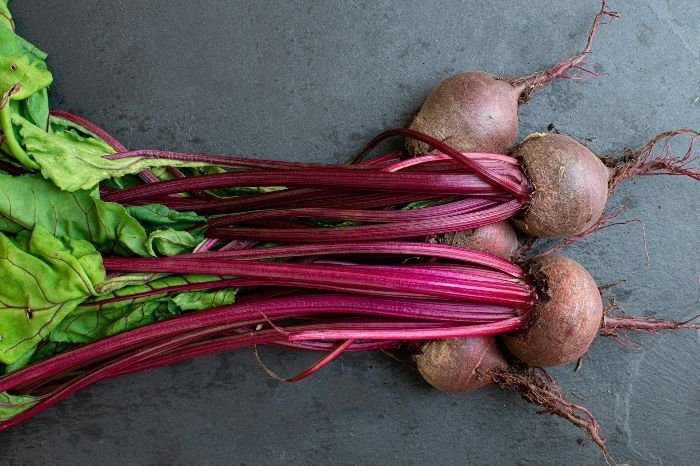
Beets contain a high concentration of nitrates, which convert into nitric oxide in the body. Nitric oxide helps widen and relax blood vessels, improving blood flow and reducing blood pressure. By incorporating beets into your diet, you can naturally support healthy blood pressure levels.
Beets and Heart Disease Prevention
In addition to lowering blood pressure, beets offer other cardiovascular benefits that contribute to heart disease prevention. Beets have anti-inflammatory properties that reduce inflammation in the body, which is a risk factor for heart disease. They also promote healthy blood cholesterol levels and protect against oxidative stress, further safeguarding against heart-related issues.
Enhancing Endurance with Beets
Beets have gained popularity among athletes for their ability to enhance endurance and stamina. This root vegetable contains dietary nitrates, which play a vital role in optimizing exercise performance. Through various mechanisms, beets can improve oxygen delivery to muscles, reduce the oxygen cost of exercise, and enhance muscle efficiency.
The Role of Dietary Nitrates in Stamina
Dietary nitrates found in beets have been shown to have a positive impact on stamina during physical activity. When consumed, these nitrates are converted into nitric oxide in the body. Nitric oxide acts as a vasodilator, causing blood vessels to relax and widen. The widened blood vessels allow for improved blood flow and oxygen delivery to the muscles, which enhances stamina and endurance.
By optimizing oxygen utilization, beets help athletes increase their exercise capacity and maintain higher levels of performance for longer periods. This effect is particularly beneficial for endurance activities such as long-distance running, cycling, or swimming, where sustaining energy levels is essential.
Scientific Studies on Beets and Athletic Performance
Scientific research has consistently demonstrated the positive effects of beets on athletic performance. Numerous studies have shown that consuming beets, whether in whole form or as juice, can lead to improved time trials, increased time to exhaustion, and enhanced cardiorespiratory performance.
A study published in the Journal of the Academy of Nutrition and Dietetics found that consuming beetroot juice significantly improved endurance performance in recreationally active adults. Participants who consumed beetroot juice demonstrated a higher time to exhaustion during exercise tests compared to those who consumed a placebo.
Another study published in the Journal of Applied Physiology examined the effects of dietary nitrate supplementation on performance in competitive athletes. The study concluded that nitrate supplementation, such as that provided by beets, improved power output and time trial performance in elite athletes.
These studies and others highlight the potential benefits of incorporating beets into the diet of athletes and individuals looking to enhance their endurance. However, it’s important to note that individual responses to beet consumption may vary, and additional research is needed to further understand the precise mechanisms behind the performance-enhancing effects of beets.
Practical Tips for Including Beets in Your Diet
Incorporating beets into your diet is easy and can be done in various ways. These versatile root vegetables offer a range of health benefits and can be prepared in delicious and nutritious ways. Here are some practical tips to help you include beets in your daily meals:
Best Ways to Prepare and Consume Beets
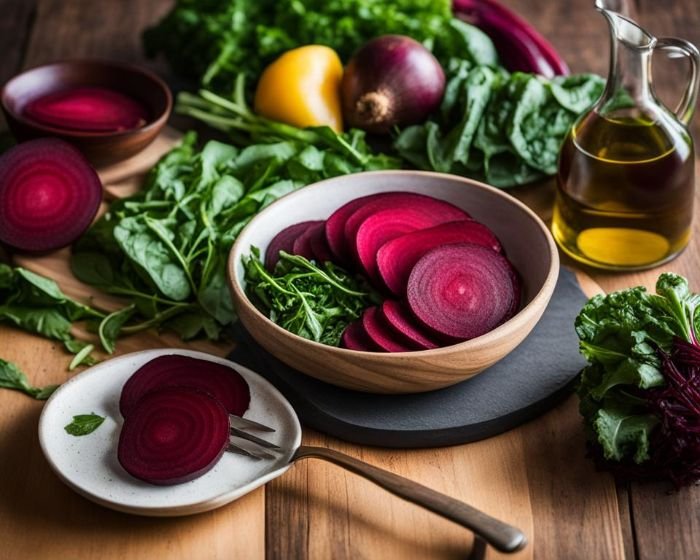
1. Roasting – Roasting beets brings out their natural sweetness and enhances their flavor. Simply scrub the beets, trim off the tops and roots, wrap them in foil, and roast in the oven at 400°F for about 45-60 minutes until tender. Once cooled, peel off the skin and enjoy the roasted beets in salads, as a side dish, or as a colorful addition to grain bowls.
2. Steaming – Steaming beets is a quick and healthy cooking method that preserves their taste and nutrients. Peel and slice the beets, then place them in a steamer basket over boiling water. Steam for about 15-20 minutes until they are tender but still retain a slight bite. Steamed beets can be enjoyed on their own, added to salads, or incorporated into vegetable stir-fries.
3. Juicing – If you prefer a refreshing and convenient way to consume beets, try juicing them. Start by cleaning and trimming the beets, then pass them through a juicer. You can either consume the beet juice on its own or mix it with other fruits and vegetables for a nutrient-packed beverage. Adding a small amount of lemon or ginger can enhance the flavor.
Recipes for Maximizing Health Benefits
1. Beet Salad with Goat Cheese and Walnuts – Combine roasted beets, crumbled goat cheese, and toasted walnuts in a bowl. Drizzle with olive oil and balsamic vinegar, season with salt and pepper, and toss to combine. This salad is not only colorful and visually appealing, but it also provides a delightful combination of flavors and textures.
2. Beet Smoothie – Blend cooked beets, your choice of fruit (such as berries or pineapple), a handful of spinach, a scoop of Greek yogurt, and a splash of almond milk in a blender until smooth. This vibrant smoothie is a nutritious way to start your day or refuel after a workout.
3. Roasted Beet Hummus – Puree roasted beets, chickpeas, garlic, tahini, lemon juice, and olive oil in a food processor until smooth. Season with salt, cumin, and paprika to taste. This vibrant and flavorful hummus is a delicious dip for fresh vegetables or spread on whole grain crackers.
By incorporating beets into your diet through various preparations and recipes, you can enjoy their unique taste and maximize their health benefits. Whether you choose to roast, steam, juice, or incorporate them into your favorite dishes, beets offer a versatile and nutritious addition to your meals.
Precautions and Potential Side Effects
While enjoying the health benefits of beets, it’s important to be aware of certain precautions and potential side effects. Beets contain oxalates, which in high amounts can contribute to the formation of kidney stones, especially in individuals who are susceptible to them.
If you have a history of kidney stones, it is advisable to exercise caution when consuming beets. You may want to consult with a healthcare professional to determine an appropriate intake level for you.
It’s also worth noting that some individuals may experience allergic reactions to beets. Allergic reactions can manifest as skin rashes, itching, or swelling. If you have a known allergy to beets or other foods in the same family (such as chard or spinach), it’s essential to watch for any adverse symptoms and seek medical attention if necessary.
To ensure safety, consulting a healthcare professional before regularly consuming beet juice is recommended, particularly for individuals with chronic kidney disease or end-stage renal disease.
Understanding Beets’ Effects on Kidney Stones
Beets have high levels of oxalates, which can combine with calcium to form kidney stones in susceptible individuals. While the oxalate content in beets is not the highest among vegetables, it’s still important to manage oxalate intake if you have a history of kidney stones.
By being mindful of your beet consumption and discussing it with your healthcare provider, you can ensure that you are taking appropriate precautions while still benefiting from the nutritional value that beets offer.
Allergic Reactions and Other Considerations
In rare cases, some individuals may experience allergic reactions to beets. These reactions can range from mild symptoms such as itching and hives to more severe reactions that require immediate medical attention, such as difficulty breathing or swelling of the throat.
If you suspect an allergic reaction to beets, it is crucial to stop consuming them and seek medical advice. Your healthcare provider can help diagnose the allergy and guide you on managing your diet and potential future exposure to beets.
It’s important to remember that while beets offer numerous health benefits, everyone’s body is different, and individual reactions may vary. If you have any concerns or questions about incorporating beets into your diet, consult a healthcare professional for personalized guidance.
Conclusion
Beets are a powerful vegetable that can significantly contribute to heart health and stamina. Their rich nutritional profile, including high levels of vitamins, minerals, and dietary fiber, makes them a valuable addition to any diet. The high nitrate content in beets plays a crucial role in reducing blood pressure and improving cardiovascular health.
Scientific studies have demonstrated that regular consumption of beets or beet juice can enhance endurance and athletic performance. The dietary nitrates in beets optimize oxygen delivery to muscles, reduce the oxygen cost of exercise, and enhance muscle efficiency. Whether you’re an athlete looking to improve your stamina or simply seeking to boost your overall fitness, incorporating beets into your diet can provide significant benefits.
By including beets in your daily meals and trying out various preparations and recipes, you can easily embrace the numerous health benefits they offer. Roasting, steaming, or juicing beets are all great options for enjoying their delicious flavor and unlocking their full potential. So, why not start introducing beets into your diet today and reap the rewards of improved heart health, increased stamina, and overall well-being?
FAQ
How do beets benefit heart health?
Beets benefit heart health by lowering blood pressure, reducing inflammation, promoting healthy blood cholesterol levels, and protecting against oxidative stress.
Can beets enhance endurance and stamina?
Yes, beets can enhance endurance and stamina by optimizing oxygen delivery to muscles, reducing the oxygen cost of exercise, and enhancing muscle efficiency.
How can I include beets in my diet?
You can include beets in your diet by roasting, steaming, or juicing them. There are also delicious recipes available, such as beet salad, beet smoothies, and roasted beet hummus.
Are there any precautions or side effects associated with consuming beets?
Yes, beets are high in oxalates, which can contribute to the formation of kidney stones in susceptible individuals. Some people may also experience allergic reactions to beets. It is recommended to consult a healthcare professional, especially for individuals with chronic kidney disease or end-stage renal disease.
What are the overall benefits of consuming beets?
Consuming beets can significantly contribute to heart health and stamina. They have a rich nutritional profile, high nitrate content, and numerous scientific studies supporting their benefits in reducing blood pressure, improving cardiovascular health, enhancing endurance, and promoting overall well-being.