

Ever wondered why some Crepe Myrtle trees bloom brightly while others don’t? It’s often about the soil and site setup. When you plant Crepe Myrtle, knowing what soil it likes is key. A good setup helps your plants grow strong and bloom well. This guide will show you how to prepare soil for Crepe Myrtle. Doing this makes your trees healthy and colorful all summer.
Key Takeaways
- Optimal soil conditions are crucial for healthy Crepe Myrtle growth.
- Understanding soil requirements can enhance blooming potential.
- Site preparation is essential before planting.
- Choosing the right location impacts plant health.
- Soil quality directly influences flowering success.
Table of Contents
Understanding Soil Requirements for Crepe Myrtle
Proper soil conditions are key for crepe myrtle’s healthy growth. Knowing what they need helps plants thrive and look great in any yard. We’ll talk about the best soil type, pH levels, and drainage for these beautiful trees.
Ideal Soil Type and pH Level
Crepe myrtles do well in many soils but like slightly acidic to alkaline ones. The best soil pH for them is between 5.0 and 6.5. Most garden soils are usually between 6.0 and 7.0.
Testing your soil can show its pH level. If it’s not right, you can add things to fix it. This makes sure the soil is just right for the trees.
Importance of Soil Drainage
Good drainage is key to stop root rot in crepe myrtles. These trees like dry to moist soil. When planting, dig holes that are three times the pot’s width. This helps with drainage and root growth.
Site Selection for Crepe Myrtle
Finding the right spot for planting Crepe Myrtle is key for its health and beauty. The spot you pick affects how well it grows, how many flowers it makes, and how it looks.
Choosing the Right Location
It’s important to pick a spot where Crepe Myrtle gets lots of sunlight. They love full sun, which means at least six hours of direct sunlight a day. This sunlight helps them grow strong and bloom beautifully, making your garden look great.
Sunlight and Space Considerations
Think about how much sunlight Crepe Myrtle needs when picking a spot. These trees can get really tall, up to 25 feet, and wide, up to 15 feet. Make sure you give them enough room, especially for the bigger ones. Keeping them 6 to 8 feet apart lets them grow well, perfect for privacy screens or hedges. This makes your garden look nice and balanced.

Preparing the Planting Site
Getting crepe myrtle to grow well means preparing the site carefully. Start by testing the soil and adding what it needs for the best growth. This makes sure the tree grows strong and stays healthy.
Soil Testing and Amendments
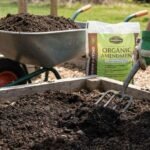
Testing the soil tells you about its pH and nutrients. This is key to finding out what it lacks. If the soil is missing nutrients, adding special stuff can help a lot. Things like manure, compost, or peat moss make the soil richer and better for the tree.
Steps for Site Preparation
Here are the key steps for getting the site ready for crepe myrtle:
- Dig a hole that’s deeper and wider than the pot to let the roots spread.
- Add organic stuff to the soil to make it better.
- Make sure the soil drains well to avoid waterlogging.
- Take out big stones or roots that could stop the tree from growing.
- Level the soil and make a small mound around the tree to keep the soil moist.
Enhancing Soil Quality
Improving the soil around crepe myrtle is key for healthy growth and bright flowers. Using organic matter and proper aeration are two main ways to do this. These methods greatly help make the soil better for crepe myrtle.
Organic Matter and Mulching
Adding organic stuff like shredded bark or pine mulch is a great way to make soil better. Putting down a 4-6 inch layer helps keep soil moist and adds needed nutrients. It also keeps the temperature right and stops weeds, helping crepe myrtle grow well.
Importance of Soil Aeration

Soil aeration is crucial for roots to grow and get nutrients. It lets roots go deeper and get what they need better. Adding things like perlite or vermiculite helps with aeration and makes sure water drains well. Keeping the soil loose after planting helps air and water move around, keeping crepe myrtle healthy.
Planting Techniques for Crepe Myrtle
Planting crepe myrtle right is key to its success. You need to get the depth and spacing right. Also, watering and fertilizing correctly is important for healthy growth.
Proper Planting Depth and Spacing
Make sure the top of the root ball is level with the soil when planting crepe myrtle. Don’t put it too deep. It’s also important to leave enough space between plants, about 6-8 feet for big ones. This helps with air flow and keeps diseases away.
Watering and Fertilization Tips
Watering after planting helps the roots settle well. In the first year, keep watering regularly to help it grow strong. Later, you can water less often.
Don’t put fertilizers in the hole when planting. Instead, use a general-purpose fertilizer twice a year. This gives the tree what it needs without making too much foliage.
Maintenance Tips for Healthy Growth
Proper care for crepe myrtle trees makes them look great and stay healthy. Keeping an eye on soil moisture and adjusting with the seasons helps your tree do well all year.

Monitoring Soil Moisture
Checking soil moisture is key for crepe myrtle health. Check the soil often, especially when it’s dry. New trees need water about twice a week, especially in sandy soil. Older trees need about an inch of water each week.
But, don’t over-water. It can hurt the roots. Make sure the soil drains well for the tree’s health.
Seasonal Care and Adjustments
Seasonal care is important for crepe myrtle. In spring, add mulch around the tree to keep moisture in and protect it from extreme temperatures. When it starts to grow, use good fertilizers to help it grow strong.
Watch your tree for pests like aphids and diseases like powdery mildew. Catching these early and treating them helps keep your tree healthy.
Conclusion
Getting crepe myrtle to grow well starts with knowing about soil and site prep. Choosing the right soil and making sure it drains well is key. This helps these trees grow strong.
Also, picking the right spot for your tree is important. It should get enough sunlight and have enough room to spread out. This makes sure they grow big and colorful.
Good planting, watering, and care are also vital. These steps help grow strong, healthy trees. They make sure the crepe myrtle blooms beautifully.
To sum up, putting effort into preparing the soil and choosing the right spot is crucial. With careful attention, gardeners can enjoy the stunning colors these trees bring all season long.
FAQ
What type of soil is best for Crepe Myrtle trees?
Crepe Myrtle trees do well in soils that drain well and are a bit acidic to neutral. They like a pH between 5.0 and 6.5. Testing your soil can show if you need to add anything to get it right.
How can I ensure proper drainage for my Crepe Myrtle?
Make sure your planting holes are big enough, at least three times the pot’s diameter. Don’t use heavy soils that hold water, as they can cause root rot.
How much sunlight do Crepe Myrtle trees need?
Crepe Myrtle trees need full sun. They should get at least 6 hours of direct sunlight each day. This helps them grow strong and bloom well.
How far apart should I plant my Crepe Myrtle trees?
For big trees, plant them 6 to 8 feet apart. This gives them good air flow and helps prevent diseases.
What should I do to prepare the planting site for Crepe Myrtle?
Start by digging a hole deeper and wider than the pot to let roots spread. Add organic stuff like manure or compost, make sure it drains well, and clear out any debris before you plant.
How deep should I plant my Crepe Myrtle?
Plant so the top of the root ball is even with the soil. Don’t bury the root ball too deep to help it grow well.
What type of organic matter can I add to improve my soil for Crepe Myrtle?
Use well-rotted manure, compost, or peat moss to make the soil better. Adding shredded bark or pine mulch helps keep the soil moist.


