





Growing chrysanthemums starts with getting the soil right. The right soil conditions are very important. They make sure the chrysanthemum plants grow and bloom well. But what’s the best way to prepare the soil for these flowers to do their best?
This article looks into how to grow chrysanthemums. We’ll talk about the key steps in getting the soil ready. This includes knowing what type of soil chrysanthemums need, testing the soil, and improving it. By following these steps, you’ll set your chrysanthemums up for success.
Key Takeaways:
- Proper soil preparation is crucial for growing healthy and vibrant chrysanthemum plants.
- Understanding the soil requirements of chrysanthemums is key to providing them with the ideal growing conditions.
- Conducting soil tests can help determine the current state of the soil and guide necessary amendments.
- Improving soil structure and managing nutrient levels are important aspects of soil preparation for chrysanthemums.
- Site selection, proper planting techniques, and mulching are essential for creating an optimal environment for chrysanthemums to thrive.
Table of Contents
About Chrysanthemums and Soil Preparation
Welcome to the world of chrysanthemums. These are stunning flowers for any garden. They bring vibrant colors to your outdoor space. For those who want to grow them, understanding soil quality is key.
Chrysanthemums, or mums, are very adaptable. They can grow well in many soil types. But, the right soil makes sure they grow their best and bloom beautifully.
Importance of Soil Quality for Chrysanthemums
The quality of soil is crucial for chrysanthemums’ growth and health. It gives them nutrients, water, and air. This helps the plants grow strong roots and lots of flowers.
Good soil helps chrysanthemums fight off disease and use nutrients better. It also helps them live longer. Bad soil can cause problems like small growth and more pests.
For chrysanthemums, preparing the soil is vital. This creates the best environment for them to flourish.
Overview of Blog Post Content
In this blog post, we’ll guide you on making the perfect soil for chrysanthemums. We’ll look at their soil needs, test soil, and enhance it. We’ll also talk about managing nutrients and keeping soil in great condition.
Our aim is to give you the info and tips to grow beautiful chrysanthemums. So, let’s get started and learn about chrysanthemums and soil prep!
Understanding Chrysanthemums’ Soil Requirements
Chrysanthemums are gorgeous flowers that need the right soil to grow well. It’s key to know what soil they like. We will look at the perfect soil pH, the right soil type, and nutrition they need. This is important for their health.
Ideal Soil pH for Chrysanthemums
The soil pH is very important for chrysanthemums. They do well in a bit sour to not too sour soil, with a pH of 6.0 to 7.0. Getting the pH right helps them pull in nutrients to make bright and beautiful flowers. It’s vital to check and adjust the pH when you need.
Soil Texture and Drainage Needs
Chrysanthemums love soil that drains well but still holds some moisture. The kind of soil they grow in decides how well water moves through it. A mix of sand, silt, and clay, called loamy soil, is the best for them. Loamy soil helps roots grow well and prevents drowning. Adding organic material can turn your soil into the perfect home for chrysanthemums.
Nutrient Requirements
Chrysanthemums need certain nutrients to grow and bloom. They must have enough nitrogen, phosphorus, and potassium, along with other important nutrients. Nitrogen helps them grow leaves, phosphorus helps roots and flowers, and potassium makes them strong against diseases. Feed your soil with the right nutrients regularly to keep your chrysanthemums happy.
To grow the best chrysanthemums, the soil must be just right. You need the best soil pH, type, and nutrients. Knowing what they need will help you grow healthy flowers with stunning colors.
Soil Testing and Analysis
To make sure soil is great for chrysanthemums, a thorough test is key. This test shows what the soil needs. It helps decide if any changes are needed.
How to Conduct a Soil Test
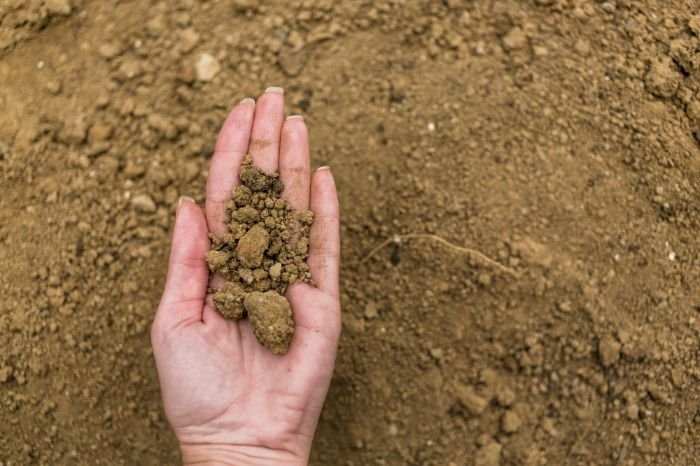
Testing soil sounds hard, but it’s easy. Gathert soil from where your chrysanthemums will grow. Use a shovel or trowel. Dig down 6-8 inches.
Put all samples in a bucket and clean them. Take a little sample for testing. You can test it at home or send to a lab.
Interpreting Soil Test Results
After testing, understand the results. You’ll learn the soil’s pH, nutrients, and organic matter. It gives advice on fertilizer too.
Focus on the pH because chrysanthemums like slightly sour soil. Aim for a pH of 6.0 to 6.5. Wrong pH can hurt your plants. You might need to change the pH.
Adjusting Soil pH Levels
If the pH isn’t right, you can fix it. For too sour soil, add lime to make it sweeter. Or use sulfur for too sweet soil.
Changing the pH takes time. Making small changes is safest. Keep testing and adjusting the soil.
Test the soil often for great chrysanthemum growth. This makes a better spot for your flowers to bloom.
Improving Soil Structure
Building a good soil environment is key for chrysanthemum growth. A well-structured soil helps roots grow strong and take in nutrients. This makes chrysanthemum plants healthier and more lively.
To make soil better, work on its drainage, and add organic stuff. This boosts the soil’s health and helps chrysanthemums thrive.
Enhancing Soil Drainage
Good soil drainage stops water from gathering around plant roots. It prevents root rot and diseases, keeping plants healthy.
Improving soil drainage means doing things like:
- Adding compost or manure to soil to make it less dense and better for water.
- Making channels or ditches to guide water away from plants.
- Using raised beds to help water drain better, especially in dense clay or hard soil.
These steps make soil drain well, avoiding water issues and boosting chrysanthemum growth.
Adding Organic Matter
Using organic material makes soil structure better and enriches it. It also helps keep soil moist and supports helpful microorganisms. This makes nutrients easier for the chrysanthemum to get.
To add organic material, try:
- Putting a layer of mulch around plants. It can be leaves or straw that will feed soil as it breaks down.
- Mix in compost or manure before planting. It gives roots a rich place to grow.
- Growing crops to churn into the soil. This boosts organic matter in the soil.
Adding organic matter improves soil, gives more nutrients, and keeps chrysanthemums healthy for a long time.
Using Soil Amendments
Besides organic matter, soil amendments can be used to improve the soil. They adjust the way soil acts to help plants grow better.
Good amendments for chrysanthemums are:
- Bone meal, which is full of phosphorus for root and flower growth.
- Gypsum improves heavy clay soil by breaking it up and helping drainage.
- Perlite or vermiculite make the soil fluffier for better air and water movement.
When using amendments, follow instructions and test your soil. This makes sure your plants get what they need.
Nutrient Management
For chrysanthemums to grow well, they must get the right nutrients. These beautiful flowers need key nutrients for best growth and bright colors. We will talk about the nutrients they need, how to pick the right fertilizer, and the choice between organic and synthetic.
Essential Nutrients for Chrysanthemums
Chrysanthemums need a mix of important nutrients. This mix helps them grow and bloom well. The key nutrients they need are:
- Nitrogen – for strong leaves and a healthy plant.
- Phosphorus – helps roots grow and flowers bloom.
- Potassium – for fighting off diseases and staying strong.
- Calcium – strengthens cells and fights diseases too.
- Magnesium – for green leaves and good photosynthesis.
By providing these nutrients, your chrysanthemums will look their best.
Choosing the Right Fertilizer
Choosing the right fertilizer for chrysanthemums is crucial. Don’t just look at the N-P-K numbers. Also, think about how the fertilizer releases its nutrients. Slow-release options feed the plant over time. Fast-release options provide nutrients quickly.
The soil’s pH level matters too, with 6.0 to 7.0 being best for chrysanthemums. Pick a fertilizer that matches this pH. A good fertilizer will make sure the plants get the nutrients they need.
Organic vs. Synthetic Fertilizers
There are pros and cons to using organic and synthetic fertilizers for chrysanthemums.
Organic fertilizers – They come from natural sources and feed plants slowly. They also make the soil better and support good microbes. Choose from compost, manure, bone meal, and fish emulsion for organic fertilizers.
Synthetic fertilizers – These are man-made and give plants a quick nutrient boost. They are fast to use but may harm the soil if overused. Options include water-soluble granules and balanced dry granules.
Preparing the Planting Site
Getting the planting site ready is key for chrysanthemums to grow well. Let’s go over the steps needed for a perfect spot for your plants.
Site Selection and Sunlight Requirements
Finding the right spot for your chrysanthemums is vital, as they love the sun. They need six hours of direct sunlight every day to grow best.
Be careful not to pick a spot covered by trees or buildings. Too much shade stops chrysanthemums from blooming well. Also, pick a place with good air flow to avoid plant diseases.
Preparing the Soil Bed
First, clean the area by getting rid of weeds and grass. This step reduces the risk of pests and diseases.
Loosen the soil with a fork or tiller next. Good soil helps the roots get what they need. Adding compost makes the soil richer, helping your plants grow strong.
Creating Raised Beds for Better Drainage
If your soil doesn’t drain well, use raised beds. They keep the right amount of moisture for your chrysanthemums.
Build up the soil in a raised bed with compost and topsoil. These beds should be 8-12 inches high and 3-4 feet wide. This gives your plants plenty of room to grow.

Planting Chrysanthemums
After preparing your soil well, it’s time to put in your chrysanthemums. Care about when to plant, how to plant, and the space between them. These are key for their best chance to grow strong.
Timing for Planting Chrysanthemums
In the spring, plant your chrysanthemums once frost danger is gone. This lets the roots get strong and ensures great summer and fall blooms. Don’t plant them too early, as frost could hurt or kill them.
Proper Planting Techniques
Start by digging a hole a bit larger than the plant’s root ball. Take the plant gently from its pot. Put the plant in the hole so its roots can breathe. Fill the hole with soil and press lightly. Make sure the plant’s crown sits right at the soil’s surface.
Then water the plants well to set up their root environment. But, don’t let the soil get too wet. Water them just enough to keep the soil moist, not soggy. This will help avoid issues like root rot.
Spacing for Optimal Growth
For chrysanthemums to grow their best, spacing matters a lot. It helps air move around, stops disease, and lets sunlight reach every plant. Keep them apart by 12 to 24 inches (30 to 60 cm). This varies by the chrysanthemum type.
Get the timing right, use the proper techniques, and give your chrysanthemums space. This is how you help them be healthy and colorful. With them in the ground, it’s on to the next steps: mulching and soil care. These keep water in and weeds out.
Mulching and Soil Maintenance
Mulching is key for taking care of chrysanthemums. It has many benefits, improving plant health and growth. Knowing the right mulch, along with good mulching ways, will make your garden better.
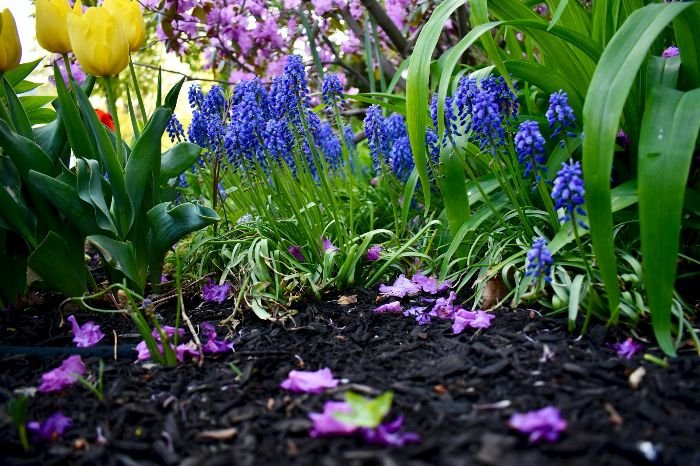
Benefits of Mulching
Mulching offers big pluses for chrysanthemums and your garden as a whole. Here’s why mulching is good:
- Maintains Soil Moisture – By covering the soil, mulch keeps in moisture and lowers the evaporation rate. This keeps the ground wet, helping plants.
- Suppresses Weed Growth – Mulch stops light from reaching weed seeds, cutting down on weeds. Without weeds, your chrysanthemums get more of the nutrients and water they need.
- Regulates Soil Temperature – Mulch acts like a blanket, keeping soil cool in the heat and warm in the cold. This means a better environment for chrysanthemums to grow.
- Improves Soil Structure – As organic mulch breaks down, it adds nutrients to the soil and helps with water holding. It also supports good microbial life in the soil.
- Prevents Soil Erosion – Mulch stops rain from washing away soil. This is very useful for sloped or bare areas in your garden.
Mulching your chrysanthemums makes a place for them to be happy and healthy.
Types of Mulch Suitable for Chrysanthemums
There are different types of mulch, each with its own strengths. When picking mulch for your chrysanthemums, think about these:
- Organic Mulch – Things like wood chips, straw, or compost enrich the soil and help save water. They also encourage a healthy soil environment.
- Inorganic Mulch – Pebbles or rocks can look nice and keep weeds away. They last longer than organic mulch but won’t add to the soil.
- Plastic Mulch – This is used more in big chrysanthemum farms. It controls weeds, keeps moisture in, and helps with soil temperature. But, it’s not the best for everyone because it needs attention.
When choosing mulch, think about what your chrysanthemums and your garden like.
Mulching Techniques
Here are some great mulching tips for your chrysanthemums:
- Clean the Bed – Get rid of weeds, trash, and old plants before adding mulch.
- Apply a Layer of Mulch – Put 2-4 inches of mulch down, but not too close to the plant stems to avoid issues.
- Refresh Mulch Regularly – Mulch wears out, so sometimes you have to add more. This keeps its good effects going.
- Avoid Piling Mulch Against Stems – Mulch should not touch the plant stems. This keeps them safe from diseases.
Using these mulching tips will keep your soil healthy and your chrysanthemums happy.
Water Management
Proper water care is key for healthy chrysanthemums. By setting a regular watering plan, you avoid under or overwatering. This ensures good growth and stops water problems.
Establishing a Watering Schedule
It’s vital to have a steady watering plan for these flowers. They like moist soil but not soaked. Think about the season and if it’s been wet as you decide how much water they need. Generally, one inch of water per week is a good goal, from rain or by hand.
Avoiding Overwatering and Underwatering
Chrysanthemums react badly to too much or too little water. Too much makes the soil too wet, harming the roots. It can also lead to root rot. Too little water causes the plants to wilt. Make sure the soil dries a bit between waterings to avoid overwatering. For underwatering, check the soil’s dampness with your finger, watering when it’s dry.
Remember, the water needs of chrysanthemums change as they grow. Young or potted plants need more water. Older ones in good soil need less.
Irrigation Techniques
There are many ways to water chrysanthemums well. Drip irrigation and soaker hoses are popular. Drip irrigation sends water directly to the roots, cutting down wasted water. A soaker hose spreads water right on the ground, keeping leaves dry and healthy. Choose a method that gets water to the roots and deep into the soil.
Common Soil-Related Problems and Solutions
Dealing with Poor Drainage
Poor drainage can be a big issue for chrysanthemums. It stops water from moving out of the soil. This makes the soil too wet and leads to root rot. To fix poor drainage, do the following:
- Use compost or well-rotted manure to make the soil better at draining.
- Raise your planting area up with beds or mounds. This helps water move away easier.
- Make sure not to water too much and pick a spot that drains water well.
Doing these things will help your chrysanthemums grow in a better place, without drainage problems.
Correcting Nutrient Deficiencies
Lacking nutrients can make chrysanthemums weak and not bloom well. Look for signs like yellow leaves or slow growth. These signs show the soil needs more nutrients. To fix this issue, do the following:
- Test the soil to see what nutrients are missing.
- If the soil is too acidic or alkaline, fix it so plants can use nutrients better.
- Use a fertilizer that chrysanthemums like and need.
Fixing nutrient problems will make your chrysanthemums healthier. They will grow more flowers.
Managing Soil-Borne Diseases
Soil diseases can harm chrysanthemums, making them wilt or die. To deal with these diseases:
- Plant chrysanthemums in different places each year to avoid diseases.
- Don’t give too much water. Good drainage helps keep diseases away.
- If plants get sick, use the right fungicides or natural controls to stop the disease.
- Clean your garden and tools often to prevent disease spread.
Following these steps will help keep your chrysanthemums safe from soil diseases. It keeps them healthy.
Conclusion – Achieving Optimal Soil Conditions for Chrysanthemums
It’s vital to have the right soil for chrysanthemums to grow well. They need soil that’s the proper type and full of the right nutrients. In this article, we talked about making the soil perfect for these garden favorites. We looked at soil pH, how it feels, if it drains well, and taking care of nutrients.
Start by testing your soil to see what it needs. This helps you fix any problems and balance the pH. It’s also good to make sure the soil lets water through easily. This makes a big difference for chrysanthemums. Adding organic stuff and changing the soil can make it better for your plants.
Chrysanthemums need certain nutrients to grow strong and have pretty flowers. Know what they need and use the right food for them, whether it’s natural or not. This keeps your plants healthy.
Get the planting area ready well to grow great chrysanthemums. Put them far enough apart, cover the soil with mulch, and water them correctly. This makes the soil just right for your flowers. Fix any soil problems right away to have a good growing time.
As you start growing chrysanthemums, follow the advice in this article. Good soil prep is key to having beautiful and lively chrysanthemums. Make the soil perfect, and you’ll see your garden light up with their colors.
FAQ
What is the importance of soil quality for growing chrysanthemums?
Great soil is key for chrysanthemum growth. It gives the right nutrients and pH balance. It also lets water drain properly.
What are the ideal soil pH requirements for chrysanthemums?
Chrysanthemums like soil that is a little acidic to neutral. Aim for a pH between 6.5 and 7.5.
Why is soil texture and drainage important for chrysanthemums?
Good soil texture and drainage are crucial. They help air and water reach the roots. This stops root rot and waterlogging.
What are the nutrient requirements for healthy chrysanthemum plants?
Chrysanthemums need a mix of nutrients. This includes nitrogen, phosphorus, potassium, and other important elements.
These nutrients help the plant be strong and able to bloom well.How can I conduct a soil test to assess the current condition of my soil?
To do a soil test, gather soil from different parts of your garden. Then, send it to a lab for analysis.
Follow what the lab says to get the best results.How can I adjust soil pH levels if they are not suitable for chrysanthemums?
If the pH levels are off, you can change them. Add sulfur to make it more acidic. Lime makes it less acidic.
How should I effectively mulch the soil around my chrysanthemums?
To mulch well, put a layer around your plants. Keep it away from the stems to avoid problems.