Updated April 21, 2026
Maple tree types differ most in mature size, growth habit, root behavior, bark, sap sugar content, and wood density. Sugar maple and black maple lead the syrup and hard-wood side of the genus. Red maple is the broad-use landscape maple for mixed conditions. Silver maple fills open ground fast, while Japanese maple and paperbark maple fit smaller ornamental spaces.
Choose in this order: mature size, growth habit, site tolerance, then specialty use. That sequence prevents expensive mistakes. Many maple problems start when buyers choose for autumn color first and only discover root spread, storm load, or heat sensitivity after the tree is established.
Common maple tree types include sugar maple, black maple, red maple, silver maple, Japanese maple, paperbark maple, and Norway maple. Their best uses split cleanly: sugar and black maple lead for syrup and hard wood, red maple leads for adaptable landscape shade, silver maple fits open ground, and Japanese or paperbark maple fit small-space ornamental planting.
Key Takeaways:
- Match mature canopy width before you chase fall color
- Compare species by size, roots, bark, and best use
- Choose sugar or black maple for syrup and hard wood
- Use red maple where soils and conditions vary more
- Keep silver and Norway maple away from bad-fit sites
Table of Contents
Types Of Maple Trees – The Main Groups Most Gardeners Compare
Most home landscapes do not need a tour of every maple in the genus. They need a working shortlist. Maples include about 200 species, though yard decisions usually narrow down to a small group with distinct jobs and clear tradeoffs.
Large maples for shade, structure, and long-term value
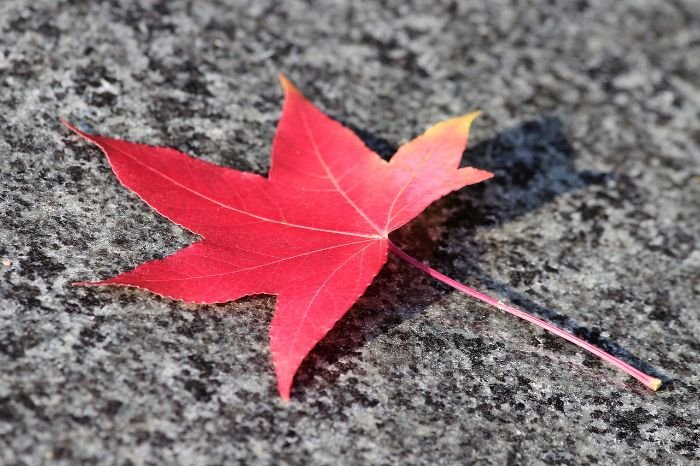
Sugar maple is the classic large landscape maple. It brings a dense crown, strong orange-to-red fall color, sweet sap, and the hard maple lumber used for flooring, cabinetry, and work surfaces. Black maple sits close to sugar maple in both syrup and wood value, with a similar practical role in colder regions where syrup production matters. Red maple plays a different role. Its broad adaptability across soil conditions helps explain why it keeps turning up as a shade tree, boulevard tree, and general landscape tree. Silver maple earns attention for speed. The canopy expands fast, and the pale underside of the leaf flashes light when wind moves through the crown.
Smaller maples for close-range detail
Japanese maple belongs near a path, entry, courtyard, or view from the house. The appeal comes from branch layering, leaf shape, color nuance, and scale. Paperbark maple is smaller as well, though its strongest season is not always fall. Its peeling cinnamon bark keeps the tree useful in winter when a flower-heavy ornamental has gone quiet. Norway maple still appears in many older landscapes because it tolerates urban pressure and casts dense shade. That durability is real. So are the ecological concerns tied to it.
These trees solve different landscape problems. Sugar maple is a long-horizon shade tree. Japanese maple is a specimen. Silver maple is a fast canopy tree for open ground. Paperbark maple is a four-season accent. Norway maple remains in the comparison because many existing landscapes contain it, not because it is the cleanest species for new planting.
Key Characteristics By Maple Type – Size, Growth Habit, And Best Use
| Maple type | Mature size and habit | Key characteristics | Best use | Main caution |
|---|---|---|---|---|
| Sugar maple | Large, dense, broad shade tree | Rich fall color, sweet sap, hard wood, slower settled growth | Shade, syrup, premium hardwood value | Dislikes chronic compaction, salt, and hot paved strips |
| Black maple | Large shade tree close to sugar maple | High sap sugar, hard wood, strong cold-region utility | Syrup and shade where hard maple value matters | Less common in nurseries, still needs room |
| Red maple | Large shade or boulevard tree | Adaptable soil tolerance, strong seasonal color, easier establishment | General landscape use and adaptable shade | Cultivar performance changes with site and heat exposure |
| Silver maple | Large, fast-growing, spreading canopy | Rapid growth, flashing leaf undersides, quick shade | Open lawns and large spaces needing fast canopy | Surface roots and weaker branch structure in tighter sites |
| Japanese maple | Small ornamental tree | Fine leaf texture, layered branching, strong close-up beauty | Small yards, entries, courtyards, specimen planting | Leaf scorch in hot reflected afternoon exposure |
| Paperbark maple | Small to medium specimen tree | Peeling cinnamon bark, winter structure, moderate size | Four-season ornamental value in smaller spaces | Slower visual impact than faster canopy trees |
| Norway maple | Large dense shade tree | Urban toughness, dense canopy, strong seeding | Legacy urban plantings more than new natural-edge sites | Invasive behavior in many woodland-adjacent regions |
Mature size, growth habit, and root behavior matter more than leaf color alone. Mature size controls where a maple can actually live. Growth habit controls whether the crown feels calm, upright, cascading, or heavy. Root behavior controls whether the tree stays compatible with pavement, patios, and narrow lawn strips. If you are planting in a tighter city lot, the spacing and root-clearance issues in selecting trees for urban gardens apply directly to maples.
Climate and soil still shape the final choice. Red maple handles a broader range of everyday soils than sugar maple. Japanese maple needs shelter from punishing western heat in many warm-summer gardens. Sugar maple rewards a better site. Before you commit to any large maple, it is worth reading the ground properly through texture, drainage speed, and seasonal moisture swing. A quick refresher on soil types and drainage behavior pays off fast here.
Maple Trees In Landscapes – Shade, Bark, Seasonal Color, And Wildlife Value
Maples earn landscape space across more than one season. Summer shade is the obvious job. Early flowers feed pollinators before many shrubs have moved, samaras feed birds and small mammals, and the canopy cools mulched root zones through shade interception and transpiration.
Shade trees and specimen trees should be judged differently
Red maple can work as both an accent and a boulevard tree, which explains its landscape range. It reads well as a lawn specimen and still works in tougher planted strips where wind, reflected heat, and uneven soil are part of the site. Sugar maple looks better in a deeper lawn or park-like planting where the crown can broaden without fighting pavement edges every season. Japanese maple and paperbark maple belong closer to the viewer. Their value comes from branch architecture, bark, and leaf detail rather than from a giant afternoon shadow.
Gardeners often remember the October canopy and forget the July shade pattern. A maple that cools the chair, path, or window you actually use will feel more valuable than one that peaks for a short burst of fall color in the far corner of the yard.
Viewing distance matters. A red maple reads from the street as seasonal mass. A Japanese maple reads best from ten or fifteen feet away, where leaf texture and branch layering stay visible. Paperbark maple keeps working after leaf drop because the trunk remains part of the display. Before planting, compare the site against how your garden receives light through the day, not by guessing from a noon snapshot.
Maple Wood And Syrup – The Valuable Uses Are Species-Specific
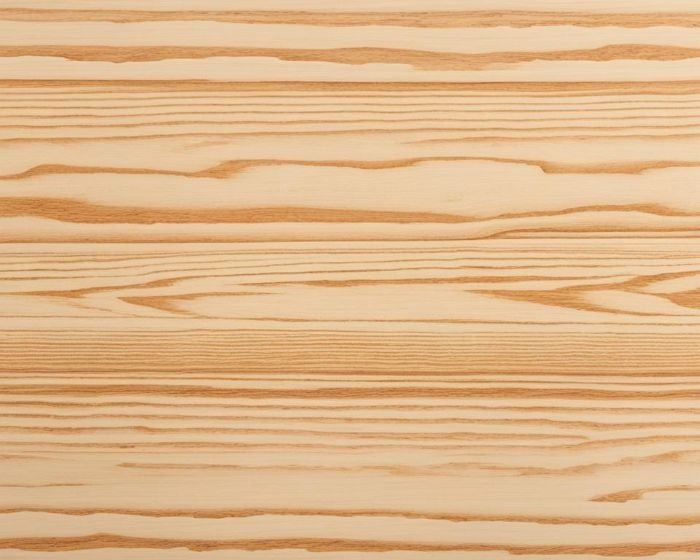
Maple uses divide sharply by species. Sugar maple wood is heavy and strong, while red maple sits in a medium-density tier more often used for furniture parts, pallets, and secondary products. That hard maple versus soft maple split matters in shops, mills, and buying guides because it changes wear resistance, price, and best end use.
Hard maple earns the premium lumber role
Hard maple usually means sugar maple and sometimes black maple. The wood feels dense in the hand, machines to a fine surface, and holds up under repeated impact. That is why it lands in floors, cabinetry, butcher-block tops, gym surfaces, and tool handles. Soft maple usually means red maple or silver maple. It still makes useful furniture stock and millwork. It simply does not occupy the same wear-heavy tier.
Syrup production narrows the field fast
Syrup production usually starts with sugar maple, with black maple close behind, because sap sugar concentration runs higher than it does in red or silver maple. That one characteristic changes the whole workload. More sugar in the sap means less water to evaporate before you reach syrup density. Freeze-thaw cycling drives the spring sap run through stem pressure changes, so species fit and weather window both matter. A serious tapping plan should follow a clear maple syrup production workflow.
Red maple and silver maple can still be tapped for home use. The result is real maple syrup. The process just asks for more raw sap per finished gallon. For a backyard hobby, that may be acceptable. For efficient production, sugar maple and black maple stay at the front of the list.
Maple Tree Tradeoffs – Fast Growth, Surface Roots, Heat Stress, And Invasive Spread
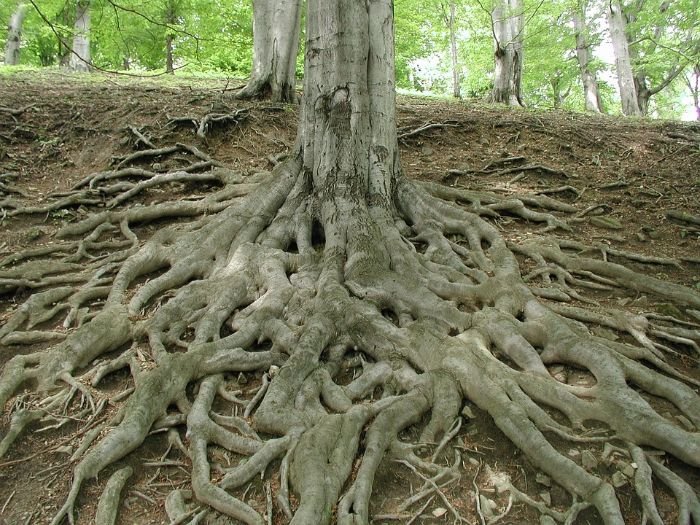
The wrong maple creates predictable trouble. Silver maple grows fast because it pushes long extension growth and builds a broad crown early. That same speed usually comes with shallower roots and a branch structure that belongs in open space, not pressed against patios, sidewalks, and narrow drives. Near hardscape, the roots can lift edges and crowd usable lawn.
Norway maple needs a stricter site assessment than many other landscape maples because dense canopy cover and heavy seeding can allow it to displace native understory plants in woodland settings. On properties bordering woods, creek corridors, or unmanaged fence lines, that risk outweighs its urban toughness. In those settings, choosing native plants is a better filter than nursery convenience.
Pro Tip: Mark the mature canopy on the ground with a garden hose before you buy. Nursery size shrinks the problem. Adult crown width puts the real footprint back into view.
Smaller maples carry their own risks. Japanese maple leaves scorch when hot western light, reflected wall heat, and dry wind hit thin tissue at once. Sugar maple dislikes chronic compaction, road salt, and hot paved strips more than red maple does. Norway maple can look tough for years, then seed into places where you did not intend to plant it. Most maple mistakes come from using one attractive trait to override all the others.
Maple Tree Identification – How To Confirm A Maple Quickly
Identification works best after you already know the main landscape groups. The fast field cues are simple. True maples carry opposite branching, paired buds, and joined winged samaras. Many species have lobed leaves. Boxelder is the common exception that confuses people because its leaves are compound, though the twig arrangement is still opposite.
The seed tells a lot. Maple samaras spin because the wing creates drag and rotational lift as the seed falls. That movement spreads seed farther from the parent tree and reduces crowding at the base of the trunk. The twig tells even more in winter. Opposite buds at each node stand out once you know to look for them.
A snapped petiole helps separate Norway maple from sugar maple. Norway maple releases a milky sap. Sugar maple does not. That difference helps when the two are being compared from one fallen leaf in autumn or one volunteer seedling in spring.
Best Maple Trees By Yard Goal – Quick Matching Guide
| Yard goal | Best maple direction | Why it fits | Main caution |
|---|---|---|---|
| Deep summer shade and strong fall color | Sugar maple or red maple | Large crowns, dependable seasonal show, long-term structure | Needs real room away from hard edges and overhead conflicts |
| Fast canopy on open ground | Silver maple | Rapid shade where root spread and branch size have space | Wrong fit near patios, drives, and narrow lawn strips |
| Backyard syrup hobby | Sugar maple or black maple | Higher sap sugar content means more efficient boiling | Needs healthy trees and a climate with reliable freeze-thaw swings |
| Small yard or close-range specimen | Japanese maple or paperbark maple | Better scale, bark detail, and close-up visual payoff | Heat scorch for Japanese maple, slower impact for paperbark |
| Tougher mixed-soil urban site | Red maple | Broader adaptability than sugar maple in ordinary landscapes | Cultivar fit still matters in hot, dry, compacted positions |
| Property near woods or natural habitat | Native red or sugar maple | Better ecological fit and fewer spread concerns | Skip invasive or potentially invasive maple species |
Match maples by size first, site tolerance second, and specialty use third. A sugar or black maple earns space when shade, syrup, and hard wood value matter. Red maple earns space when the site is less ideal and the landscape still needs a large maple. Silver maple belongs in open ground with honest room. Japanese and paperbark maple belong where detail matters more than giant canopy.
Conclusion
Choose sugar or black maple for syrup and hard wood, red maple for adaptable shade, silver maple only where roots and crown have room, Japanese maple for close-range leaf detail, paperbark maple for bark and winter structure, and skip Norway maple near natural edges.
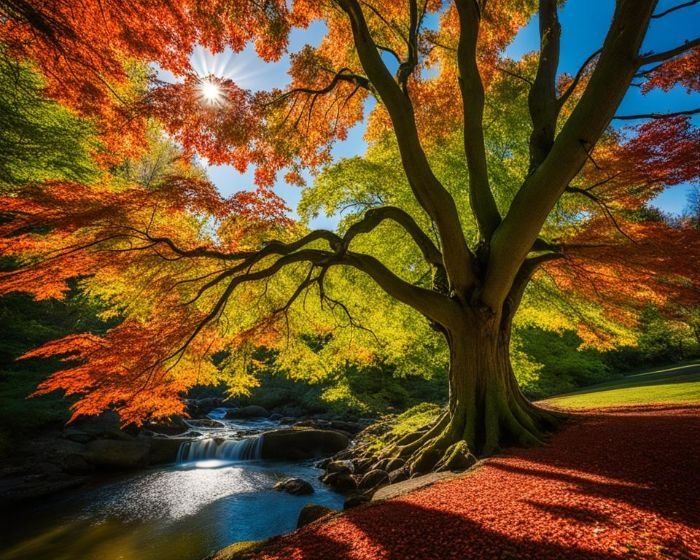
If the site can support a big shade tree, crown width should decide the first cut. If the space is smaller, branch form, bark, and heat exposure should decide it. A well-matched maple will feel settled by year five, with shade landing where you use it and autumn light filtering through a crown that looks as if it belonged there from the start.
FAQ
How do you identify a maple tree quickly?
Start with the twig before the leaf. Opposite branching, paired buds, and joined winged samaras are the fastest cues. Most maple leaves are lobed, though boxelder is the common exception with compound leaves. If you are separating Norway maple from sugar maple, snap the leaf stalk and check for the milky sap that Norway maple releases.
Can you tap any maple tree for syrup?
Yes, though not every maple gives the same return for the work. Sugar maple and black maple stay at the top because their sap usually carries more sugar. Red and silver maple can still be tapped for home use. The syrup is real. The process simply takes more sap for the same finished yield.
What happens if you plant a silver maple too close to a patio or driveway?
Surface roots become the usual problem before trunk size does. As the tree matures, those roots can lift pavement edges, crowd lawn strips, and make the space harder to use comfortably. The top grows fast as well, so the crown reaches over hardscape sooner than many homeowners expect. In a broad lawn that trade can work. In a tight hardscape setting, it ages poorly.
Is Norway maple always a bad choice?
If you are buying for a new planting, the answer changes with what borders the property. On a lot that touches woods, a creek corridor, or an unmanaged edge, Norway maple is an easy pass because the seeding risk extends beyond the planting bed itself. In a fully built urban block the ecological cost is lower, which explains its long planting history. Even there, red or sugar maple still bring cleaner long-term value when the site fits them.
Which maple tree works best for a small yard?
Japanese maple and paperbark maple are the two most useful small-yard answers, though they solve different design problems. Japanese maple is the better pick when the tree will be viewed from a porch, path, or window at close range. Paperbark maple is the better pick when winter bark and trunk structure matter as much as leaf season. If you only have room for one small tree, choose by viewing distance first and season of interest second.
What is the difference between hard maple and soft maple?
Hard maple usually means sugar maple and sometimes black maple. Soft maple usually means red maple or silver maple. The distinction is commercial and practical: hard maple is denser and more wear resistant, which is why it keeps showing up in floors, cabinetry, and work surfaces. Soft maple still makes useful furniture stock and millwork. It simply occupies a lighter-duty category.
Do maple trees need full sun?
Large landscape maples generally perform best with at least six hours of direct sun, especially when dense canopy and strong fall color are the goal. Red maple handles ordinary landscape variation more easily than sugar maple, though both branch and color better with solid light. Japanese maple is the common exception in warmer regions, where afternoon protection reduces leaf scorch. The real test is not sun alone. It is sun plus reflected heat from walls, paving, and nearby hardscape.
What is the most common mistake people make when choosing a maple?
Buyers fall for leaf color and ignore adult footprint, root clearance, and the hottest side of the lot. The regret shows up later as heavy corrective pruning, roots crowding hardscape, or a canopy that shades the wrong space. Measure width before height and map where the crown will land over pavement, windows, and sitting areas. Width creates the conflict in most home landscapes, and site heat decides whether the species choice ages well.