




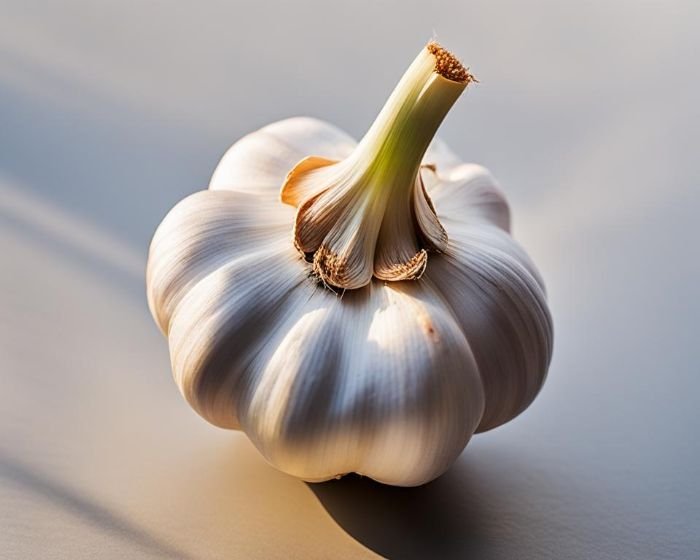
Did you know that garlic has been used for thousands of years as a natural remedy for various health conditions? This humble bulb, commonly found in kitchens around the world, possesses powerful properties that make it a potent natural antibiotic and immunity booster. Its impact on our well-being is truly remarkable!
- Garlic is a natural antibiotic and immunity booster.
- It has been used for its health benefits for centuries.
- Garlic contains allicin, a compound responsible for its antibacterial effects.
- It can help fight against bacterial infections.
- Garlic also enhances the immune system.
Table of Contents
Garlic’s Powerful Antibiotic Properties
Garlic is renowned for its antibiotic properties, making it a natural and effective remedy for fighting bacterial infections. The key compound responsible for these properties is allicin, which is formed when alliin, a sulfur-containing compound found in garlic, is converted by an enzyme called alliinase.
Allicin – The Compound Behind Garlic’s Antibiotic Effects
Allicin is the active ingredient in garlic that exhibits strong antibacterial effects. It has been shown to inhibit the growth of various bacteria, including antibiotic-resistant strains like methicillin-resistant Staphylococcus aureus (MRSA). This makes garlic an excellent natural alternative to conventional antibiotics, especially in cases where antibiotic resistance is a concern.
How Garlic Fights Bacteria and Infections
Garlic’s antibacterial effects are attributed to the action of allicin. This potent compound works by disrupting bacterial membranes, inhibiting their growth, and preventing the formation of biofilms. By targeting bacteria at the cellular level, garlic can effectively combat infections and support the body’s natural defense mechanisms.
Boosting the Immune System with Garlic
Garlic has long been recognized for its potential in enhancing the immune system. Its immune-boosting properties are attributed to various compounds present in garlic, including allicin. These compounds have been shown to have immunomodulatory effects, stimulating the production and activity of white blood cells, which play a crucial role in a strong immune response.
The Role of Garlic in Immune System Enhancement
Garlic has been traditionally used as a natural remedy to support immune health. By stimulating the production of white blood cells, garlic helps strengthen the body’s defense against infections and harmful pathogens. The immune system plays a vital role in protecting the body from various diseases, and garlic’s immune-enhancing effects contribute to overall immune system enhancement.
Scientific Studies Supporting Garlic’s Immune-Boosting Capabilities
Scientific studies have provided evidence of garlic’s potential in boosting the immune system. For instance, a study published in the International Journal of Immunopharmacology demonstrated that garlic extract enhanced the immune response of peripheral blood cells. This study supports the notion that garlic can actively contribute to strengthening the immune system and protecting against infections.

Garlic’s ability to enhance the immune system offers a natural and accessible approach to maintaining overall health and well-being. By incorporating garlic into your diet, you can tap into its immune-boosting potential and reap the benefits of its immunomodulatory effects.
Additional Health Benefits of Garlic
In addition to its antibiotic and immune-boosting properties, garlic offers several other health benefits that make it a valuable addition to your diet.
Cardiovascular Health Improvements
Garlic has been shown to have positive effects on cardiovascular health. Research suggests that consuming garlic can help lower blood pressure, reduce cholesterol levels, and prevent the formation of blood clots. These effects may contribute to a lower risk of heart disease and stroke, improving overall cardiovascular health.
Anti-inflammatory Effects and Antioxidant Properties
Garlic has also been found to have anti-inflammatory effects, which can help reduce inflammation in the body. Chronic inflammation is associated with various health conditions, including arthritis. Incorporating garlic into your diet may help alleviate symptoms and promote joint health.
Additionally, garlic contains antioxidants that can protect against oxidative stress and damage caused by free radicals. These antioxidants help maintain the health of cells and tissues, supporting overall well-being.
Garlic’s cardiovascular health improvements and anti-inflammatory effects have been demonstrated in both animal and human studies, highlighting its potential therapeutic applications. Further research is needed to fully understand the mechanisms behind these effects and determine the optimal dosage for maximum benefits.
How to Incorporate Garlic into Your Diet
Garlic is a versatile ingredient that can be easily incorporated into your daily diet to maximize its health benefits. Here are some tips and recipes to help you make the most of garlic’s therapeutic properties.
Tips for Maximizing Garlic’s Health Benefits
To fully harness the power of garlic, it is best to consume it in its raw or lightly cooked form. This helps preserve its beneficial compounds, including allicin, which is responsible for garlic’s antibiotic properties.
One way to maximize the release of allicin is to crush or chop the garlic cloves before cooking. This activates the enzymatic process that converts alliin into allicin, enhancing its antibacterial effects.
Additionally, garlic can be added to a wide range of dishes to add flavor and health benefits. It pairs well with soups, stews, stir-fries, salads, and marinades. Incorporating garlic into your daily cooking repertoire can be a simple and delicious way to boost your immune system and overall well-being.
Recipes and Ideas for Daily Consumption
Here are a few recipes and ideas to inspire you to include garlic in your daily meals:
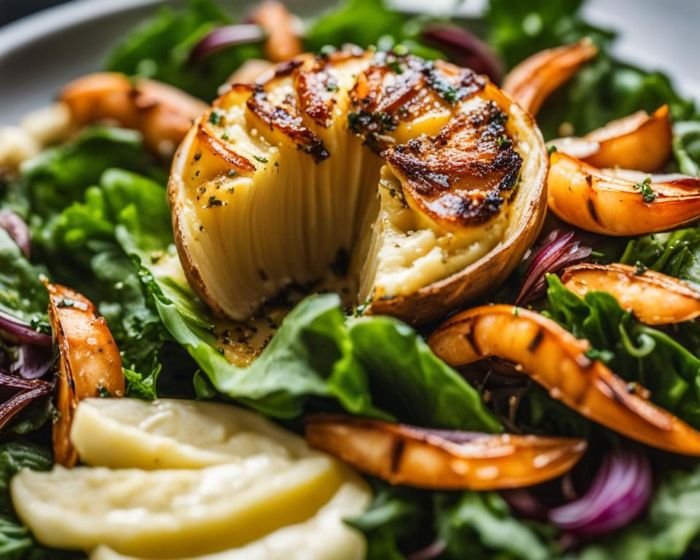
- Roasted Garlic Potatoes – Slice potatoes and toss them with olive oil, salt, pepper, and crushed garlic. Roast them in the oven until golden and crispy.
- Garlic Butter Shrimp – Sauté shrimp in a mixture of butter, minced garlic, lemon juice, and parsley for a quick and flavorful seafood dish.
- Garlic and Herb Salad Dressing – Whisk together minced garlic, olive oil, lemon juice, Dijon mustard, and your favorite herbs for a tangy and aromatic salad dressing.
- Garlic and Ginger Chicken Stir-Fry – Sauté chicken breast strips with garlic, ginger, and a variety of colorful vegetables for a nutritious and flavorful stir-fry.
These are just a few examples of how you can incorporate garlic into your daily meals. Get creative and experiment with different recipes to find your favorite ways to enjoy the health benefits of garlic.
Precautions and Possible Side Effects
While garlic is generally safe for most people when consumed in moderate amounts, there are some precautions and potential side effects to be aware of. It is important to use garlic as directed and take necessary precautions to avoid any adverse effects.
Understanding the Risks of Overconsumption
Overconsumption of garlic, especially in supplement form, may lead to digestive issues such as diarrhea and bloating. It is important to follow the recommended dosage and avoid excessive intake to prevent discomfort.
When to Avoid Garlic
There are certain situations where it is advisable to avoid garlic:
- If you have a known allergy to garlic, it is best to avoid it entirely to prevent an allergic reaction.
- Garlic can interact with certain medications, including blood thinners and HIV medications. It may increase the risk of bleeding when used in combination with these medications. Consult with your healthcare provider if you are taking any medications to determine if garlic consumption is safe for you.
- Prior to surgery or dental procedures, it is important to avoid garlic, as it may increase the risk of bleeding. This is because garlic has antiplatelet properties that can interfere with blood clotting.
If you have any concerns or medical conditions, it is always recommended to consult with a healthcare provider before incorporating garlic into your diet or using it as a natural remedy.
Conclusion
Garlic is a natural antibiotic and immunity booster with powerful antibacterial properties. Its main active compound, allicin, has been shown to effectively fight bacteria and infections. Additionally, garlic has been found to enhance the immune system, making it a valuable addition to a healthy diet.
Moreover, garlic offers a range of additional health benefits. It has been linked to improvements in cardiovascular health, including the ability to lower blood pressure and cholesterol levels, as well as prevent blood clot formation. Furthermore, garlic has anti-inflammatory effects and contains antioxidants that help protect against oxidative stress and free radicals.
Incorporating garlic into your daily routine is easy, as it can be included in various dishes and recipes. Whether using it in soups, stir-fries, or as a marinade, there are countless ways to enjoy the health benefits of garlic. It is important, however, to be mindful of potential precautions and side effects, as well as knowing when to avoid garlic, particularly if you have specific medical conditions or are taking certain medications.
In conclusion, garlic is a versatile and beneficial ingredient that supports overall health and well-being. Its ability to fight bacteria, enhance the immune system, and provide cardiovascular and anti-inflammatory benefits make it an excellent addition to a balanced diet. By incorporating garlic into your meals mindfully and being aware of any potential risks, you can harness the power of this natural antibiotic and enjoy its numerous health benefits.
FAQ
What is garlic’s role as a natural antibiotic and immunity booster?
Garlic contains a compound called allicin, which is responsible for its antibiotic properties. It has been shown to fight bacteria and infections. Additionally, garlic can enhance the immune system and protect against illnesses.
How does allicin contribute to garlic’s antibiotic effects?
Allicin is formed when alliin, a sulfur-containing compound in garlic, is converted by an enzyme called alliinase. Allicin has broad-spectrum antibacterial effects and disrupts bacterial membranes, inhibiting their growth and preventing biofilm formation.
Can garlic really fight bacterial infections?
Yes, scientific studies have demonstrated the antibacterial effects of garlic. It has been shown to inhibit the growth of various bacteria, including antibiotic-resistant strains like MRSA, making it a potential natural alternative to conventional antibiotics.
How does garlic enhance the immune system?
Garlic stimulates the production and activity of white blood cells, which play a crucial role in the immune response. It contains compounds that have immunomodulatory effects and can boost the overall function of the immune system.
Apart from its antibiotic and immune-boosting properties, does garlic offer any other health benefits?
Yes, garlic has been shown to improve cardiovascular health by lowering blood pressure, reducing cholesterol levels, and preventing blood clot formation. It also has anti-inflammatory effects and contains antioxidants that can protect against oxidative stress.
How can I incorporate garlic into my diet to maximize its health benefits?
You can consume garlic raw or lightly cooked to preserve its beneficial compounds. Crushing or chopping garlic cloves before cooking can activate the release of allicin. Garlic can be added to various dishes, including soups, stews, stir-fries, salads, and marinades. Roasting garlic cloves can also create a soft, spreadable consistency for use as a topping or in sauces.
Is there a specific situation when I should avoid garlic?
It is advisable to avoid garlic in the days leading up to surgery or dental procedures, as it may increase the risk of bleeding. Additionally, individuals who are allergic to garlic should avoid it entirely.
What are the overall benefits of garlic as a natural remedy?
Garlic is a versatile ingredient that offers natural antibiotic properties, boosts the immune system, improves cardiovascular health, and has anti-inflammatory and antioxidant effects. It can be used to support overall health and well-being when consumed as part of a balanced diet.