




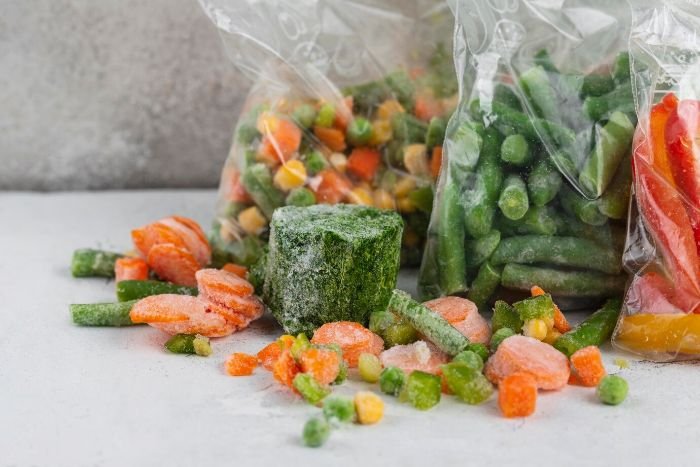
Have you ever felt sad seeing your veggies go bad before you eat them? Do you want to taste your garden’s harvest all year? Freezing vegetables is the perfect answer!
Freezing veggies keeps them fresh and saves their nutrients. In this guide, you’ll learn everything to freeze and keep veggies tasty. So, no more wasted veggies or going without. With these tips, enjoy your garden’s goodness anytime.
Key Takeaways:
- Freezing vegetables is a convenient way to preserve their freshness and nutrients.
- This comprehensive guide will teach you how to freeze and store a variety of vegetables.
- By following the techniques outlined in this guide, you can enjoy your garden harvest all year round.
- Proper selection, blanching, and storage are crucial for retaining the quality and nutritional value of frozen vegetables.
- Don’t let your beautiful garden produce go to waste – learn how to freeze vegetables effectively!
Table of Contents
Introduction to Freezing Vegetables
We will look at why freezing vegetables is good. It helps keep their nutrients and freshness. This way, you can keep them longer, waste less food, and eat them all year.
Benefits of Freezing Vegetables
Freezing veggies keeps them fresh and tasty. This ensures they taste good when you eat them.
It also helps cut down on wasted food. You can keep extra veggies by freezing them. This saves you money and lessens how much you throw out.
Plus, it means you can enjoy your favorite veggies anytime. Even if they’re not in season. So, you can have green beans in winter or spinach in your smoothies. Freezing opens up a lot of tasty possibilities.
How Freezing Preserves Nutrients and Freshness
Freezing works by keeping vegetables from spoiling. It slows down the process that makes food go bad. This is how veggies last longer in the freezer.
Inside, vegetables make ice when they freeze. This ice stops bad bacteria from growing. So, your veggies stay safe to eat.
Although some nutrients may be lost, most are saved. The good stuff, like vitamins and minerals, stays in. Freezing also stops these nutrients from breaking down. That’s why frozen veggies are still good for you.
Knowing how freezing helps keeps nutrients will make you like it more. You can freeze veggies to save them anytime. It’s a neat way to not miss out on their goodness all year.
Preparing Vegetables for Freezing
Before you freeze your veggies, make sure to prep them right. This will help you get the best results. We’ll show you how to pick the top veggies for freezing and the best way to clean and prep them.
Selecting the Best Vegetables for Freezing
Picking the right veggies to freeze is crucial for keeping their taste and quality. Go for those that are fresh, ripe, and in great shape. Choose ones with a firm feel and bright color, a sign they’re fresh. Also, try to pick them when they’re at their ripest for the best taste.
While most veggies can be frozen, some, like leafy greens and delicate herbs, don’t do well. They might lose their texture and taste. Always look into how well a specific veggie freezes to ensure you get good results.
Washing and Prepping Your Produce
After choosing your veggies for freezing, it’s time to clean and prep them. This gets rid of dirt, bacteria, and pesticides. It makes sure your frozen veggies are clean and safe to eat.
To clean your veggies, first rinse them under cold water. Use a brush on those with firm skin, like potatoes or carrots, to scrub away dirt. For leafy greens, pull the leaves apart and rinse them well. Don’t forget to check crevices and folds for hidden dirt and bacteria.
Once washed, you need to prepare your veggies. Get rid of any parts you don’t want, like stems or seeds. Cut them the way you like or the way that’s best for storing. Some veggies, like peas, might need to be cooked a little before freezing. We’ll tell you about that in the next section.
Blanching Vegetables Before Freezing
Blanching vegetables before freezing is very important. It keeps their color, taste, and nutrients intact. This step ensures your vegetables stay fresh for a long time.
Why Blanching is Important
Blanching has several key benefits for frozen veggies. It stops enzymes that can alter color and taste. This way, your vegetables keep their lively look and flavor, even after freezing. Plus, blanching keeps them from getting soggy or too hard in the freezer.
Step-by-Step Blanching Guide for Different Vegetables
Every vegetable needs its own blanching method for best results. Here’s an easy guide to blanching different veggies:
- Asparagus – Cut off the tough ends. Blanch small ones for 2 minutes and big ones for 3 minutes.
- Broccoli – Break the broccoli into florets and blanch for 3 minutes.
- Carrots – Peel, cut, and blanch the carrot slices for 2 minutes.
- Green Beans – Cut off the ends and blanch for 3 minutes.
- Peas – Shell the peas and blanch them for 1.5 minutes.
These are just a few examples. Be sure to find the right blanching times for each vegetable. You can check blanching guides or reliable sources for exact times.
Proper Freezing Techniques
How to Flash Freeze Vegetables
Flash freezing is a top-notch way to keep vegetables fresh. It stops them from clumping and helps avoid ice buildup. To do this, just follow a few steps:
- Start by making sure your veggies are clean and dry.
- Next, cut them into pieces that are small and the same size.
- Spread these pieces out on a baking sheet. Make sure it’s covered in parchment paper.
- Then, put the sheet in the freezer for an hour.
- After an hour, your veggies will be nicely frozen. Now, put them in bags or containers safe for the freezer.
Using Vacuum Sealers and Freezer Bags
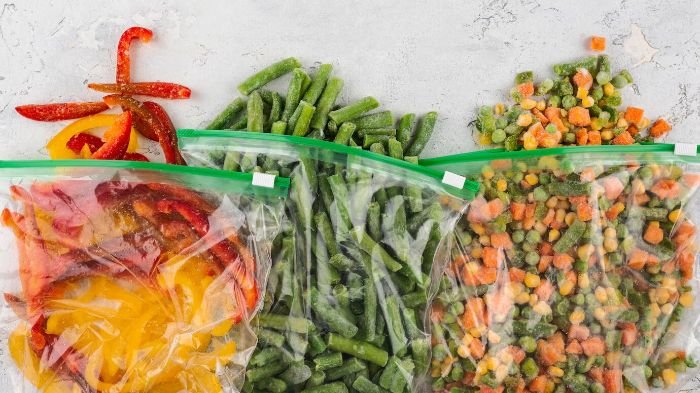
Yet another great way is by vacuum sealing or using freezer bags. Vacuum sealers cut out air, keeping your food fresh longer. Here’s the drill for doing it:
- Start with your flash-frozen veggies and pack them into the bags.
- Seal the bags up tight. Make sure to get all the air out of the vacuum bags or press out the air in freezer bags.
- Write the kind of veggie and the date on the bags.
- Then, store the bags flat in your freezer for the best results.
Storing Frozen Vegetables
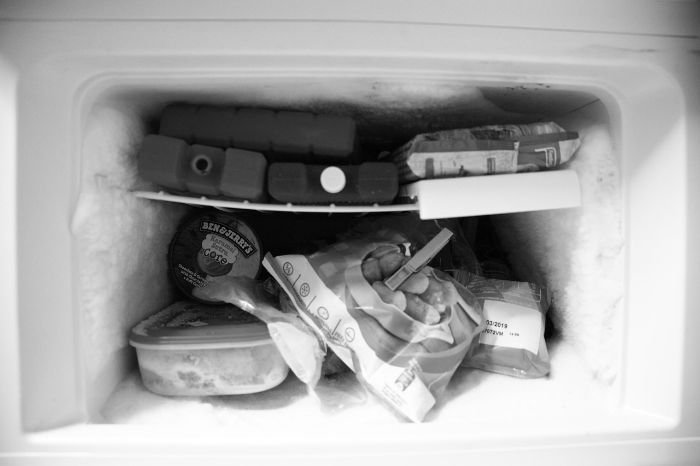
Keeping your frozen vegetables fresh and safe is key. Label and organize them well. Also, ensure your freezer is set up right. This will help with storage over time.
Best Practices for Labeling and Organizing
It’s important to label your veggies for quick finding. Write the name and freezing date on each pack. This way, you’ll know which to use first. Use markers that won’t smudge or labels that stay on in the freezer.
How you organize your freezer matters a lot. Keep similar veggies together. Use containers or bags to keep things neat and find them fast. For better space use, try stackable bins or freezer bags that save space.
Optimal Freezer Conditions for Long-Term Storage
Your freezer’s settings affect how long veggies stay good. Remember these points:
- Temperature – Keep your freezer at 0°F (-18°C) or lower. This slows down spoilage, keeping veggies fresh.
- Humidity – Aim for 95% humidity in your freezer. It stops freezer burn. A full freezer helps keep the right level.
- Packaging – Use sealed containers or bags to protect your veggies. This helps avoid freezer burn and keeps them fresh. Squeeze out air before sealing bags.
With good labels, organization, and freezer settings, your veggies will last longer. They’ll stay tasty and fresh.
Thawing and Using Frozen Vegetables
Thawing frozen vegetables right keeps them tasty and safe. Wrong thawing can make them lose flavor. We’ll talk about thawing safely, keeping veggies fresh.
Safe Thawing Methods
Here are safe ways to thaw frozen vegetables:
- Refrigerator – This method is safe and slow. Put your veggies in a container and in the fridge. They’ll take hours to thaw. Eat them within a day once thawed.
- Cold Water Bath – Use this for quick thawing. Put the bag in cold water. Change water every 30 minutes. It takes 30 minutes to 2 hours to thaw. Cook right after.
- Microwave – It’s fast for small amounts. Use a microwave-safe dish on the defrost setting. Ensure even thawing by stirring. Cook them right away.
Never thaw at room temperature to avoid bacterial growth.
Cooking Tips for Previously Frozen Vegetables
Using thawed veggies? Keep these tips in mind:
- Once thawed, eat them within a day. Don’t refreeze to keep quality.
- They might take longer to cook than fresh ones. Adjust cooking times.
- Add spices to make up for any lost flavor.
- Great in soups, stir-fries, or casseroles. Enjoy their benefits and colors.
Maintaining Quality and Nutritional Value
Keeping your frozen veggies fresh and tasty is key. You can prevent freezer burn and keep nutrients intact. Just follow some simple tips.
Avoiding Freezer Burn
Freezer burn changes the taste and feel of food, like veggies. It happens when food loses moisture and gets dry and tough. For fresher veggies:
- Make sure your veggies are well-sealed to block air. Use special airtight bags or containers.
- Try to get rid of air before sealing. Vacuum sealers work well. Or, press the air out of bags.
- Label packs with the freezing date. This helps you know how long they’ve been in the freezer.
- Keep your freezer organized. Proper airflow stops veggies from getting stuck to the walls.
Retaining Nutrients Through Proper Handling
Handle your frozen veggies carefully to keep their nutrients. Here’s how:
- Blanch veggies before freezing to lock in nutrients.
- Freeze veggies soon after buying to keep their vitamins and minerals strong.
- Cook veggies from frozen to limit nutrient loss.
- Avoid cooking them too long to keep as many nutrients as possible.
Follow these tips to keep your veggies full of nutrients. This ensures you get all the health benefits.
Troubleshooting Common Freezing Issues
Freezing keeps food fresh but can lead to issues. This part helps you solve common problems with frozen veggies. Learn to avoid issues and keep your vegetables top quality.
Identifying and Fixing Common Problems
- Freezer Burn – Freezer burn is a common issue. It makes veggies dry and discolored by pulling out moisture. Prevent it by sealing your veggies well. Use airtight containers or freezer bags and remove air. If you see freezer burn, cut off those parts before using the veggies.
- Texture Changes – It’s not rare for frozen veggies to turn mushy or watery. Overcooking or under blanching could be the cause. Always blanch your veggies the right amount before freezing. Don’t overcook them. This way, they keep their nice texture when they defrost.
- Off-Flavors – Off tastes in your veggies? Bad packaging or fridge smells might be to blame. Use good packages and seal tight to avoid this. You could also wrap veggies in plastic before putting them in bags. Keep your veggies away from foods with strong smells in the fridge.
Additional Tips for Freezing Specific Vegetables
Tips for Freezing Leafy Greens and Herbs
Freezing leafy greens and herbs right can keep them fresh. First, be sure to wash and dry them well. Throw away any leaves that are not good or wilted. And if needed, cut the stems too. >
Now, blanch the greens or herbs. This means putting them in boiling water for a short time. Then, move them to icy water to cool quickly. After blanching, gently squeeze them to remove extra water. Put them in airtight bags or containers. Don’t forget to label and date them before you freeze. >
These greens and herbs will stay fresh in the freezer for 6 months. They’re perfect for making soups, stews, and sauces taste even better.
Freezing Root Vegetables and Squash
Root vegetables and squash can also be frozen with the right steps. Start by washing and peeling them. Remove anything that looks bad. Cut them as you like, whether diced, sliced, or whole. >
Root vegetables and squash don’t need to be blanched. Because they don’t have a lot of water. Place them on a tray, so they’re not touching, and freeze until hard. Then, put them in freezer containers or bags.
Try to get out as much air as you can before sealing. Don’t forget to label them before they go in the freezer. These frozen picks can last up to a year. Use them for roasting, steaming, or in warm winter meals.
Conclusion – Enjoying Your Frozen Harvest
We’ve covered a lot in this guide about freezing vegetables. You now know how to keep them fresh and full of nutrients. With these tips, you can freeze your veggies well. This means you can enjoy the veggies you grew at home for a long time.
Freezing your veggies is good for many reasons. It cuts down on food waste and keeps your diet healthy. Plus, it saves the yummy flavors and good stuff in the veggies. So, you get to enjoy your garden’s hard work all year.
The first step is to get your veggies ready for the cold. Pick the best ones and give them a good wash. Then, blanch them to keep their color and nutrients. Follow the blanching times for each veggie. Use the right freezing methods like flash freezing and sealing them well.
When you’ve frozen your veggies, keeping them organized is key. Label everything and know where it is in your freezer. Make sure your freezer is at the right temperature. Then, when you use your veggies, cook them safely. This way, you get all the good flavor and benefits.
Freezing veggies lets you enjoy your garden’s work all year. Use the tips in this guide to do it right. This means less food waste and keeping your diet top-notch. Enjoy your own garden veggies, frozen and delicious.
FAQ
Why is freezing vegetables a good way to preserve their freshness and nutrients?
Freezing veggies helps you keep them longer, reduces waste, and lets you enjoy them year-round. This process locks in the veggie’s nutrients and quality. So, they still taste good after being frozen.
How do I select the best vegetables for freezing?
Choose vegetables that are fresh and ripe for freezing. Avoid those that are old or look bad. Also, make sure the vegetable is a good fit for freezing for a long time.
How do I properly prepare vegetables for freezing?
First, clean your veggies well to get rid of dirt and germs. You can do this by rinsing them in cold water. After washing, it’s best to blanch them. This keeps their color, texture, and good stuff.
What is blanching and why is it important when freezing vegetables?
Blanching means to quickly cook the veggies in boiling water. It helps keep them fresh by stopping the harmful effects of enzymes. This way, your veggies keep their color, texture, and nutrients.
How do I properly freeze vegetables?
The best way to freeze veggies is to spread them out on a tray to freeze quickly. After a few hours, put them in bags or use a vacuum sealer. This keeps their taste and texture.
How should I store frozen vegetables?
Label and organize your frozen vegetables for easy finding. Also, make sure your freezer is at the right temperature and humidity. This helps keep your veggies fresh for a long time.
How can I avoid freezer burn and maintain the quality of my frozen vegetables?
Prevent freezer burn by using good containers and thawing methods. Keep everything airtight. Also, be careful with how you handle your veggies before, during, and after freezing.
What should I do if I encounter common freezing problems?
To fix freezer burn, just cut it off and use a new bag. Adjusting the blanching and freezing time can help with texture problems. And keeping your veggies clean and well-blanced before freezing can also reduce weird tastes.