
Updated April 21, 2026
Home canning vegetables safely starts with one split: plain green beans, carrots, corn, peas, and beets need a pressure canner; whole or crushed tomatoes need bottled lemon juice or citric acid in every jar; tested pickles keep the vinegar formula exact; and puree, plain zucchini, and thick soups belong in the freezer, not on the pantry shelf.
Open the exact tested chart for that crop, jar size, pack style, and altitude before the water heats. If the food is plain and low-acid, pressure-process it by the chart. If it is mashed, thickened, or untested, freeze it.
Key Takeaways:
- Doubt a sealed lid when the process did not match
- Treat 12 to 24 hours of cooling as part of the job
- Freeze soup that holds a spoon ridge instead of extending time
- Test dial gauges yearly and inspect stored jars monthly
- Add acid to tomatoes first even under pressure
Table of Contents
Safe Vegetable Canning Methods – Match the Crop to the Tested Process
Start with the crop, not the canner. The table below is the fastest safe lookup for most batches.
| Food | Safe method | Do not do |
|---|---|---|
| Plain green beans, carrots, beets, corn, peas | Pressure can with the tested chart for that crop, jar size, and pack style | Do not use a boiling-water bath or cut the pressure hold short |
| Whole, crushed, or juiced tomatoes | Acidify every jar and follow a tested tomato recipe | Do not skip bottled lemon juice or citric acid because pressure is used |
| Pickled cucumbers, pickled beans, pickled beets | Follow the tested pickle recipe with 5 percent vinegar and the written vegetable ratio | Do not dilute vinegar or add extra low-acid vegetables |
| Cubed pumpkin or winter squash | Pressure can only when a tested recipe specifies cubes | Do not jar puree or extend time on your own |
| Pumpkin puree or mashed winter squash | Freeze instead | Do not treat puree like applesauce |
| Plain zucchini or summer squash | Freeze or pickle from a tested recipe | Do not pressure-process plain slices or cubes |
| Mixed leftovers or soup with noodles, rice, flour, cream, or milk | Refrigerate or freeze | Do not assume extra minutes fix a thicker jar |
Use one source for each lane, not a stack of tabs. Plain green beans, carrots, corn, peas, and beets go to the UMN processing charts or the matching USDA or NCHFP vegetable process for that exact crop, jar size, and pack style; tomatoes stay with tested acidification directions and the matching tomato schedule; pickles stay inside the written brine formula; cubed pumpkin follows the named cube process; puree, plain zucchini, and thick soup move to freezer containers because no tested shelf process covers them.
A jar of cut beans in clear liquid shifts when you tip it. Pumpkin mash falls as one heavy mass. Heat reaches loose pieces in liquid on the timetable the schedule measured, while dense puree traps a slower center than the jar wall suggests. Boiling water stops at 212 F, so a stockpot never substitutes for pressure on plain low-acid vegetables.
Fresh harvest improves texture, not the method. Trim bruised spots, pack sound pieces, and keep many vegetables moving from garden to jars within the same day for their best texture. If harvest timing keeps slipping, use vegetable growth stages to catch crops earlier next round.
Equipment That Changes Safety – Start With the Vessel, Gauge, and Jar
Hardware decides whether the written schedule still matches the batch. Steam temperature, venting, and vacuum all depend on the vessel, the gauge reading, and the condition of the jar rim before a single bean goes through the funnel. Do this setup before the produce is washed; mid-batch substitutions are where forgotten acid, wrong jar size, and untested gadgets slip in.
- Name the food exactly as it will sit in the jar – plain beans in liquid, acidified tomatoes, or a tested pickle.
- Match the process to crop, jar size, pack style, and elevation before trimming starts.
- Set out a true pressure canner, sound jars, new lids, and the tools that keep headspace and rims clean.
- Test the dial gauge yearly, clear the vent path, and recycle any jar with a chipped rim.
- Move puree, plain zucchini, and thick leftovers to the freezer before they reach the filling line.
Use a True Pressure Canner
Tested low-acid schedules were written for pressure canners, not countertop pressure cookers. NCHFP pressure canner guidance treats come-up time and cool-down as part of the lethal heat exposure, so a smaller cooker with a familiar number on the lid still misses the same jar load, steam circulation, and cooling pattern. Rack space around the jars matters too.
Watch the vent before the weight goes on. Damp spurts shift to a hard white column, and the hiss settles into one even sound. Trapped air lowers steam temperature at a given pressure reading.
Verify Gauge, Vent, and Jars Before the Season
Yearly dial-gauge testing belongs on the calendar because a small reading error changes chamber temperature enough to change the heat dose reaching the center of the food. Weighted gauges need clean ports and the correct weight setting. One wrong assumption here follows every jar in the load.
Run a fingertip around each rim before filling. Sound glass feels smooth from end to end; a chip catches skin with a sharp interruption and belongs in recycling. A vent path that spits in short bursts instead of free steam needs cleaning before the batch starts.
Pressure-Canning Sequence – Vent, Hold, and Restart the Clock
Sequence matters more than speed once the jars enter the canner. Headspace, full venting, target pressure, and natural cool-down shape the heat curve that the published schedule was built around.
Run the Batch in the Published Order
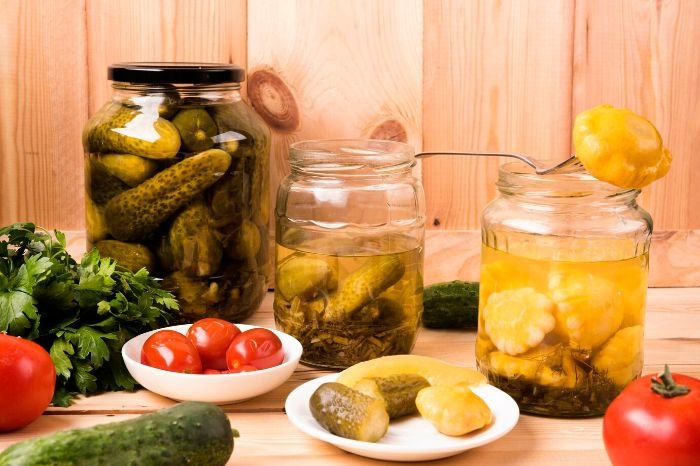
Prepare the vegetables exactly as the tested recipe states, including peeling, trimming, blanching, or preheating when listed. Fill to the written headspace, because too little headspace drives siphoning and too much leaves extra air in the jar, remove trapped air, wipe rims, apply lids fingertip tight, and begin timing only after the canner reaches the stated pressure and holds there. Raw pack traps more air between pieces; hot pack shrinks vegetables before they enter the jar. That is why schedules separate the two and why a hot-packed pint does not borrow time from a raw-packed quart.
Venting is not dead time. When the vent changes from wet spurts to a solid stream and the hiss evens out, steam has displaced most of the chamber air. Lift the weight early or force the lid open during cool-down and the batch no longer matches the process.
Adjust Pressure for Altitude Before Timing Starts
Lower outside air pressure changes the boiling point before the timer ever starts. UMN processing charts raise dial-gauge pressure by elevation band, and weighted-gauge schedules commonly jump from 10 pounds to 15 pounds above 1,000 feet for plain vegetables. Set the higher pressure first. If the gauge falls below target after timing begins, bring it back up and restart the full time from minute one. Extra minutes at the end do not rebuild the broken heat curve.
Acidify Tomatoes Before Filling the Jar
Two tablespoons of bottled lemon juice or 1/2 teaspoon of citric acid per quart, and half that amount for pints, remains the NCHFP tomato standard for whole, crushed, or juiced tomatoes. Put the measured acid in each empty jar first so every tomato piece lands in the tested chemistry from the start. Bottled lemon juice is used because its acidity is standardized; fresh lemon juice shifts too much from fruit to fruit.
Pro Tip: Measure tomato acid into each empty jar before the funnel comes out. On a wet counter with hot jars moving fast, the missed dose almost always traces back to a bottle left off to one side instead of a premeasured jar.
Foods That Do Not Belong on the Pantry Shelf – Density Beats Extra Time
Dense food breaks the assumptions built into tested schedules. Heat moves by slow conduction through puree, creamy soup, and mashed vegetables, so the jar center lags behind the loose-piece-in-liquid packs used in home-canning studies.
Freeze What the Chart Does Not Cover
NCHFP soup directions leave out noodles, rice, flour, cream, and milk because starch and dairy thicken the jar fast. University of Minnesota’s winter squash guidance sends pumpkin and winter squash puree to the freezer, and NCHFP withdrew the old plain-canning directions for summer squash and zucchini. Cubed pumpkin still leaves channels of liquid between pieces; puree turns the whole jar into one dense column.
A spoon groove that stands upright and a dull plop back into the pot tell you the center has thickened enough to slow heat flow. If the mixture got thicker after the last ingredient went in, which tested chart still matches that jar? None.
Leftover-salvage jars catch careful cooks. A cup of puree, the last ladle of broth, or a handful of onions feels too small to matter, yet that late addition shifts acidity and density together.
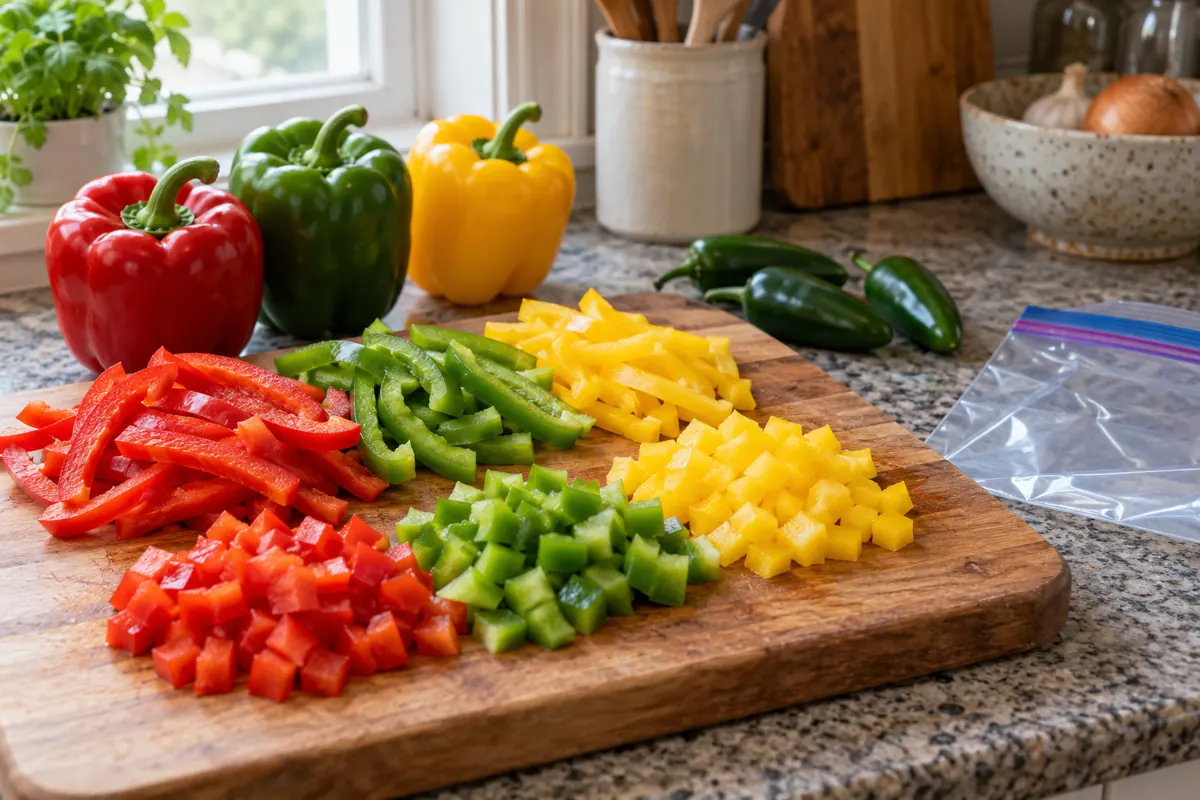
Freezing vegetables fits purees, chopped peppers, corn cut from the cob, and soup bases without pretending they belong on the pantry shelf. Pair overflow harvest with drying vegetables at home only when the vegetable itself is suited to drying, such as sliced peppers or onions, not as a workaround for an untested jar. If you plan beds with storage in mind, choosing vegetables for your garden by season and climate helps you build around crops you can preserve cleanly.
Storage and Jar Checks – Read the Lid, Threads, and Liquid Line
A finished jar still needs a good storage setting and a clean read on the shelf. Leave jars still for 12 to 24 hours, then remove the bands before storage so trapped seepage does not hide a weak seal. Heat swings soften texture, fade pigments, and work against the vacuum long after processing day.
Use the Shelf While Quality Still Holds
Store jars in a cool, dark, dry place, with 50 to 70 F as the useful target range. Chlorophyll, anthocyanins, and carotenoids keep breaking down in storage, so a jar near a furnace room loses green color, red tone, and crisp texture faster than the same jar on a basement shelf. Plan meals around the oldest jars first and read the shelf once a month instead of waiting for canning season to circle back.
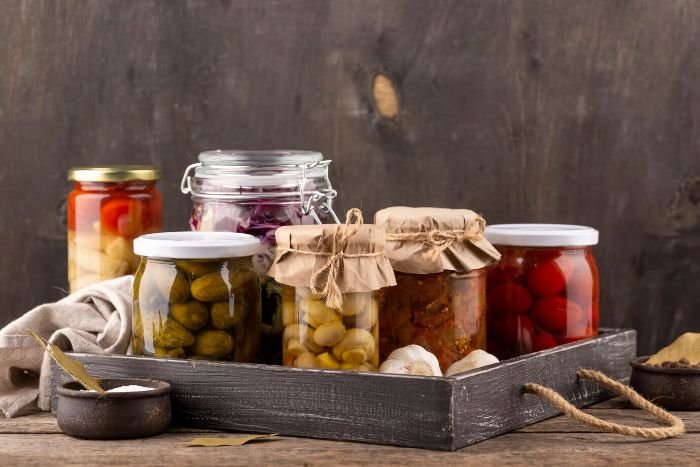
I often notice that jars stored near a furnace room or dryer lose color first and leave sticky threads sooner, because repeated warming and cooling works against the seal long before the lid fails outright.
Reject Any Jar That Changes on the Shelf
Start with the lid, the threads, and the liquid line. A sound jar opens with a sharp vacuum pop, a slightly concave lid, clear liquid around the food, and dry shoulders under the band. A failing jar leaks, bulges, foams, pushes liquid onto the rim, or turns the threads tacky.
USDA FSIS says suspect food does not get tasted at all, and home-canned low-acid vegetables should be boiled for 10 minutes before serving, plus 1 minute for each extra 1,000 feet of elevation. Heavy siphoning deserves a same-day call too: refrigerate for prompt use when liquid dropped well below the food line, and discard any jar that smells sour, spurts, or lost its seal.
Conclusion
One rule prevents most vegetable-canning mistakes: if the food is plain and low-acid, pressure-process it by the tested chart for that crop, jar size, pack style, and elevation. If the food is mashed, thickened, or no tested chart exists, freeze it the same day instead of trying to rescue it on the pantry shelf.
Store finished jars at 50 to 70 F, pull the bands, and read the shelf once a month. Success looks physical – clear liquid around the pieces, dry threads under the lid, a sharp vacuum pop when the jar opens, and the clean cooked-vegetable smell that tells you the process stayed in bounds.
FAQ
Can you water-bath can plain vegetables if you boil them longer?
No. Boiling water stops at 212 F, and plain vegetables sit on the low-acid side of the botulism line where Clostridium botulinum spores survive. More time at the same temperature never replaces the higher heat reached inside a pressure canner. The lid still seals sometimes, which is what makes the mistake dangerous.
Why does a pressure cooker not replace a pressure canner?
The familiar pressure number fools people. Tested vegetable schedules were built around a pressure canner’s jar load, venting pattern, and slow cool-down, not a compact cooker with less headspace above the jars. Even when the lid gauge looks similar, the steam circulation and total heat exposure do not match. For low-acid vegetables, use the vessel named in the tested method.
Do tomatoes still need bottled lemon juice or citric acid if they are pressure-processed?
Two tablespoons of bottled lemon juice or 1/2 teaspoon of citric acid per quart still belongs in the jar, with half that amount for pints. Tomato acidity shifts with variety, ripeness, and season, so the added acid keeps the batch inside the process that was actually studied. Put the dose in the empty jar so no filled jar gets missed in the rush. Pressure does not replace that step.
What happens if pressure drops below target during processing?
Once the gauge falls under target, stop thinking in terms of makeup minutes. Bring the canner back to the required pressure and restart the full processing time from minute one. The center of the jar cooled during that drop, so the original heat exposure no longer exists. A short slip late in the run still counts as a break. If the burner keeps wandering and the pressure will not stay put, cool the canner normally and move the jars to the refrigerator. Eat them soon or freeze the contents. Shelf storage belongs only to a batch that held the published pressure for the full published time.
Do you need to change pressure for altitude above 1,000 feet?
Lower outside air pressure changes steam temperature before timing starts. Weighted-gauge schedules for many plain vegetables jump from 10 pounds to 15 pounds above 1,000 feet, while dial-gauge charts step upward by band. Set the adjusted pressure first and start the timer only after the canner holds it. The same recipe at 5,000 feet does not run on the sea-level number.
Which jars belong in the refrigerator instead of the pantry?
Any jar with sticky threads, heavy siphoning, food sitting above the liquid line, or a seal you do not trust belongs in the refrigerator for prompt use instead of the shelf. The same call applies when acid was forgotten or pressure dipped and the full time was not restarted. A clean seal alone is not enough. When odor, foam, or leakage appears, discard the jar instead.
What is the biggest mistake with pickled vegetables?
Most pickle failures start with dilution, not spice choice. The brine has to stay at the tested vinegar strength, which means 5 percent vinegar, the written amount of water, and the named vegetable ratio all stay put. Extra onions, low-acid peppers, or a splash of water pulled in for flavor change the finished acidity. Spices shift flavor; vinegar strength shifts safety.
Is a sealed jar proof that the food is safe?
A popped lid proves vacuum, nothing more. The jar still had to match the tested recipe, jar size, venting step, pressure, acid dose, and altitude adjustment. Bad method still leaves behind a neat-looking seal. Method comes first.