




Are you ready to make your meals more exciting? Chili peppers are the answer! They add a tasty kick and boost your metabolism. Let’s explore how chili peppers can make your diet better and improve your health.
We’ll look into the science behind chili peppers and their effect on metabolism. Capsaicin, a key compound in chili peppers, boosts your metabolism. Chili peppers also offer many health benefits, like vitamins and antioxidants, and can help with pain and inflammation.
Want to lose weight? Chili peppers can help! They increase calorie burn, reduce fat, and help with fat oxidation. We’ll give tips on adding chili peppers to your meals and keeping them fresh.
But, are there any downsides? We’ll talk about managing spiciness, allergic reactions, and digestion.
If you love chili peppers or want to try them, this article will inspire you. It shows how chili peppers can spice up your diet and boost your metabolism. Get ready to enjoy the benefits of these amazing peppers!
Key Takeaways:
- Chili peppers offer metabolic boosts due to capsaicin, their active compound.
- They stimulate thermogenic effects, increasing calorie expenditure.
- Their rich vitamin and antioxidant content provides additional health benefits.
- Chili peppers may have pain-relieving and anti-inflammatory properties.
- Incorporating chili peppers into your diet can aid in weight loss.
Table of Contents
The Science Behind Chili Peppers and Metabolism
Chili peppers are known for their spicy taste and flavor. But they offer more than just flavor. They have a compound called capsaicin that affects metabolism.
Capsaicin – The Active Compound
Capsaicin makes chili peppers hot. It also has effects on the body. These effects are not just about the heat.
Thermogenic Effects
Capsaicin can make your body burn more calories. It does this by making your body warm up. This process is called thermogenesis.
This helps your metabolism work better. You burn calories faster.
Impact on Appetite and Satiety
Eating chili peppers can also change how you feel about food. Capsaicin can make you eat less and feel full. This is because it works with your body’s hunger and fullness centers.
Chili peppers are interesting when it comes to metabolism. Capsaicin in them helps with burning calories and managing hunger. Adding chili peppers to your meals could help with weight control.
Health Benefits of Chili Peppers Beyond Metabolism
Chili peppers are known for boosting metabolism. But they have many other health benefits too. Eating chili peppers can help you in many ways.
Rich in Vitamins and Antioxidants
Chili peppers are full of vitamins and antioxidants. These help keep you healthy. They have a lot of vitamin C, which is good for your immune system and skin.
They also have beta-carotene, which turns into vitamin A. Vitamin A is good for your skin, eyes, and immune system.
Pain Relief and Anti-inflammatory Properties
Chili peppers have a compound called capsaicin. This helps with pain relief. It can ease headaches, muscle pain, and joint pain from arthritis.
Capsaicin also reduces inflammation. This can help with symptoms of inflammatory diseases.
Heart Health Support
Eating chili peppers often can be good for your heart. Capsaicin in them may lower blood pressure and improve blood flow. It can also help lower cholesterol levels.
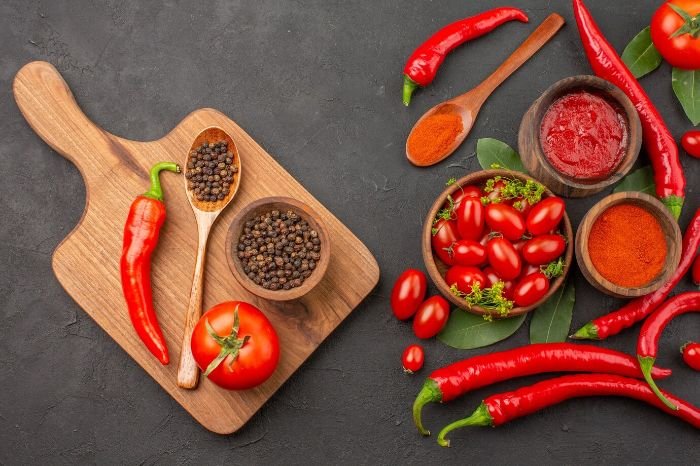
Adding chili peppers to your meals has many benefits. They are full of nutrients, help with pain, and support heart health. They are a great choice for a healthy lifestyle.
How Chili Peppers Aid in Weight Loss
Chili peppers can help with weight loss. They have many ways to support losing weight and better metabolic health. Let’s see how chili peppers help with weight loss.
Boosting Caloric Expenditure
Chili peppers boost how many calories you burn. Capsaicin in chili peppers makes your body warmer. This makes your metabolism work harder, burning more calories even when you’re not moving.
By eating chili peppers, you can burn more calories all day.
Reducing Fat Accumulation
Chili peppers also help reduce fat. Studies show they affect how the body stores fat. They make fat cells smaller and stop new ones from forming.
This lowers the risk of gaining weight and building unhealthy belly fat.
Enhancing Fat Oxidation
Chili peppers also help burn fat for energy. Capsaicin makes the body break down fat better. It uses fat as fuel, helping with weight loss and making metabolism more efficient.
Incorporating Chili Peppers into Your Diet
Adding chili peppers to your meals makes them tastier and healthier. You can use fresh or dried chili peppers, depending on what you like.
Fresh and Dried Chili Peppers
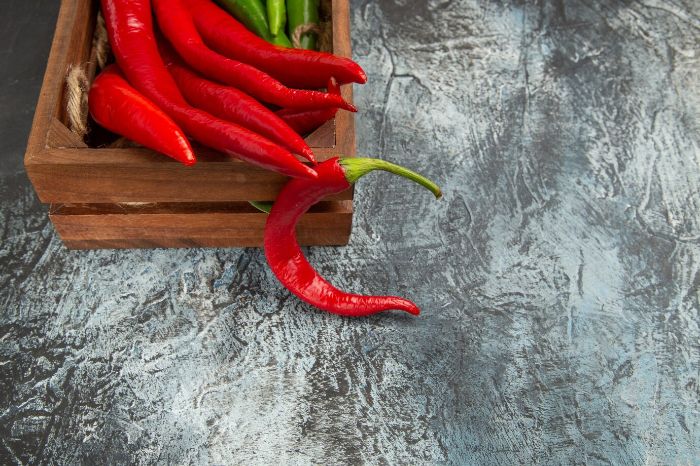
Fresh chili peppers come in many types. Jalapeños, habaneros, serranos, and poblanos are some examples. Slice them and add them to dishes like stir-fries, soups, or salads for a spicy kick.
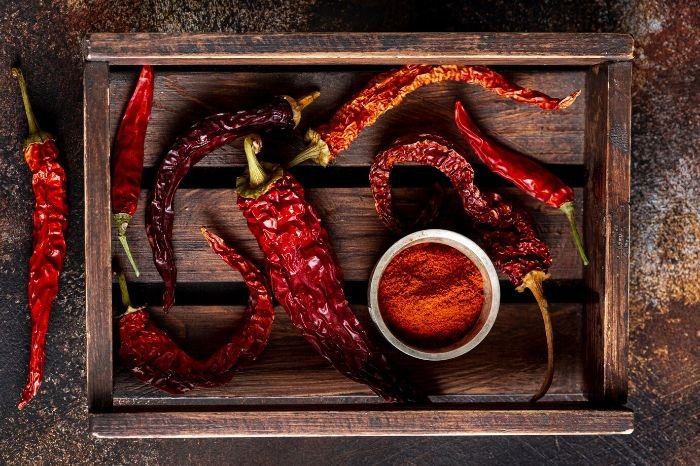
Dried chili peppers, like cayenne or chili powder, are also great. They pack a lot of flavor. Use them whole, crushed, or powdered in sauces, marinades, rubs, and even baked goods.
Cooking with Chili Peppers
Chili peppers vary in spiciness. Start with milder ones like Anaheim or poblano if you’re new to spicy food. As you get used to it, try hotter ones like habaneros or ghost peppers.
To lessen the heat, remove the seeds and membranes. These parts have most of the capsaicin, the spicy compound. Adding dairy or sweeteners can also balance the spiciness in your dishes.
Use chili peppers in small amounts at first. This way, you can adjust the heat to your liking.
Be creative with your chili pepper recipes. Try making spicy salsas, chili con carne, spicy stir-fry, or even spicy chocolate desserts. Chili peppers add flavor and heat to many dishes, from Mexican to Thai to Indian.
By adding chili peppers to your diet, you boost your meals’ flavor and health benefits. They help with metabolism, pain relief, and heart health. Chili peppers are a great addition to any kitchen.
Tips for Handling and Storing Chili Peppers
Handling and storing chili peppers right keeps them fresh and flavorful. Follow simple steps to keep your chili peppers in great shape for a longer time.
Selecting the Right Chili Peppers
Choosing high-quality chili peppers is key. Pick peppers that are firm, brightly colored, and shiny. Stay away from soft, damaged, or moldy peppers.
Think about what you like and the recipe you’re using them in. Whether you like mild peppers or super spicy ones, pick what suits you best.
Proper Storage Techniques
Storing chili peppers right is important to keep them fresh.
- Store your peppers in a cool, dry spot, like a pantry or drawer. Keep them away from heat and moisture sources, like the stove or dishwasher.
- In hot, humid places, keep your chili peppers in the fridge. Use a plastic bag or airtight container to keep them dry and fresh.
- To store them for a long time, freeze your chili peppers. Wash, dry, and chop them, then put them in freezer-safe bags or containers. Frozen peppers stay tasty and spicy for months.
Be careful when handling chili peppers to avoid skin and eye irritation. Capsaicin, the heat source, can burn. Wear gloves when cutting or handling spicy peppers and avoid touching your face or eyes. Wash your hands well with soap and water after handling them.
Choosing the right chili peppers and storing them correctly keeps them fresh and flavorful. This makes them better for your favorite dishes.
Potential Side Effects and Precautions
Chili peppers are good for your health but can have side effects. It’s important to know these effects and how to handle them. This includes managing spiciness, watching for allergic reactions, and thinking about your digestion.
Managing Spiciness
Chili peppers are spicy because of a compound called capsaicin. If you’re new to spicy foods or don’t like heat, start slow. This way, you can get used to the spice and enjoy chili peppers more.
Adding cool foods like yogurt or cucumber to spicy dishes can also help. These foods can lessen the heat.
Allergic Reactions
It’s rare to be allergic to chili peppers, but it can happen. Look out for signs like skin rashes, hives, itching, swelling, trouble breathing, or stomach problems. If you have these symptoms after eating chili peppers, stop eating them and see a doctor.
Digestive Considerations
Some people find chili peppers too spicy and it can upset their stomach. This can make heartburn worse or make conditions like IBS worse. If you have a sensitive stomach or digestive issues, eat chili peppers in small amounts or choose milder ones.
Conclusion – Embrace the Metabolic Boost of Chili Peppers
Chili peppers make your meals tasty and help your metabolism. They have a compound called capsaicin that boosts metabolism and burns fat. Adding chili peppers to your diet can help you lose weight.
Chili peppers are full of vitamins and antioxidants too. These help protect your cells and keep your immune system strong. They also help with pain and reduce inflammation, which is good for people with arthritis or muscle pain.
Chili peppers are great for your heart health too. They lower cholesterol and blood pressure. This can lower the risk of heart disease and improve your heart’s function.
So, why not spice up your life with chili peppers? Try different types and levels of heat to find what you like. Using fresh or dried chili peppers in your cooking is a tasty way to boost your metabolism and get healthy benefits.
FAQ
Are chili peppers good for metabolism?
Yes, chili peppers boost metabolism with their thermogenic effects. This increases calorie burning and metabolic rate.
What is capsaicin and how does it affect metabolism?
Capsaicin is in chili peppers and raises body temperature through thermogenesis. This leads to more calorie burning. It also makes metabolic rate go up by interacting with body receptors.
Do chili peppers affect appetite and satiety?
Yes, eating chili peppers can change appetite and make you feel full. This can help you eat fewer calories.
What are the health benefits of chili peppers beyond metabolism?
Chili peppers are full of vitamins and antioxidants like vitamin C and beta-carotene. These support health and boost immune function. Capsaicin in chili peppers helps with pain and inflammation, good for arthritis. They also support heart health by lowering blood pressure and cholesterol.
How do chili peppers aid in weight loss?
Chili peppers increase calorie burning with their thermogenic effects. They also help reduce fat storage and boost fat oxidation, using stored fat for energy.
How can I incorporate chili peppers into my diet?
Use fresh chili peppers like jalapeños or habaneros for spice in your dishes. Dried chili peppers, such as cayenne or chili powder, add flavor and heat. Add them to sauces, marinades, soups, and stir-fries, trying different types and spiciness levels.
What are the tips for handling and storing chili peppers?
Choose chili peppers that are firm and free from mold or soft spots. Keep them in a cool, dry place or the fridge to make them last longer. You can freeze them too. Be careful when handling them to avoid skin and eye irritation from capsaicin.
Are there any potential side effects or precautions to consider when consuming chili peppers?
The spiciness of chili peppers can be uncomfortable, so adjust the heat to your liking. Rarely, some people are allergic to chili peppers. Be aware of any allergic symptoms. For some, chili peppers can irritate the digestive system, causing heartburn or making conditions like irritable bowel syndrome worse.