Have you ever thought about the many types of maple trees out there? There are more than 200 varieties found in the North Temperate Zone. Maple trees are not just pretty. They are also very useful. They help with making landscapes beautiful and in producing wood. They also provide syrup and help the environment. Let’s look into the world of these fascinating trees. We will see their different kinds and how we use them in many ways.
Key Takeaways:
- Maple trees are a diverse group of trees with over 200 species distributed across the North Temperate Zone.
- Maple trees are valued for their ornamental value in landscaping and their practical uses in various industries.
- This article provides an overview of maple trees, explores their different varieties, and discusses their uses in landscaping, wood production, syrup tapping, and environmental benefits.
Table of Contents
About Maple Trees
Overview of Maple Trees
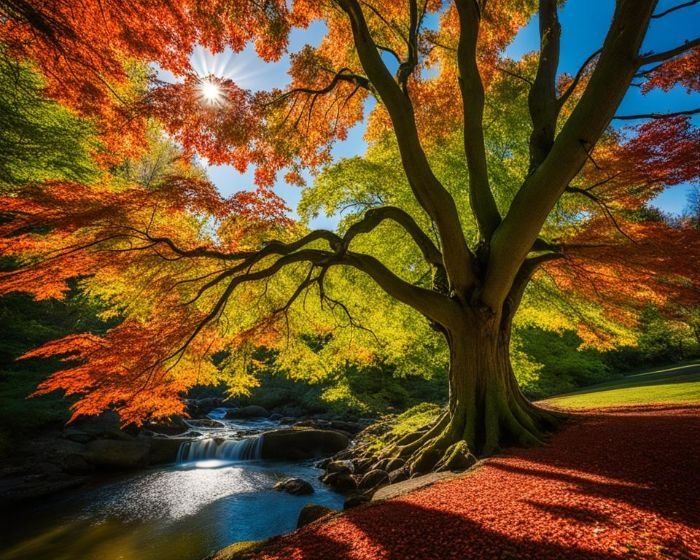
Maple trees come in many shapes, sizes, and leaf types. They are key in making landscapes look good. Their leaves change colors with the seasons. This makes them great for adding beauty and elegance to any garden. There’s a maple tree for every landscape, from the dainty Japanese maples to the grand sugar maples.
Importance and Popularity in Landscaping and Industry
Maple trees are important for nature and making places nice. They make parks, gardens, and homes beautiful. Their shades and shapes are loved. Also, their leaves keep places cool and comfy in summer.
For industry, maple trees are prized for their tough wood. This wood is great for making furniture, floors, and cabinets. The pretty patterns in the wood add to its value. There are many maple trees in cold areas. This means we can always get this good wood.
In sum, maple trees are very useful in making places look good and serving many needs.
Varieties of Maple Trees
Maple trees come in many types, each with its special look. Some of the top kinds include:
Sugar Maple (Acer saccharum)
The Sugar Maple shows off bright fall colors, in red, orange, and yellow. It’s not just beautiful; it also gives us the sweet sap for maple syrup.
Red Maple (Acer rubrum)
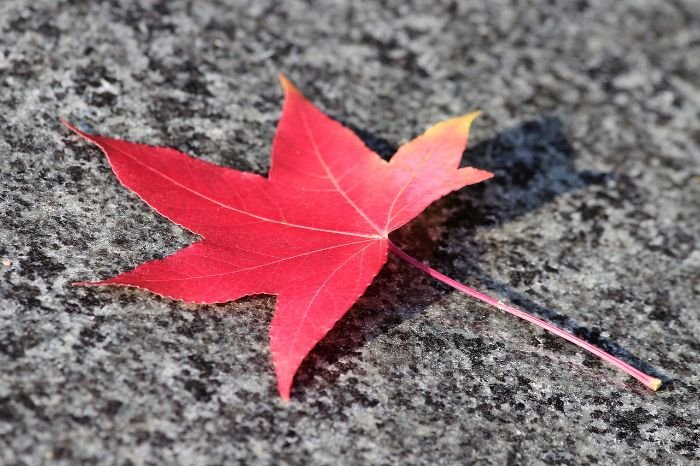
The Red Maple turns a striking crimson in fall, making it a standout feature. It’s a highlight in gardens and parks during autumn.
Silver Maple (Acer saccharinum)
The Silver Maple grows fast, giving quick and abundant shade. Its silver, large leaves add elegance to any scene.
Japanese Maple (Acer palmatum)
The Japanese Maple has intricate leaves in many colors and textures. Its small size and beauty make it great for small spaces and eastern-style gardens.
Norway Maple (Acer platanoides)
The Norway Maple adapts well and likes alkaline soil. It’s loved for its full canopy and bright leaves, perfect for landscaping.
Uses in Landscaping
Maple trees are top choices for many in landscaping due to their looks and uses. They bring many benefits to outdoor areas.
Aesthetic Appeal and Seasonal Color Changes
Maple trees are known for their beautiful look. They have leaves in many colors, from bright yellow to deep red. This changes with the seasons, making them stunning all year round.
Shade and Windbreaks
These trees offer lots of shade, perfect for outdoor relaxation. They cool the area, great for picnics or reading outdoors.
Maple trees also block strong winds well. Their dense leaves and strong branches protect spaces. This makes the area more enjoyable.
Creating Focal Points in Garden Design
Maple trees often stand out in garden designs. Their shapes and colors add balance and catch the eye. They can be placed to enhance any space.
These trees are great for many landscaping needs. They bring beauty and practical benefits to gardens and yards. This makes them loved by many.
Maple Trees in Wood Production
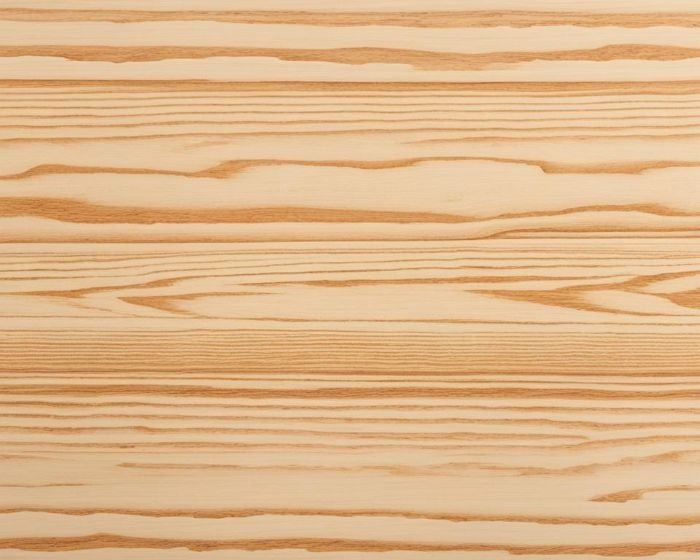
Maple trees are known for their beauty and are valuable in wood production. They provide strong and durable wood. This wood is used in making furniture, flooring, and cabinetry because of its attractive grain patterns.
Types of Maple Wood
There are several types of maple wood. Hard Maple and Soft Maple are the most popular in woodworking. Hard Maple, or Rock Maple, is dense and tough, perfect for furniture and flooring. Soft Maple is not as dense. It’s often used for cabinets and as decoration.
Uses of Maple Wood in Furniture Making
For making furniture, maple wood is in high demand. It is both strong and durable. Its light color and fine texture make it good for many design styles. This wood also takes stains and finishes well. This makes furniture pieces beautiful and long-lasting.
Maple Wood in Flooring and Cabinetry
Maple wood is great for flooring because it’s hard and doesn’t wear easily. Its light color makes any space feel warm and elegant. It fits well with different interior design styles. In cabinetry, maple wood offers a classic look. It provides durability and a timeless beauty for storage solutions.
Syrup Tapping
Tapping maple trees is a well-known task. This is especially true for trees like the Sugar Maple. It’s known for giving off the best sap. We will look into how maple trees are tapped. We will also learn about the perfect weather for sap to flow. Lastly, we’ll cover the steps to turn sap into maple syrup.
The Process of Tapping Maple Trees
Maple trees are tapped in early spring. This is when nights are cold, and days are warmer. The first step is to drill shallow holes into the tree’s trunk. These holes are about 2 to 2.5 inches deep. Then a tap, often made from metal or plastic, is put into the hole. The tap lets sap flow out of the tree, into a container.
Ideal Conditions for Sap Production
The best time for sap to flow is when nights are cold and days warm. This weather makes the tree push sap up from the roots to the branches. This is the best time to collect sap.
Steps to Make Maple Syrup
- Collecting the sap – After trees are tapped, sap starts to flow into containers. It’s important to collect the sap often to keep it fresh.
- Boiling the sap – The sap is heated and boiled in a big pot. Boiling takes out the water, leaving sweet syrup behind.
- Filtering the syrup – The boiled sap is filtered to remove impurities. This makes the syrup clear and pure.
- Bottling the syrup – The last step is putting the syrup in bottles. It’s done carefully to keep the syrup tasty for a long time.
Commercial Production vs. Home Production
There are two ways to make maple syrup: at a big factory or at home. Big factories tap many trees and use high-tech machines. At home, people tap a couple of trees and use simpler tools. Both ways make great syrup, but the processes are different.
Environmental and Ecological Benefits
Maple trees are valuable for the environment and ecology. They help local wildlife, clean the air, and secure the soil from erosion. This makes them great for any area. Their contributions are vast.
Supporting Local Wildlife
Maple trees are important for many animals like birds and insects. They offer flowers, seeds, and sap as food. Also, their leaves attract insects which then feed the birds. Planting maple trees helps create a balanced environment that benefits local wildlife.
Improving Air Quality
Maple trees are good for the air we breathe. They turn carbon dioxide into oxygen through photosynthesis. This natural process helps clean the air and reduce harmful greenhouse gases. It makes our environment healthier.
Soil Stabilization and Erosion Control
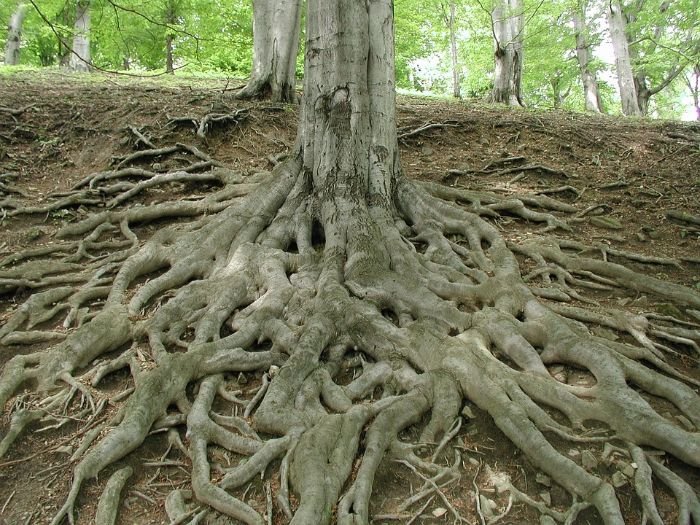
Maple trees have strong root systems that help stabilize the soil. They prevent soil erosion on hills and decrease the risk of landslides. Planting these trees keeps the soil healthy and the ground firm.
Care and Maintenance of Maple Trees
Maple trees need proper care to stay healthy and last a long time. Following easy steps can help your trees stay beautiful.
Planting Tips and Soil Requirements
Choose a spot with good drainage for your maple tree. They like soil that stays moist but isn’t too wet. The right type of soil is slightly acidic with a pH between 6.0 and 7.0.
Make sure the hole for planting is big enough. This allows the roots to spread out well without being cramped.
Improve the soil by adding organic matter before planting. This could be compost or well-rotted manure. It helps the soil with nutrients and drainage. Also, put mulch around the tree to keep moisture in and weeds out.
Watering and Fertilizing Practices
Water your maple tree well to help it grow strong. Ensure the water reaches the roots deeply. In dry times, give it extra water to prevent stress.
When fertilizing, remember that too much can harm the tree. Use a slow-release fertilizer in spring for good leaf and root health.
Pruning Techniques and Disease Management
Pruning keeps maple trees looking good and healthy. Do this in winter to not stress the tree. Cut away dead or bad branches, and those that might cause problems later. Keeping the tree’s shape balanced is important.
Watch out for diseases like anthracnose and tar spot. If you see your tree getting sick, get help from a tree expert. They can diagnose and treat the problem.
Doing these steps can keep your maple trees thriving and being a great part of your yard.
Conclusion – Embracing the Beauty and Utility of Maple Trees
Maple trees are more than beautiful; they are also very practical. They make outdoor spaces not just pretty but useful. Maple trees add charm to gardens and parks with their various kinds. They bring stunning sights all year long.
But maple trees do even more. They are great for making wood. This wood is used for all kinds of things. You can make furniture, floors, or cabinets with their sturdy and good-looking wood.
Maple trees are also famous for maple syrup. The Sugar Maple is especially loved for making syrup. People have been making syrup for a long time. Whether at home or for sale, maple syrup is a sweet treat loved by many.
Finally, maple trees help our environment in many ways. They are homes and food for local animals. They also clean our air by using carbon dioxide and releasing oxygen. Their roots help keep soil in place and stop erosion, protecting our land and water.
FAQ
What is a Maple tree?
Maple trees are a diverse group of trees. They belong to the genus Acer. There are over 200 species in the North Temperate Zone.
Why are Maple trees popular in landscaping?
Maple trees add beauty to landscapes. They change colors with the season. Plus, they make great focal points in gardens.
What are some popular varieties of Maple trees?
Popular ones include the Sugar Maple and Red Maple. There are also the Silver Maple, Japanese Maple, and Norway Maple.
What is Maple wood used for?
Maple wood is strong and durable. It shows beautiful grain patterns. People use it for making furniture, flooring, and cabinetry.
How are Maple trees tapped for sap production?
To collect sap, people drill tiny holes in Maple trees. Then, they insert taps, especially in Sugar Maples. The sap is boiled to make maple syrup.
What are the environmental benefits of Maple trees?
Maple trees help local wildlife and clean the air. They absorb carbon dioxide and keep soil stable, stopping erosion.
How should Maple trees be cared for and maintained?
To keep Maple trees healthy and strong, they need proper attention. This includes planting, watering, and protecting against diseases.


