


Is your citrus tree not producing juicy fruits? Wonder if your garden’s soil is the problem? Many gardeners face this issue. The key to growing citrus fruits well is the soil conditions.
Citrus trees like oranges, lemons, and grapefruits need special soil to do well. Soil pH, texture, and composition are all important. By knowing the best soil practices, you can help your citrus trees grow well.
This series will cover what makes the best soil for citrus fruits. We’ll talk about the right soil pH, how texture and composition help roots, and why good drainage is key for nutrients and moisture.
If you’re an experienced gardener or just starting with citrus fruits, this series has what you need to know.
Keep reading to learn how to make the perfect soil for citrus trees!
Key Takeaways
- Understanding the soil conditions needed for citrus trees is key for their growth and fruit production.
- Soil pH, texture, and composition greatly affect citrus tree health and productivity.
- Good drainage is crucial for citrus trees to get nutrients and manage moisture well.
- Using the best soil practices helps create a great environment for citrus trees.
- We’ll cover more about soil conditions for citrus trees and offer tips for success soon.
Table of Contents
Understanding the Ideal Soil Conditions for Citrus Trees
Citrus trees grow best in soil that meets their needs. We’ll look at key factors for a good home for citrus trees. These include soil pH levels, texture, and the need for good drainage.
Soil pH Levels
Soil pH tells us if it’s acidic or alkaline, and focusing on soil pH and plant selection ensures citrus roots can take up vital nutrients. Citrus trees do well in slightly acidic to neutral soil, between 5.5 and 7.0. This pH lets the trees get the nutrients they need.
You can check your soil’s pH with a test kit from a garden store or a soil testing service. Making sure the pH is right is key for healthy citrus trees.
Soil Texture and Composition
Soil texture and what’s in it are very important for citrus trees. The best soil is well-draining and loamy. Loamy soil has the right mix of sand, silt, and clay for good water and air flow.
This kind of soil keeps the right amount of moisture and oxygen for the roots. Avoiding sandy or clay soils that don’t drain well is important. Improving citrus soil often involves amending soil with organic matter, such as compost or manure, to enhance fertility and drainage.
Importance of Well-Drained Soil
Good drainage is crucial for citrus trees. It stops water from building up and causing diseases. It also helps roots grow strong by keeping moisture and oxygen balanced.
To get good drainage, plant citrus trees on slightly raised ground or in raised beds. This stops water from pooling and helps it drain away well.
Testing Your Soil
Before you plant citrus trees, check if your soil is right for them. Soil testing helps you know what’s in your soil, its nutrients, and its pH. This lets you pick the best soil changes for your citrus trees.
Soil Testing Methods
There are many ways to test soil, each giving you different info. Here are the main methods:
- Home Test Kits – These kits are easy and cheap for homeowners. They use test strips or chemicals to check pH and nutrients.
- Lab Analysis – Sending soil samples to a lab gives you detailed info. You’ll learn about nutrients, pH, and more that affect soil quality.
- Electronic Soil Testers – These gadgets measure soil moisture, pH, and nutrients fast. They’re handy but might not be as precise as lab tests.
Pick the best testing method for you, based on what you need and can afford. This way, you’ll get the info you need about your soil.
Interpreting Soil Test Results
When you get your soil test results, it’s key to understand them. You’ll see info on nutrients, pH, and other soil details.
Look for nutrient levels that could hurt your citrus trees. Check out advice on fertilizers and soil changes you might need. Remember, citrus trees do best in soil with a pH between 6.0 and 7.0.
Adjusting Soil pH
Soil pH is very important for citrus trees. If your soil’s pH is off, you might need to fix it for your trees to thrive.
To make soil more alkaline, add lime or wood ash. These make the soil less acidic. To lower pH, use sulfur or elemental sulfur.
Changing soil pH takes time and should be done slowly, as your soil test suggests. Always check and test again to make sure your soil is just right.
Preparing Your Garden Soil for Citrus Trees
Getting your garden soil ready is key for citrus trees to grow well. Here are steps to make a great place for them:
Removing Weeds and Debris
First, get rid of weeds and debris before planting citrus trees. Weeds take nutrients and water from the trees. Use a garden fork or hoe to pull out weeds, making sure to get the roots too. Then, clear the soil of any leaves, twigs, or debris.
Amending the Soil with Organic Matter
Adding organic stuff to your soil is a must for nutrients and better soil structure. This makes the soil richer, holds water better, and drains well. Use compost, manure, or other organic stuff to boost the soil. Just spread it on top and mix it in with a shovel or rake.
Ensuring Proper Drainage
Citrus trees don’t like wet soil. Good drainage stops root rot and other water problems. Dig a hole to see how the soil drains. If it stays wet, add sand or perlite to help it drain better.
Preparing your soil well means your citrus trees will grow strong and healthy. By removing weeds, adding organic stuff, and making sure the soil drains well, you’re giving your trees the best start.
Specific Soil Amendments for Citrus Trees
For citrus trees, the right soil amendments are key to their health and productivity. Adding organic matter, improving drainage, and keeping moisture in the soil helps citrus trees grow well. We’ll look at three soil amendments that help citrus trees: compost and manure, sand and perlite, and mulch for keeping moisture in.
Compost and Manure
Compost and manure are great for citrus trees. They add nutrients and organic stuff to the soil. Compost gives the soil nitrogen, phosphorus, potassium, and other minerals. It also makes the soil better at holding water and supporting tiny life in the soil. Manure does the same, making the soil richer and helping plants grow.
To use compost and manure, spread 2-4 inches of it around the trees. Keep it away from the trunk. Mix it into the soil gently. Do this every year to keep the soil rich and healthy.
Sand and Perlite
If your soil is heavy clay or drains poorly, sand or perlite can help citrus trees. They make the soil better, drain water well, and stop water from pooling. This is good for citrus tree roots.
Sand makes heavy soils lighter and lets water drain better. Perlite is a light rock that helps with drainage and keeps some moisture in the soil. Together, they create a good environment for citrus tree roots.
To add sand or perlite, mix it with the soil before planting the tree. Use a 1:1 ratio to make a mix that helps roots grow and the tree thrive.
Using Mulch for Moisture Retention
Mulching helps keep soil moist and controls soil temperature for citrus trees. Organic mulch around the trees cuts down on water loss, stops weeds, and protects the roots.
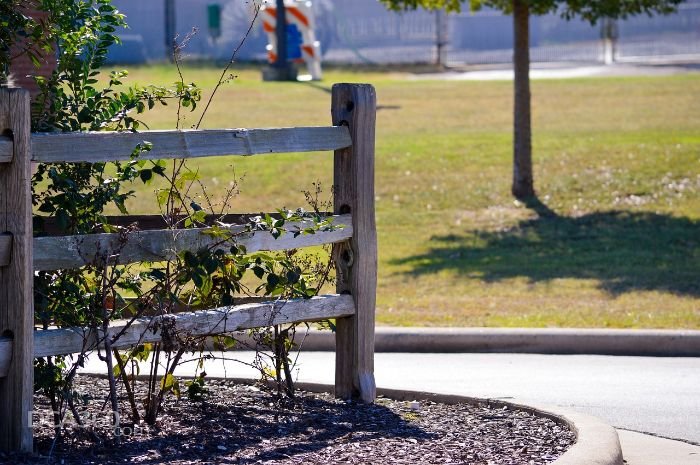
Choose organic mulch like wood chips, straw, or leaf litter. Put 2-4 inches of it around the tree, away from the trunk. Add more every year as it breaks down.
Planting Citrus Trees in Prepared Soil
Proper planting is key for citrus trees to grow well. Follow these steps for a healthy start and strong roots.
Digging the Right Hole
Dig a hole that fits the tree’s roots well. It should be wide and deep enough without bending the roots. Don’t make the hole too deep to prevent root oxygen loss.
Placing and Spacing the Trees
Put the tree in the hole, making sure it stands upright. Be gentle with the roots. Spacing typically ranges from 12 to 15 feet, although selecting citrus tree varieties with different growth habits may alter those requirements.
Backfilling and Watering
Fill the hole with the removed soil, pressing it down to remove air pockets. Plant the tree at the same depth as before. Water the tree well to settle the soil and help the roots.
Keep watering regularly to help the tree grow strong and healthy.
Maintaining Soil Health for Citrus Trees
Keeping your citrus trees healthy means taking care of the soil they grow in. This means mulching often, fertilizing right, and watching the soil’s moisture. These steps help your trees grow strong and produce well.
Regular Mulching
Using mulch to protect soil around citrus trees not only conserves moisture but also moderates soil temperature. It keeps the soil cool, holds moisture, and stops weeds. Putting organic mulch around the trees helps the soil too. It keeps the soil from washing away and protects the roots.
Regular mulching keeps the soil healthy. It gives trees a good place to grow and get nutrients.
Fertilization Tips
Feeding citrus trees with balanced nutrients begins by understanding fertilizer basics and selecting a blend suitable for fruit-bearing plants. First, test the soil to see what it needs. Then, pick a special citrus tree food and use it as the package says. Don’t give too much food, or it can hurt the trees.
With the right food, your citrus trees will grow well and make lots of fruit.
Monitoring Soil Moisture Levels
It’s important to know when to water your citrus trees. Too much water can hurt the roots, and too little can make the tree stressed. You can check the soil by digging a little or using a special tool.
Try to keep the soil just right, not too wet or dry. In dry places, you might need to water more often. Checking the soil often helps your trees grow strong and healthy.
By taking good care of the soil, you give your citrus trees the best chance to thrive. They’ll grow well, make lots of fruit, and stay healthy.
Conclusion – Cultivating the Perfect Soil for Citrus Success
Making the best soil for citrus trees is key for their growth and fruiting. We’ve looked at how to prepare and keep the soil healthy. These steps help your citrus trees grow well and give lots of tasty fruits.
To start, know what soil is best for citrus trees. Think about soil pH, texture, and what’s in it. Test your soil and fix the pH if needed to help your trees grow.
Getting your garden soil ready is also vital. Clear out weeds and old stuff, and add organic stuff to make it richer. Make sure the soil drains well to stop water from pooling, which hurts citrus trees.
Keeping the soil healthy is a must. Do this by mulching, fertilizing, and checking the soil’s moisture. Mulching keeps moisture in and stops weeds. Fertilizing gives your trees the nutrients they need. Checking the soil’s moisture makes sure your trees get enough water.
Follow these tips to make great soil for your citrus trees. Always check and change your soil as your trees need. With the right soil, your citrus trees will do great, and you’ll get lots of yummy citrus fruits.
FAQ
Why are soil conditions important for growing citrus fruits?
Soil conditions are key for citrus trees. They need the right nutrients, moisture, and oxygen. This affects their health and how much they produce.
What are the key factors to consider for optimal soil conditions?
Key factors include soil pH levels, texture, and composition. Also, having well-drained soil is important.
How can I test my soil for citrus trees?
You can test your soil with different methods. These tests show the pH levels and other important soil details.
How do I prepare my garden soil for citrus trees?
Start by removing weeds and debris. Add organic matter and ensure good drainage. This makes your soil perfect for citrus trees.
What specific soil amendments can improve soil conditions for citrus trees?
Adding compost, manure, sand, perlite, and mulch helps. These improve soil fertility, drainage, and moisture, helping citrus trees grow and produce well.
How do I maintain soil health for citrus trees?
Keep the soil healthy with mulching, the right fertilizers, and checking moisture levels. This ensures citrus trees get the nutrients they need and water wisely.