




Are you ready to learn about begonias? These amazing plants have won the hearts of many around the world. You might not know this, but there are over 1,800 types to pick from!
Begonias stand out because of their bright flowers and special leaves. They are perfect for gardens or inside your home. You can choose from bold tuberous begonias to elegant rex begonias. Each kind has its own special look and appeal.
Let’s dive into the world of begonias. We’ll look at the different kinds, how they grow, and what they need. This will help everyone, whether you’re new to gardening or not, find the best begonia for your place.
Key Takeaways:
- Begonias are a diverse group of flowering plants known for their vibrant flowers and unique foliage.
- There are over 1,800 different types of begonias, each with its own characteristics and charm.
- Understanding the different types of begonias will help you choose the right variety for your garden or indoor space.
- In this article, we will explore the various types of begonias and delve into their growth habits and care requirements.
- Whether you’re an experienced gardener or a beginner, begonias are sure to bring beauty and joy to your life.
Table of Contents
About Begonias
Begonias are fascinating plants in the Begoniaceae family. They are in the cucurbitales order. They are loved worldwide for their beautiful flowers and unique leaves. As the fifth largest genus of flowering plants, you have many choices.
Overview of the Begonia Genus
Begonias are unique because of their diverse leaves. You can find leaves in various shapes, textures, and colors. They bring beauty and uniqueness to gardens or indoor spaces.
The begonia genus has over 1,800 species and hybrids. So, there are plenty of options for gardeners to enjoy.
Historical and Botanical Significance of Begonias
Begonias have a long history. They were named after French governor Michel Bégon, who found them. He introduced them to the world of plants.
Today, begonias are important for biodiversity and ecological balance. They thrive in various habitats, helping ecosystems to stay healthy.
Diversity Among Begonia Species
Begonias come in many shapes, sizes, and types. There are over 1,800 kinds within the begonia family. Some have lovely flowers, and others are known for their leaves. You can find tuberous, rhizomatous, cane, rex, and fibrous begonias.
All begonias like some shade and dislike strong light. They also need soil that drains well. Knowing these facts, you can take better care of begonias at home or in your garden.
Major Types of Begonias
Begonias come in many forms, each with special traits. By learning about them, you can pick the perfect one for your spot. Whether in your garden or inside, there’s a begonia that will shine.
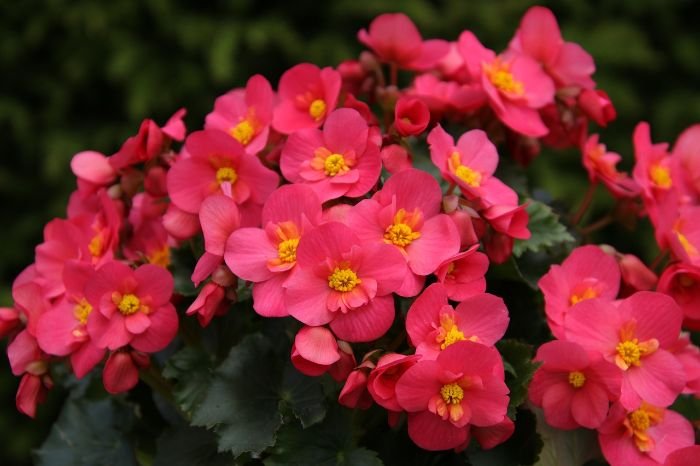
Tuberous Begonias
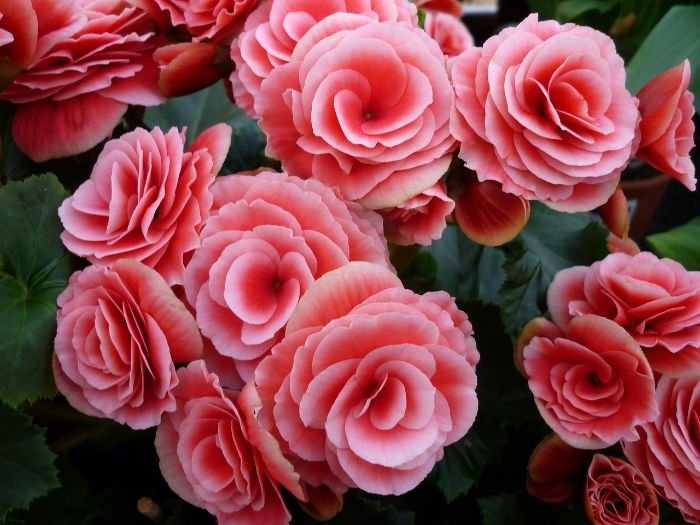
Tuberous begonias catch the eye with their bold, colorful flowers. They grow from tubers, not seeds. This means big blooms in every hue. They love the shade and need soil that drains well. Keep them watered and fed for the best results.
Rhizomatous Begonias
Rhizomatous begonias grow from thick rhizomes below the soil. They’re famous for their bright, varied leaves. These plants do well out of direct sunlight. They’re top choices for homes because of their lovely, unique leaves.
Cane Begonias
Cane begonias, or angel wing begonias, stand out with their unique looks. Their long stems and interesting leaves make a statement. They need plenty of light but not the direct kind. Perfect for making any space look more sophisticated.
Rex Begonias
Rex begonias show off with their colorful, textured leaves. They come in shades like green, red, and purple. Some even seem to shine or have glowing edges. These begonias like bright, indirect light. Because of their beauty, they’re great both inside and out.
Fibrous-Rooted Begonias
Fibrous-rooted begonias have thin, fibrous roots. They’re great for beds and containers in the warm months. You’ll find types like wax, trailing, and shrub begonias. They handle some sun but prefer a bit of shade. Just remember, they need well-drained soil and to be watered often.
Tuberous Begonias
Tuberous begonias are a captivating variety known for their stunning flowers and tuberous roots. They grow bushy and can get about 12-18 inches tall. Their vibrant colors include shades of red, pink, orange, and white, making any garden or indoor space beautiful.
Popular varieties of tuberous begonias, such as the ‘Nonstop®’ series, ‘Bossa Nova’, and ‘Flamenco’, are loved for their big blooms, strong growth, and long flowering time. They really stand out in any flower arrangement.
The right place for tuberous begonias is crucial for them to grow well. They do best in partial shade with well-draining soil to keep their roots from getting too much water. They need to be watered and fertilized regularly to stay healthy.
For the best growth, tuberous begonias like temperatures between 60-75°F (15-24°C) and a humidity level of 50-70%. In these conditions, they can really show off their beautiful blooms.
Rhizomatous Begonias
Rhizomatous begonias are a cool type of begonias. They stand out because of their thick underground stems, called rhizomes. These plants have pretty leaves that come in many colors and patterns. The rhizomes help the plant grow and store energy. This makes it easy for people to grow more plants from one.
One famous kind is the ‘Escargot’. It has leaves that look like snail shells. This adds fun to gardens and homes. Another cool begonia is the ‘Iron Cross’. It has leaves marked like a dark iron cross. ‘Purple Splash’ is also pretty. It has bright purple marks on its leaves. This makes it stand out.
These begonias do well in spots with some shade or less bright light. They like soil that drains water well. It’s important to water them often. But, don’t give them too much water to avoid hurting the roots.
Rhizomatous begonias are great for indoors or out. They look good and are not hard to take care of. This makes them perfect for all plant lovers, new or experienced.
Cane Begonias
Cane begonias, or angel wing begonias, are loved for their tall stems and unique leaves. Their leaves stand out with shiny colors or fuzzy textures. You can easily pick them out from the crowd. They look different from most other begonias.
Identifying Cane Begonias
Cane begonias have long, stiff stems like canes or bamboo. Their leaves are not the same on both sides and they shine. Leaves can be heart-shaped or long, with pointy edges. They come in many shades of green with different patterns or spots.
Common Varieties of Cane Begonias
A variety of cane begonias are out there, each with special features. Here are some favorites:
- ‘Sophie Cecile’ – It has shiny leaves that are silver-green with dark veins. They look spiraled and unique.
- ‘Lucerna’ – This type has big, green leaves with silver spots. They feel textured and elegant.
- ‘Corallina de Lucerna’ – Its leaves are green on top and coral underneath, with wavy edges, adding color.
Growing Requirements for Cane Begonias
Cane begonias love bright, but not direct, light. They do well in filtered light or partial shade. In hot weather, keep them in the shade. The soil should drain well to avoid too much water. This keeps them away from root rot.
They do best in high humidity. Misting or using a pebble tray can help. Fertilize them often for strong, colorful leaves.
Cane begonias light up any space with their tall stems and bright leaves. They’re different and lovely. With good care, they’ll be a beautiful part of your plant collection.
Rex Begonias
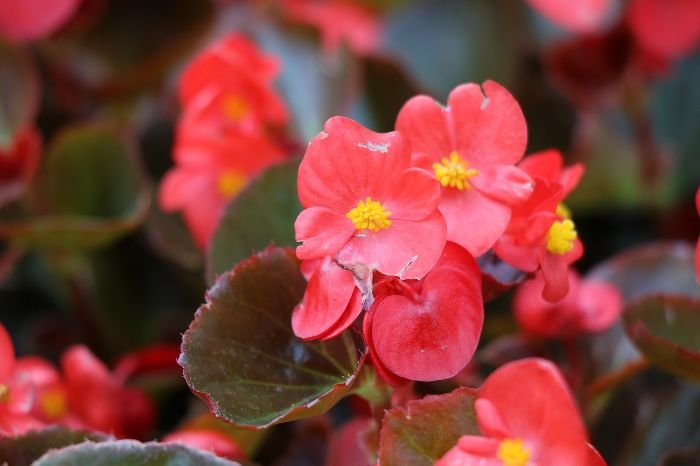
Distinctive Features of Rex Begonias
Rex begonias are known for their colorful leaves, making them a hit with plant lovers. Their leaves are textured and have colors like green, red, pink, silver, and purple. These leaves look shiny and sometimes like metal. They make any area look more beautiful. They have a special leaf shape and sharp edges that make them stand out. They really brighten up gardens both inside and out.
Popular Cultivars
Some rex begonia types are well-known for their special looks and beautiful leaves. The ‘Escargot’ kind has leaves that swirl like a snail and are green with silver. The ‘Iron Cross’ type has dark leaves with a pattern that looks like an iron cross. The ‘Fireworks’ kind has leaves in red and orange that look like fireworks. These different types show how varied and pretty rex begonias can be.
Tips for Cultivation
Growing rex begonias can be a fun and satisfying activity. They do best in bright but indirect light, perfect for indoor spaces with some shade. For soil, they like it to drain well and be full of good stuff. Remember not to water them too much, as they don’t like too wet. Let the soil almost dry out before watering again. You can grow them inside or out, but remember they don’t do well in the cold. With the right care, you can enjoy their beauty in your garden or home.
Fibrous-Rooted Begonias
Fibrous-rooted begonias are a top pick for summer gardens. They bring life to any garden design with their unique root system. This root system helps them grow well in many places.
Overview of Fibrous-Rooted Types
There are many types of fibrous-rooted begonias, each with special traits. Wax begonias stand out with their shiny leaves and tidy look. Trailing begonias flow gracefully, perfect for hanging or covering the ground. Shrub begonias grow upright, filling space with their leafy branches.
Common Varieties and Uses
Gardeners love to use ‘Semperflorens’ begonias for their constant, bright blooms. ‘Bonfire’ begonias catch eyes with their fiery red-orange flowers. ‘Dragon Wing’ begonias are known for their big, red flowers and wing-like leaves.
Fibrous-rooted begonias have many uses. They brighten flowerbeds and hanging baskets alike. You can also plant them in pots for colorful decks or patios.
Care and Maintenance
Looking after fibrous-rooted begonias is key to their health. They like some shade but can handle the sun in cooler spots. Good draining soil is vital, which you can make by adding organic material.
Keep their soil moist but not soaked with regular watering. Fertilize them with balanced food every 4-6 weeks for strong growth. It’s also good to remove dead flowers and any leaves that turn yellow. This helps them to grow more and look better.
Benefits of Growing Begonias
Growing begonias brings lots of joy for gardeners and plant lovers. Begonias stand out with their bright flowers and unique leaves. This makes them perfect for adding beauty to gardens or inside your home. They look great in flower beds, pots, or hanging from baskets.
Begonias can grow in many places, from shade to direct sun. With a variety for each garden, they fit everywhere. Their ability to adapt makes them a top pick for any gardener. Everyone can enjoy these lovely plants, no matter where they live.
Begonias do more than look pretty. They clean the air, making it healthier. They also create a calm, beautiful space indoors or out. These plants bring in bees and butterflies, helping nature too.
So, if you want to spruce up your garden or your home, consider begonias. Their beauty, ability to adapt, and positive effects on the environment make them a win for any plant lover.
Common Challenges and Solutions
Like any plant, begonias can face certain challenges. These challenges may affect their growth and health. Knowing about these challenges is key. Being prepared with solutions keeps your begonia plants healthy.
Pests and Diseases Affecting Begonias
Begonias can get pests and diseases. These can stop them from growing well. Pests like powdery mildew, botrytis, and mealybugs are common. Powdery mildew looks like white powder on leaves and stems. Botrytis makes leaves and flowers look fuzzy and gray. Mealybugs are tiny white bugs that slow plant growth by sucking on their sap.
It’s important to spot and tackle pests and diseases early. Check your plants often. If you see signs like powdery mildew, use a special fungicide. Stick to the product’s directions. For botrytis, get rid of any affected parts. Boost air movement around the plants to stop it from spreading. To beat mealybugs, wipe them off with a cotton swab dipped in rubbing alcohol. Or use organic insecticidal soap.
Troubleshooting Growth Issues
Begonias sometimes have trouble growing. They might lose leaves, turn yellow, or stop growing. These problems could be due to not enough water, lack of nutrients, or too little light.
Fix leaf drop and yellowing by checking your watering. Make sure the soil can drain well. Water when the top layer of soil has dried out. Then change your watering routine as needed. To cover nutrient gaps, give your plants a balanced fertilizer. Use it as the package tells you to.
Light is also very important for begonias. They like bright, but not direct, light. If they’re not getting enough light, move them somewhere brighter. Or you can add grow lights.
Best Practices for Healthy Plants
Keeping your begonias healthy needs some good habits:
- Most begonias like bright light, but not direct sun. Find them a good spot.
- Water your begonias well, but let the soil almost dry between waterings. For the right soil, choose one that drains well. High humidity helps too, so a humidifier or a tray of water and pebbles is a good idea.
- Give them food with a balanced fertilizer. Use it as the label says.
- Take out dead leaves often. This keeps your plants healthy and stops diseases.
- Check your plants for pests a lot. Remove any bugs you see right away. You can try using natural products to control pests if you need to.
By sticking to these practices and facing any challenges head-on, your begonias will stay strong and beautiful. They’ll make your garden or house look great.
Conclusion – Embracing the Beauty of Begonias
Begonias come in many colors, textures, and shapes, making them special. They have won over garden lovers worldwide. When you learn about different begonia types, picking the right ones for your garden or home becomes easier.
Tuberous begonias bloom beautifully, while rex begonias’ leaves shine brightly. There’s a begonia for every gardener’s style and need.
Let these amazing plants bring happiness to your life. They can make any space colorful and beautiful. Begonias are not just pretty, but they’re also easy to take care of. They will surely impress everyone who sees them.
FAQ
What are begonias?
Begonias are stunning flowering plants known for their colorful blooms and special leaves. They are part of the Begoniaceae family. This makes them the fifth largest group of flowering plants.
How many species and hybrids of begonias are there?
There are over 1,800 species and hybrids of begonias. Each one has unique characteristics.
What are the major types of begonias?
There are several types of begonias. These include tuberous, rhizomatous, cane, rex, and fibrous-rooted begonias.
What are the benefits of growing begonias?
Begonias add beauty to your indoor and outdoor spaces. They adapt well to different environments. Plus, they help clean the air and attract good insects.
How do I address common challenges with begonias?
Pests, diseases, and growth can be problems with begonias. Watch for these early and take good care of your plants. This includes the right light, water, and food.