



Updated October 19, 2025
Gardenias turn ordinary paths into little moments of pause, greeting arrivals with creamy blooms and a warm, jasmine-like perfume that builds on calm evenings. Place them where people naturally slow down and the yard gains a soft lift that feels intentional.
The reward is simple – a doorway that welcomes, a patio that holds attention after sunset.
The risk is just as clear if placement misses the mark, with browned edges after damp mornings and perfume drifting away from the spot you care about.
A short home trial tells you whether the air carries fragrance toward seats and entrances, so the plant works for you from the first bloom. Choose shapes that settle near face level and you get beauty by day and a quiet signature after dark.
Key Takeaways:
- Position blooms where people pause for everyday scent lift.
- Run a quick dusk check before you set roots.
- Choose forms that hold fragrance at natural face height.
- Avoid crowding against hot walls that mute fragrance.
- Stage containers by entries to make arrivals feel special.
Table of Contents
How Gardenias Look and Smell Up Close
Bright white petals against dark, glossy leaves draw the eye, then the perfume takes over on warm evenings. Gardenias earn attention with dense, sculpted blooms and a scent that lingers near paths and porches.
Bloom form and color
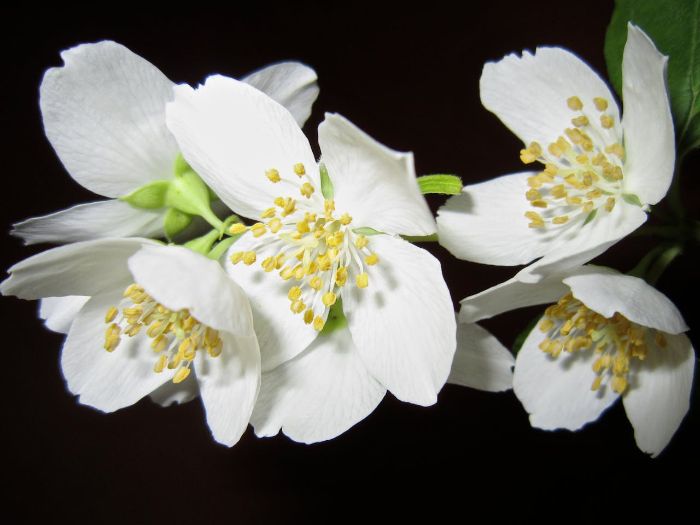
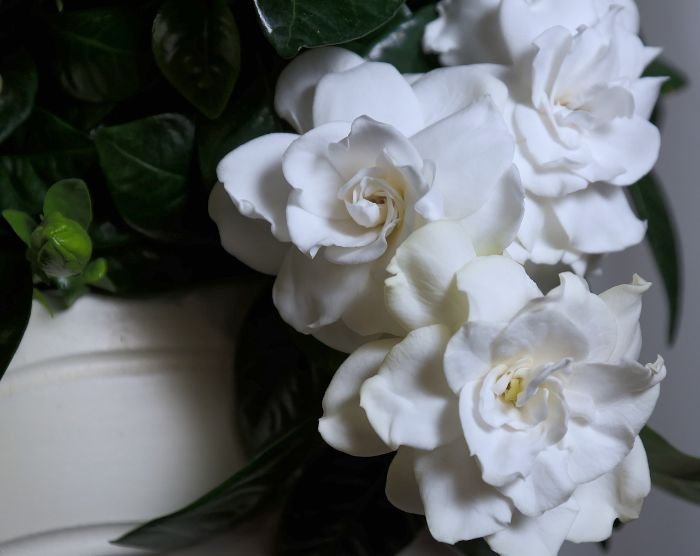
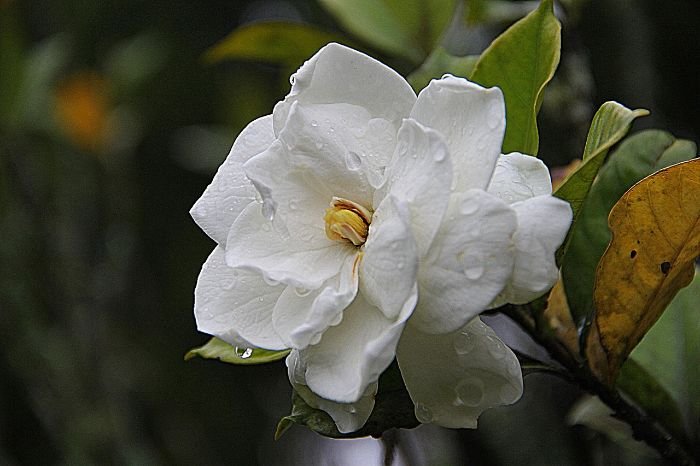
Most blooms are fully double or semi-double, with tight whorls that read clean and formal in beds. Petals hold a creamy white that stays visible at dusk against deep-green foliage, so flowers pop without extra lighting.
Typical flower diameter runs 2-5 in depending on variety, with thicker petals keeping shape after light rain. Firm, bruise-free petals indicate fresh blooms that will hold for several nights.
Fragrance profile and timing
What do gardenias smell like? A warm, jasmine-like perfume with sweet citrus and soft green notes that build as air temperatures rise.
Volatile oils diffuse faster in warmth and slow, stable air, so scent carries farther near sunset than at midday. On calm, humid nights the aroma is detectable about 8-10 ft from a mature shrub. Breezy conditions dilute the plume quickly, which is why sheltered spots read stronger than exposed corners.
I often notice that perfume peaks just after a still, late afternoon and drops sharply when a light breeze starts.
Quick scent cues – warm air, low wind, recent opening of fresh, unbruised flowers
Blooming windows
Expect the first wave late spring to early summer, with a lighter repeat in mid to late summer on healthy plants. Cooler nights and fresh growth trigger new buds, so a yard with gentle temperature swings often gets a second show.
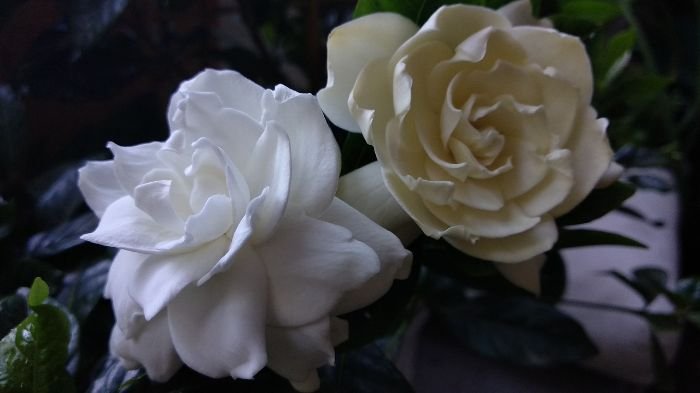
Individual flowers commonly look their best for 2-4 days, then soften at the petal edges. Brown specks usually follow leaf-wet mornings that stay damp too long, while clean, quick dry-down keeps petals bright for the next evening.
A clear read on form, color, and scent timing helps place plants where the aroma feels close and the flowers stay presentable through their short peak.
Placement That Lets the Fragrance Meet You
Warm air and slow-moving flow carry scent along the routes people actually use. Place plants where noses pass, and the perfume reads stronger with less effort.
Entryways and paths
Traffic concentrates near doorways and along narrow runs, so a gardenia shrub belongs just off the edge, not in the line of elbows or bags.
Center the plant 30-36 inches from the walkway edge to avoid bruised petals and to keep leaves free of sleeve contact. Height at or near head level puts the scent plume where people breathe, so pick a form that matures around 3-4 ft near front steps or a slightly taller hedge that tops out near 5 ft by a wide path.
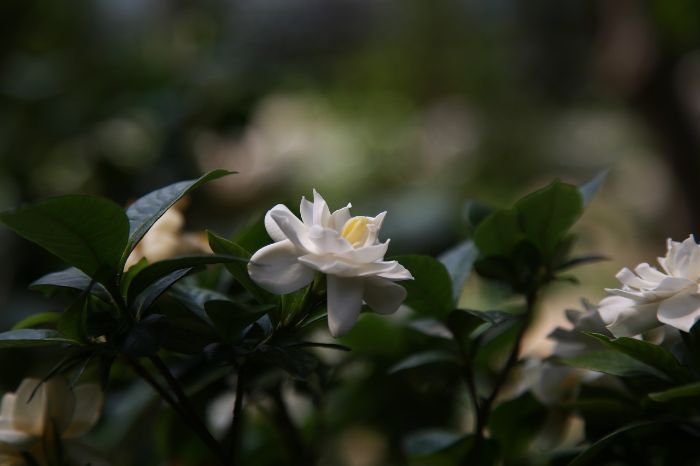
If night lighting warms the area, the fragrance lingers longer after sunset. Hard corners and walls reflect air, so offset the shrub a foot from masonry to keep the plume from breaking up around the corner.
Seating and patios
Patio tables and benches are low-wind zones in the evening, which helps the perfume settle around faces.
Aim for 4-6 ft from the main seat back to the plant center. Closer than 3 ft can feel overpowering in still weather, farther than 8 ft fades on most nights. Keep the plant just outside chair push-back arcs to protect new buds from contact. Where grills or heaters run, hold at least 8 ft of separation so heat bursts do not brown fresh petals.
I often notice that a single plant near the upwind side of a seating cluster reads stronger than two placed symmetrically downwind.
Wind and airflow cues
Fragrance travels along the lightest evening breeze, so read the flag on a pole, a hanging strand, or smoke from a match, then align the plant slightly upwind of noses.
Use a simple rule: if the evening breeze comes from the west, set the shrub west or southwest of the target spot by 2-4 ft, with a clear path between. Thin, open fences let scent pass; solid panels block and deflect. In narrow side yards, airflow behaves like a corridor, so set plants just inside the wider end to push fragrance toward the house entrance.
Pro tip – Stage the plant in its pot for one warm evening, then move it 2-3 ft along the breeze line until the scent is obvious where people pause.
A few precise placements yield a consistent read of the perfume without crowding traffic or bruising flowers.
Quick Fit Check – Climate, Light, and Site
Scorched edges, spotted petals, and stalled buds usually trace back to fit. A quick read of zone, light, and airflow prevents stress and keeps flowers clean through their short peak.
USDA zones at a glance
Where do gardenias grow? In-ground success is most reliable in USDA Zones 8-10, with cold-hardy lines stretching into sheltered Zone 7 and coastal microclimates pushing into mild Zone 11.
Cold limits are set by root and bud damage during sudden drops, so judge more by your winter lows and wind exposure than by averages. If winters dip to 10-15°F, choose hardy types and plant near south-facing walls that hold warmth. In Zone 7, plan for covers on radiative freeze nights and avoid low pockets where cold air settles before dawn.
A warm urban courtyard often behaves like one zone higher because masonry stores heat. That effect helps early buds survive shoulder seasons but can shorten bloom life during hot spells.
Light patterns
Morning sun with afternoon protection gives the longest run of clean petals. As a rule, target 3-4 hours of direct light before noon and bright, open shade later in the day.
Heat plus strong midafternoon rays stress leaf cuticles, so edges tan and flowers collapse sooner. Where the only open exposure is west, use high-canopy filter or a light screen that softens light during 2-5 PM. In cool coastal bands, longer sun windows are workable because air temperatures cap lower; in interior valleys, even one extra hour of late sun can tip blooms past their best.
Test the site on a clear day. If the spot holds harsh sun past midafternoon in June, shift one planting width toward filtered cover and retest.
Spacing and airflow
Dry leaves and gentle flow keep petals bright after dew and brief showers. Allow clear space around the canopy so air moves without buffeting the branch tips.
For compact forms under 3 ft wide, hold 30-36 inches center-to-center in rows against a walk. For mid-size shrubs, open that to 48-60 inches so interiors dry by late morning. Taller hedging forms benefit from a light wind lane behind the row; a 12-18 inch gap to fences or walls prevents trapped moisture that spots flowers.
I often notice that buds stay firmer where morning sun dries dew by 10 AM and foliage does not touch fences or dense neighbors.
Fit is a quick decision when you read zone, light window, and airflow together. Get those three right and the plant does the rest with minimal correction.
Popular Gardenia Types and Best Uses
Big flowers that hold shape, compact forms that stay tidy, and shrubs that keep perfume at face height save time on clipping and place scent where people actually pass. Match the habit to the job first, then worry about color nuance.
Compact picks
Small forms sit near steps and narrow beds without spilling into traffic.
Radicans types crawl low and dense, topping out around 12-18 inches, which keeps petals clean on tight edges. Kleim’s Hardy grows into a short, open mound with singles that dry faster after light showers, so blemishes show up less on busy fronts.
Choose compact plants for container rims, stair landings, and skinny borders where movement is close and low wind holds aroma near faces.
Landscape staples
Mid-size workhorses fill borders and light hedges with reliable flushes.
August Beauty builds a rounded body in the 4-5 ft range and throws repeat waves that register from a short distance. Frostproof carries buds on firm wood and handles spring chills better than many peers, so early shows land on time in cooler pockets.
Use these for runs along walks or as layered anchors that read clean from the curb without clipping every few weeks.
Large-bloom standouts
Showpiece types load big petals that draw attention near seating and focal points.
Miami Supreme and similar lines carry flowers in the 4-6 in class on stout stems, so faces stay level and visible across a small patio. Veitchii produces frequent, smaller doubles on a refined frame when nights cool, giving a long season of scent around gathering zones.
Place showpieces where visitors pause so the scale and perfume both register within a few paces.
| Variety | Habit/size | Fragrance | Bloom size | Zone range | Best use-case |
|---|---|---|---|---|---|
| Radicans | Prostrate 1-1.5 ft | Strong | 1.5-2 in | 8-10 | Low borders, containers |
| Kleim’s Hardy | Compact 2-3 ft | Medium | 2-3 in | 7-10 | Small beds, front steps |
| August Beauty | Rounded 4-5 ft | Strong | 3-5 in | 8-10 | Borders, light hedges |
| Frostproof | Upright 3-5 ft | Medium | 2.5-4 in | 7-10 | Cooler sites, early bloom |
| Miami Supreme | Full 5-6 ft | Strong | 4-6 in | 8-10 | Patio focal points |
| Veitchii | Refined 3-4 ft | Medium | 2-3 in | 8-11 | Long-season fragrance |
Habit controls where scent meets faces because plant height sets the plume at the right level. Zone ranges point to outdoor placement confidence; container use widens options where winters run colder.
Pro tip – Pick by mature height at nose level near the target spot so fragrance lands where people actually breathe.
Across installs, compact choices hold a clean outline with little touch-up, while mid-size lines give the best balance of bloom count and low-maintenance shape.
First Steps to Enjoy Gardenia Flowers Fast
Fresh buds, clean petals, and a clear scent plume arrive quickly when the first choices are right. A short check at purchase and a one-day home trial lock in fragrance without later fixes.
Smart buying
Start with plants carrying tight, pale buds on firm, bright green tips.
Choose a shrub with at least 3-4 active shoots and a balanced crown, not a single leader. Lift the pot and feel weight after the bench watering cycle; a pot that feels heavy and stays wet for hours points to dense mix and slow drainage.
Slide a finger along the rootball through the drain hole. Fine white roots that hold together yet release with a light tug signal healthy growth. Avoid pots with circling, brown roots or blackened tips. Flowers open larger and hold longer when the plant pushes new growth rather than relying on old wood.
Home spot check
Confirm the location with two quick reads on the same day.
Set the pot in the intended spot around midafternoon, then again near dusk. If late sun still strikes the bloom faces for more than 45 minutes, shift half a plant width toward filtered cover. When evening air moves gently toward the seating area, keep the plant slightly upwind of where noses will be. If the air drifts away, slide the pot 2-3 ft along that line until the perfume becomes clear at the standing or sitting position.
Measure surface dryness by sight, not touch. A uniform matte leaf surface by late morning means dew or light showers cleared on time, which keeps petals bright through the evening.
Keep blooms presentable
Light grooming preserves display and keeps scent near face level.
Remove spent flowers as soon as edges tan to reduce spotting on new petals below. Wipe stray splashes from irrigation with a soft cloth the same day; dried marks cut petal life short. After windy spells, shake out trapped debris and recheck for twig tips brushing the bud clusters.
A light cleanup before warm weekends extends the evening show because fresh, unbruised petals release fragrance more evenly.
A careful buy and a same-day placement test shorten the ramp to reliable bloom and fragrance, so the plant starts working for the space from the first week.
Practical Wrap-Up
Run a quick seasonal loop and the fragrance stays reliable. Start with a spring fit check, then do short evening tune-ups when bloom waves begin. If scent drops where people pause, shift position first, not the plant’s form. Small moves change air paths and put perfume back at face level.
Use tight rules. If petals spot after two damp mornings in a row, open the site to earlier light by half a plant width and recheck the next day at 7 pm. If a seating area feels overpowered, move the container 18-24 inches off the main seat line or thin one twig that brushes bloom clusters. When wind patterns change mid-summer, test the scent at 8 pm and again at 9 pm; a two-time read catches the evening shift that often decides where gardenias perform best for visitors.
Keep a light cadence. Walk the route people use each Friday night when temperatures are warm, clear spent blooms that touch fresh buds, and confirm that leaves dry by late morning after any watering or overnight dew. These small checks keep the display clean and the aroma consistent without turning care into a project.
- Confirm leaves dry by late morning after irrigation
- Test scent at 7 pm and 9 pm on warm nights
- Shift placement 18-24 inches if perfume feels too close
- Open to earlier light after two damp mornings of spotting
- Trim one twig that contacts buds after windy days
FAQ
How far does the perfume from gardenia flowers carry on a calm evening?
Expect a clear read within 6-9 ft from a mature shrub in low wind. Near walls or corners that slow air, the plume tightens and feels stronger at 4-6 ft; open exposures need closer placement for the same effect.
Do gardenias smell stronger at night or during the day?
Scent usually peaks near dusk because warmer leaf and petal surfaces release more volatile oils while winds calm down. On still evenings around 68-75°F, fragrance concentrates at face height and carries farther than at midday.
Can you use gardenias to scent a front entry without blocking the door?
Yes. Set the center of the plant roughly 28-32 inches off the swing path and keep branch tips trimmed away from the handle area. This spacing protects petals from contact while keeping aroma right where people pause.
What happens if petals keep browning after light rain?
Browning after showers points to slow dry-down. Shift the plant half a canopy width toward earlier light or increase airflow by pulling it 8-12 inches off nearby fencing. Faster morning drying extends bloom life.
How many plants do you need to scent a small patio?
One well-grown shrub can cover a 10-12 ft seating zone on calm nights. For breeze-prone areas, use two plants set upwind and crosswind at 5-7 ft from the main seat to keep a consistent plume without overpowering.
Can you keep a gardenia on a balcony and still get fragrance indoors?
You can, if the pot sits level with the open doorway and the evening breeze moves toward the room. Crack the door 6-12 inches during peak scent hours and place the plant 3-4 ft outside the threshold to avoid overpowering the interior.
Does pruning timing change how gardenia fragrance reads through the season?
Light shaping right after a bloom wave preserves new wood that sets the next buds, which keeps fragrance cycles closer together. Hard cuts late in summer push leafy growth at the expense of fall scent windows.
When is the best month to plant gardenias for fast fragrance in warm regions?
In Zones 8-10, late spring planting delivers the quickest return. Warm nights help gardenia fragrance develop, and the plant has months to root before the first strong bloom flush.