
Last Updated June 04, 2026
A hydrangea can look perfect in a nursery pot and still become the wrong shrub after one season in the ground. Big blue flowers can disappear after a cold winter. A panicle type can outgrow a narrow path. A smooth hydrangea can bloom heavily and then flop after rain if the stems are too weak for the flower heads.
Hydrangea variety choice starts with the site before flower color. Sun, heat, winter lows, soil moisture, mature width, and pruning wood decide whether the plant will bloom reliably. Color becomes useful after the plant can live and flower in the space you have.
Hydrangea type should match the garden first: panicle for sun and cold, smooth for reliable summer bloom, bigleaf and mountain for protected part shade and color shifting, oakleaf for woodland structure, and climbing hydrangea for shaded vertical space.
Key Takeaways:
- Choose hydrangeas by sun, hardiness, moisture, and mature size before bloom color
- Use panicle and smooth hydrangeas for the most reliable flowering in cold regions
- Choose bigleaf or mountain hydrangeas only where old wood buds can survive winter
- Expect blue and pink color control mainly from bigleaf and mountain hydrangeas
- Match pruning wood to your comfort level before buying a variety
Table of Contents
Choose The Right Hydrangea Type By Sun, Space, And Bloom Risk
The most useful hydrangea decision happens before cultivar names enter the picture. A plant tag may promise blue flowers, enormous panicles, dwarf size, or reblooming power. Those traits only matter if the shrub fits the light, winter exposure, soil moisture, and pruning pattern in the garden.
Look at the site in four layers. First, count the sun hours and notice afternoon heat. Second, check winter exposure and late frost risk. Third, measure the full width the shrub can occupy without annual hard pruning. Fourth, decide whether you are comfortable protecting old flower buds or prefer a hydrangea that flowers on new growth.
| Garden Condition | Best Hydrangea Type | Why It Fits | Main Caution |
|---|---|---|---|
| Sunny, cold garden | Panicle hydrangea | Cold hardy, sun tolerant, blooms on new wood | Many cultivars get large unless chosen by mature size |
| Cold garden with part shade | Smooth hydrangea | Reliable summer bloom after winter dieback | Large flower heads may flop after rain |
| Protected part shade | Bigleaf or mountain hydrangea | Best color range and possible blue or pink shifts | Old wood buds can be lost to cold, deer, or pruning |
| Woodland edge or dappled shade | Oakleaf hydrangea | Flowers, bold foliage, fall color, and structure | Needs room and careful pruning after bloom |
| Shaded wall, fence, or arbor | Climbing hydrangea | Covers vertical space where shrubs cannot fit | Slow to establish and too large for weak supports |
The same logic applies across most ornamental choices. Plant selection should begin with the site because a beautiful variety cannot outgrow the wrong exposure forever.

Hydrangea Types Compared By Garden Conditions
The six common hydrangea groups behave differently enough that they should be chosen as separate plants. Panicle hydrangeas handle cold sun with new-wood bloom. Bigleaf hydrangeas depend more on protected part shade and surviving old wood.
| Type | Botanical Name | Typical Size | Bloom Wood | Hardiness Fit | Typical Bloom Season | Best Use |
|---|---|---|---|---|---|---|
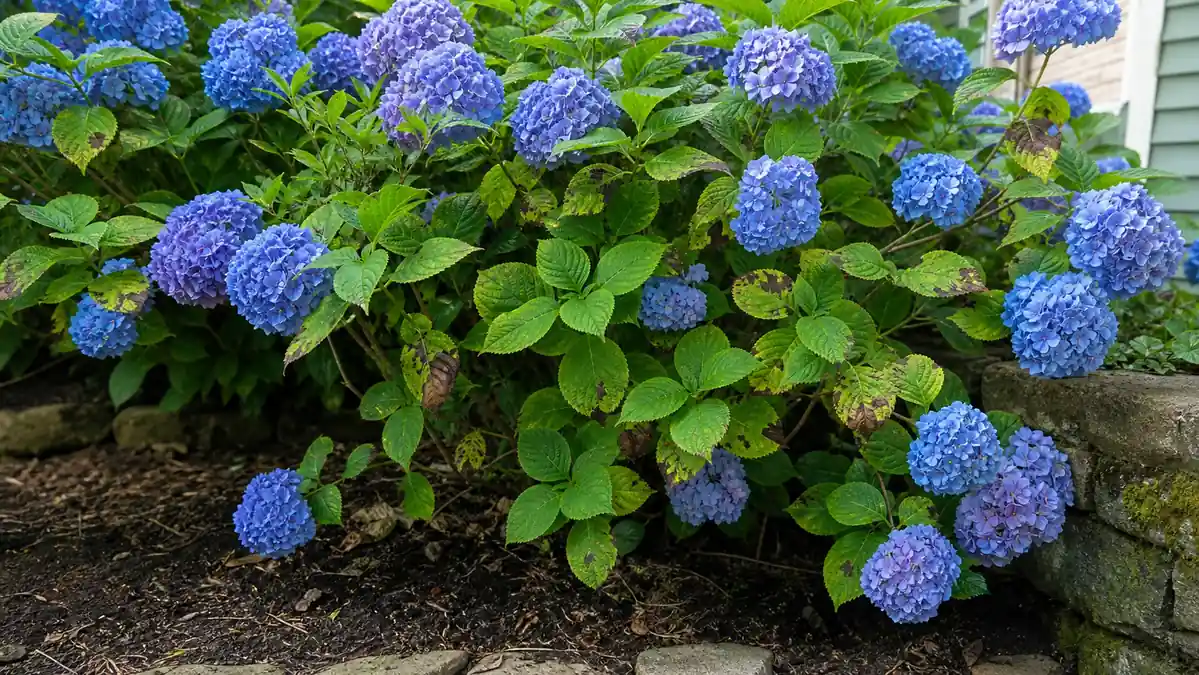
| Bigleaf, mophead, lacecap | Hydrangea macrophylla | 2 to 6 feet tall and wide | Old wood, with some rebloomers on old and new wood | Often Zones 6 to 9; some rebloomers handle colder sites with protection | Summer | Part shade, containers, blue or pink color goals |
| Mountain | Hydrangea serrata | 2 to 5 feet tall and wide | Usually old wood, some reblooming cultivars | Often Zones 5 to 9, depending on cultivar | Late spring to summer | Small spaces, lacecap flowers, part shade |
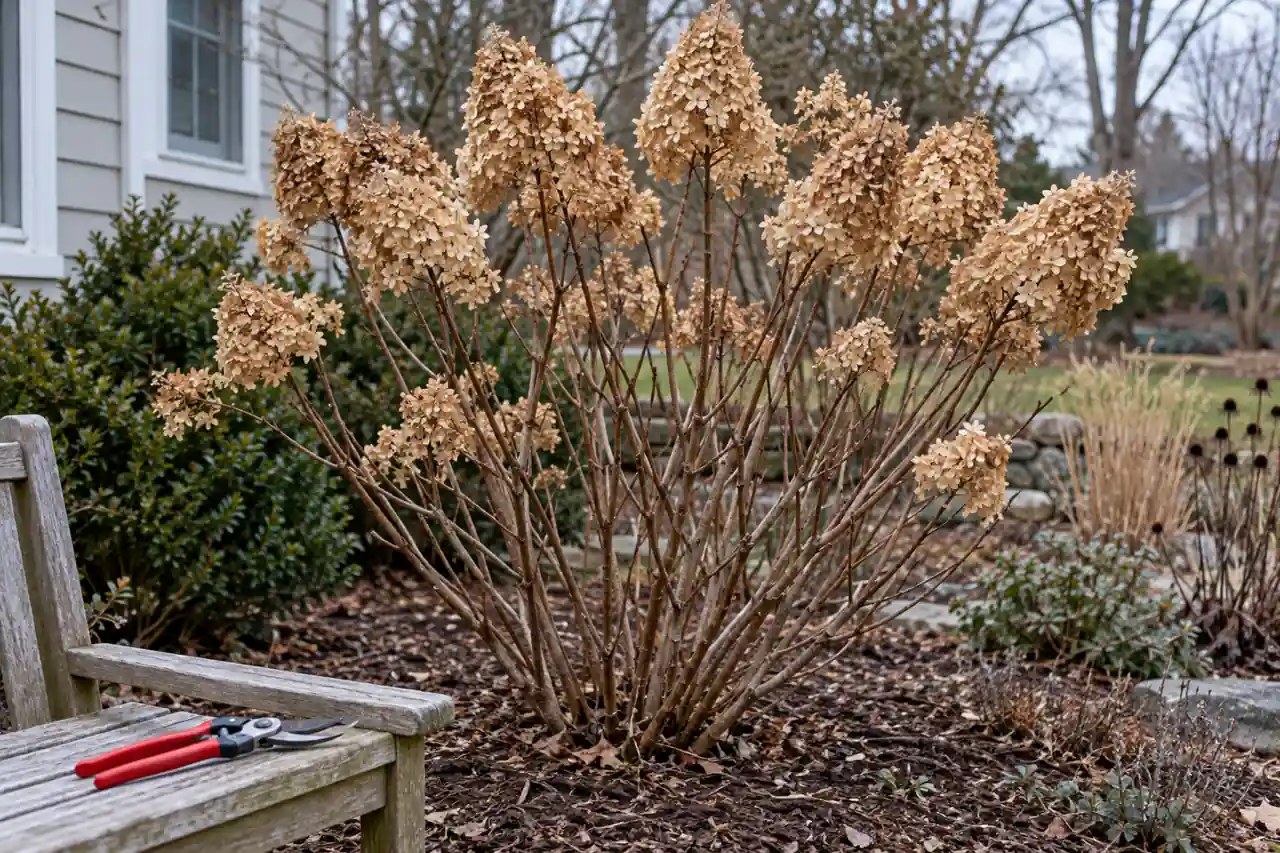
| Panicle | Hydrangea paniculata | 3 to 15 feet, depending on cultivar | New wood | Often Zones 3 to 8 or 3 to 9 | Midsummer to fall | Sunny borders, cold climates, hedges, tree forms |
| Smooth | Hydrangea arborescens | 3 to 6 feet tall and wide | New wood | Often Zones 3 to 9 | Early to midsummer; some cultivars rebloom | Reliable summer bloom, cold regions, informal borders |
| Oakleaf | Hydrangea quercifolia | 3 to 8 feet tall and wide | Old wood | Often Zones 5 to 9 | Late spring to summer | Woodland edges, fall color, four-season structure |
| Climbing | Hydrangea anomala subsp. petiolaris | 30 feet or more on strong support | Established woody framework | Often Zones 4 to 8 | Late spring to early summer after establishment | Shade walls, mature arbors, large vertical surfaces |
Most gardeners should treat Hydrangea anomala subsp. petiolaris as the default climbing hydrangea for cold or exposed sites. Evergreen climbing hydrangeas need milder, sheltered conditions.
New-wood types are more forgiving because winter dieback and late pruning do not usually erase the whole bloom season. Old-wood types carry flower buds through winter, so the plant can look alive in spring and still fail to flower if buds were killed, browsed, or cut off.
The pruning decision should be clear before the plant leaves the nursery. Bigleaf, mountain, and oakleaf hydrangeas usually need pruning after flowering, if they need it at all. Smooth and panicle hydrangeas can be pruned in late winter or early spring because they flower on current-season growth. Pruning timing is safer when it follows old wood or new wood blooming, because different hydrangea types need different pruning windows.

Match Hydrangea Varieties To Sun, Shade, Heat, And Cold
Hydrangeas often fail at the edge of their comfort zone. Too much afternoon sun scorches leaves and wilts bigleaf blooms. Too much shade reduces flowering on panicle and smooth types. Cold winters can kill flower buds on bigleaf, mountain, and oakleaf types even when the root system survives.
Morning sun with afternoon shade is the safest light pattern for many hydrangeas, especially bigleaf and mountain types in warm climates. Panicle hydrangeas tolerate more sun if the soil stays moist. Smooth hydrangeas can take part shade and still flower, which makes them useful under high tree canopies or along east-facing beds.
| Site Pattern | Better Choices | Varieties To Consider | Risk To Watch |
|---|---|---|---|
| Full sun in a cool region | Panicle hydrangea | Limelight, Little Lime, Bobo, Quick Fire, Vanilla Strawberry | Dry soil and oversized mature width |
| Morning sun, afternoon shade | Bigleaf, mountain, smooth | Endless Summer, Let’s Dance, Tuff Stuff, Annabelle, Incrediball | Old wood bud damage on bigleaf and mountain types |
| Bright shade or woodland edge | Oakleaf, smooth, climbing | Ruby Slippers, Pee Wee, Haas Halo, Miranda | Flowering drops in deep shade |
| Hot reflected heat near paving | Oakleaf or protected panicle | Jetstream, Ruby Slippers, Little Quick Fire | Leaf scorch and fast soil dry-down |
| Cold Zone 3 to 4 garden | Panicle and smooth hydrangeas | Limelight, Bobo, Quick Fire, Annabelle, Incrediball | Bigleaf types may survive without reliable flowers |
Hydrangeas need consistent moisture and drainage through winter wet periods. Bigleaf, smooth, and panicle types often struggle in fast-drying soil. Waterlogged soil can weaken roots before summer bloom size is visible. In heavy soil, choose a planting position where water moves through the root zone after rain and does not sit around the crown.
Light should be measured in the season when the plant will struggle. A spring site can look gentle before summer heat bounces off siding, stone, or pavement. Assessing sunlight in the garden is more useful when it includes afternoon exposure, reflected heat, and total hours together.
Choose Bloom Color Without Betting Everything On Soil pH
Hydrangea color creates more bad purchases than almost any other trait. Blue flowers on a tag do not guarantee blue flowers in every garden. White panicle, smooth, oakleaf, and climbing hydrangeas do not turn blue because the soil is acidic. Most strong pH color shifts happen in bigleaf and mountain hydrangeas.
Blue tones need acidic soil and available aluminum. Pink tones appear as the soil becomes less acidic and aluminum uptake drops. Purple and mixed shades often appear in the middle. A soil test matters before any amendment because hydrangea flower color depends on aluminum availability as well as pH, and repeated sulfur, lime, or aluminum sulfate can stress roots if used casually.
| Color Goal | Best Hydrangea Types | Variety Examples | Reality Check |
|---|---|---|---|
| Blue or purple | Bigleaf and mountain | Nikko Blue, Endless Summer, Blue Billow, Tuff Stuff | Color depends on soil chemistry and cultivar |
| Pink | Bigleaf, mountain, smooth, panicle aging tones | Let’s Dance, Invincibelle Spirit, Vanilla Strawberry | Panicle pinking comes from flower aging, not pH control |
| White or green-white | Panicle, smooth, oakleaf, climbing | Limelight, Annabelle, Incrediball, Gatsby Moon | Most white hydrangeas stay white or age cream, tan, green, or pink |
| Seasonal color change | Panicle and oakleaf | Quick Fire, Pinky Winky, Ruby Slippers | Color shifts with flower age and weather; pH control has little effect |
Color correction works better before planting than after a shrub fills the bed. Soil pH and plant selection should shape the variety choice if blue flowers are the main reason for buying a hydrangea.

Choose Hydrangea Flower Form Before Choosing A Cultivar
| Flower Form | Common Hydrangea Types | Best Garden Use | Caution |
|---|---|---|---|
| Mophead | Bigleaf and some smooth hydrangeas | Bold rounded flower display near seats, paths, containers | Bigleaf mopheads may lose bloom if old wood buds are damaged |
| Lacecap | Bigleaf, mountain, smooth, climbing | Lighter texture, pollinator interest, less visual weight | Less dramatic from distance than large mopheads |
| Cone-shaped panicle | Panicle and oakleaf | Hedges, screens, woodland edges, late-season structure | Large cultivars need width and cannot be kept small forever |
| Large smooth flower heads | Smooth hydrangeas | Reliable summer bloom in cold regions and informal borders | Weak-stemmed selections can flop after rain |
Pick Hydrangeas By Mature Size And Garden Role
Mature size matters more than nursery size. A one-gallon panicle hydrangea can look harmless beside a walkway and then become a broad shrub that needs yearly cutting to keep the path open. Compact cultivars solve real design problems when the mature width is honest.
| Garden Role | Better Hydrangea Choices | Useful Varieties | Spacing Caution |
|---|---|---|---|
| Small foundation bed | Compact panicle, mountain, dwarf bigleaf | Bobo, Little Lime, Tuff Stuff, Let’s Dance Blue Jangles | Leave air between shrub and siding |
| Large flowering hedge | Panicle hydrangea | Limelight, Quick Fire, Pinky Winky, Vanilla Strawberry | Plan for mature width as well as height |
| Woodland anchor | Oakleaf hydrangea | Ruby Slippers, Snow Queen, Gatsby Gal, Pee Wee | Allow space for broad leaves and fall color display |
| Cut flowers | Bigleaf, panicle, smooth | Endless Summer, Limelight, Incrediball, Annabelle | Do not place old-wood types where winter buds fail often |
| Shady vertical coverage | Climbing hydrangea | Miranda, species climbing hydrangea | Needs strong support and patience during establishment |
A plant chosen for role ages better than a plant chosen only for flower size. Low windows, narrow paths, air-conditioning units, and front steps all punish oversized shrubs. A compact hydrangea with fewer rescue cuts usually looks better after five years than a dramatic cultivar kept too small by pruning.

Choose Hydrangeas By Old Wood Or New Wood Blooming
Hydrangea pruning problems often begin on buying day. A gardener who wants a low-maintenance shrub in a cold winter climate may be happier with panicle or smooth hydrangeas because both bloom on new wood. A gardener who wants blue mopheads must accept more bud-protection risk and lighter pruning.
Old-wood hydrangeas set flower buds on stems that grew the previous season. Bigleaf, mountain, and oakleaf hydrangeas fit this group. Hard pruning in fall, winter, or early spring can remove the buds before they open. Deer browsing and winter injury can do the same thing.
New-wood hydrangeas set buds on the current season’s growth. Smooth and panicle hydrangeas fit this group. They can usually be shaped in late winter or early spring and still flower in summer. New-wood flowering makes smooth and panicle hydrangeas safer where gardeners inherit shrubs, prune annually, or deal with winter dieback.
Reblooming bigleaf and mountain varieties reduce some risk because they can flower on both old and new wood. They still perform best when the old wood survives. Treat reblooming as extra insurance, not permission to cut the plant hard every spring.
Pruning timing should follow the hydrangea type before the calendar. Seasonal pruning timing gives the calendar frame, and bloom wood decides which stems can be cut safely.

Best Hydrangea Varieties For Common Garden Situations
Named varieties are useful when they solve a site problem. Compact panicle hydrangeas solve limited space. Reblooming bigleaf types reduce some old-wood risk in a protected site. Strong-stemmed smooth hydrangeas reduce flopping. Small oakleaf cultivars bring foliage and fall color without overwhelming a woodland edge.
| Situation | Strong Choices | Why They Work | Skip If |
|---|---|---|---|
| Cold climate reliability | Limelight, Bobo, Quick Fire, Annabelle, Incrediball | Panicle and smooth types bloom on new wood | The site is deep shade |
| Blue or pink flowers in part shade | Endless Summer, BloomStruck, Let’s Dance, Tuff Stuff | Bigleaf and mountain types can respond to pH | Winter buds fail often in the site |
| Low hedge or narrow bed | Bobo, Little Lime, Little Quick Fire, Tuff Stuff | Compact habits reduce pruning pressure | The bed receives harsh reflected heat with dry soil |
| Four-season foliage | Ruby Slippers, Pee Wee, Snow Queen, Gatsby Gal | Oakleaf hydrangeas add bold leaves and fall color | The space cannot hold a broad shrub |
| Large sunny screen | Limelight, Pinky Winky, Vanilla Strawberry, Quick Fire | Tall panicles create mass and late-season bloom | Annual size reduction would be required |
| Shade wall or arbor | Climbing hydrangea, Miranda | Climbing habit uses vertical shade | The support is weak or temporary |
Local availability matters because hydrangea hardiness and heat tolerance are regional. A cultivar that performs beautifully in a mild coastal garden can disappoint in a windy cold pocket. Buy from nurseries that sell landscape-grown hydrangeas for your region, and avoid gift plants in seasonal foil as the main source.
Containers, Hedges, And Small-Space Hydrangeas
Hydrangeas can grow well in containers when the variety stays compact and the pot holds enough root volume. Bigleaf and mountain hydrangeas are common container choices because they like protected part shade and offer strong color. Compact panicles can also work, provided the pot is large, stable, and watered consistently.
Container hydrangeas dry faster than shrubs in the ground. A small pot can wilt daily in summer even when the plant is technically shade tolerant. Morning sun, afternoon shade, a wide container, and a moisture-retentive potting mix make the choice more forgiving. The light logic behind container gardening sunlight applies strongly to hydrangeas because leaves and flower heads lose water quickly.
Match Container Hydrangeas To Patio Conditions
| Container Site | Better Hydrangea Choices | Why It Works | Watch Point |
|---|---|---|---|
| Part-shade patio | Compact bigleaf or mountain hydrangea | Strong color and manageable size in protected light | Winter bud protection and fast pot dry-down |
| Sunny cool-climate patio | Compact panicle hydrangea | Better sun tolerance and new-wood bloom | Large pots still needed for root volume |
| Large decorative pot | Annabelle or compact smooth hydrangea | Reliable summer bloom and cold tolerance | Large flower heads may need support after rain |
| Small balcony | Dwarf bigleaf, mountain, or compact panicle | Smaller mature size reduces pruning pressure | Small pots overheat and dry too quickly |
Hedges need a different choice. A hydrangea hedge should be chosen by mature width and flowering wood, with bloom-head size treated as secondary. Panicle hydrangeas make the most reliable flowering hedges in sunny and cold areas. Protected part shade can make bigleaf hedges beautiful; winter bud damage and pruning mistakes create uneven bloom.
Small spaces need compact names, measured spacing, and honest access. Bobo, Little Lime, Little Quick Fire, Tuff Stuff, Let’s Dance Blue Jangles, and dwarf oakleaf selections can fit tight beds more naturally than full-size panicles or large bigleaf cultivars.
Mistakes That Lead To No Flowers, Scorch, Or Oversized Shrubs
The most common hydrangea failure is choosing for bloom color first. Blue bigleaf hydrangeas planted in cold, windy, exposed gardens can live for years with few flowers. White panicle hydrangeas planted in deep shade may grow leaves and give little bloom. Large cultivars beside paths become pruning problems every summer.
| Problem | Likely Buying Mistake | Better Next Choice | Correction |
|---|---|---|---|
| No flowers | Old-wood hydrangea in a cold or heavily pruned site | Panicle, smooth, or reblooming bigleaf in protection | Identify bloom wood before pruning |
| Leaf scorch | Bigleaf or mountain hydrangea in hot afternoon sun | Panicle, oakleaf, or a shadier site | Move or shade the plant and improve moisture |
| Constant wilting | Moisture-loving type in fast-drying soil or small pot | Compact variety in a larger pot or better-mulched bed | Water deeply and protect roots from heat |
| Flopping flowers | Weak-stemmed smooth hydrangea with huge heads | Incrediball, Haas Halo, or smaller-flowered smooth types | Use supports early or prune for stronger stems |
| Annual size fight | Large panicle or oakleaf in a narrow space | Compact panicle, mountain, or dwarf oakleaf | Replace oversized plants when heavy yearly reduction would be required |
Hydrangeas in deep shade often survive without producing the flower display people expect. Bright shade and morning sun are different from dark shade under dense trees. If shade is the main limit, pair hydrangea choice with the same site reading used for shade-loving plants: root competition, moisture, canopy density, and reflected light all matter.
Conclusion
The best hydrangea variety is the one that matches the garden before it matches the color scheme. Panicle and smooth hydrangeas give the most reliable bloom in cold or pruning-prone gardens. Bigleaf and mountain hydrangeas give the strongest blue and pink color range where old wood buds can survive. Oakleaf hydrangeas add foliage and structure. Climbing hydrangeas solve shaded vertical space.
Measure the site honestly: sun hours, afternoon heat, winter exposure, soil moisture, mature width, and pruning comfort. Those details decide whether the shrub blooms every year or becomes a leafy disappointment.
Once the type fits, cultivar choice becomes enjoyable. Choose compact names for small beds, new-wood bloomers for low-risk flowering, reblooming bigleaf types for protected color gardens, and oakleaf or climbing types where foliage and structure matter as much as bloom.
FAQ
What Is The Easiest Hydrangea Variety To Grow?
Panicle and smooth hydrangeas are usually the easiest because they bloom on new wood and tolerate cold winters better than bigleaf types. Good choices include Limelight, Bobo, Quick Fire, Annabelle, and Incrediball.
Which Hydrangeas Change Color?
Bigleaf and mountain hydrangeas are the main types that can shift between blue, purple, and pink based on soil pH and aluminum availability. Panicle, smooth, oakleaf, and climbing hydrangeas do not turn blue through pH adjustment.
Which Hydrangeas Grow Best In Full Sun?
Panicle hydrangeas handle full sun better than most hydrangeas, especially in cooler regions with moist soil. In hot climates, even sun-tolerant types benefit from afternoon shade and mulch.
Which Hydrangea Is Best For Shade?
Climbing hydrangea, oakleaf hydrangea, smooth hydrangea, bigleaf hydrangea, and mountain hydrangea can all work in part shade. Deep shade reduces flowering, so choose bright shade or morning sun where possible.
Can Hydrangeas Grow In Containers?
Yes. Compact bigleaf, mountain, and panicle hydrangeas can grow in large containers with drainage, stable moisture, and protection from hot afternoon sun. Small pots dry too quickly for most hydrangeas in summer.
Should I Choose Hydrangeas By Color Or Type First?
Flower color should come after type, because sun exposure, hardiness, mature size, moisture, and bloom wood decide whether the hydrangea will flower well.