




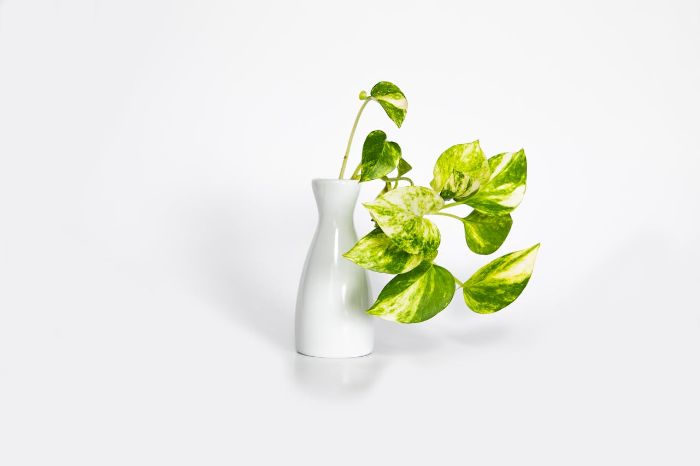
Ever wondered why your Pothos plant isn’t doing well? It’s key to know how much light Pothos plants need to grow well. The right amount of light makes your plants healthy and bright. Learn how to light your Pothos plants right for the best care.
Key Takeaways
- Light is a vital component for successful pothos growth.
- Understanding pothos light requirements can enhance plant vitality.
- Optimal lighting for pothos includes both natural and artificial options.
- Indoor gardening with pothos benefits significantly from proper light exposure.
- Monitoring your plant’s response to light can help prevent issues.
Table of Contents
Introduction to Pothos Light Needs
Knowing what light your Pothos plant needs is key to keeping it healthy. The right amount of light helps it grow strong and look great. Because understanding sunlight needs for different plants is crucial, Pothos thrives in a range of indirect light conditions that mimic its tropical origins. To keep your Pothos happy, make sure your home has the right kind of light.
Importance of Light for Pothos Growth
Light is crucial for photosynthesis, which gives Pothos the energy it needs to grow. As one of the top indoor plants for improving air quality, Pothos still needs adequate indirect light to avoid leggy stems and stunted growth. Too much direct sunlight can burn the leaves and harm the plant. It’s important to find the right balance of light to keep your Pothos healthy.
Types of Lighting for Pothos
Pothos plants need the right kind of light to grow well. It’s key to know the difference between natural and artificial light for them. Each type of light has its own role in keeping the plant healthy.
Natural Light vs. Artificial Light
Natural light is often the best choice for plants. Putting Pothos near a window gives them the bright, indirect light they like. But, direct sunlight can burn their leaves. On the other hand, too little light can stop them from growing.
Artificial light can help when natural sunlight is lacking. This is useful in winter or dark rooms. Essential care for spider plants parallels Pothos needs, as both houseplants depend on a balance of natural and artificial light for healthy photosynthesis.
Best Types of Artificial Lighting
Grow lights are great when there’s not enough natural light. Here are some top picks:
- LED grow lights – These are energy-efficient and give Pothos the full spectrum of light they need.
- Fluorescent bulbs – These bulbs are bright but don’t get too hot, perfect for indoor use.
Choosing the right lighting for Pothos can make a big difference in their health and look.
Ideal Lighting Conditions
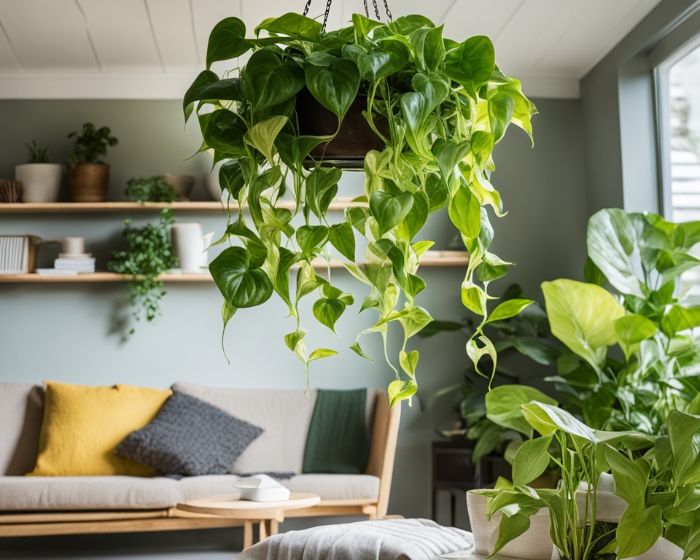
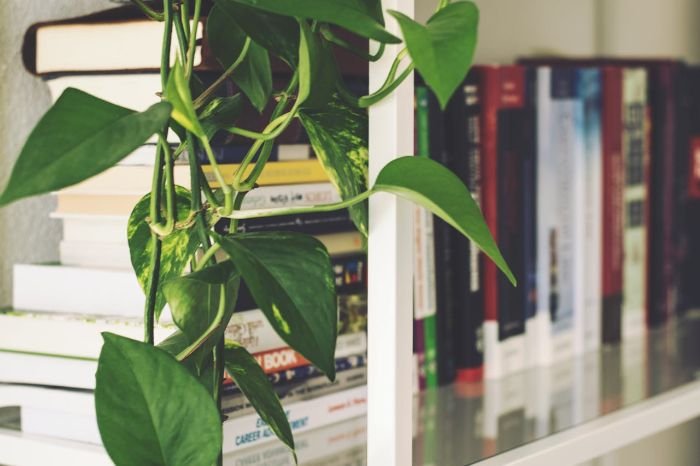
It’s key to know the best lighting for Pothos plants. They do well in bright, indirect light, like their natural home. Place them near windows with filtered light or use sheer curtains to soften the sun’s rays.
This setup helps them grow healthy and keeps their leaves looking lush and vibrant.
Understanding Bright, Indirect Light
Bright, indirect sunlight is perfect for Pothos. It gives them enough light but protects them from harsh direct rays. This kind of lighting keeps the plants strong and healthy.
Good lighting is key for photosynthesis. It makes leaves full and growth strong. By mimicking nature, Pothos can look beautiful without getting stressed by too much light.
Effects of Low Light on Pothos
Low light can really slow down Pothos growth. They can survive in dimmer conditions, but they won’t grow as well. Signs of low light include long stems, small leaves, and less color.
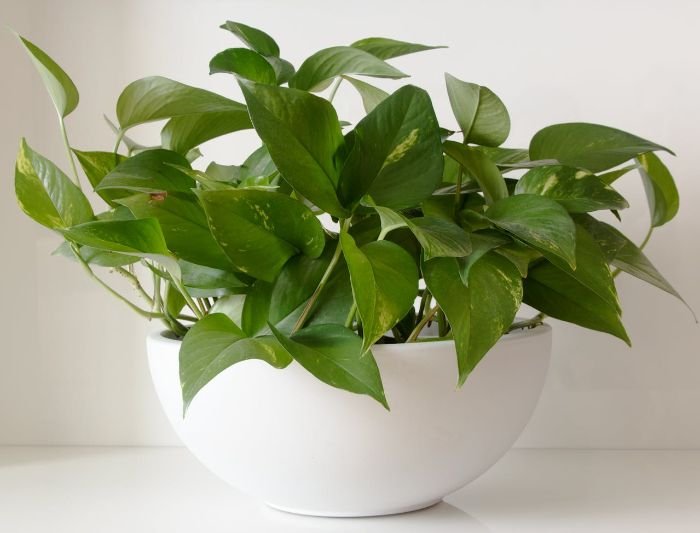
Too little light can also make them more likely to get diseases like root rot. This happens because the soil stays moist for too long. So, it’s important to keep Pothos in the right lighting for them to stay healthy.
Positioning Pothos for Optimal Light
Putting Pothos plants in the right spot is key for their health and growth. The right spot can really help the plant do well. It’s best to place them 6 feet from a window that gets bright, indirect light.
This way, they get enough light to grow well. Using sheer curtains can soften the sunlight. This creates a good balance of light for the plant.
Choosing the Right Location
When picking a spot for your pothos, look for places with good light but not too much sun. Here are some tips for placing your plants indoors:
- Find windows that let in filtered light all day.
- Stay away from north-facing windows since they don’t get as much light.
- Watch how much light changes during the day to pick the best spot.
Adjusting Positions Seasonally
It’s important to move your Pothos with the seasons to keep it healthy. The sun’s strength changes with the seasons, so your plant needs to move too. Similar to basic care for philodendrons, moving Pothos to a shadier location during intense summer sunlight prevents leaf scorch.
In winter, move it closer to windows to catch more light. Knowing when to move your plant helps it grow better all year.
Signs of Inadequate Lighting
Knowing what Pothos plants need for light is key to their health. Spotting signs of not enough light is important. This helps keep these plants thriving.
Identifying Light-Related Issues
Look for these signs if your Pothos doesn’t get enough light:
- Leggy growth, with long stems and leaves far apart.
- Small leaves mean the plant is not getting enough energy.
- Less leaf color, making the plant look dull.
- Slow growth means it’s not making enough food from sunlight.
- Pale stems come from not enough light, which affects chlorophyll production.
Symptoms of Too Much or Too Little Light
It’s vital to know how too much or too little light affects plants. Too much sun shows up as:
- Yellow leaves mean stress and losing nutrients.
- Browning edges on leaves show it’s getting too hot.
- Variegation fades, making the plant look less pretty.
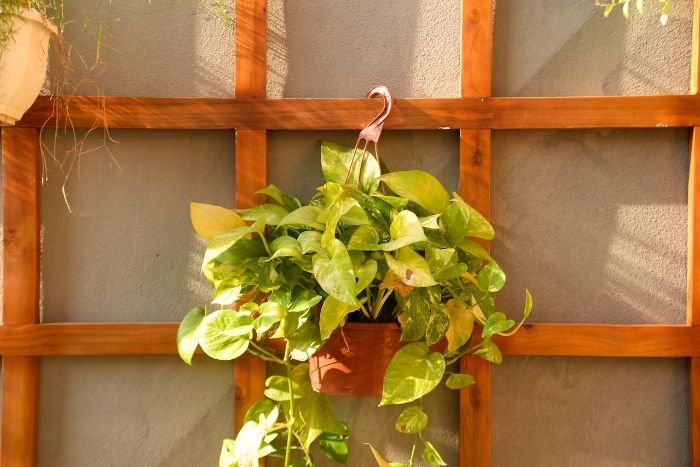
Seeing these signs helps gardeners fix the lighting for healthier plants.
Enhancing Light for Better Growth
Proper light is key for Pothos plants to thrive. Using mirrors and rotating plants can greatly help their health. These methods make sure plants get enough light evenly.
Using Reflective Surfaces
Reflective surfaces like mirrors are great for plants. A mirror near your Pothos can send more light to it. This way, the plant gets enough light without the harsh direct sun.
Rotating Plants for Even Light Exposure
Just like choosing the right Dracaena variety involves proper placement, regularly rotating your Pothos helps it receive even light exposure for balanced growth. By changing your Pothos’s spot, all parts get enough light. This keeps the plant healthy and looks better.
Conclusion
Understanding Pothos light needs is key to keeping these houseplants healthy and growing well. By placing your Pothos in bright, indirect light spots, you help them grow strong. It’s important to know when they need more light to keep them healthy.
Using tips like mirrors and turning plants for even light can make them look better. With the right care, your Pothos can be a bright spot in any room. Follow these tips to create a beautiful space with this lovely plant.
FAQ
What light conditions are best for my Pothos plant?
Pothos plants do well in bright, indirect light. Place them near windows with filtered sunlight for best growth and health.
Can Pothos grow in low-light conditions?
Yes, Pothos can live in low light. But, they grow slower and may get root rot.
How can I tell if my Pothos is not getting enough light?
Look for signs like long stems, small leaves, pale stems, and less leaf color. If you see these, move them to better light.
What types of artificial lighting work best for Pothos?
LED grow lights and fluorescent bulbs are great for Pothos. They give enough light for photosynthesis without too much heat.
Do I need to adjust my Pothos plant’s position with the changing seasons?
Yes, move your Pothos with the seasons. In summer, they might need shade. In winter, they can be closer to light.
Can I enhance light exposure for my Pothos plants?
Yes! Use mirrors and turn your Pothos often to spread light evenly.
What are the effects of too much direct sunlight on Pothos?
Too much sun can make leaves turn yellow or brown and reduce color patterns. Watch their light closely to prevent damage.
How do I create optimal lighting for indoor gardening with Pothos?
Make sure your Pothos gets bright, indirect light. Move them with the seasons and use LED grow lights if needed.