





Rosemary is loved for its woody stems and needle-like leaves, adding great flavor to food. Knowing the right soil conditions for your rosemary plants is key. It helps them grow well and stay healthy.
Ever noticed some rosemary plants do better than others? What soil makes rosemary plants grow the best? We’ll cover important points on how to give rosemary the best soil for strong, tasty growth.
Key Takeaways:
- Understanding the optimal soil conditions is crucial for the healthy growth of rosemary plants.
- Providing the right soil environment ensures vibrant flavor and robust growth in rosemary.
- We will explore the factors and techniques to create the ideal soil conditions for growing rosemary.
- Learn how to overcome common challenges and master soil conditions for your rosemary herbs.
- Follow best practices for soil maintenance to ensure the long-term health and productivity of your rosemary plants.
Table of Contents
About Cultivating Rosemary
Welcome to the wonderful world of rosemary! This herb makes food taste better and looks pretty in your garden. We will learn how to grow rosemary right, starting with its soil needs.
Importance of Soil Conditions in Growing Healthy Rosemary
Good soil is key for healthy rosemary. The kind of soil helps the plant stay strong and taste good. Rosemary likes soil that lets water pass but still holds some moisture.
The right soil makes sure your rosemary gets what it needs. This helps it fight off bad bugs and sickness. So, you can enjoy lots of fresh, tasty rosemary leaves.
Brief Overview of Rosemary’s Botanical Requirements
Let’s look at what rosemary needs to grow well. This Mediterranean herb, Rosmarinus officinalis, loves sunny, warm spots. It does best where winters are gentle and summers are hot.
Rosemary needs sun for 6-8 hours a day to be happy and healthy. It likes temperatures between 60 and 80 degrees. This makes it perfect for growing in many places outdoors.
Rosemary doesn’t like too much water. It does best when the soil is a bit dry. Too much water can harm it, so be careful not to water too often.
By knowing these needs, you can create a great home for your rosemary plants. This will keep them strong and growing well.
Characteristics of Ideal Soil for Rosemary
The perfect soil for rosemary is very important. You need to know what soil is best and how important good drainage is. This knowledge will make sure your rosemary grows well.
Understanding Soil Texture and Structure Needs
Rosemary likes soil that feels sandy or has a loamy texture. These types let water drain well but keep some moisture for the plant. Sandy soil lets water move through quickly to avoid too much around the roots. Loamy soil has sand, silt, and clay. It drains well and keeps some moisture, too.
For soil structure, rosemary does better in airy, not too tight soil. Loose soil lets roots grow better and lets air and water reach them. Tight soil keeps roots from growing and stops water from moving.
Benefits of Well-Draining Soil for Rosemary
Well-draining soil keeps your rosemary healthy. It stops water from staying around the roots and avoids root rot and fungi. It also helps get oxygen to the roots for good growth and nutrient uptake.
Good drainage makes your garden more like the dry, rocky places where rosemary comes from. This kind of soil also stops salt from hurting your plants.
Knowing what soil is best for rosemary helps them grow better. Let’s learn about soil pH and how it affects rosemary next.
Analyzing and Adjusting Soil pH for Rosemary
Keeping the soil at the right pH is key for big and healthy rosemary. The pH shows if the soil is more sour or sweet. This matters a lot because it controls the nutrients the plant can get. For rosemary, a pH from 6.0 to 7.0 is best.
Rosemary likes soil that is a bit sour to basically neutral. If the pH goes too high or low, the plant might not get all the nutrients it needs. This can make it look weak or not grow well. So, check and fix the pH to make your rosemary happy.
Ideal pH Levels for Rosemary Growth
Rosemary does great when the soil’s pH is between 6.0 and 7.0. In this range, it can grab food easily, and this means strong leaves, good growth, and tasty herbs. If the pH is not right, the plant may struggle with food and show signs of stress.
Methods for Testing and Adjusting Soil pH
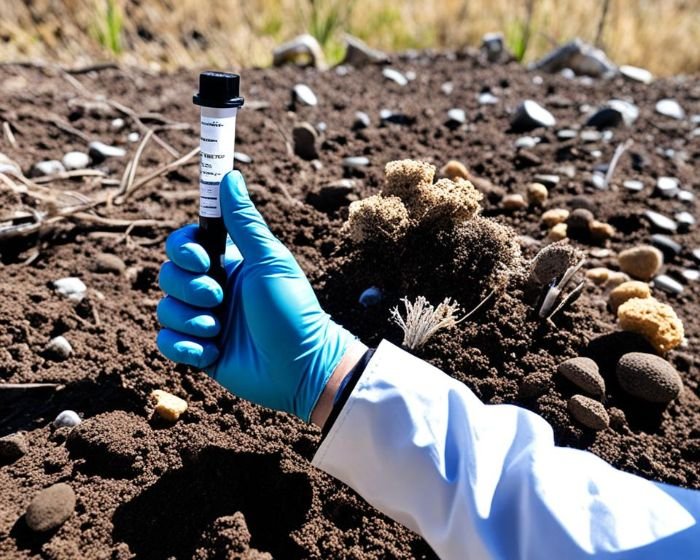
Start with a soil pH test to see what your rosemary’s earth is like. You can test with kits or special meters. These will tell you the exact pH.
When the pH is too low, you can fix it by adding lime. Lime makes the soil less sour. If the pH is too high, you can use things like compost or peat moss to make it friendlier. This is just right for the rosemary.
Changing the soil pH takes time and small steps are best. Add a little, test, and then add more if needed. Keep checking often to make sure your rosemary’s home is as perfect as it can be.
Preparing Soil for Rosemary Planting
Before you plant rosemary, preparing the soil is very important. This makes sure the herbs grow well. We will tell you how to make the soil better for your plants. This includes improving how the soil drains and adding nutrients.
Steps to Enhance Drainage in Dense Soil
Hard soil makes it difficult for water to drain. This can harm your rosemary. To fix this problem, do the following:
- Loosen the soil – Break up compact soil by using a garden fork or tiller. This makes it easier for water to move through the soil.
- Amend with organic matter – Add compost or aged manure. This changes the soil’s structure, helping it drain better.
- Create raised beds – Raised beds are good if your soil doesn’t drain well. They keep your plants from sitting in too much water.
- Install drainage systems – For very bad soil, you can put in drains to carry away extra water.
Organic Amendments for Nutrient Balancing
Organic matter gives the soil important nutrients. This helps your rosemary plants grow strong. Here are some good choices:
- Compost – It’s great for adding nutrients back into the soil.
- Manure – Cow or horse manure adds fertility to the soil.
- Bone meal – This helps rosemary plants grow strong roots.
- Seaweed or kelp extract – They offer trace minerals that boost your plant’s health.
When you add these nutrients, mix them well into the soil. This makes sure plants get food evenly.
By fixing the soil’s drainage and adding nutrients, you create the perfect home for rosemary. This means they will grow healthy and strong.
Best Practices for Soil Maintenance
Keeping your rosemary plants healthy for a long time requires the right soil care. By regularly looking after the soil, your plants can stay strong and give you lots of tasty herbs. We will share important tips to keep your rosemary’s soil quality high.
Routine Soil Care Tips for Established Rosemary Plants
To take care of your rosemary, checking the soil often is a must. We have some tips to help ensure your plants get the food and care they need:
- Watering Practices – Deeply water your rosemary but not too often. This way, roots grow deep and there’s less chance of root rot. Always water at the base to not damage the leaves.
- Weed Control – Pull out weeds often to stop them from taking water and food your rosemary needs. Be gentle so you don’t harm the rosemary.
- Monitoring Soil pH – Check the soil’s pH sometimes to see if it’s still good for rosemary. If it’s not right, you can change it with things like lime or sulfur.
- Fertilizing – Give your plants organic fertilizer made for herbs once or twice a season. Be sure to follow the directions on the fertilizer package.
- Pruning – Trim your rosemary regularly to keep its shape and make it bushier. This also keeps the plants healthy by preventing certain problems.
Mulching Techniques to Retain Moisture and Control Temperature
Mulching is great for holding moisture, keeping the soil’s temperature even, and stopping weeds. Below are top mulching methods for your rosemary plants:
- Organic Mulch – Put straw, wood chips, or compost around your rosemary’s base. This saves water, stops weeds, and keeps the soil the right temperature.
- Rock Mulch – Rocks, like pebbles or gravel, look nice and need little care. They also help keep the soil from drying out too fast.
- Mulch Depth – A 2-3 inch mulch layer is good, but avoid covering the rosemary stems. This lets air in and prevents root problems.
- Mulching Frequency – Sometimes, the mulch needs to be topped up to keep it thick and effective. Change the mulch layer once a year to keep it working well.
By using these soil care and mulching methods, your rosemary plants will keep growing well. You’ll enjoy strong flavors and plenty of this fragrant herb.
Addressing Common Soil Problems When Growing Rosemary
You might find some common soil problems when growing rosemary. Fixing these issues fast is key for your herbs to thrive. Overly wet or compacted soil and alkaline conditions are two big issues. We will show you how to deal with them so your rosemary can be healthy.
Identifying and Rectifying Overly Wet or Compacted Soil
Overly wet or compacted soil is bad for rosemary. Too much water can cause root rot. Compacted soil stops roots from growing properly. We need to spot these problems early and fix them.
Check the soil’s drainage by watching water flow after it rains or you water. If water sits too long, it’s a sign your soil needs better drainage. Adding compost or manure can help with this. They make the soil less dense and let water through better.
If the soil is hard, you can fix it with aeration. Use a garden fork or a special tool to poke holes in the soil. This helps air and water get to the roots, making the soil less compact.
Solutions for Alkaline Soil Conditions
Rosemary doesn’t like soil that’s too alkaline. It prefers a pH of 6 to 7. High pH can make it hard for plants to get nutrients. This can lead to issues in the rosemary.
You can make the soil better by mixing in peat moss or compost. These will lower the pH, making the soil just right for rosemary. It’s good to check the pH often and adjust as needed for the best growth.
By fixing these soil problems, your rosemary can grow strong and healthy. Next, we’ll talk about how using compost and fertilizers can make the soil even better for your herbs.
The Role of Compost and Fertilizers
Compost and fertilizers help rosemary grow strong. They give the plants needed nutrients. Using them improves the plant’s growth and smell. We’ll look at how to use compost for rosemary. We’ll also talk about the best fertilizers and how to use them.
When and How to Use Compost in Rosemary Cultivation
Compost adds organic matter to the soil. This makes the soil better for growing rosemary. It helps the soil hold water and supports plant health.
To start, mix compost into the soil. Make sure it’s spread even. This step helps the plants get steady nutrients.
Keep adding compost by the plants every few weeks. This feeds the plants slowly over time. Make sure the compost gets water. This helps the plants use the food in the compost better.
Selecting Appropriate Fertilizers and Their Application Rates
Fertilizers are great with compost for healthy plants. Pick fertilizers that match what rosemary needs. They should have nitrogen, phosphorus, and potassium.
Choose a mix like 10-10-10 or 14-14-14. These help plants grow and make flowers.
It’s important to use the right amount of fertilizer. Too much can hurt your plants. Start with little and add more if needed.
Spread the fertilizer without touching the plant. Water the plant after to help it take in the nutrients.
With the right approach to compost and fertilizer, your rosemary will thrive. It will grow well and give you lots to enjoy.
Advanced Soil Preparation Techniques
If you want to step up your soil prep, try some advanced methods. They can help make the best environment for your rosemary to grow. We’ll look at using permaculture for long-term, healthy rosemary and the benefits of raised beds and containers.
Incorporating Permaculture Principles for Sustainable Rosemary Cultivation
Permaculture looks at gardening in a big picture. It works with nature to build a place that feeds itself and keeps going. Applying this to your rosemary helps the soil stay healthy and productive over time.
One big idea in permaculture is to add things like compost and mulch to the soil. This makes the soil hold water, stay airy, and gives plants what they need to grow well.
Utilizing Raised Beds and Containers for Controlled Soil Conditions
Raised beds and containers give you more control over your soil. They’re perfect for growing rosemary. Raised beds keep the soil well-drained so your plants don’t drown. You can also pick exactly what nutrients your plants get.
Containers work great, too, for small spaces or indoor growth. They let you control everything from the soil’s pH to how much water it keeps. Plus, you can move your plants around to catch the best sunlight.
Another big plus of using raised beds and containers? They help keep weeds away. Their setup blocks weeds from getting to your plants.
Using permaculture and these special plant boxes can really boost your rosemary. They make sure your herbs grow healthily and taste great. It’s an advanced way to take care of your plants for the long run.
Conclusion – Mastering Soil Conditions for Rosemary
Understanding the soil is key for strong, flavorful rosemary. We’ve looked at soil texture, pH, and drainage. Also, we saw how caring for the soil helps your herbs grow well.
Use what you’ve learned here to make great soil for rosemary. Good soil drains well and has the right pH and nutrients. Remember to water and use mulch to keep the soil healthy.
Soil is very important for rosemary’s taste and growth. By working on your soil, your rosemary will do great. Enjoy cooking with your fresh, healthy herbs. Start making your soil better today!
FAQ
What are the optimal soil conditions for growing rosemary?
The perfect soil for rosemary needs to drain well and have the right pH. It should also be the right kind of soil for the plant. These things help rosemary grow strong and healthy.
Why are soil conditions important in growing healthy rosemary?
Rosemary plants need good soil to grow well. The best soil gives them the right nutrients, drains well, and has the perfect pH. This makes the rosemary taste great.
What are the botanical requirements of rosemary?
Rosemary loves sunlight, needs the right temperature, and not too much water. It grows best in soil that drains well, is just moist enough, and has the perfect pH level. Knowing this will help your rosemary grow healthy.
What should I know about the ideal soil for rosemary?
The best soil for rosemary lets water through and is just right. It must keep enough moisture without getting too wet. Creating this ideal soil helps rosemary plants thrive.
How can I analyze and adjust the soil pH for rosemary?
To check the soil pH for rosemary, use a test kit or a lab. After finding out the pH, adjust it with lime or sulfur. The correct pH is very important for your rosemary’s growth.
What steps should I take to prepare the soil for planting rosemary?
Preparing for rosemary means making sure the soil drains well by adding compost or perlite. You also need to balance the soil’s nutrients. This helps create the perfect soil for your rosemary to grow in.
What role do compost and fertilizers play in rosemary cultivation?
Compost gives rosemary important nutrients, keeps the soil well-structured, and holds water. You can use it when planting or as a cover on the soil. Choosing the right fertilizers also boosts your rosemary’s nutrients.


