




Do you like the idea of growing lavender at home? Want to know the types and how to use them? You’re in the right place! This article will introduce you to lavender’s world, from different kinds to how you can enjoy it.
Lavender is more than a scented herb. It’s a plant that fits in many parts of life. Its pretty flowers, calming scent, and many uses have made it popular worldwide.
Interested in what kinds of lavender suit you best? Wonder how to make a great lavender garden? Or perhaps you want to use lavender in cooking or for health benefits. We have info on all these topics!
This article will show you lavender types and their features. We’ll talk about using lavender in landscaping, crafts, and cooking. And share tips on how to deal with common lavender-growing problems.
Ready for a deep dive into growing lavender? Let’s get started!
Key Takeaways:
- Lavender is a versatile plant with a variety of species and cultivars.
- There are numerous uses for lavender, including landscaping, crafting, and culinary applications.
- Understanding the optimal conditions for growing lavender is essential for success.
- Lavender offers unique benefits, ranging from its beautiful blooms to its relaxing aroma.
- Growing lavender can present challenges, but with the right knowledge, they can be overcome.
Table of Contents
About Lavender
Lavender is loved for its beauty, scent, and health benefits. This herb, a member of the Lavandula genus, has a deep history. It is known all over the world for its many uses. Different types of lavender bring unique qualities. In this part, we talk about lavender’s history and types.
The Popularity and Historical Significance of Lavender
Lavender has been popular since ancient times. It helps soothe, smells nice, and has health benefits. It has been important for many cultures and uses. Lavender’s story goes from ancient Egypt to Greece and Rome.
“Lavender is one of the most beautiful and gambolling flowers on the earth. It is also the most efficacious and beneficial of all for the use and delight of mankind.”
– William Turner
In the Middle Ages, people prized lavender for its medicinal uses. It helped with headaches, upset stomachs, and sleep. It was also thought to protect against the plague. Lavender was linked with cleanliness and purity. It was used for bathing and as a disinfectant.
Overview of Lavender Types and Their Characteristics
Lavender comes in many types, like Lavandula angustifolia, Lavandula stoechas, and more. English lavender, known as Lavandula angustifolia, is very popular. It smells sweet, helps you relax, and can be used in many ways.
Different lavenders bloom and smell in unique ways. Some bloom early, some late. They can grow short and dense or tall and thin. The smell varies from sweet to strong and herbal. Knowing about the types helps people pick the best one for them.
Having learned about lavender’s history and types, let’s now go to section 3. There, we’ll learn more about specific lavender varieties.
Exploring Varieties of Lavender
There are many types of lavender to pick from, each with its own special traits. For both experienced gardeners and newcomers, learning about these kinds can be fun. Let’s look at English and French lavender, two well-liked types.
English Lavender (Lavandula angustifolia) – The Classic Choice
English lavender, or Lavandula angustifolia, is a favorite among lavender lovers. Its beautiful blooms smell amazing. The plant has thin leaves and grows tight, which is great for borders or pots.
People love English lavender for cooking too. Its mild flower taste can enhance many foods. Add some to cookies or, dried buds to ice cream, for a tasty twist.
French Lavender (Lavandula stoechas) – Ideal for Mild Climates
French lavender, known as Lavandula stoechas, has bold, bright flowers. It comes from the Mediterranean and prefers warm weather. This variety can withstand high heat and little water.
Its blooms look like they have bunny ears, bringing fun to gardens. French lavender isn’t for cooking, but its smell and color attract pollinators. This makes it great for nature-friendly spaces.
Both English and French lavender are special. They smell great, look beautiful, and are useful. Think about what you prefer. Try growing some lavender and see the fun and beauty it brings.
Other Notable Lavender Varieties
Besides English and French lavender, you should check out Spanish and Portuguese lavender too. Spanish lavender (Lavandula stoechas) and Portuguese lavender (Lavandula latifolia) are quite special.
Spanish Lavender (Lavandula stoechas)
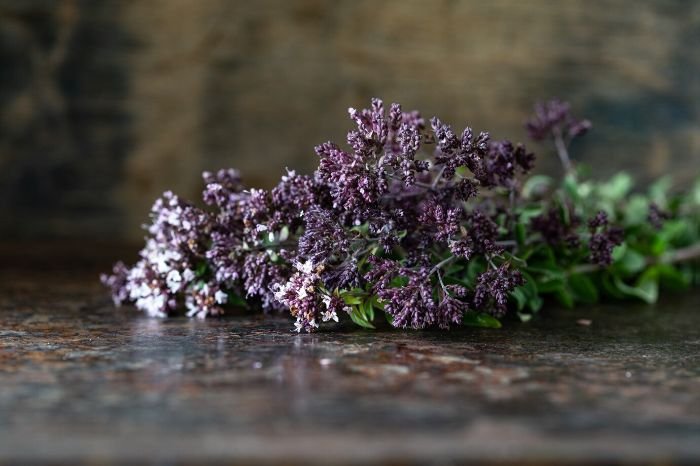
Spanish lavender, or Lavandula stoechas, stands out thanks to its pineapple-like flowers. It brings a bright touch to gardens with its purple flowers and tiny bloom-like bracts. It blooms in late spring and early summer, catching eyes with its unique look. It gives off a lovely smell, making it great for beauty and fragrance.
Portuguese Lavender (Lavandula latifolia)
Lavandula latifolia, or Portuguese lavender, is loved for its abundant oils. It’s a top pick for creating essential oils. It looks different with wide leaves and smells stronger, like camphor. This type does well in warm areas and is strong and versatile. It’s used for health benefits too, often in scent mixtures for relaxation.
Both Spanish and Portuguese lavenders have something special. You might prefer Spanish lavender’s look or Portuguese lavender’s uses. Either way, they’re great for your lavender garden.
Optimal Conditions for Growing Lavender
Lavender is an amazing plant that can grow in many places. But to grow the best, it needs certain conditions. Knowing about the best soil, sunlight, and how to water and feed your lavender is key.
Soil Types and Sun Exposure
Lavender likes soil that drains well and is a bit alkaline. This means the pH should be between 6.7 and 7.3. So, sandy or loamy soil that’s well-drained works great. Make sure the soil is light and not too compact to avoid water sitting around the roots. Adding rich organic matter like compost helps the soil’s structure and gives nutrients.
Lavender loves the sun. It needs full sun, which is 6 to 8 hours of direct sunlight daily. If it doesn’t get enough light, it will grow weak and have fewer flowers. So, pick a spot that gets plenty of sun and not too much shade.
To illustrate the importance of sunlight for lavender, refer to the image below:
Watering and Fertilization Needs
Lavender needs water when it’s young but is okay with less when older. During its first year, water it regularly to help the roots grow strong. After that, it’s best to let the soil almost completely dry out before watering again. Too much water can cause the roots to rot.
For food, lavender doesn’t need a lot. Too much food can make it grow strangely and less fragrant. Give it a bit of organic fertilizer in spring. But avoid fertilizers high in nitrogen since they make lavender grow too many leaves and not enough flowers.
By making sure lavender has the right soil, plenty of sun, and correct watering and feeding, you will help it thrive. This means more beautiful flowers and a stronger smell from your lavender plant.
Lavender in Crafts and Decoration
Lavender is more than just a pretty plant. It’s used in crafts and decor. Dried lavender can be used in many ways, like making sachets or potpourri. It brings natural beauty into your home.
Using Dried Lavender for Home Décor
Dried lavender is great for easy décor. You can make sachets with it. These sachets add a nice scent to clothes in drawers or closets.
“Dried lavender works well in potpourri too. Mix it with rose petals or dried citrus. You’ll get a lovely mix of scents.”
Also, try using dried lavender for centerpieces. Put them in a vase. Or mix them with dried flowers for a charming decoration.
Crafting Lavender Wreaths and Arrangements
Another crafty use is making lavender wreaths and arrangements. Lavender wreaths are perfect for doors or walls. They add an elegant touch.
- Gather fresh or dried lavender stems.
- Use floral wire or a rubber band to tie them together.
- Shape them in a circle for a wreath.
- Use more wire to secure any loose stems.
- Hook the wreath with pretty ribbon or a hook.
Lavender arrangements are lovely too. Mix lavender with roses or baby’s breath. You can even add eucalyptus. The result is a beautiful display.
Adding lavender to your home is a great idea. It makes your space more beautiful and fragrant. Try it in your decorations and crafts.
Lavender for Relaxation and Health
Lavender is famous for its lovely smell and its cool effects on you. It’s often used in aromatherapy and to make oils. Lavender is great at helping you relax and ease stress. That’s why it’s a top pick for those looking for peace.
Lavender is very useful in making oils that can go in massages or baths. It’s known to boost relaxation and make you feel less anxious. Its sweet smell helps you sleep better and feel calm.
People love using lavender in things like soap and lotion because it fights germs. This is because it’s natural and keeps your skin healthy and nice. Adding lavender can really elevate your beauty routines and help you chill out.
Lavender is not just a pretty smell; it can truly help you unwind. With its many uses, from oils to bath products, it brings peace. Try lavender and see how it can help you feel better and relax.
Harvesting and Storing Lavender
It’s key to know when and how to harvest lavender. This keeps its scent and properties strong. By picking lavender at the right time, you capture its best fragrance. Also, drying and storing it the right way keeps it fresh.
Best Practices for Harvesting Lavender Flowers
Harvest lavender when it’s in full bloom for the best scent and oil. Cut the stems with sharp scissors, but don’t cut into the woody part. Keep some leaves attached to the stem to help the plant keep growing.
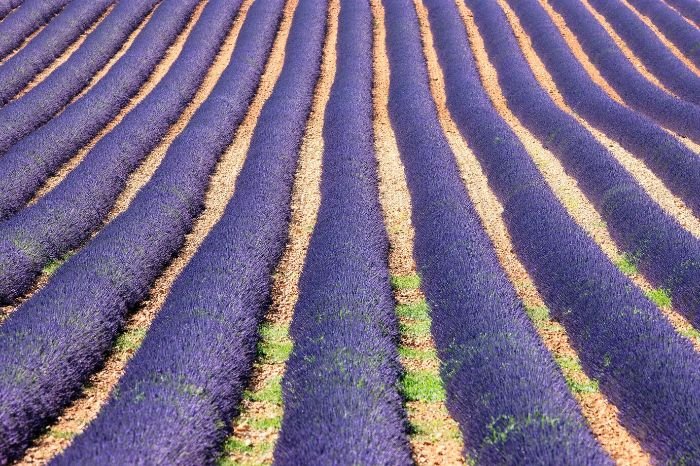
Pick lavender on a dry, sunny morning for the strongest scent. Bundle the stems together with a rubber band or twine. Make sure air can move around the bundles well.
Be careful of bees since they love lavender. Wear protection and don’t pick all the flowers. This way, the plant will keep growing more.
Techniques for Drying and Storing Lavender
Dry lavender to stop mold and keep the scent. Hang them upside down in a dry place out of direct sun. This helps the scent get stronger.
Avoid damp places for drying lavender to not get mold. Check often for any moldy flowers and remove them. It might take a few weeks for the lavender to dry fully.
After drying, take the buds off the stems gently. Store them in a glass jar or airtight bag to keep the scent. Keep it in a cool, dark spot.
Knowing how to harvest and store lavender well lets you enjoy it all year. It’s good for cooking, crafting, and making things smell nice.
Common Challenges in Growing Lavender
Managing Pests and Diseases
Lavender plants can face pests and diseases just like any other. Knowing about these problems helps you deal with them better.
Pests – Lavender can be harmed by creatures like aphids and spider mites. These bugs eat lavender leaves, making the plant grow less. Even slugs and snails may eat lavender leaves and flowers.
Diseases – Lavender can catch diseases too, like root rot and powdery mildew. Root rot comes from too much water or bad drainage, which hurts the roots. Powdery mildew looks like a white powder on leaves. It blocks sunlight, which the plant needs.
Good care helps prevent pests and diseases in lavender. Here’s what you should do:
- Look at your plants often. Notice if there are pests or diseases. Early signs help stop the problem from spreading.
- Take away any parts that look diseased. This keeps the problem from getting worse.
- Use nature to fight pests. For example, let ladybugs and lacewings eat insects that hurt your plants.
- Don’t water too much. Let the soil dry between waterings. This avoids root rot.
- Keep the air moving around your plants. Trim them regularly to make air flow better. This helps against diseases like powdery mildew.
- If powdery mildew is a big issue, use organic sprays like neem oil. They help control the disease.
Following these steps can help your lavender stay healthy and grow well.
Overcoming Common Growing Problems
Growing lavender can be challenging. Yet, knowing how to tackle these issues can lead to healthy plants.
Poor soil conditions – Lavender likes soil that drains well and has an alkaline pH. If your soil doesn’t fit, add compost or manure to help. This gives the plant what it needs to thrive.
Inadequate sunlight – Lavender thrives in full sun. If it doesn’t get 6-8 hours of direct sun daily, it might not do well. Pick a sunny spot or add lights to keep your plants healthy.
Overcrowding – Lavender needs room to grow. If they’re too close, it causes issues. Check how much space each plant needs and plant accordingly.
Improper pruning – Pruning keeps lavender healthy. But, it must be done right. Cut in early spring or after flowering. Cut about a third of the height, without cutting old wood.
Incorrect harvesting – Harvest lavender at the right time. Pick just before the flowers open fully. Dry it right for storage or use. Focus on the soft parts, not the woody stems.
By handling these problems correctly, you can grow healthy lavender.
Sustainability and Lavender
Lavender is a lovely plant that does a lot. It helps the earth and makes the air better. By growing lavender, you make your part in helping nature stay healthy.
Environmental Benefits of Growing Lavender
Lavender does good things for the world. It brings in important bugs like bees. They help lots of plants, including the food we eat. This adds to the variety of life in your garden and beyond.
“By attracting pollinators, lavender supports the overall biodiversity of your garden and nearby areas.”
Lavender not only makes good friends with bees. It also doesn’t let harmful bugs come close. This means you use less bad chemicals to keep your plants safe. So, it’s a friend of the Earth and your garden.
Promoting Biodiversity with Lavender Plants
Lavender helps more than bees. It’s also a stop for bugs that eat the bad bugs. Placing lavender in your garden makes it a happy spot for these helpful insects. It’s a natural way to keep your plants safe, without toxic sprays.
Lavender is good for the ground too. Its roots make the soil strong and stop it from washing away. This is very helpful if your area has a problem with too much water running off the land.
Lavender asks for a little but gives a lot. It doesn’t need much water or feeding. This is great news for gardeners who want to be smart with water and other resources.
So, growing lavender makes your garden look and smell great. But it does even more. It helps keep the earth healthy by doing lots of good things. Like making homes for bugs and saving water and not using many chemicals. Lavender is a hero in making gardens good for nature today and tomorrow.
Conclusion – Enjoying the Versatility of Lavender
Lavender is a plant that’s very adaptable. It has a lot of uses and brings many benefits. You can use it to make your garden more beautiful or to relax. It’s also great for making food tastier or for creating pretty crafts.
There are many types of lavender out there. It’s important to pick the right one for what you want. Making sure your lavender has the best growing conditions is key. This means choosing the right soil, sun, and water for them.
Taking care of lavender can be a bit tricky. You might have to deal with bugs or diseases. But, with the right knowledge, you can grow healthy lavender. This is good for the planet and for you, too.
Don’t wait to start using lavender in different ways. It has a lot to offer. Whether you love gardening, making things, or just enjoying nature, lavender is amazing. It can make your life better in so many ways.
FAQ
What are the different types of lavender?
There are many kinds of lavender. These include English, French, Spanish, and Portuguese lavender types.
What are the optimal conditions for growing lavender?
Lavender likes well-draining soil and lots of sunlight. It needs only a little water. Lavender grows best in alkaline soil with a pH of 6.5 to 7.5.
How can I incorporate lavender into crafts and decoration?
Use dried lavender for crafts like making sachets and potpourri. Lavender wreaths and arrangements are beautiful too.
How do I harvest and store lavender?
Harvest lavender flowers when they’re fully open. Then, dry the flowers by hanging them upside down. Once dry, take the flowers off the stems and keep them in a closed container.
What are the common challenges in growing lavender?
Growing lavender can have a few problems like pests and diseases. You may also see slow growth or leaves turning yellow.


