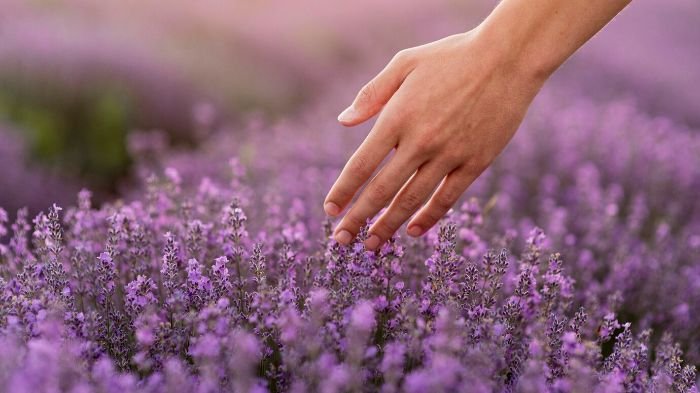
Updated April 15, 2026
Good lavender choices start with plant type, intended use, and drainage fit. English lavender, lavandin, French lavender, and other tender types can look similar at retail, and they do different jobs in the garden and after harvest.
Some types are hardy enough for borders and low hedges. Some are better kept in containers because winter wet shortens their life. Some suit baking and tea more cleanly, and some are grown for bundles, sachets, ornamental flower heads, and patio fragrance. Drainage and winter moisture decide whether any of those uses stay realistic after the first season.
Key Takeaways:
- English lavender is usually the best all-purpose choice for hardy planting, drying, and most culinary use
- Lavandin is larger and stronger scented, which makes it excellent for bundles, sachets, and cut stems
- French and other tender lavenders are usually chosen for ornamental flower heads, containers, and fragrance, with cooking lower on the list
- Lavender succeeds in full sun and sharply drained soil, and fails fastest in winter wet and heavy clay
- Harvest timing changes with the use: buds for drying, fresh open flowers for display, and culinary harvest only from unsprayed edible types
Table of Contents
Lavender Types Differ In Hardiness, Scent, And Best Use
Sort lavender first by hardiness and flower form. Hardy English types and lavandins usually handle border planting better. French and tender lavenders often perform better in containers or in very mild climates. English and lavandin spikes are cleaner and more upright, and French lavender often shows the distinct top bracts many gardeners call rabbit ears.
| Lavender type | How it usually behaves | Best use | Main caution |
|---|---|---|---|
| English lavender (Lavandula angustifolia) | Compact, hardy, strongly fragrant, good for beds and containers in free-draining soil | Culinary use, drying, edging, small hedges, all-purpose home growing | Declines quickly in wet soil or humid stagnant sites |
| Lavandin (Lavandula x intermedia) | Taller, more vigorous, long stems, heavier flower production | Sachets, wands, dried bundles, oil-rich fragrant harvest, larger border planting | Flavor is stronger and can read sharper in food if overused |
| French lavender (Lavandula stoechas) | Showier flower heads, often shorter lived, widely grown in pots | Containers, ornamental display, patio fragrance, decorative drying | Usually less hardy and less suited to routine culinary use |
| Tender and specialty lavenders | Often softer foliage, different scents, more cold sensitive | Mild-climate containers, collectors, fragrance gardens, specialty planting | Cold and wet winter conditions shorten life fast |
English lavender and its hybrids are among the most commonly grown groups, followed by French and other tender lavenders. English lavender and lavandin are usually tougher choices for borders and containers in free-draining soil, while French and tender types are less hardy and are often better in pots with winter protection.
English Lavender And Lavandin Cover Most Home Garden Needs
Most home gardeners are deciding between English lavender and lavandin. English lavender is the safer all-purpose plant when you want a hardy border herb that can also move into culinary use and drying. It usually stays neater, its flavor reads cleaner, and it handles mixed uses better than the stronger, taller lavandin group.
Common English selections such as Munstead and Hidcote stay useful in smaller borders and edging. Popular lavandins such as Grosso and Provence are usually chosen for taller stems and heavier drying yield.
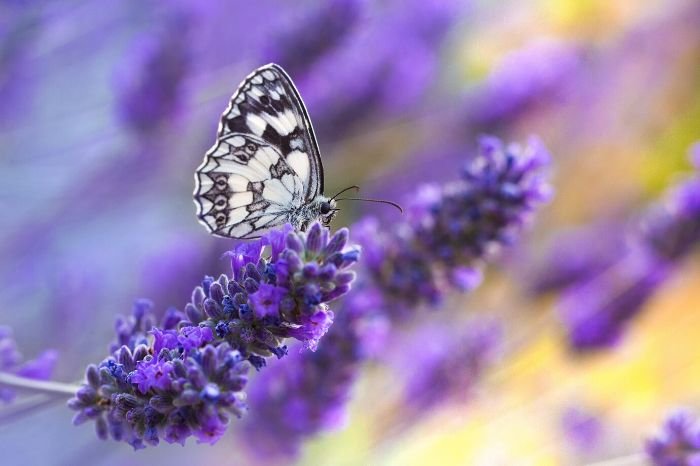
Lavandin is useful when stems, scent, and drying yield matter most. The plants are usually larger, the stems longer, and the flower spikes more abundant. That makes lavandin a strong choice for bundles, sachets, wand-making, drawer bags, and larger fragrant plantings where volume matters more than delicate culinary flavor. Its flavor is also rougher in baking, which is why most kitchen-focused gardeners still start with English lavender.
English lavender is the type most commonly used in cooking. Use only culinary lavender for food, avoid florist or nursery flowers that may have been sprayed, and remember that the flavor is strong enough that a little goes a long way.
Pro Tip: If you want one lavender that can cover drying, hedging, and occasional culinary use, start with English lavender. If you mainly want long fragrant stems for drying and decorative bundles, look first at lavandin.
Container herbs follow the same fit rule: choose for use, drainage, and placement. Choosing the right garden planters and soil drainage solutions for wet ground matter because lavender exposes poor container fit and poor drainage quickly.
French And Tender Lavenders Are Better Chosen For Display And Fragrance
French lavender and other tender types usually win on flower form and patio presence. Their showier heads, softer tones, and often more camphor-like scent make them excellent for containers, warm walls, gravel gardens, and ornamental drying. They are the plants many gardeners fall in love with at retail because they look dramatic in bloom.
They are also the plants most likely to disappoint when the site is cold, damp, or waterlogged in winter. They are less hardy than English types and are usually more short lived. In cool-winter climates, pots are often the more realistic home for them because containers can be moved under cover or kept out of winter saturation.
Lavender as a whole needs very well-drained soil and may struggle where summers are hot and humid, especially if air movement and drainage are poor. That matters even more with tender types, because the margin for error is smaller and root rot shows up fast once the plant sits wet.
Lavender losses are often blamed on cold when the real failure started with wet roots much earlier. Plants usually dull, thin, and split open from the center before gardeners call them winter-killed.
If the goal is a decorative herb border, lavender pairs well with other dry-footed herbs. Best soil for thyme and its drainage needs and using thyme in landscaping and edging follow the same practical requirements: sun, drainage, and low aromatic structure.
Match Lavender To The Use You Actually Want
Choose lavender by use first. The same plant can be fragrant, edible, decorative, or relaxing to handle and dry, and no single type is best at every job. That prevents the common mistake of buying the most ornamental plant for a culinary or long-term hedge role.
- For culinary use: choose English lavender first, and use only unsprayed culinary-grade flowers and leaves in small amounts.
- For sachets, bundles, and drawer bags: choose English lavender or lavandin, with lavandin often giving longer stems and heavier fragrance.
- For wreaths and dried crafts: choose types with clean stems and abundant flower spikes, usually English lavender or lavandin.
- For relaxation-oriented fragrance around a bench, bedroom window, or patio pot: choose the scent you enjoy most and the type your climate can actually keep alive.
- For ornamental containers: choose French or other tender lavender when winter protection is realistic.
Lavender is widely grown for the fragrance of its dried flowers and distilled oil, with common home uses in sachets, perfumes, baking, teas, flavoring, decoration, and fragrance products. Those uses work best when the plant type matches the job and the harvest is handled correctly.
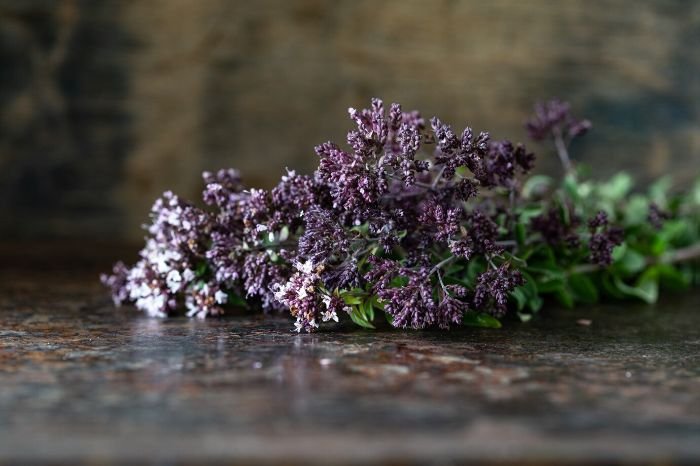
Lavender is best treated as a fragrance plant for routines such as sachets, dried bedside bundles, drawer bags, and bath-adjacent crafts. The plant earns that role through scent and familiarity, not through promises it cannot keep for every gardener.
Growing Conditions Decide Whether Lavender Thrives Or Fails
Lavender succeeds easily only in a dry enough site. Sun is the easy requirement. Drainage is the hard one. Most growers can meet the light requirement quickly and still lose plants because the roots sit wet in winter, clay stays cold too long, or containers hold more moisture than the plant can tolerate.
Lavender grows best in rocky, dry, sunny places with lime-rich soil. Avoid severe cutback into old wood, and harvest whole flower spikes when the first flowers begin to open for drying.
Lavender should not be planted in winter, heavy clay should be mounded or raised, and cold damp soil is the fastest path to rot. Even where lavender can take partial afternoon shade, it still needs sharp drainage and open air more than extra fertility.
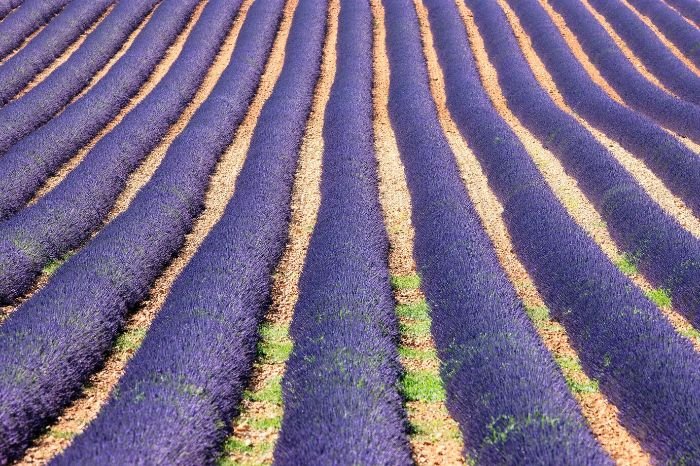
Use these grow-fit checks before planting:
- Full sun is the default target.
- Sharply drained soil matters more than rich soil.
- Alkaline to neutral ground usually suits lavender better than sour, wet soil.
- Containers help when winters are wet or the variety is tender.
- Annual pruning into green growth keeps plants compact and slows woodiness.
Harvest Lavender Differently For Drying, Cooking, And Fragrance Projects
Harvest timing changes with the use. For drying and sachets, stems are usually cut as buds begin to color and the first flowers start opening. That stage keeps fragrance strong and helps the bundles dry with less shatter. For fresh ornamental display, slightly more open flowers read better. For cooking, young clean flower spikes from unsprayed culinary lavender are the safest starting point.
Cut flowers just after the blooms have opened, then dry the stems upside down in a dry place so the oils stay enclosed. Keep culinary harvest separate from ornamental retail plants that may have pesticide residues.
Drying also decides how useful the crop stays. If bundles are left in damp air too long, scent falls and heads brown. If stems are cut too late, flowers shed more easily in storage and crafts get messier. For baking and tea, dried flowers should be stripped and stored sealed so fragrance stays concentrated and dosing stays easy.
Type selection pays off at harvest. English lavender covers the broadest range of uses from baking to small dried bundles. Lavandin is often the stronger choice for large fragrant harvests. French and tender types can still be dried and enjoyed, and their best role is usually ornamental and container-based, with pantry use much lower on the list.
Conclusion
Growing lavender gets easier when variety choice comes before planting. English lavender is the strongest all-purpose option for many gardens. Lavandin suits larger fragrant harvests and drying work. French and tender types are often best kept for ornamental containers, warm sites, and decorative flower display.
After planting fit is clear, each use becomes easier to match. Pick English lavender first for culinary work. Choose English or lavandin for sachets, bundles, and crafts. Choose tender types for patio fragrance and display if winter protection is realistic. The more closely the plant type matches the intended use, the more useful lavender becomes in the garden and after harvest.
FAQ
Which lavender is best for cooking?
English lavender is usually the safest first choice for cooking because its flavor is cleaner and less camphor-heavy than many ornamental types. Use only culinary lavender from unsprayed plants.
Is all lavender edible?
Botanically many lavender flowers can be used in food. That still does not mean every plant sold at retail is safe to eat. Only use culinary lavender that has not been treated with unsuitable sprays, and start with small amounts.
What is the difference between English lavender and lavandin?
English lavender is usually smaller, hardier, and more broadly useful in the kitchen and garden. Lavandin is often larger, more vigorous, and better for long fragrant stems, drying, and bulk scent harvest.
Is French lavender good for drying?
Yes, it can be dried for decorative use and fragrance, and it is usually chosen more for ornamental flower form than for pantry use. It is also less hardy in many climates.
Which lavender smells strongest?
Many gardeners find lavandin the strongest and most assertive in fragrance, especially in dried bundles and sachets. English lavender is often sweeter and cleaner, which is why it crosses over into culinary use more easily.
Can lavender grow in humid climates?
Yes. Success depends much more on drainage, airflow, and winter moisture control. In humid regions, containers, raised planting, and the hardiest types usually perform better than tender kinds planted in dense soil.
When should lavender be harvested for crafts and sachets?
Cut stems when buds are colored and the first flowers begin to open. That stage usually dries well and holds fragrance strongly.
Can lavender be used for relaxation without making health claims?
Yes. Use lavender for fragrance-centered routines such as sachets, dried bedside bundles, drawer bags, and bath-adjacent crafts. Those uses rely on scent and habit, not on exaggerated promises.